

Entertainment
Sean Penn reveals unlikely bond with Bob Dylan in boxing ring

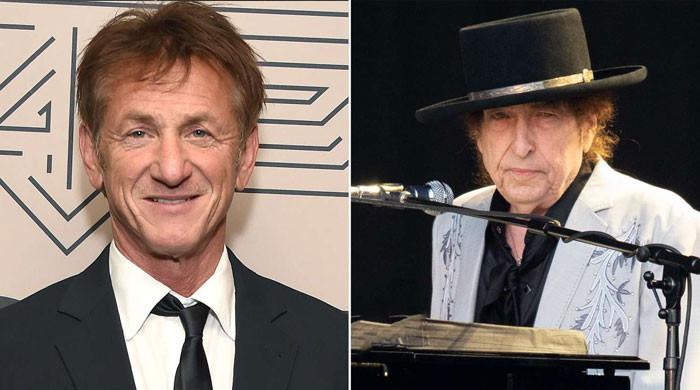
Bob Dylan appeared to be a major boxing fan, as Sean Penn shared he would show up at his home regularly to spar.
On the Monday, September 22, episode of The Tonight Show on Monday, Penn paid a visit to promote his new film One Battle After Another.
During the conversation at the late-night show, the 65-year-old actor spilled secret bond he and Bob Dylan had, sharing they were ring buddies and used to spar together — “more than once.”
“Bob Dylan, turns out, is a student of boxing, and I had a 16-foot punching ring at my house and I was friendly with his son,” Penn told Fallon of his spar with the rock icon.
“And at some point, Jesse, his son, said to me, ‘You know, my dad would like to spar.’ “
Penn further shared that Dylan then started coming over regularly.
“Sorry Bob, if I’m talking out of school,” he apologized to Dylan if he was oversharing about his personal life, noting he would show up every morning for about a month.
“That went on for about a month, I think. About seven or eight o’clock in the morning, with his hoodie on and about six bull mastiffs coming out of a VW van. There wasn’t a lot of conversation, it was kind of like ‘Good? Good.’ And we’d spar,” Penn added.
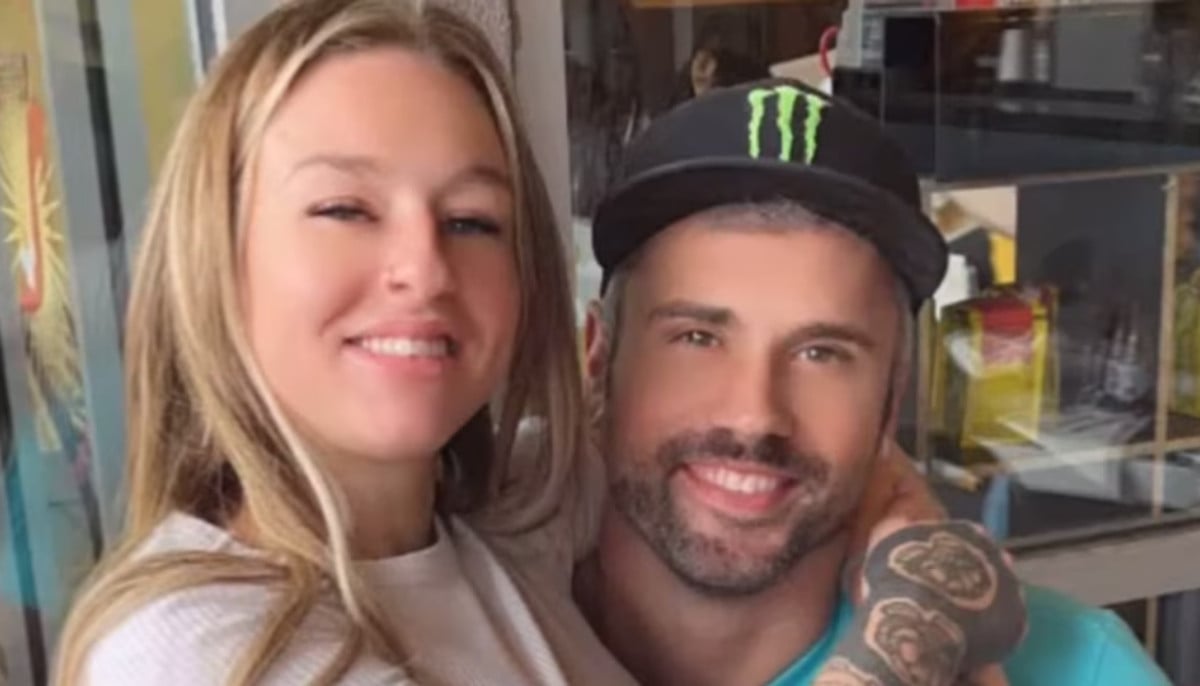
Amanda Conner, wife of Teen Mom star Ryan Edwards, was arrested on Sunday morning near Chattanooga, Tennessee, and charged with driving under the influence and child abuse and neglect after allegedly getting behind the wheel with the couple’s baby daughter in the car.
According to TMZ, which first reported the arrest, Conner was also charged with driving on the wrong side of the road.
A dispatch call obtained by the outlet indicated that it was her husband who alerted police, having grown concerned that she may have taken narcotics before leaving the house with the baby.
Her bond was set at $16,000, and she had not been released by 4:30 p.m. local time on Sunday. A court hearing has been scheduled for 3 June.
Conner, 35, and Edwards, 37, married in September 2025, just some time after he finalised his divorce from his previous wife, Mackenzie Standifer.
The pair had been friends for years before beginning a relationship in September 2023. Together they share a one-year-old daughter, Presley, who was in the car at the time of the alleged incident.
The arrest arrives against a complicated family backdrop.
Edwards has had a well-documented history of addiction and legal troubles stretching back years, including a 2023 court order requiring him to seek help for substance abuse following a series of arrests involving Standifer.
He is also father to Bentley, 17, with fellow Teen Mom original cast member Maci Bookout, as well as Jagger, 7, and Stella, 6, with Standifer.
Bookout, who married Taylor McKinney in 2016 and shares two children with him, has spoken candidly in the past about the toll Edwards’ struggles have taken.
“Obviously, when things first went down with Ryan and him having to go to jail and making stupid decisions and stuff, I definitely had a breaking point then,” she shared.
She described therapy and self-compassion as the tools that helped her through.
“I think the therapy I had done previously… and just making sure that I check in with myself and that I give myself grace and that I let myself fall apart and then pick myself back up is a game changer.”
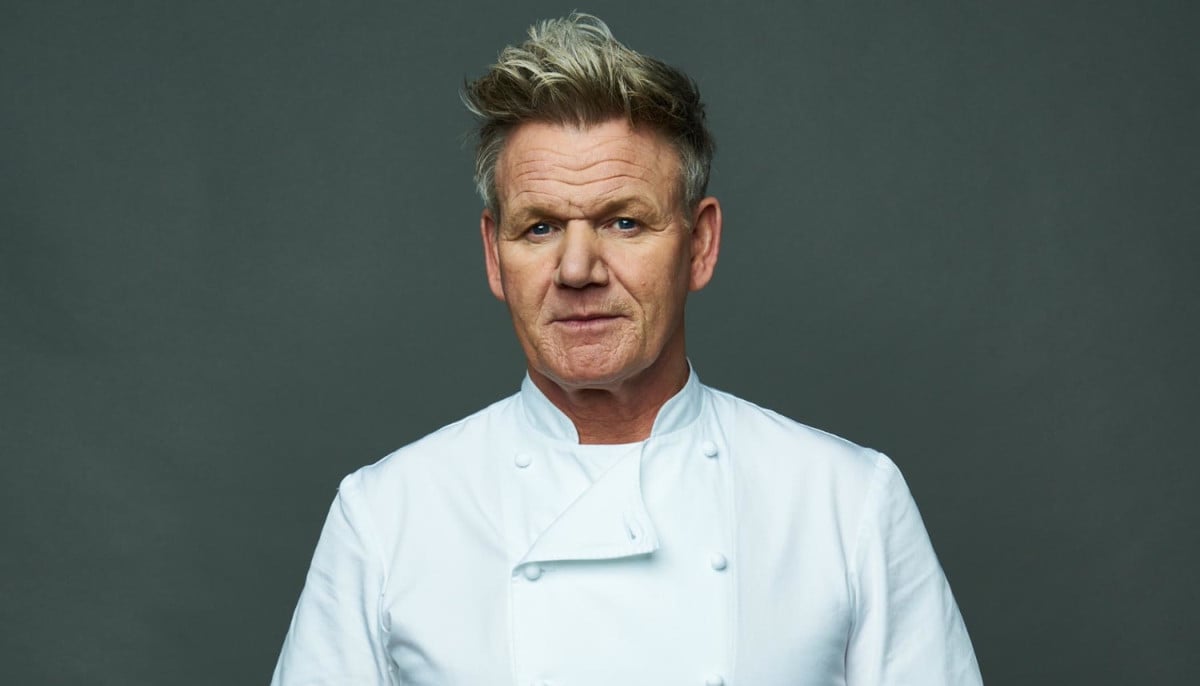
Gordon Ramsay may have built his reputation on Michelin stars and television fireworks, but when it comes to raising his six children, the lesson he holds above all others is a rather simpler one.
Speaking to Fox News Digital in an interview published on Sunday, 24 May, the 59-year-old chef revealed what he considers the single most important thing he has instilled in his kids.
“The one thing I’ve taught them all, brilliantly, are manners,” he said, adding with characteristic directness: “The most important thing in life, but they cost zero.”
Ramsay shares his six children, Megan, 28, Holly, 26, Jack, 26, Matilda, 24, Oscar, 7, and Jesse, 2, with his wife Tana.
On the professional front, one of his children appears to be following closely in his footsteps.
Ramsay spoke to PEOPLE in February about his daughter Matilda, known as Tilly, who has chosen to pursue a career in food, a decision that clearly delights him.
Ramsay spoke to PEOPLE again at the Fox Upfront event on 11 May, where he was celebrating the renewal of several of his shows including Hell’s Kitchen, Kitchen Nightmares, Next Level Chef, Next Level Baker, Gordon Ramsay’s Secret Service and Gordon Ramsay’s Being Gordon Ramsay.
Asked which of his six shows currently on air is his favourite, he reached for a familiar metaphor.
“I have six shows on air right now. That’s like saying, I have six kids as well, what’s my favourite kid? It depends, it’s the one that least pisses me off at the moment.”
Six kids, six shows, and a firm belief in the power of a please and a thank you. Not a bad philosophy, all things considered.
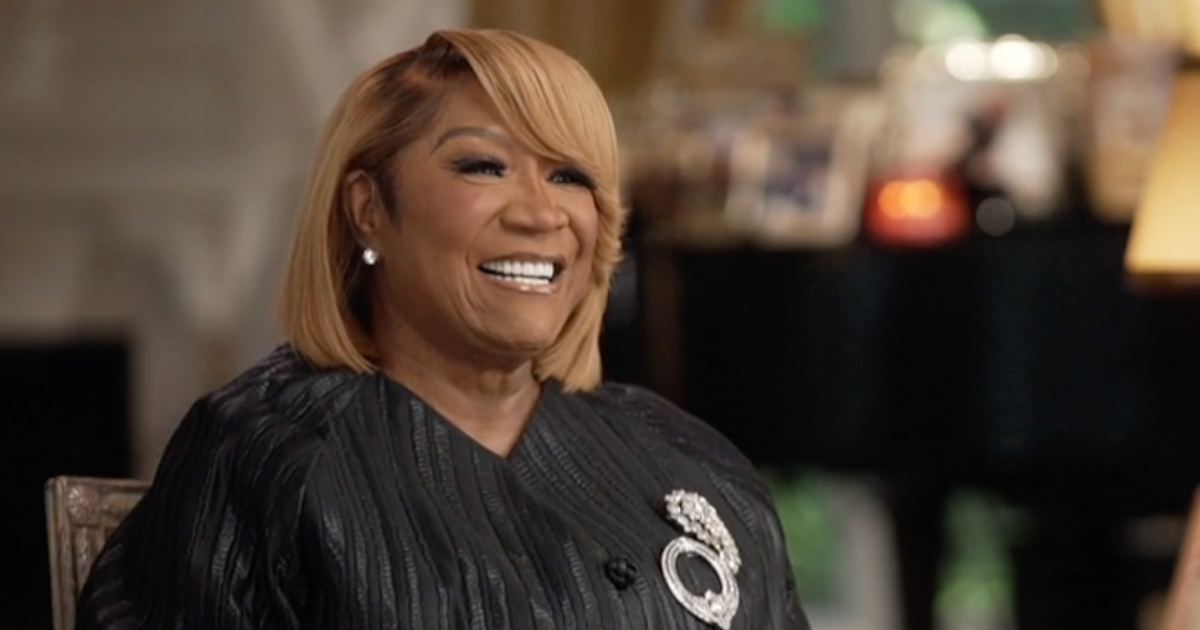
Patti LaBelle has been singing for six decades, earning hit records, Grammys and the nickname the “Godmother of Soul.” As she celebrates her 82nd birthday on Sunday, she said she’s “having fun living it down.”
“At 82, I am really living it down, not up. But having fun living it down. I play cards. We have card games on Saturday nights,” LaBelle said. “How easy is it to play cards and take other folks’ money? That’s what I do, and I love it.”
Just like her high notes, she has staying power. LaBelle is still professionally singing, something she said she has to do.
“Singing is my life,” she said, adding that her voice is “big. It’s loud. It’s soft. It can rap. It can do opera, on a good day.”
LaBelle spent her childhood in Philadelphia, a place she still calls home. Back then, she was a shy girl named Patsy Holt.
“My mother had to pay me to go outside. I was very, very, very shy. I would sing in my bedroom with the broom as a microphone. So I knew I had a voice and my mother and father loved my voice,” LaBelle said.
At age 10, she joined a church choir where a duet unlocked the magic of performing. She said she still remembers getting the chills the moment when everyone stood up and said, “Hallelujah.”
As a teen, she started singing with a group. A record label executive suggested she change her name to LaBelle, which means beautiful, but with that advice came a nasty assessment. He called her “quite ugly.”
“It gave me hurt, just total, total hurt, because I knew how much he loved my voice. And I knew, no matter what anyone said about me, I am who I am, I’m not gonna change. The only thing that changed was my nose. I had a huge nose, so I had it done,” she said. “And that’s all I’ve ever had done. My nose, because it was not pleasing to me.”
When Patti LaBelle and the Blue Belles became simply Labelle, they changed their style to what the singer described as “outrageous crazy outfits.” They turned “Lady Marmalade,” a song about a Creole prostitute, into a classic hit.
“We were singing about the revolution and sexual things before any Black girl or White girl group sang,” LaBelle said.
“When we sang [Lady Marmalade], we didn’t know what ‘voulez-vous coucher avec moi’ meant. It means, ‘Will you sleep with me tonight?’ So we got a lotta flak from the nuns and different people. And I was saying, at that time, ‘Well, a hooker has to make money too,'” she laughed.
The group split in 1977 but stayed friends. LaBelle said she was petrified when she stepped out as a solo artist for the first time. Getting therapy “helped a whole lot,” she said.
“I learned that I’m never gonna stop singing. And if it’s with a group or alone, that’s what I’m gonna do for the rest of my life,” LaBelle said.
LaBelle’s other talent is cooking. She’s written several bestselling cookbooks and has her own line of food and houseware products, Patti’s Good Life. Her hometown is filled with fans, and even visiting a Philadelphia ShopRite to hand out pancake mix caused quite a stir.
LaBelle isn’t planning to give up singing anytime soon.
“It’s never my last show. I’ll be singing until I can’t no more,” she said.
And on her 82nd birthday, maybe the real gift is that LaBelle knows exactly who she is — a mother, grandmother, and yes, a legend.
“I love it. I should be called, ‘Legend, legend, legend, legend.’ Yes. I love it,” she laughed. “I have earned it. Yes, I have.”
WEB EXCLUSIVE: Watch an extended interview with Patti LaBelle (Video)


Net employment in Australia drops by 18,600 MoM in April: ABS

Travis Head and wife Jessica suffer online abuse after Kohli spat

Oil prices slide on hopes of US-Iran peace deal

-

 Entertainment1 week ago
Where Pete Davidson, Elsie Hewitt stand after breakup: Details revealed
-

 Politics1 week ago
Rising diesel costs from Iran war strain US school budgets
-

 Tech1 week ago
Why Is Your Grill So Dumb? The Best Grills Set Temp Like an Oven
-

 Tech1 week ago
This Solar-Powered Smart Sprinkler Keeps My Lawn Watered Without Any Power Cables
-
 Fashion6 days ago
Nigeria Kwara Garment Factory, KWS Garment Production Village ink pact
-

 Sports1 week ago
Pakistan steady after Das ton | The Express Tribune
-
 Entertainment1 week ago
Princess of Wales praised as ‘step ahead’ of royal family
-
 Fashion7 days ago
India’s Pearl Global’s FY26 revenue crosses $521 mn milestone