

Politics
Settling in UK? New rules may depend on your English skills and conduct


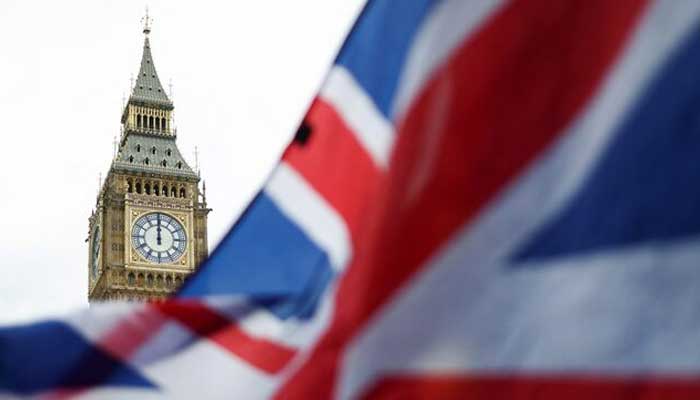
Britain plans to tighten the rules over how migrants can settle permanently by making applicants prove their value to society, including being able to speak a “high standard” of English, interior minister Shabana Mahmood said on Monday.
The plan is the latest government effort to dent the rising popularity of the populist Reform UK party, which has led the debate on tackling immigration and forced Prime Minister Keir Starmer’s Labour Party to toughen its policies.
Most migrants can currently apply for “indefinite leave to remain” after five years of living in Britain, a status that gives them the right to live permanently in the country.
In her first speech to the Labour Party conference as interior minister, Mahmood said the government is considering making changes so people will only qualify for this status if they pay social security contributions, have a clean criminal record, do not claim benefits, can speak English, and have a record of volunteering in their communities.
Right to settle must be earned
“Time spent in this country alone is not enough,” Mahmood said. “You must earn the right to live in this country.”
A consultation on the proposals will be launched later this year, she said, and this builds on the government’s earlier announcement that this standard qualifying period would be changed to a baseline of 10 years.
Mahmood said her plans mean some people who live in Britain for more than a decade could still be denied permission to permanently remain if they fail to meet new standards.
Nigel Farage’s anti-immigration Reform UK, which is leading in opinion polls, said last week it was considering scrapping “indefinite leave to remain”, and replacing it with a five-year renewable work visa.
Starmer accused Reform on Sunday of planning a “racist policy” of mass deportations, although he clarified he did not think Reform supporters were racist.
Lawyers said the new requirements may discourage some people moving to Britain, and requiring people to volunteer would be hard to assess.
Mahmood told the conference she was willing to be unpopular to stop the arrival of tens of thousands of people on small boats from Europe.
“We will have to question some of the assumptions and legal constraints that have lasted for a generation and more,” she said. “Without control, we simply do not have the conditions in which our country can be open, tolerant and generous.”
Immigration has long been one of the most important issues for voters in Britain. Controlling the number of arrivals was a key factor in the 2016 vote to leave the European Union, yet net arrivals hit record levels after Britain left the bloc
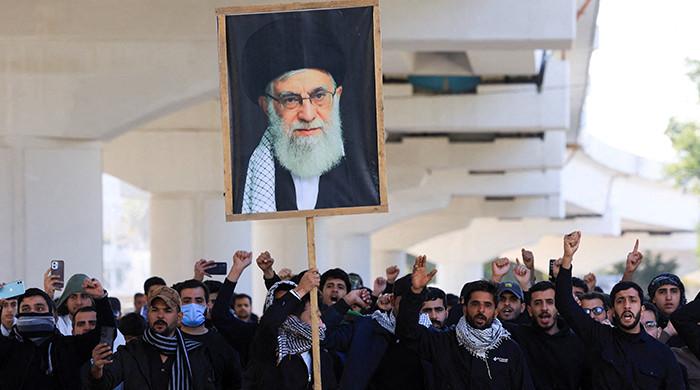
A number of Iranian senior leaders, including Supreme Leader Ayatollah Ali Khamenei, have embraced martyrdom in the “unprovoked and unwarranted” airstrikes by Israel and the United States.
As crowds gathered in Tehran, explosions rang out, and the Israeli military announced that it was again striking targets in the heart of the city — as more blasts were heard in Jerusalem, Riyadh, Dubai, Doha and Manama.
Iran’s President Masoud Pezeshkian declared Khamenei’s assassination a “declaration of war against Muslims” and warned: “Iran considers it its legitimate duty and right to avenge the perpetrators and masterminds of this historic crime.”
Iranian state media have confirmed the killing of several senior figures:
1. Ayatollah Ali Khamenei, supreme leader of Iran
2. Ali Shamkhani, representative of the Supreme Leader in the Supreme Defence Council
3. General Abdolrahim Mousavi, Iran’s Armed Forces chief of staff
4. Major General Mohammad Pakpour, commander-in-chief of the Islamic Revolution Guards Corps (IRGC)
5. Aziz Nasirzadeh, Minister of Defence
6. Gholamreza Rezaian, police intelligence chief of Iran
Separately, the daughter, son-in-law, and granddaughter of Ali Khamenei also embraced martyrdom in the US and Israeli airstrikes.
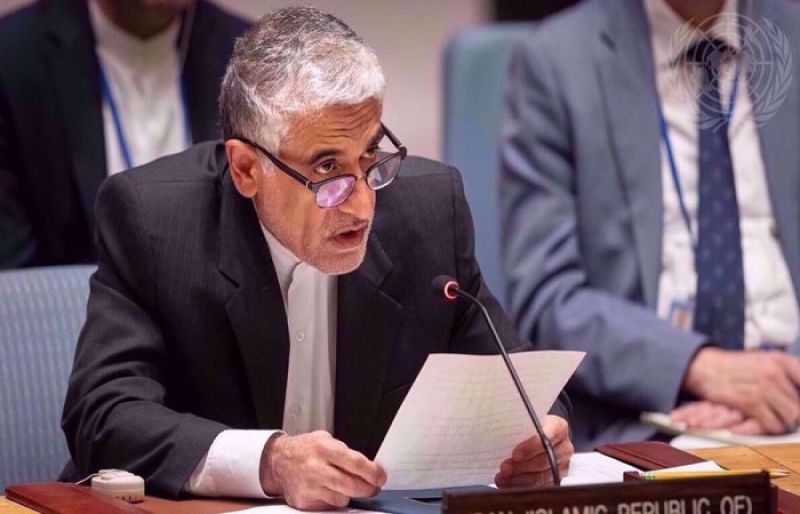

Iran’s permanent ambassador to the United Nations has vehemently denounced the fresh and unprovoked Israeli-American war on the Islamic Republic, asserting that the country will continue to act in self-defense until the end of the unlawful aggression.
Amir-Saeid Iravani made the remarks at a UN Security Council meeting on Sunday regarding the joint strikes that were launched against the country earlier on Saturday.
The nation, he stated, was facing armed aggression and a war against international law, which could not be justified by any excuse.
Referring to Iran’s decisive and ongoing retaliatory strikes, under the codename Operation True Promise 4, the envoy said it serves as a legitimate act of self-defense.
The Islamic Republic would continue to exercise its legitimate right to self-defense until the aggression ends, Iravani told the world body.
The Islamic Revolution Guards Corps (IRGC) has so far launched at least five waves of counterstrikes against numerous Israeli and American targets in response to the aggression.
IRGC has pledged to sustain the counterstrikes until the enemies’ “complete defeat,” while noting that the reprisal exceeds by far the proportions of its previous round of retaliations against Tel Aviv’s and Washington’s imposed war on the nation last June.
Addressing the same meeting, Russia’s UN envoy said Iran had been once again “stabbed in the back,” referring to the country’s coming under fresh aggression, while engaging in indirect talks with the United States aimed at resolving standing issues.
Vasily Nebenzya condemned an attack on a school in Iran that took place as part of the renewed aggression, claiming the lives of more than 100 people, calling it a sign of “unjustified aggression” by the Israeli regime and the United States against a UN member state.
He described the atrocities as “unjustifiable” and a “betrayal of diplomacy.”
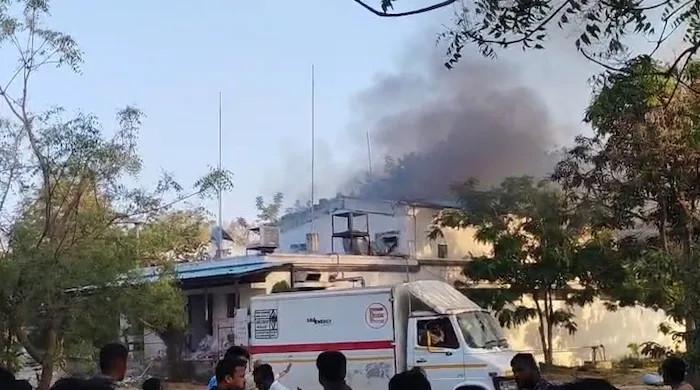
- PM Modi describes accident as “deeply distressing”.
- Maharashtra CM terms it “extremely unfortunate.”
- Industrial accidents are common in India.
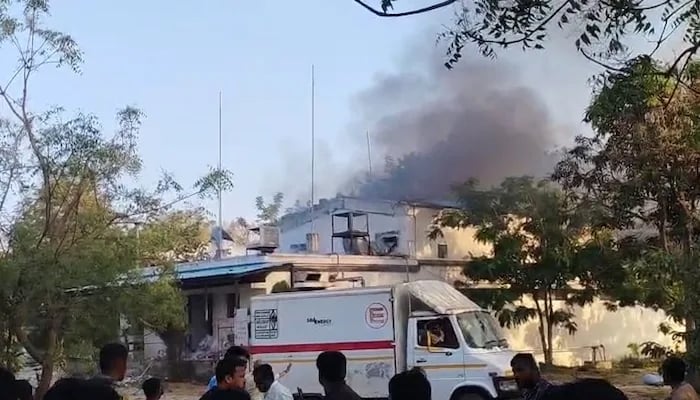
A blast at an explosives factory killed at least 17 people and injured 18 others on Sunday, officials in the western Indian state of Maharashtra said.
Prime Minister Narendra Modi said the accident was “deeply distressing” and wished a speedy recovery to the survivors.
Maharashtra state chief minister Devendra Fadnavis called the incident “extremely unfortunate and tragic” in a post on X.
The accident happened in Nagpur, about 800 kilometres (500 miles) from state capital Mumbai.
“Rescue operations have been accelerated, and so far, 17 people have lost their lives,” Fadnavis said, adding 18 others were injured.
An investigation has been ordered into the incident.
On Saturday, 21 people were killed in an explosion at a firecracker factory in the southeastern Indian state of Andhra Pradesh.
Industrial accidents are common in India, often due to disregard for safety requirements and lax enforcement.
Last year, a firework factory explosion in western India killed 21 people.


Anna Cathcart teases big changes in ‘XO, Kitty’ season 3

Transfer rumors, news: MLS an option for Liverpool’s Salah

Make the Most of Chrome’s Toolbar by Customizing It to Your Liking

-
 Business1 week ago
US Top Court Blocks Trump’s Tariff Orders: Does It Mean Zero Duties For Indian Goods?
-

 Fashion1 week ago
ICE cotton ticks higher on crude oil rally
-

 Entertainment1 week ago
The White Lotus” creator Mike White reflects on his time on “Survivor
-
 Business1 week ago
Eye-popping rise in one year: Betting on just gold and silver for long-term wealth creation? Think again! – The Times of India
-
 Politics1 week ago
Pakistan carries out precision strikes on seven militant hideouts in Afghanistan
-

 Sports1 week ago
Brett Favre blasts NFL for no longer appealing to ‘true’ fans: ‘There’s been a slight shift’
-

 Entertainment1 week ago
Saturday Sessions: Say She She performs "Under the Sun"
-

 Entertainment1 week ago
Viral monkey Punch makes IKEA toy global sensation: Here’s what it costs