

Fashion
Shiseido names new Americas CEO amid wider leadership reshuffle, job cuts

Published
November 11, 2025
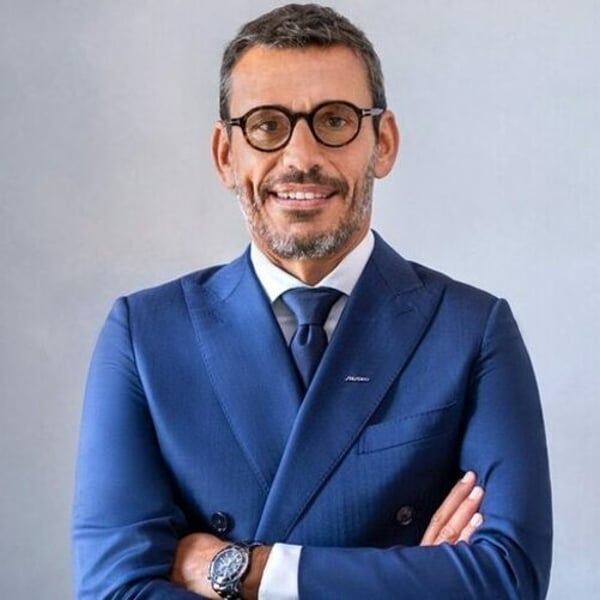
Shiseido announced on Monday the appointment of Alberto Noe to the role of CEO of the Americas, as the Japanese beauty giant reshuffles its leadership amid job cuts.
Noe previously served as interim Americas CEO, after being appointed to the role earlier this year. Noe replaced Ron Gee, who was stepped down from his role as CEO of Americas in April.
A beauty veteran, Noe first joined the Shiseido group in 2013 as president and CEO of Italy. In 2019, he was named chief business officer of the EMEA region, before being appointed deputy managing director EMEA in January 2023. He was named president and CEO of Shiseido EMEA in March 2024, a role he will concurrently hold alongside the Americas region, according to a press release.
Shiseido also said it has promoted Makoto Toyoda to the role of chief information technology officer; Hidefumi Araki has been named global brand and product innovation officer; and Naomi Kawanishi is the new global brand president of Clé de Peau, Shiseido’s super-luxury skincare brand.
The company also revealed some departures. Angelica Munson, chief digital officer; Tomoko Ikeda, chief brand and product innovation officer, and So George Sugitomo, chief creative officer are all leaving the Tokyo-based company, effective January 1.
Finally, the company also plans to cut some 200 domestic jobs, as part of its “Next Career Support Plan” early retirement program.
Coinciding with the appointment news, Shiseido on Monday reported an attributable net loss of 43,983 million yen (€246 million) for the first nine months of 2025, compared to a profit of 754 million yen (€4.2 million) in the same period a year earlier.
Copyright © 2025 FashionNetwork.com All rights reserved.







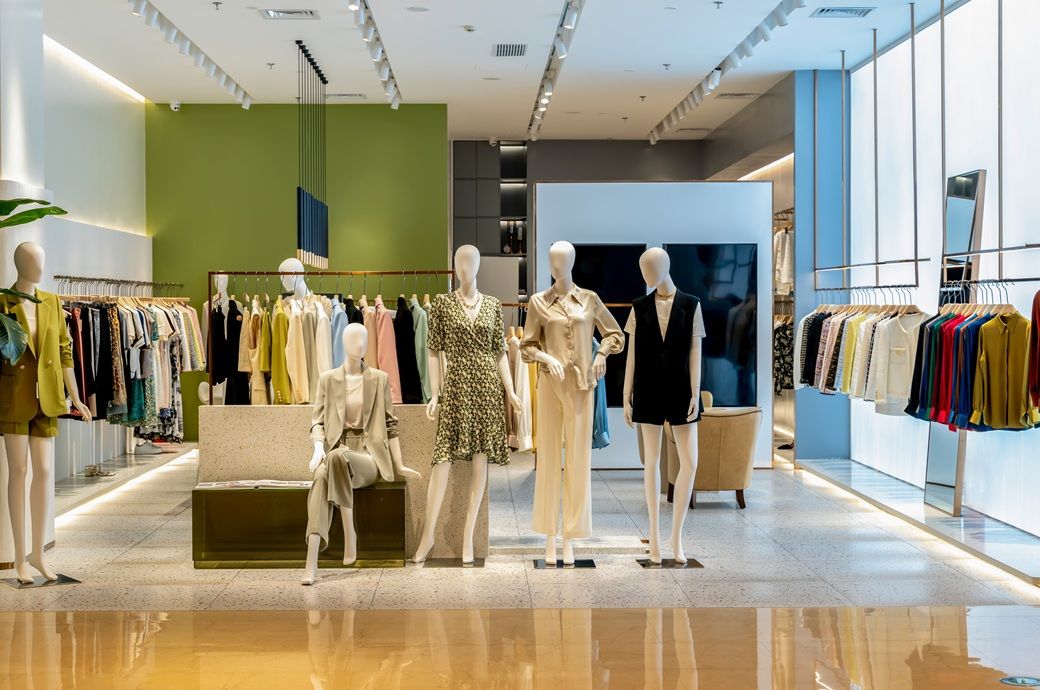
The move follows Lulus’ recent rollout across all Nordstrom stores nationwide and reflects a broader strategy to expand reach and drive incremental revenue. As stated in the press release, each partnership offers curated assortments tailored to platform-specific customer behaviour.
Lulus has expanded its wholesale strategy with a new Amazon storefront and an online partnership with Victoria’s Secret.
Building on its Nordstrom rollout, the move enhances reach and revenue potential.
Curated assortments tailored to each platform aim to engage modern shoppers, supporting scalable growth and strengthening the brand’s presence across key retail channels.
“Today’s customer shops across platforms, and our goal is to show up for her in each of those moments with intentional, elevated product, that is distinctly Lulus,” said Crystal Landsem, CEO at Lulus. “By offering curated assortments across Amazon and Victoria’s Secret, we’re expanding access to our brand in a way that’s thoughtful, strategic, and aligned with how women shop now.”
The Amazon storefront features a curated dress assortment, including many exclusive styles, while the Victoria’s Secret collaboration introduces an online-only range targeting digitally engaged shoppers. The company noted in the press release that these initiatives support scalable growth and strengthen brand relevance.
As Lulus enters its 30th year, it is focusing on disciplined growth, scalable distribution, and long-term brand building. Alongside its Nordstrom expansion, launches on Amazon and Victoria’s Secret strengthen its position as a digitally driven brand with rising influence in modern fashion retail.
Fibre2Fashion News Desk (JP)

Support will be provided through two-way contracts for difference, where a competitively determined strike price ensures revenue stability. If alternative fuel prices fall below this level, the Italian government will compensate producers; if they exceed it, producers will repay the difference. The scheme will run until 31 December 2029.
The European Commission has approved a €6 billion (~$6.5 billion) Italian state aid scheme to produce 200,000 tonnes of renewable hydrogen annually.
Using contracts for difference, the programme will support decarbonisation in transport and industry by ensuring price stability, while promoting investment, competitiveness, and emissions reduction across high-impact sectors.
The Commission concluded that the measure is necessary, proportionate, and incentivises investment that would not occur without public support. It also found that the environmental benefits, particularly in reducing emissions from hard-to-abate sectors, outweigh potential competition distortions.
Fibre2Fashion News Desk (JP)
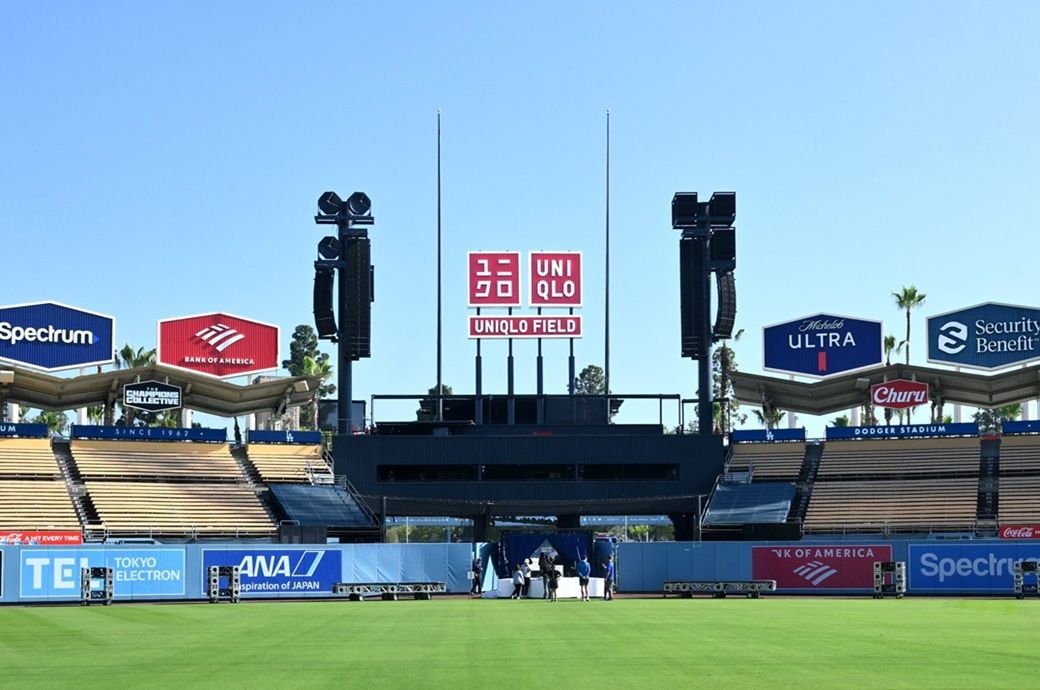
Bringing together two world-class brands, each with loyal supporters around the globe, the alliance is the first major sports partnership for UNIQLO in the United States. Under the agreement, UNIQLO will have naming displays in various stadium locations including above the batter’s eye in center field, on the facade beneath the press box, and on the grass along the baselines.
“With UNIQLO, we have established a historic partnership that we’re very proud to present in our ballpark,” said Stan Kasten, President & CEO, Los Angeles Dodgers. “UNIQLO is as distinguished in their field as the Dodgers are on ours. Both organizations aspire to be global leaders and to set the standard in our respective industries and communities.”
The Los Angeles Dodgers and Uniqlo have formed a landmark partnership featuring prominent “Uniqlo Field at Dodger Stadium” branding across the venue.
The collaboration, Uniqlo’s first major US sports deal, will include fan events, LifeWear giveaways, and dedicated in-store displays in California to strengthen engagement with both Dodgers fans and Uniqlo customers.
Commenting on the news, Tadashi Yanai, UNIQLO Founder and Fast Retailing Group Chairman, said, “It is a great honor to partner with the Los Angeles Dodgers – such a prestigious, world-class team that innovates with the times. For everyone at UNIQLO, this is a dream partnership that brings people everywhere together. Like the Dodgers, UNIQLO aims to be No. 1 in the world. We look forward to teaming with the Dodgers to deliver new value to fans and customers in Los Angeles and the United States as we continue our work to become the most loved and most trusted brand here and around the world.”
With a scope wider than typical sports sponsorships, the new partnership includes:
A focus on Dodgers fans
An in-stadium event will be hosted early in the coming season at UNIQLO Field at Dodger Stadium. This will be a large-scale event, introducing UNIQLO to thousands of Dodgers fans with giveaways of UNIQLO LifeWear items.
Efforts to engage UNIQLO customers
UNIQLO plans to create dedicated in store spaces at select locations in California, with a focus on the Los Angeles area, to showcase and promote the partnership.
A genuine commitment to the Los Angeles community
Joint contributions to the community will be an ongoing priority of the partnership. UNIQLO and the Dodgers are now working on a range of community-impact initiatives that specifically benefit the citizens and communities of Los Angeles, with a key focus on the next generation. Details will be announced around May.
Note: The headline, insights, and image of this press release may have been refined by the Fibre2Fashion staff; the rest of the content remains unchanged.
Fibre2Fashion News Desk (RM)


Lulus expands wholesale reach with Amazon, Victoria’s Secret

EU clears $6.5 bn Italy renewable hydrogen support scheme

Apparel retailer Uniqlo signs landmark deal with Los Angeles Dodgers

-

 Politics1 week ago
Afghanistan announces release of detained US citizen
-

 Tech1 week ago
Can a Home Appliance Fix the Problem of Soft-Plastic Waste?
-

 Sports1 week ago
Broadcast industry CEO says consolidation is ‘essential’ to compete for NFL soaring media rights prices
-
 Business1 week ago
Property Play: Home flippers see smallest profits since the Great Recession, real estate data firm says
-

 Entertainment1 week ago
UN warns migratory freshwater fish numbers are spiralling
-
 Business1 week ago
Gold prices soar in Pakistan – SUCH TV
-
 Business1 week ago
More women are entering wealth management, but few are in advisory roles, study finds
-
 Fashion1 week ago
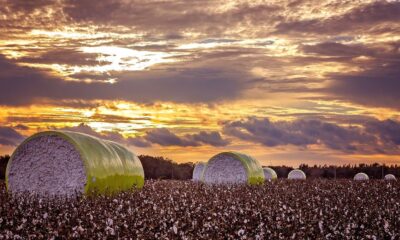
ICE cotton slips on weaker crude, profit booking