

Fashion
South East Asia year-end review 2025: Minnows under heat

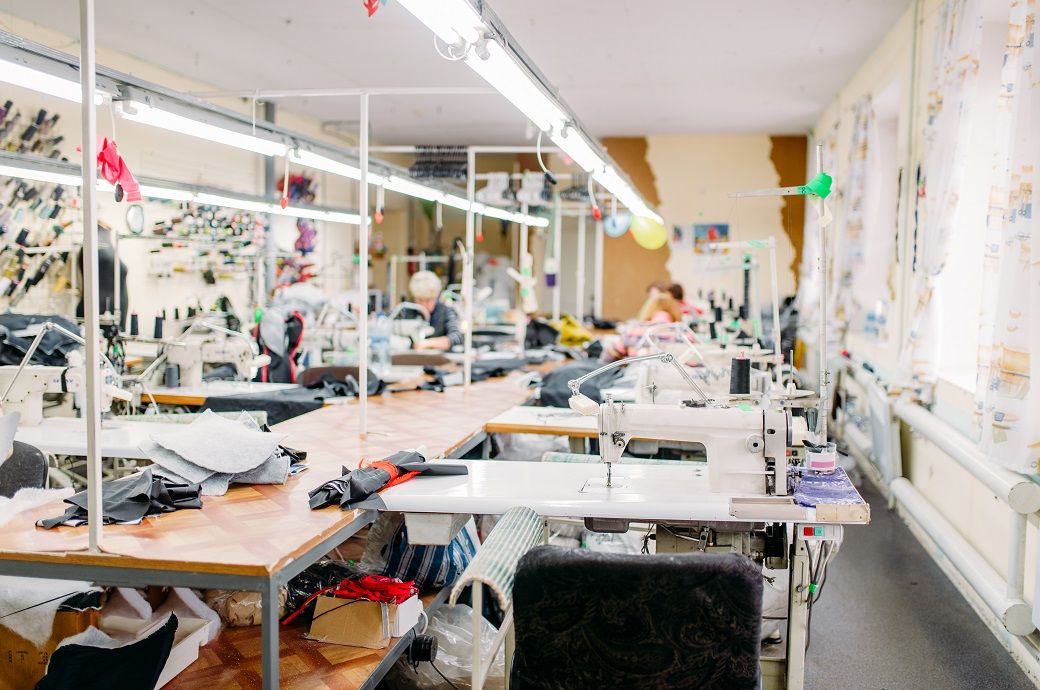
In addition, strategic competition between the US and China adds complexity to the situation because many South East Asian garment factories depend on raw materials from China. Now they are under pressure to reduce this reliance while maintaining trade ties with both economic superpowers. The impact is felt most strongly by women in these countries. Around 70 per cent of garment workers are female, and the new tariffs threatened their already low income. Job losses directly affect the survival of their families.
Myanmar
Smaller garment-producing economies like Myanmar, Thailand and Laos came under intense pressure from steep US tariffs and shifting geopolitics.
Tariff hikes disrupted factory orders, accelerated closures, and threatened livelihoods.
Exporters were left to scramble for alternative markets, push trade negotiations, and rethink supply chains amid rising costs and dependence on China.
The 40-per cent tariffs on Myanmar exports took a heavy toll on the country’s garment industry, with foreseeable shut down of several factories. The tariff came into effect on August 1, and since then orders dropped sharply, leading to job losses, fewer overtime hours and eventual factory closures – at least four in the industrial zones of Yangon’s Hlaing Tharyar and Shwepyithar townships alone. The first to shut down was Twinkle (Myanmar), a factory that used to manufacture garments for US-based Callaway Golf and luggage maker Samsonite. Other closures included SDI Manufacture, Wan Xin Myanmar, and Eternal Fashion. In the past, factory closures used to be caused by electrical problems, raw material shortages or road closures but lately tariff became the major contributing factor. Over 700,000 workers are employed in Myanmar’s garment factories, with double that number in related industries. An estimated four times that number of family members depend on their wages, according to the Myanmar Garment Manufacturers Association (MGMA).
To counter the effects of the tariffs, some factories that previously catered to the US market started seeking orders from Japan, South Korea, and the EU.
Alongside the high tariff, Myanmar also faced heat from the ILO (International Labour Organisation) over violations of agreements related to workers’ rights, such as freedom of association and the elimination of forced labour.
Thailand
Thailand’s tryst with US reciprocal tariff began with imposition of 36 per cent rate on April 2. However, after successful negotiations, the US reduced reciprocal tariff on Thai goods to 19 per cent starting August 1. In September, Thai garment exporters called on the new government to pause wage hikes and accelerate EU FTA talks, noting that garments remain a labour-intensive sector employing some 600,000- 800,000 workers. Rising wages to 400 baht per day would disproportionately affect new and unskilled workers whose productivity remains low, also increasing costs for employers. In Thailand, labour and raw material expenses make up 60-70 per cent of total production costs for garment manufacturers. Since the US accounts for approximately 40 per cent of Thailand’s garment exports, the increased US tariff, up from an average 10 per cent to 29 per cent, threatened this key market. On the other hand, Thai exporters face EU tariffs averaging 10-20 per cent depending on the garment type, so securing an FTA with the EU was seen as an opportunity to open up trade with 27 countries, which will help in offsetting potential losses in the US market.
Laos
Although the European Union, especially Germany, has been the main destination for Laotian textiles, the US has long been among the top five export markets. This is when Laos exports to US is relatively small comprising a small number of factories which supply the American market. Driven by US trade deficit of over $760 million with Laos, US administration imposed one of the highest tariff charges of 40 per cent on the small Asian nation. To complicate things further for Laos, its supply chains are closely tied to China. The high tariff is estimated to effect around 20,000 or more out of nearly 30,000 workers which the garment industry employs, while representing around 13 per cent of export earnings, excluding natural resources. This number rises in case of companies’ closure. If US customers pull back, an estimated 35 to 40 factories may face disruption.
Laos is a regional base for garment manufacturing that supplies to many western brands. Production of mattresses is among the various segments that are severely affected by the tariffs. In recent times, the country has benefitted with the success of the China–Laos Railway, which has transformed Laos from a landlocked state into a regional logistics hub, significantly reducing shipping times and costs.
Fibre2Fashion News Desk (SB)











The components division generated CHF 193.5 million (~$249.6 million) in orders amid cautious investment in new machinery, while the After Sales division posted a 6 per cent increase to CHF 163.6 million, supported by expanded service networks and stronger activity in Central Asia and China.
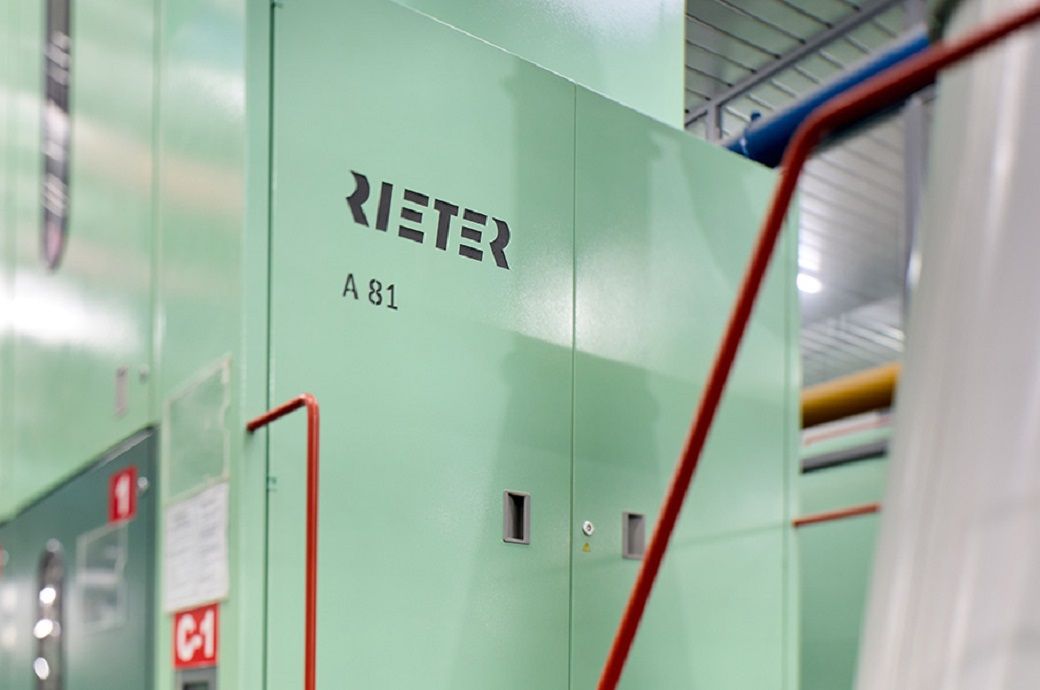
Rieter has reported stable 2025 order intake of CHF 703.4 million (~$907.4 million) despite market uncertainty, while sales fell 20 per cent to CHF 685.1 million (~$883.8 million).
Cost controls delivered positive operating EBIT, but Barmag-related charges led to a net loss.
The Barmag acquisition expands fibre capabilities.
For 2026, Rieter projects CHF 1.3-1.5 billion ($1.68-1.94 billion) sales.
Group sales declined 20 per cent YoY to CHF 685.1 million (~$883.8 million) from CHF 859.1 million, reflecting subdued market demand. Sales in Machines and Systems dropped 23 per cent to CHF 329.1 million, Components fell 19 per cent to CHF 200.8 million, and After Sales decreased 17 per cent to CHF 155.2 million. Order backlog stood at around CHF 510 million at the end of 2025, Rieter said in a press release.
Despite weaker sales, Rieter achieved a positive operating EBIT of CHF 2.5 million through cost control measures. However, restructuring expenses and transaction costs related to the Barmag acquisition, totalling CHF 54.2 million, resulted in a net loss of CHF 63.4 million for the year compared with a net profit of CHF 10.4 million in 2024. Free cash flow turned negative at CHF 40.6 million, although net liquidity improved to CHF 184.3 million following a capital increase completed in October 2025.
Given the negative earnings, the board has proposed no dividend distribution while reaffirming its long-term policy of paying at least 40 per cent of net profit. The equity ratio strengthened to 53.3 per cent at the end of 2025, reflecting the capital raise linked to the acquisition.
Rieter completed the acquisition of Barmag on February 2, 2026, integrating the business as its new Man-Made Fiber Division. The move expands the company’s capabilities beyond short-staple fibre machinery, positioning it as a system supplier across natural and man-made fibre processing and strengthening technological capabilities in automation and digitisation.
The company expects at least CHF 20 million in synergies from the acquisition and has outlined new medium-term scenarios. Depending on market conditions, annual sales could range from CHF 1.4 billion with 2-5 per cent operating margins in a subdued environment to CHF 2.2 billion with margins of 8-11 per cent under strong demand.
For 2026, which Rieter described as a transition year, the group forecasts sales between CHF 1.3 billion and CHF 1.5 billion ($1.68-1.94 billion) and a positive operating EBIT margin of 0-3 per cent as integration and restructuring initiatives progress. Financing for the combined entity’s development is fully secured.
Fibre2Fashion News Desk (SG)
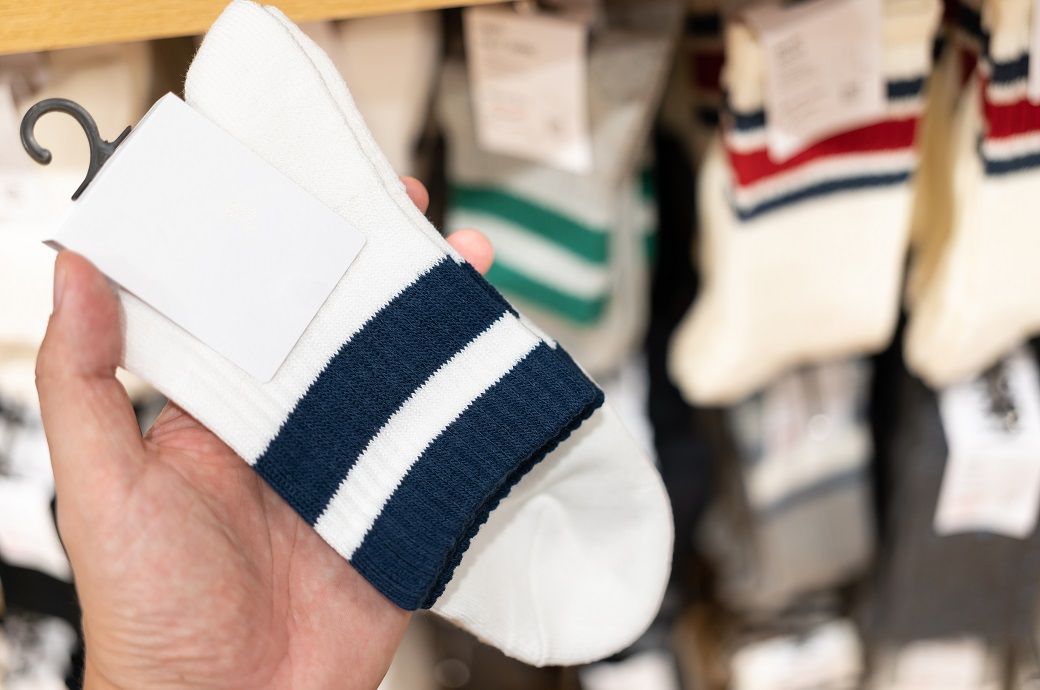
According to *fashion.com/market-intelligence/texpro-textile-and-apparel/” target=”_blank”>sourcing intelligence tool TexPro, export volumes reached **.*** billion pairs in ****, up from **.*** billion pairs in **** and **.*** billion pairs in ****. This steady rise in shipments highlights China’s scale advantage and strong manufacturing ecosystem, enabling suppliers to push higher volumes into international markets even amid softer demand conditions and heightened price sensitivity among buyers.
Average export prices continued their downward trajectory, declining to $*.** per pair in **** from $*.** in ****, $*.** in **** and $*.** in ****. The sustained erosion in unit values suggests a combination of factors, including aggressive pricing competition, a shift towards lower-priced product mixes, and buyer efforts to optimise sourcing costs in an uncertain global consumption environment.
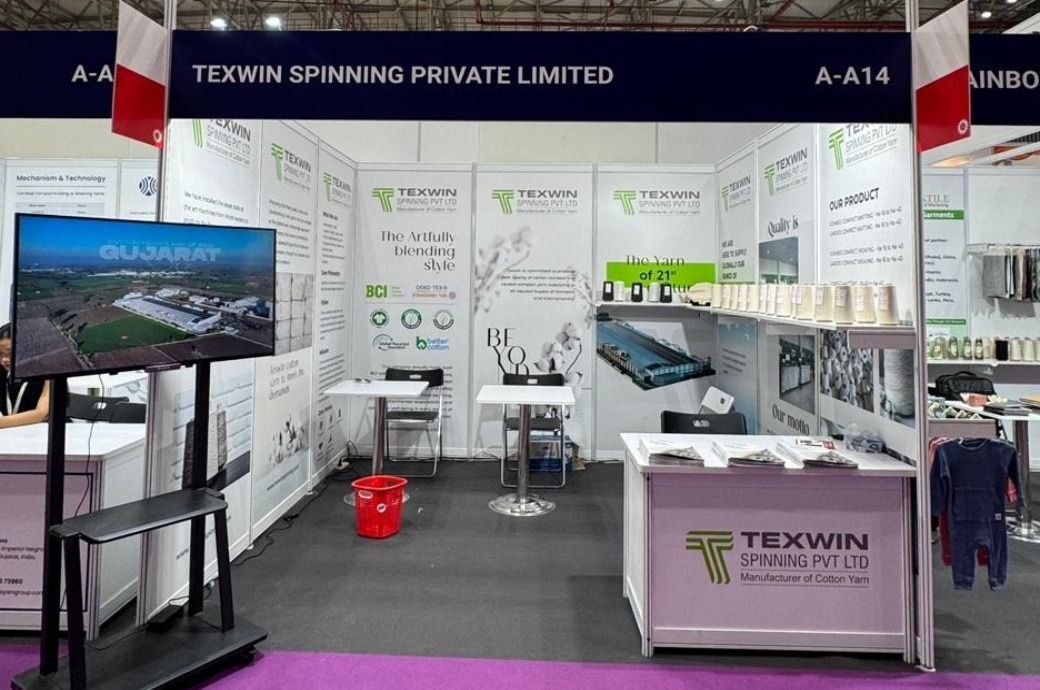
At the exhibition, Texwin Spinning is showcasing its comprehensive range of cotton yarns, including combed compact yarn (Ne 16’s to 40’s) for weaving and knitting applications, carded compact yarn (Ne 16’s to 40’s), and high-performance components such as comber, flat and lickerin. The company manufactures its products using high-grade raw cotton in a fully automated facility, ensuring superior quality, strength, uniformity and consistency across textile processes.
“VIATT provides an excellent platform to connect with international buyers and industry stakeholders. We look forward to presenting our premium cotton yarn portfolio and strengthening our presence in the ASEAN and global markets,” Bhagya Chikani of Texwin Spinning told Fibre2Fashion.
Texwin Spinning Pvt Ltd is exhibiting at the Vietnam International Trade Fair for Apparel, Textiles and Textile Technologies (VIATT) 2026 which is being held in Ho Chi Minh City from February 26-28.
The company is showcasing its premium combed and carded compact cotton yarns (Ne 16’s-40’s) along with textile components, aiming to expand its footprint across ASEAN and global markets.
Positioned as ASEAN’s most comprehensive textile trade platform, VIATT covers the entire textile value chain, bringing together global stakeholders from apparel fabrics and fashion to home textiles, technical textiles and advanced manufacturing technologies. With a strong emphasis on innovation, digitalisation and sustainability through initiatives such as ‘Econogy’, the fair serves as a strategic business hub for the region’s textile and garment industry.
Established in 2021, Texwin Spinning Pvt Ltd is a Gujarat-based manufacturer of premium-quality cotton yarn. Headquartered in Rajkot, the company serves both domestic and export markets and is guided by “Quality Is Our Motto.” Through a strong commitment to quality standards, customer satisfaction and continuous growth, Texwin Spinning continues to strengthen its brand presence in the competitive textile industry.
Fibre2Fashion News Desk (CG)


The Newest Google Pixel Phone Comes With a $100 Gift Card (for Now)

Gold price prediction: What’s the gold rate outlook for February 27, 2026 & should you buy on dips? – The Times of India

Switzerland’s Rieter orders steady at $907 mn amid cautious market

-

 Tech1 week ago
A $10K Bounty Awaits Anyone Who Can Hack Ring Cameras to Stop Sharing Data With Amazon
-
 Business7 days ago
US Top Court Blocks Trump’s Tariff Orders: Does It Mean Zero Duties For Indian Goods?
-

 Fashion7 days ago
ICE cotton ticks higher on crude oil rally
-
 Business6 days ago
Eye-popping rise in one year: Betting on just gold and silver for long-term wealth creation? Think again! – The Times of India
-

 Tech1 week ago
Donald Trump Jr.’s Private DC Club Has Mysterious Ties to an Ex-Cop With a Controversial Past
-

 Fashion7 days ago
India’s $28 bn reset: How 5 trade deals will reprice its T&A exports
-

 Entertainment6 days ago
Viral monkey Punch makes IKEA toy global sensation: Here’s what it costs
-

 Sports7 days ago
Brett Favre blasts NFL for no longer appealing to ‘true’ fans: ‘There’s been a slight shift’