

Business
Sovereign Gold Bonds Investors To Get 153% Return As RBI Announces Early Redemption For This SGB Series


Last Updated:
Sovereign Gold Bonds: The redemption will be permitted on October 20, and the price has been fixed at Rs 12,792 per unit, which is a 153.25% gain over the issue price of Rs 5,051.
The Sovereign Gold Bonds (SGBs) under the 2020-21 Series VII were issued by the RBI on October 20, 2020.
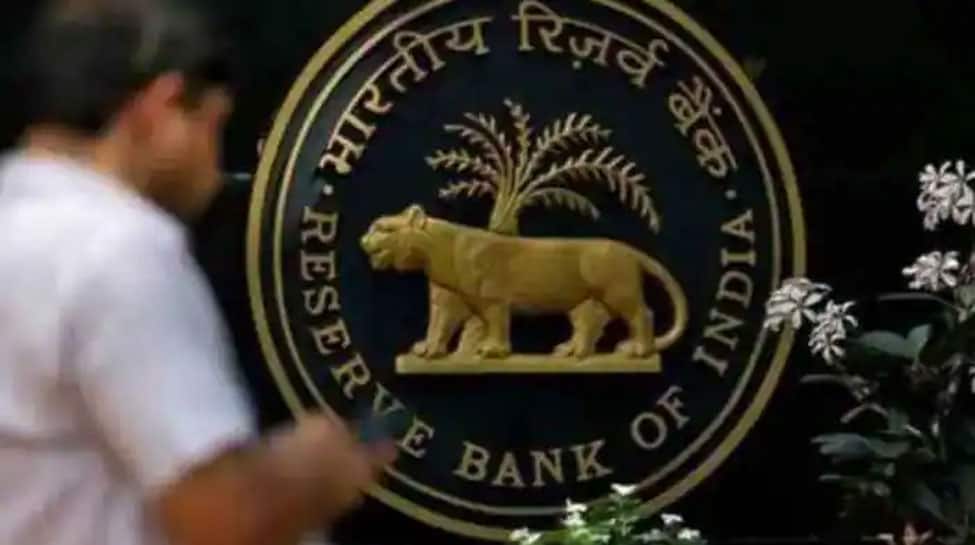
The Reserve Bank of India (RBI) has announced the premature redemption of Sovereign Gold Bonds (SGBs) under the 2020-21 Series VII, issued on October 20, 2020.
The redemption will be permitted on October 20, 2025, and the price has been fixed at Rs 12,792 per unit, which is a 153.25% gain over the issue price of Rs 5,051. This does not include the 2.5% annual interest income earned during the holding period.
“In terms of GOI notification F.No.4(4)-B(W&M)/2020 dated October 09, 2020 (SGB 2020-21 Series-VII-Issue date October 20, 2020) on Sovereign Gold Bond Scheme, premature redemption of Gold Bond may be permitted after fifth year from the date of issue of such Gold Bond on the date on which interest is payable. Accordingly, the due date of premature redemption of the above tranche shall be on October 20, 2025,” the RBI said in a statement dated October 17.
The redemption price has been calculated on the basis of the simple average of closing gold prices published by the India Bullion and Jewellers Association (IBJA) for the three business days – October 15, 16, and 17, 2025.
According to the SGB scheme, the gold bonds shall be repayable on the expiration of eight years from the date of the issue of the bonds. However, premature redemption of the bonds may be permitted after the fifth year from the date of issue of bonds and such repayments will be made on the next interest payment date.
Tax Treatment of Sovereign Gold Bonds
The interest on the SGBs is taxable as per the provisions of the Income-tax Act, 1961 (Section 43 of 1961). The capital gains tax arising on redemption of these bonds to an individual is exempted. The indexation benefits will be provided to long-term capital gains arising to any person on the transfer of the bonds.
Interest Rate On SGBs
Interest on the gold bonds, at an annual fixed rate of 2.5%, is credited semi-annually to the bank account of the investors.
What Is The Sovereign Gold Bonds Scheme?
The Sovereign Gold Bond (SGB) Scheme was launched by the Government of India in November 2015 as an alternative to owning physical gold. Issued by the Reserve Bank of India (RBI) on behalf of the Centre, these bonds were denominated in grams of gold and offered investors the dual benefit of earning a fixed annual interest (2.5% on the issue price) along with capital appreciation linked to gold prices. The scheme aimed to reduce India’s dependence on imported physical gold, curb hoarding, and channel household savings into financial assets.
Why Was The SGB Scheme Discontinued?
The government discontinued fresh issuances of SGBs in October 2023, citing that the scheme had largely achieved its objectives and that the cost of managing and servicing the bonds had grown significantly. Another key factor was the availability of other gold investment avenues such as Gold ETFs and digital gold, which reduced the need for periodic SGB issuances. However, existing bonds remain valid, and investors can hold them until maturity or opt for premature redemption as per the scheme’s rules.

Haris is Deputy News Editor (Business) at news18.com. He writes on various issues related to personal finance, markets, economy and companies. Having over a decade of experience in financial journalism, Haris h…Read More
Haris is Deputy News Editor (Business) at news18.com. He writes on various issues related to personal finance, markets, economy and companies. Having over a decade of experience in financial journalism, Haris h… Read More
October 18, 2025, 15:48 IST
Read More





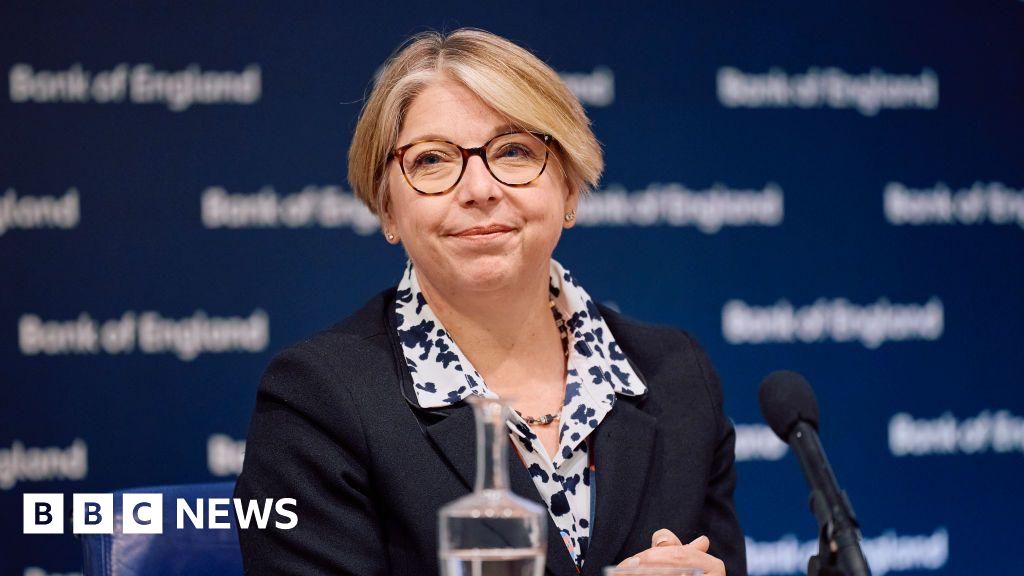
It is unusual for a senior figure at the Bank to be so forthright on market movements.
Source link

People walk past a Nike store in New York City, on April 2, 2025.
Kylie Cooper | Reuters
Nike announced a new round of layoffs Thursday affecting approximately 1,400 employees across the organization, mostly concentrated in its technology department.
In a note from COO Venkatesh Alagirisamy, the company said the layoffs were part of Nike’s broader “Win Now” turnaround strategy aiming to reshape its technology team, modernize its Air manufacturing, move some of its Converse Footwear operations and integrate its materials supply chain work into its footwear and apparel supply chain teams.
“Collectively, these changes will result in a reduction of approximately 1,400 roles in global operations, with the majority in technology,” Alagirisamy wrote. “These reductions are very hard for the teammates directly affected and for the teams around them, too.”
A Nike spokesperson said the layoffs are about better positioning the organization for the current pace of sports and accelerating its growth. The layoffs affect employees across North America, Asia and Europe and represent less than 2% of the company’s total global head count.
“This is not a new direction,” Alagirisamy wrote. “It is the next phase of the work already underway.”
Affected employees will be notified beginning Thursday, Nike added.
CEO Elliott Hill has been working to turn Nike around after years of slumping sales. While Hill has made some initial progress, it’s come with some bumps in the road.
Nike announced 775 job cuts in January, primarily at its U.S.-based distribution centers, due to the company’s work in accelerating its use of automation. At the time, the company said the cuts are part of Nike’s goal to return to “long-term, profitable growth.”
Those layoffs came on top of a round of cuts last summer that affected less than 1% of Nike’s corporate staff as part of the company’s efforts to realign the business.
In its third fiscal quarter earnings report last month, the retailer warned that sales will continue to fall for the rest of the year, primarily led by an anticipated 20% decline in China during the current quarter.
— CNBC’s Jessica Golden contributed to this report.

A key reason for the layoffs is Meta’s increased spending in other areas of the company, including AI, for which it will this year spend $135bn (£100bn). This is roughly equal to the amount it has spent on AI in the previous three years combined, according to a person who viewed the memo.


Rams make surprise first-round move, take Alabama QB Ty Simpson

Luke Grimes shares what disappoints ‘Yellowstone’ fans the most

US Special Forces Soldier Arrested for Polymarket Bets on Maduro Raid

-

 Fashion1 week ago
France’s LVMH Q1 revenue falls 6%, shows resilience amid Iran war
-

 Entertainment1 week ago
Is Claude down? Here’s why users are seeing errors
-

 Sports1 week ago
PSL 11: Peshawar Zalmi win toss, opt to field first against Quetta Gladiators
-

 Tech1 week ago
The Deepfake Nudes Crisis in Schools Is Much Worse Than You Thought
-
 Business1 week ago
Standard Life buys rival in £2b deal to create savings giant
-

 Tech1 week ago
CYBERUK ’26: UK lagging on legal protections for cyber pros | Computer Weekly
-

 Fashion1 week ago
Raymond unveils luxury Chairman’s Collection Store in Mumbai
-
 Business1 week ago
PepsiCo earnings beat estimates as North American food business improves