

Business
Stock markets at lifetime highs: What should investors do? Six mistakes to avoid – The Times of India


When optimism is in the air, it’s easy to lose discipline. Here are six behavioural traps that can quietly sabotage your wealth.
Letting overconfidence override disciplineThe powerful rally of the past 18–20 months has turned even reluctant investors into equity enthusiasts. Portfolio values have doubled in some cases, and many now believe they have cracked the code of stock selection. But much of the recent upside has come from broad market momentum, not superior research or clairvoyant stock picking. This misplaced confidence can quickly morph into reckless behaviour: bigger position sizes, riskier small-cap bets, and an urge to “prove” one’s skill by chasing more aggressive returns. Markets don’t reward bravado for long. A period of consolidation is often all it takes to expose the difference between luck and skill. Keeping position sizes modest and sticking to a process is more important now than ever.Exiting in panic after making gainsAt the other end of the spectrum are investors who want to cash out completely after earning healthy returns. Partial profit-booking is sensible, especially if valuations look stretched. But a total retreat from equities is rarely wise. Stocks remain the only mainstream asset class with a long-term track record of beating inflation and growing wealth meaningfully. Shifting entirely to fixed income at a time when real returns are thin can drag down your long-term portfolio performance. A better approach: trim frothy positions, rebalance, and keep your strategic equity exposure intact.Rushing in due to FOMOThose who stayed on the sidelines are now watching markets soar without them, and the temptation to “catch up” is intense. This is when investors make the costliest mistakes: lump-sum entries at overheated valuations, buying anything that’s moving, or mistaking rising prices for safety. Remember, even the best blue-chip stock can be a poor investment if you overpay for it. Valuations still matter. If you’re entering now, stagger investments, stick to high-quality names, and don’t let regret dictate your asset allocation.Falling for Tips in a Hot MarketA buoyant market is fertile ground for rumour-mongers, WhatsApp tipsters, and pump-and-dump operators. Scamsters exploit investor optimism by circulating narratives of “undiscovered multibaggers” and “guaranteed up-moves.” The trap is subtle: early tips may seem to work, reinforcing belief in the next one. But these operations are structured to benefit manipulators, not retail investors who get left holding worthless stocks. A simple rule: if you didn’t do the research, you shouldn’t buy the stock.Ignoring portfolio diversification and rebalancingWhen a particular asset class, especially equities, runs up sharply, portfolios can drift far from the original asset allocation. A portfolio that was meant to hold 60% equity may now be 75-80%, exposing the investor to far more risk than intended. Rebalancing forces discipline: it nudges you to sell what has become expensive and buy what is relatively undervalued. Yet very few investors actually do it. A concentrated portfolio may deliver higher returns in good times, but it can unravel just as quickly when markets correct. Investing with borrowed money: The Margin TrapOne of the most dangerous mistakes at market highs is buying stocks with borrowed money through margin trading facilities offered by brokers and banks. Leverage magnifies both gains and losses, and while it can seem tempting in a rising market, the risk-reward equation is brutally asymmetric. A 10-15% market decline, not unheard of during volatile phases, is enough to trigger margin calls, forcing investors to liquidate positions at a loss. In sharp corrections, even blue-chip stocks can fall faster than expected, wiping out capital and leaving the investor with debt to repay. Margin trading should be avoided entirely by long-term investors. If you do not have the cash to buy a stock, you are not ready to own it.Market highs are a test of temperament. Staying grounded, avoiding extreme decisions, and sticking to asset allocation are far more valuable than hunting for the next big winner. In investing, controlling behaviour is often more rewarding than predicting the market.


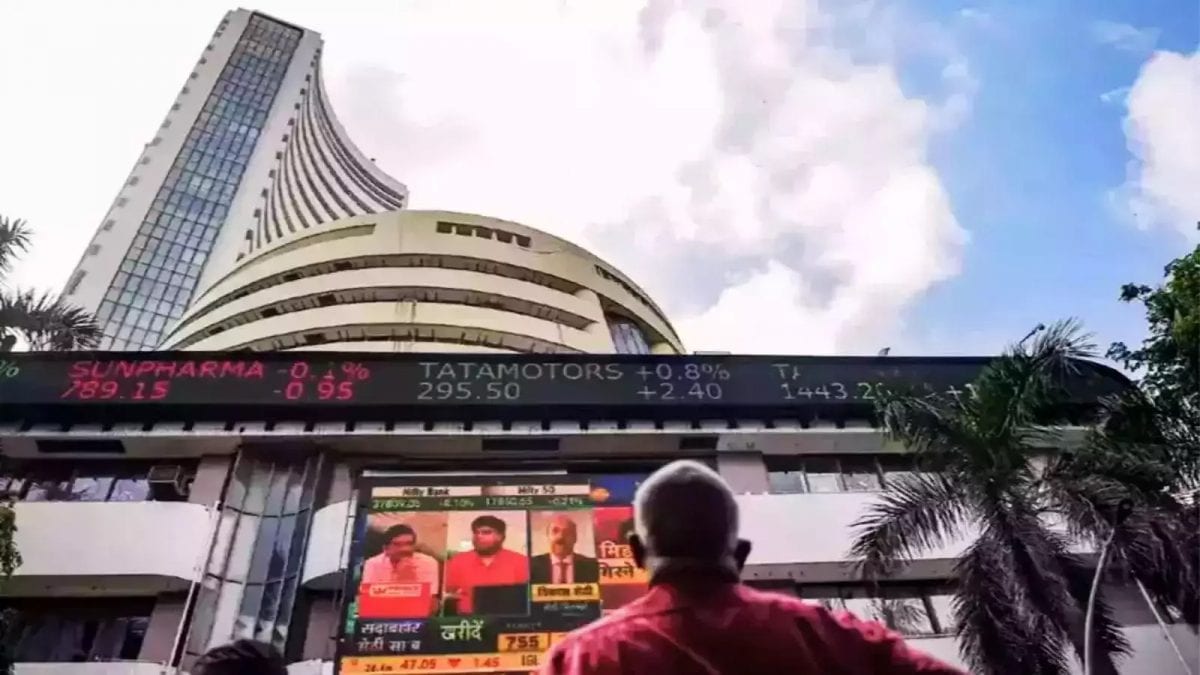



The conflict in the Middle East has rattled financial markets and global energy prices have soared.
Source link

Last Updated:
Petrol, Diesel Price On March 4: Check City-Wise Rates Across India Including In Delhi, Mumbai and Chennai.




Petrol, Diesel Prices On March 4.
Petrol and Diesel Prices on March 4, 2026: OMCs update petrol and diesel prices daily at 6 AM, aligning them with fluctuations in global crude oil prices and currency exchange rates. This daily revision promotes transparency and ensures consumers have access to the most up-to-date and accurate fuel prices.
Petrol Diesel Price Today In India
Check city-wise petrol and diesel prices on March 4:
| City | Petrol (₹/L) | Diesel (₹/L) |
|---|---|---|
| New Delhi | 94.72 | 87.62 |
| Mumbai | 104.21 | 92.15 |
| Kolkata | 103.94 | 90.76 |
| Chennai | 100.75 | 92.34 |
| Ahmedabad | 94.49 | 90.17 |
| Bengaluru | 102.92 | 89.02 |
| Hyderabad | 107.46 | 95.70 |
| Jaipur | 104.72 | 90.21 |
| Lucknow | 94.69 | 87.80 |
| Pune | 104.04 | 90.57 |
| Chandigarh | 94.30 | 82.45 |
| Indore | 106.48 | 91.88 |
| Patna | 105.58 | 93.80 |
| Surat | 95.00 | 89.00 |
| Nashik | 95.50 | 89.50 |
Key Factors Behind Petrol and Diesel Rates
Petrol and diesel prices in India have remained unchanged since May 2022, following tax reductions by the central and several state governments.
Oil Marketing Companies (OMCs) update fuel prices daily at 6 am, adjusting for fluctuations in global crude oil markets. While these rates are technically market-linked, they are also influenced by regulatory measures such as excise duties, base pricing frameworks, and informal price caps.
Key Factors Influencing Fuel Prices in India
-
Crude Oil Prices: Global crude oil prices are a primary driver of fuel prices, as crude is the main input in petrol and diesel production.
-
Exchange Rate: Since India relies heavily on crude oil imports, the value of the Indian rupee against the US dollar significantly affects fuel costs. A weaker rupee typically translates to higher prices.
-
Taxes: Central and state-level taxes constitute a major portion of retail fuel prices. Tax rates vary across states, leading to regional price differences.
-
Refining Costs: The cost of processing crude oil into usable fuel impacts retail prices. These costs can fluctuate depending on crude quality and refinery efficiency.
-
Demand-Supply Dynamics: Market demand also influences fuel pricing. Higher demand can push prices up as supply adjusts to consumption trends.
How to Check Petrol and Diesel Prices via SMS
You can easily check the latest petrol and diesel prices in your city through SMS. For Indian Oil customers, text the city code followed by “RSP” to 9224992249. BPCL customers can send “RSP” to 9223112222, and HPCL customers can text “HP Price” to 9222201122 to receive the current fuel prices.
 Click here to add News18 as your preferred news source on Google.
Follow News18 on Google. Join the fun, play games on News18. Stay updated with all the latest business news, including market trends, stock updates, tax, IPO, banking finance, real estate, savings and investments. To Get in-depth analysis, expert opinions, and real-time updates. Also Download the News18 App to stay updated.
March 04, 2026, 07:33 IST
Read More

Gold slumped more than 5%, ending a four-day rally on Tuesday. The metal was weighed down by a stronger dollar and fading prospects of an interest rate cut as inflation concerns intensified against the backdrop of a potentially prolonged conflict in West Asia. Spot gold was down 5.6% at $5,029.59 an ounce whereas prices had hit an over four-week high in the previous session. US gold futures lost 5.1% to $5,041.50.The US dollar, a competing safe-haven asset, rose to an over one-month peak, making dollar-priced bullion less affordable for holders of other currencies. US Treasury yields rose for a second consecutive session.Indian bullion traders and associations are speculating that gold could attain Rs 2 lakh per 10 gm and silver may well scale Rs 3.5 lakh per kg if the conflict does not abate swiftly.Spot silver fell 11.2% to $79.42 an ounce after climbing to a more than four-week high on Monday. As the Iran conflict entered its fourth day, crude oil benchmarks jumped over 8% in response.


European Commission, Switzerland sign broad package of agreements

Liverpool lose 9th of season in ‘same old story,’ Slot says
Asia stocks fall for third day, oil edges up as markets track Iran war

-

 Politics6 days ago
What are Iran’s ballistic missile capabilities?
-

 Politics6 days ago
US arrests ex-Air Force pilot for ‘training’ Chinese military
-
 Business1 week ago
Households set for lower energy bills amid price cap shake-up
-

 Sports1 week ago
Top 50 USMNT players of 2026, ranked by club form: USMNT Player Performance Index returns
-
 Business5 days ago
Attock Cement’s acquisition approved | The Express Tribune
-

 Fashion5 days ago
Policy easing drives Argentina’s garment import surge in 2025
-

 Sports6 days ago
Sri Lanka’s Shanaka says constant criticism has affected players’ mental health
-
 Business1 week ago
Lucid widely misses earnings expectations, forecasts continued EV growth in 2026