

Business
Stock markets tumble as oil prices surge in biggest weekly gain since 2020


Global stock markets have continued to take a hammering as oil prices rocketed in their biggest weekly gain for six years, with no sign of a swift resolution to the conflict in the Middle East.
London’s FTSE 100 Index slumped 1.6% lower at one stage before closing about 130 points, or 1.2%, lower at 10,284.75 on Friday.
Declines were compounded by heavy falls on Wall Street, with the S&P 500 and Dow Jones indexes down about 1.1% after European markets had closed.
Gloomy jobs data in the US were adding to market woes, and there were similar declines across Europe as the Dax in Germany and France’s Cac 40 were both 1.5% down at one stage, before paring back some of the losses to close 0.9% and 0.7% lower, respectively.
By Friday evening, benchmark Brent crude prices shot up by as much as another 10% to 94 US dollars a barrel, reaching levels not seen for three years, after Kuwait reportedly joined Qatar and said it was beginning to halt energy production.
The sharp gains since the US-Israel war with Iran began on Saturday mean oil prices have risen by more than 25% so far this week – the biggest weekly gains since early 2020 at the height of the Covid-19 pandemic.
Comments from US President Donald Trump that there would be no end to the conflict until an “unconditional surrender” of the Iranian regime has further dashed hopes of a de-escalation.
Kathleen Brooks, research director at XTB, said: “There is not much to stop (oil) from hitting 100 dollars per barrel in the near term.
“Until the oil price stabilises it’s hard to see how stock markets and bond prices can recover.”
She cautioned over further stock market falls next week.
“If the war continues to escalate over the weekend, we think that markets will continue to sell off, especially after the rapid increase in oil prices today,” she said.
UK Government borrowing costs have also risen sharply this week due to inflation fears.
The yields on 10-year government bonds, also known as gilts, have jumped from 4.27% at the start of the week to 4.62% on Friday, with fears that soaring fuel and energy bills will put paid to further interest rate cuts.
“The rapid repricing of monetary policy expectations and the UK’s history of high energy prices means that UK gilts are particularly vulnerable to this energy price spike,” Ms Brooks said.
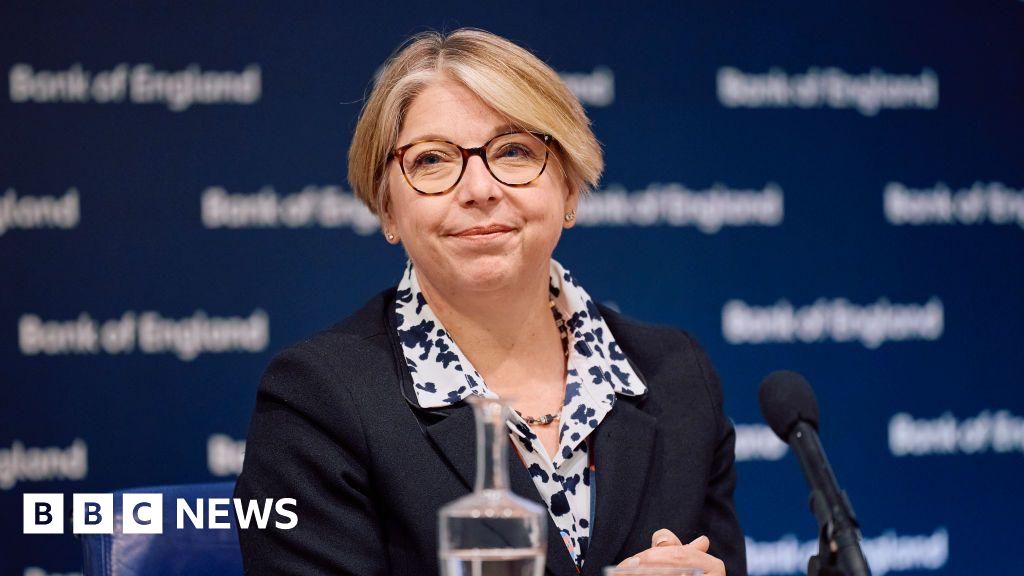
It is unusual for a senior figure at the Bank to be so forthright on market movements.
Source link

People walk past a Nike store in New York City, on April 2, 2025.
Kylie Cooper | Reuters
Nike announced a new round of layoffs Thursday affecting approximately 1,400 employees across the organization, mostly concentrated in its technology department.
In a note from COO Venkatesh Alagirisamy, the company said the layoffs were part of Nike’s broader “Win Now” turnaround strategy aiming to reshape its technology team, modernize its Air manufacturing, move some of its Converse Footwear operations and integrate its materials supply chain work into its footwear and apparel supply chain teams.
“Collectively, these changes will result in a reduction of approximately 1,400 roles in global operations, with the majority in technology,” Alagirisamy wrote. “These reductions are very hard for the teammates directly affected and for the teams around them, too.”
A Nike spokesperson said the layoffs are about better positioning the organization for the current pace of sports and accelerating its growth. The layoffs affect employees across North America, Asia and Europe and represent less than 2% of the company’s total global head count.
“This is not a new direction,” Alagirisamy wrote. “It is the next phase of the work already underway.”
Affected employees will be notified beginning Thursday, Nike added.
CEO Elliott Hill has been working to turn Nike around after years of slumping sales. While Hill has made some initial progress, it’s come with some bumps in the road.
Nike announced 775 job cuts in January, primarily at its U.S.-based distribution centers, due to the company’s work in accelerating its use of automation. At the time, the company said the cuts are part of Nike’s goal to return to “long-term, profitable growth.”
Those layoffs came on top of a round of cuts last summer that affected less than 1% of Nike’s corporate staff as part of the company’s efforts to realign the business.
In its third fiscal quarter earnings report last month, the retailer warned that sales will continue to fall for the rest of the year, primarily led by an anticipated 20% decline in China during the current quarter.
— CNBC’s Jessica Golden contributed to this report.

A key reason for the layoffs is Meta’s increased spending in other areas of the company, including AI, for which it will this year spend $135bn (£100bn). This is roughly equal to the amount it has spent on AI in the previous three years combined, according to a person who viewed the memo.


US Special Forces Soldier Arrested for Polymarket Bets on Maduro Raid
Global stock markets are too high and set to fall, says Bank of England deputy

Newly Deciphered Sabotage Malware May Have Targeted Iran’s Nuclear Program—and Predates Stuxnet

-

 Fashion1 week ago
France’s LVMH Q1 revenue falls 6%, shows resilience amid Iran war
-

 Entertainment1 week ago
Is Claude down? Here’s why users are seeing errors
-

 Sports1 week ago
PSL 11: Peshawar Zalmi win toss, opt to field first against Quetta Gladiators
-

 Tech1 week ago
The Deepfake Nudes Crisis in Schools Is Much Worse Than You Thought
-
 Business1 week ago
Standard Life buys rival in £2b deal to create savings giant
-

 Tech1 week ago
CYBERUK ’26: UK lagging on legal protections for cyber pros | Computer Weekly
-

 Fashion1 week ago
Raymond unveils luxury Chairman’s Collection Store in Mumbai
-
 Business1 week ago
PepsiCo earnings beat estimates as North American food business improves