

Fashion
Sweden’s H&M unveils opulent holiday 2025 partywear collection

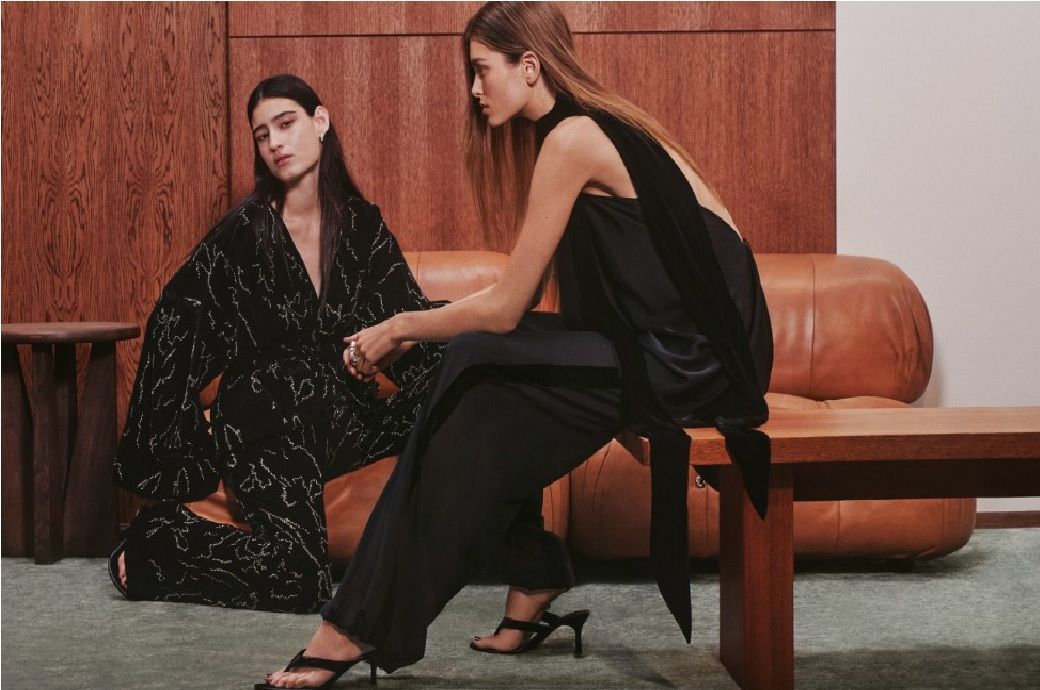
Standout pieces include a black embellished velvet kimono-style jacket with matching trousers, a black open-back sleeveless satin top with velvet tie at the neck and sheer balloon trousers with velvet side panels, a range of decadent draped dresses and tops, and a sharp double-breasted black tuxedo with a black waterfall bandeau top.
H&M’s Holiday 2025 collection celebrates opulence with a high-fashion edge, featuring velvet, satin, faux fur and leather across dramatic silhouettes, statement knits and sharp tailoring.
With rich hues and bold textures, the range for women, men and kids embodies elevated festive glamour.
Launches in select stores and online from November 6, 2025.
“There’s a real party mood this holiday season, but in a more lavish, sensual way. Everything feels elevated – luxe fabrics like velvet, satin, faux fur and leather, elaborate draping, slim suits and hyper-textured knits. The look is powerful and exquisite at the same time. Each piece from the collection is worthy of a moment,” says Eliana Masgalos Duarte, Womenswear Design Director at H&M.
The colour palette is rich and restrained with black, white, grey, browns, burgundy and mossy greens. Textures are key, from luxe velvet, lurex and sequins in new techniques to faux fur, shearling, leather, and brushed knits, loop knits and tassels.
For accessories, faux fur reigns supreme, from bags and shoes to hats, while jewellery is big and bold.
For the Holiday 2025 menswear, there’s a similar confidence and opulence, though more relaxed in silhouette. Sartorial ease comes in the form of hairy textures, subtle sheen and velvet touch denim. Key pieces include a statement parka, a washed shearling jacket, cosy heritage knits and boxy pinstripe suits with drapey shirts. The blend of timeless craftsmanship and modern versatility makes the collection smart and stylish.
Note: The headline, insights, and image of this press release may have been refined by the Fibre2Fashion staff; the rest of the content remains unchanged.
Fibre2Fashion News Desk (RM)









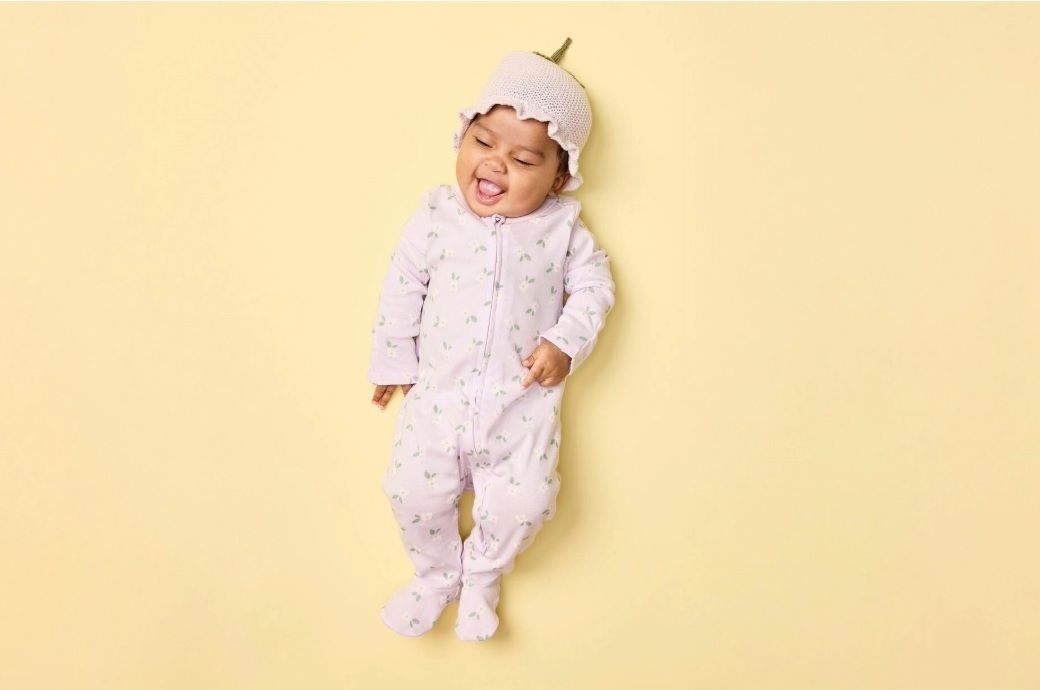
“We designed this collection with parents in mind. Shopping for a newborn, as a gift or for your own, should feel joyful and easy. Everything is intended to be mixed together and matched — it’s fun, it’s emotional, and the value is incredible.”. – Sarah Holme, Head of Design & Product Development for Old Navy.
Old Navy has introduced Little Navy, a new collection of newborn essentials designed to simplify early-stage shopping and gifting.
The range includes layettes, hats, booties and mix-and-match basics in soft, seasonless colours and cosy fabrics.
Sized for babies up to 24 months, the line focuses on comfort, versatility, emotional appeal and strong value for modern parents.
Little Navy goes beyond onesies, offering layettes, hats, booties, and more, all in one convenient collection and no extra searching required. It features a soft, seasonless color palette, cozy fabrics, and versatile styles made for newborns and babies up to 24 months, with sizing that allows Little Navy to grow with baby.
Note: The headline, insights, and image of this press release may have been refined by the Fibre2Fashion staff; the rest of the content remains unchanged.
Fibre2Fashion News Desk (RM)
They said bank audit procedures have stalled numerous applications. Around Tk 57 billion in incentives for the textile and apparel sector remain unsettled in fiscal 2025-26, creating acute liquidity pressure and affecting exports.
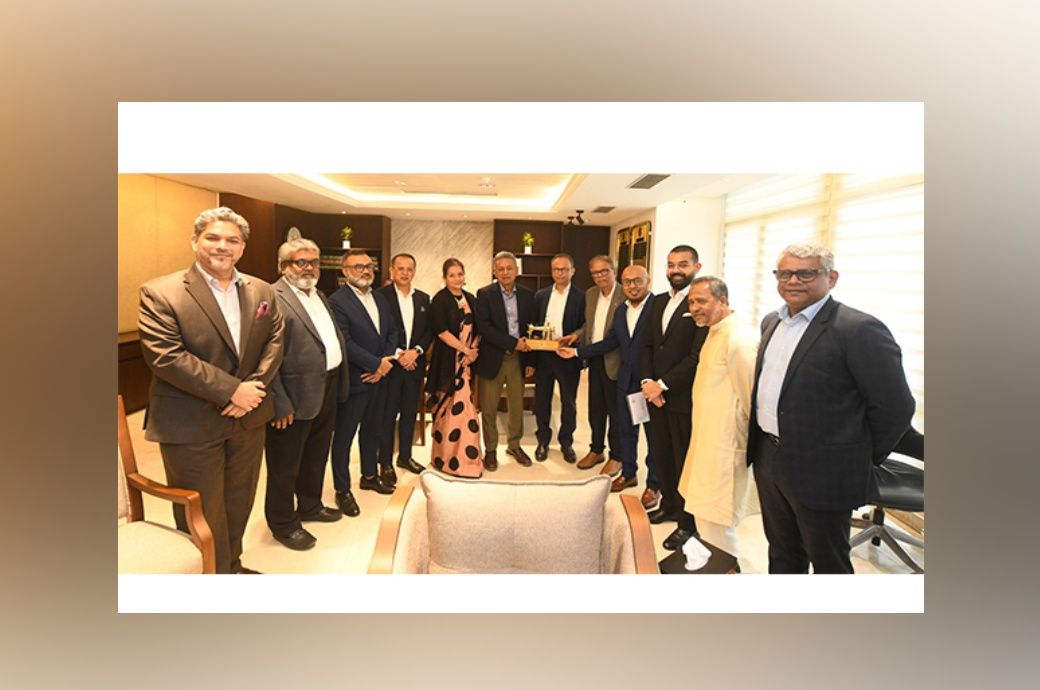
Bangladesh trade body BGMEA representatives recently met Finance Minister Amir Khasru Mahmud Chowdhury and urged him to release pending cash incentives without waiting for quarterly release schedules and simplify the disbursement process.
They said bank audit procedures have stalled numerous applications.
They also raised concerns over loan rescheduling and working capital.
The authorities were requested to disburse incentives upon application submission instead of waiting for quarterly release schedules, according to a release from the trade body.
BGMEA vice president Mohammad Shihab Uddoja Chowdhury raised concerns over loan rescheduling and working capital. He said banks often reschedule loans to maintain non-performing loan ratios, but fail to provide the working capital factories need to resume operations.
He proposed that banks pair rescheduling with working capital support to create a win-win outcome, allowing factories to operate and repay loans. The finance minister agreed with the proposal.
BGMEA leaders also called for business facilitation and lower operational costs to help Bangladesh remain competitive in the global market. They sought policy support to remove obstacles in customs, ports and other administrative layers and to ensure an investment-friendly environment.
Fibre2Fashion News Desk (DS)
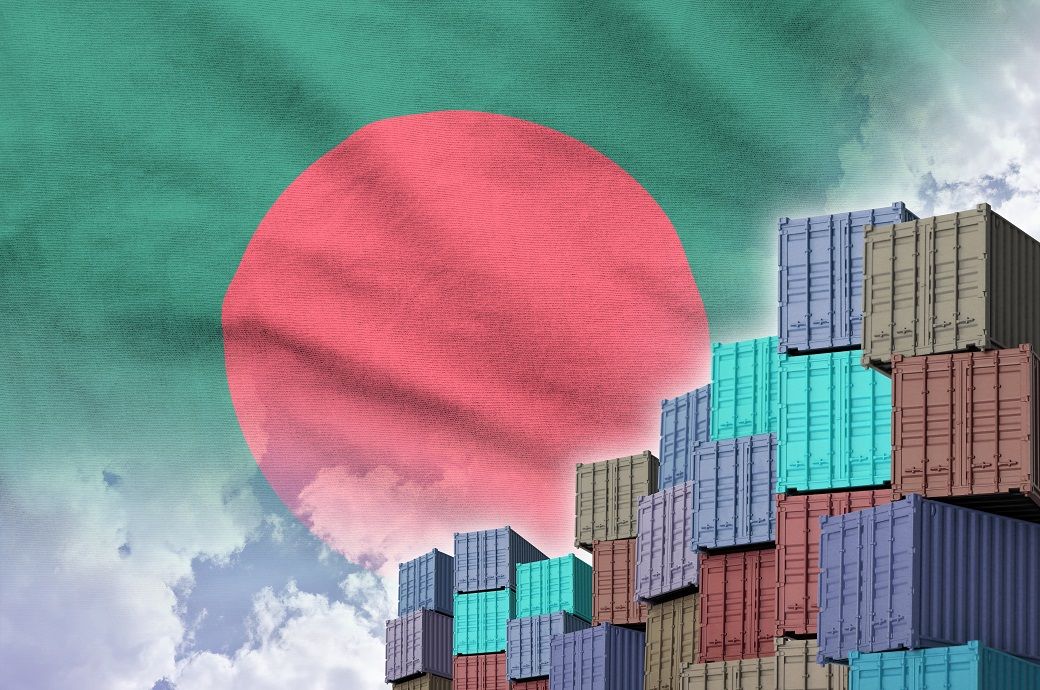
Bangladesh think tank Centre for Policy Dialogue has called for major reforms in business environment, tax collection, trade deals and FDI management, cautioning that the country’s post-election economic transition may be at risk without evidence-based decisions and strong accountability.
A CPD study identified ‘leaking revenue’ as the weakest area across all decision-making indicators.
Source link


Billie Eilish crawls into her past with Justin Bieber
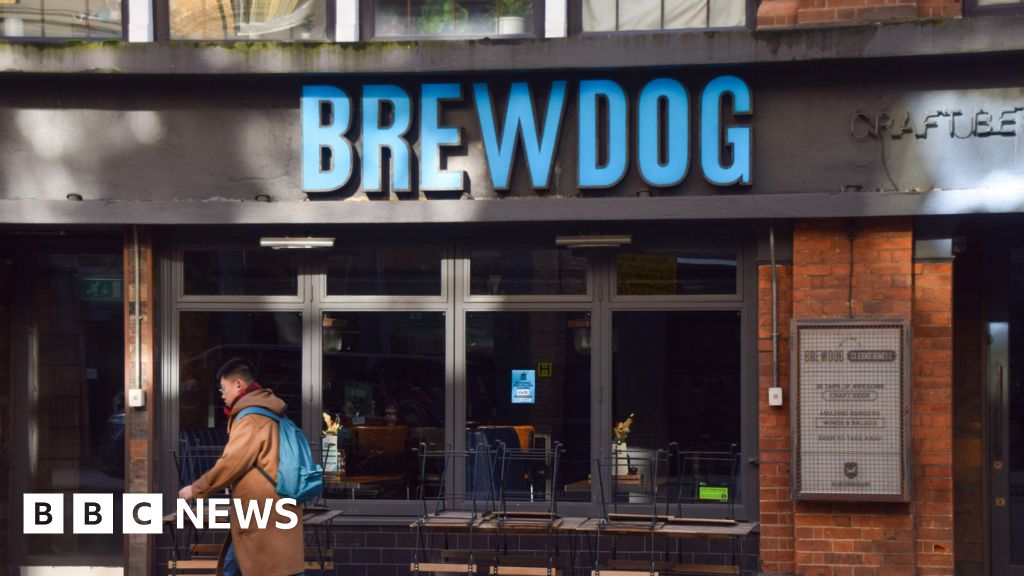
Brewdog: Bars close and hundreds lose jobs as beer firm sold in £33m deal

IRGC targets US intelligence centers, military depots in 11th wave of attacks

-
 Business6 days ago
Households set for lower energy bills amid price cap shake-up
-
 Entertainment1 week ago
Talking minerals and megawatts
-
 Business6 days ago
Lucid widely misses earnings expectations, forecasts continued EV growth in 2026
-

 Sports1 week ago
Eileen Gu comments on Alysa Liu’s historic gold medal
-

 Entertainment1 week ago
Hailee Steinfeld shares big life update amid excitement for baby’s arrival
-
 Politics1 week ago
Supreme Court ruling angers Trump: Global tariffs to rise from 10% to 15%
-

 Sports1 week ago
South Africa thrash India by 76 runs in T20 World Cup Super 8 – SUCH TV
-
 Business1 week ago
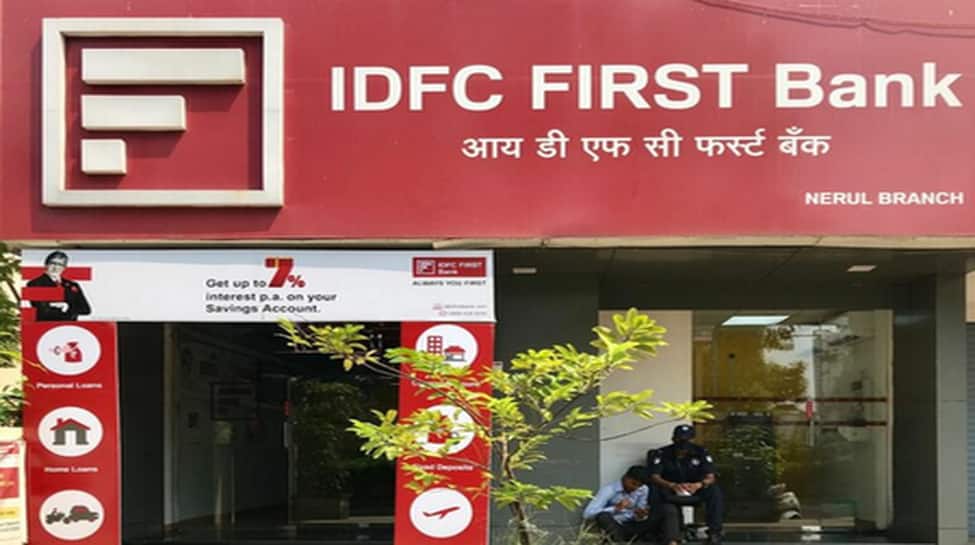
Haryana Govt bars IDFC First Bank, AU Small Finance Bank over alleged Rs 590 crore fraud