

Fashion
Switzerland’s Richemont reports robust H1 as Q2 sales surge 14%

The growth accelerated sharply in the second quarter, with sales rising 14 per cent at constant rates and 8 per cent at actual rates, reflecting broad-based momentum across regions and business areas.
Richemont has delivered sales of €10.6 billion (~$12.30 billion) in H1, an increase of 10 per cent YoY at constant rates, with Q2 accelerating to 14 per cent.
Operating profit rose to €2.4 billion (~$2.78 billion) and net profit reached €1.8 billion.
All regions saw double-digit Q2 gains.
Strong cash flow and solid liquidity supported continued investment despite ongoing macroeconomic pressures.
The group recorded operating profit of €2.4 billion, an increase of 7 per cent at actual exchange rates and 24 per cent at constant rates, resulting in a 22.2 per cent operating margin. Profit for the period surged to €1.8 billion, supported by continued operations and the absence of last year’s €1.2 billion non-cash write-down from discontinued operations. Richemont’s net cash position remained solid at €6.5 billion, bolstered by €1.9 billion in cash flow from operating activities.
After 18 challenging months in the global watch market, the Specialist Watchmakers division posted a slower sales decline of 6 per cent (-2 per cent at constant rates) to €1.6 billion. Q2 delivered encouraging improvement with sales rising 3 per cent at constant rates, even as volatile demand in China and additional US tariffs weighed on performance. Operating margin stood at 3.2 per cent, Richemont said in a press release.
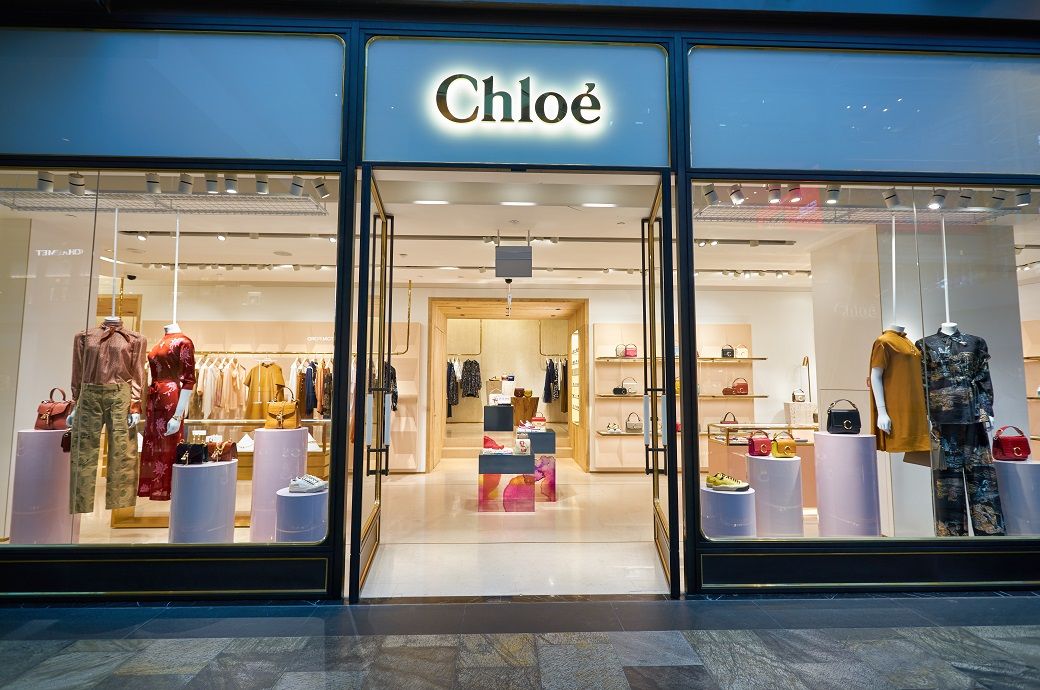
Sales in the ‘Other’ business area were broadly stable, down 1 per cent at actual rates but up 2 per cent at constant rates, with Q2 contributing a 6 per cent rise at constant rates. Fashion & Accessories Maisons, including Alaia, Peter Millar and Chloe, delivered stronger performance, though the segment posted a €42 million operating loss.
All regions registered double-digit growth in Q2 at constant exchange rates. Europe, the Americas, and the Middle East & Africa delivered strong first-half results, while China, Hong Kong, Macau and Japan returned to growth in Q2. Asia Pacific overall remained stable for the half, with South Korea and Australia continuing double-digit momentum.
Direct-to-client sales comprised 76 per cent of total revenue, consistent with last year, while retail sales grew 6 per cent. Wholesale sales increased 5 per cent at actual exchange rates, supported by double-digit gains in Europe, the Americas, and the Middle East & Africa.
The operating cash flow rose 48 per cent to €1.85 billion, supported by profit growth, lower working capital needs and gains from hedging activities. Inventory levels increased to €9.6 billion, reflecting 18.1 months of inventory rotation, but remained manageable. The dividend payout of CHF 3.00 per share accounted for the largest outflow in the period, contributing to a reduction in net cash since March 2025, though the group remains well-capitalised.
Richemont expects the operating environment to remain challenging, with continued geopolitical and economic pressures, elevated material costs and ongoing exchange rate volatility. Despite this, the group remains committed to investing in long-term growth, expanding manufacturing capabilities, and strengthening its distribution network.
Richemont closed the period with momentum in key regions and business areas, reaffirming its confidence in the group’s strategic direction and long-term value creation, added the release.
Fibre2Fashion News Desk (SG)










“We designed this collection with parents in mind. Shopping for a newborn, as a gift or for your own, should feel joyful and easy. Everything is intended to be mixed together and matched — it’s fun, it’s emotional, and the value is incredible.”. – Sarah Holme, Head of Design & Product Development for Old Navy.
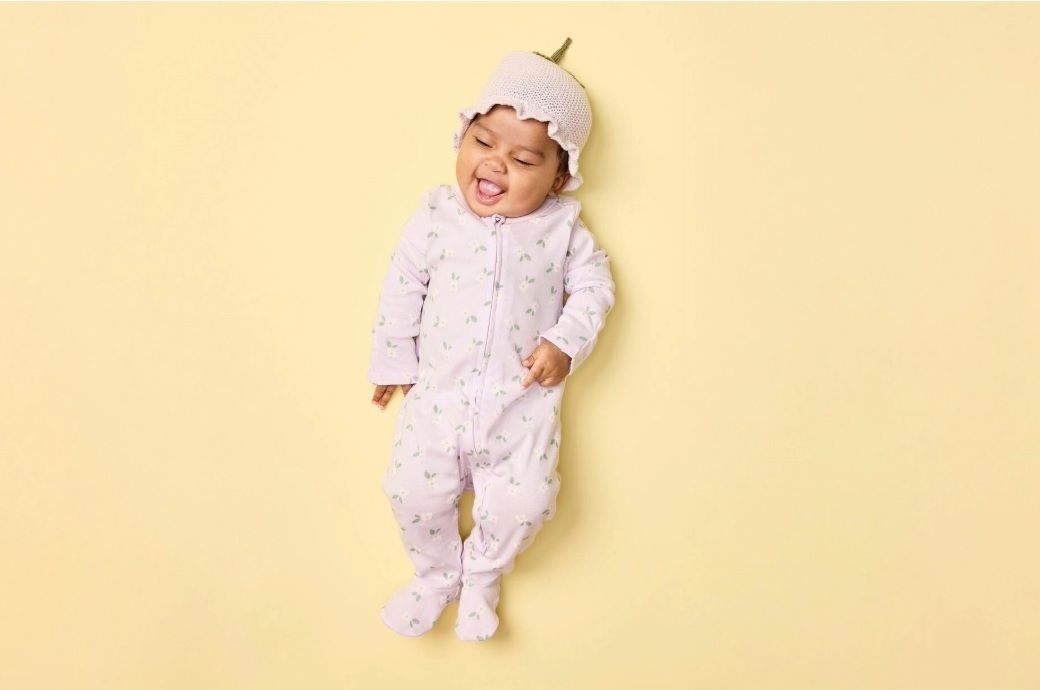
Old Navy has introduced Little Navy, a new collection of newborn essentials designed to simplify early-stage shopping and gifting.
The range includes layettes, hats, booties and mix-and-match basics in soft, seasonless colours and cosy fabrics.
Sized for babies up to 24 months, the line focuses on comfort, versatility, emotional appeal and strong value for modern parents.
Little Navy goes beyond onesies, offering layettes, hats, booties, and more, all in one convenient collection and no extra searching required. It features a soft, seasonless color palette, cozy fabrics, and versatile styles made for newborns and babies up to 24 months, with sizing that allows Little Navy to grow with baby.
Note: The headline, insights, and image of this press release may have been refined by the Fibre2Fashion staff; the rest of the content remains unchanged.
Fibre2Fashion News Desk (RM)
They said bank audit procedures have stalled numerous applications. Around Tk 57 billion in incentives for the textile and apparel sector remain unsettled in fiscal 2025-26, creating acute liquidity pressure and affecting exports.
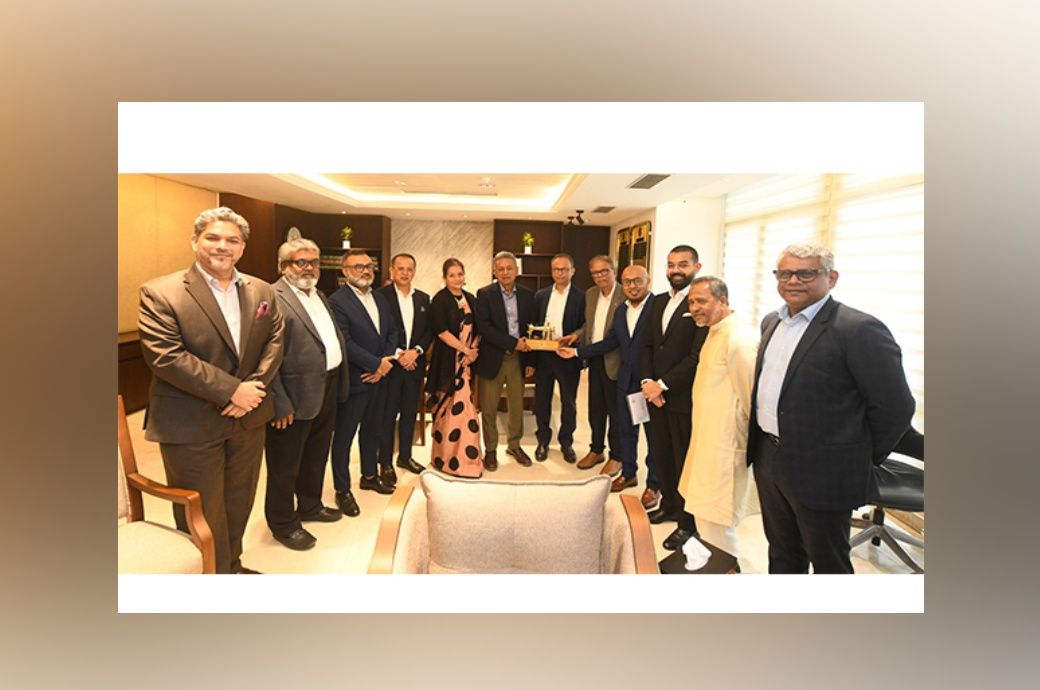
Bangladesh trade body BGMEA representatives recently met Finance Minister Amir Khasru Mahmud Chowdhury and urged him to release pending cash incentives without waiting for quarterly release schedules and simplify the disbursement process.
They said bank audit procedures have stalled numerous applications.
They also raised concerns over loan rescheduling and working capital.
The authorities were requested to disburse incentives upon application submission instead of waiting for quarterly release schedules, according to a release from the trade body.
BGMEA vice president Mohammad Shihab Uddoja Chowdhury raised concerns over loan rescheduling and working capital. He said banks often reschedule loans to maintain non-performing loan ratios, but fail to provide the working capital factories need to resume operations.
He proposed that banks pair rescheduling with working capital support to create a win-win outcome, allowing factories to operate and repay loans. The finance minister agreed with the proposal.
BGMEA leaders also called for business facilitation and lower operational costs to help Bangladesh remain competitive in the global market. They sought policy support to remove obstacles in customs, ports and other administrative layers and to ensure an investment-friendly environment.
Fibre2Fashion News Desk (DS)

Bangladesh think tank Centre for Policy Dialogue has called for major reforms in business environment, tax collection, trade deals and FDI management, cautioning that the country’s post-election economic transition may be at risk without evidence-based decisions and strong accountability.
A CPD study identified ‘leaking revenue’ as the weakest area across all decision-making indicators.
Source link


US’ Old Navy launches little navy, a new newborn essentials collection

Super-rich pay up to $350,000 for private jet evacuations as Middle East conflict escalates

5 key takeaways from Pete Hegseth’s Pentagon press conference on Iran-US war

-

 Politics1 week ago
Pakistan carries out precision strikes on seven militant hideouts in Afghanistan
-

 Tech1 week ago
These Cheap Noise-Cancelling Sony Headphones Are Even Cheaper Right Now
-

 Sports1 week ago
Kansas’ Darryn Peterson misses most of 2nd half with cramping
-

 Entertainment1 week ago
Viral monkey Punch makes IKEA toy global sensation: Here’s what it costs
-
Sports1 week ago
Mike Eruzione and the ‘Miracle on Ice’ team are looking for some company
-
 Business6 days ago
Households set for lower energy bills amid price cap shake-up
-

 Entertainment1 week ago
Talking minerals and megawatts
-

 Sports1 week ago
Barcelona players having ‘open and honest’ meetings to arrest poor form – Hansi Flick