

Fashion
Tala to open second UK store at Westfield London this autumn


Published
September 18, 2025
Tala continues to embrace physical retail, with the activewear brand preparing to open its second UK store at Westfield London, White City, “later this autumn”.
Following on from its successful flagship store launch on London’s Carnaby Street in May, the new 1,900 sq ft, single-level store “marks another major milestone in Tala’s transformation from a leading e-commerce disruptor into a global omnichannel brand”, it said.
Building on the momentum of Carnaby Street, “which has exceeded expectations across sales, footfall and brand awareness since opening”, it said the Westfield London location positions Tala “at the heart of one of the UK’s most commercially significant shopping destinations”.
So Westfield London customers can expect an “impactful” signature leggings wall, a large number of fitting rooms, and easy-to-shop accessory fixtures, “all showcasing Tala’s quality, flattering, solution-based products”, across outerwear, activewear and loungewear collections such as DayFlex and 365.
Tala CEO Morgan Fowles said: “Our Carnaby Street flagship has exceeded all of our expectations — commercially, awareness felt across every channel, and in all the other ways possible with a physical space and product available in real time.
“Retail works for Tala – it’s become one of our highest-converting and most brand-enhancing channels. Westfield London gives us the opportunity to build on our momentum with key points of difference – access to a different customer, shopping in a different context, as well as the flexibility to test new formats. It’s a strategic move that sets us up for future expansion, both across the UK and in international markets, but crucially will exist to serve our customers, current and future.”
Tala founder Grace Beverley added: “Our community response to our first store has been incredible, both from our loyal customer base who have been on this journey with us, and with so many new customers discovering Tala for the first time. Physical retail is more than just a sales channel for us — it’s a way for people to experience Tala in a tangible, memorable way.”
Tala also noted its retail strategy goes far beyond the two London stores, having established a strong wholesale and shop-in-shop presence. This includes partnerships with Selfridges, Anthropologie, END., Ounass and ASOS, across the UK, the Middle East and Europe. Alongside this, it notes the brand “continues to build a loyal customer base in the USA through e-commerce”.
Copyright © 2025 FashionNetwork.com All rights reserved.





PTA prices recorded notable declines across key Asian benchmarks, tracking crude oil weakness rooted in evolving geopolitical signals. The correction was broad-based, spanning China, Southeast Asia, and South Korea, while India**;s CIF price held steady reflecting the lag in import contract structures and limited spot availability in the domestic market on the day.
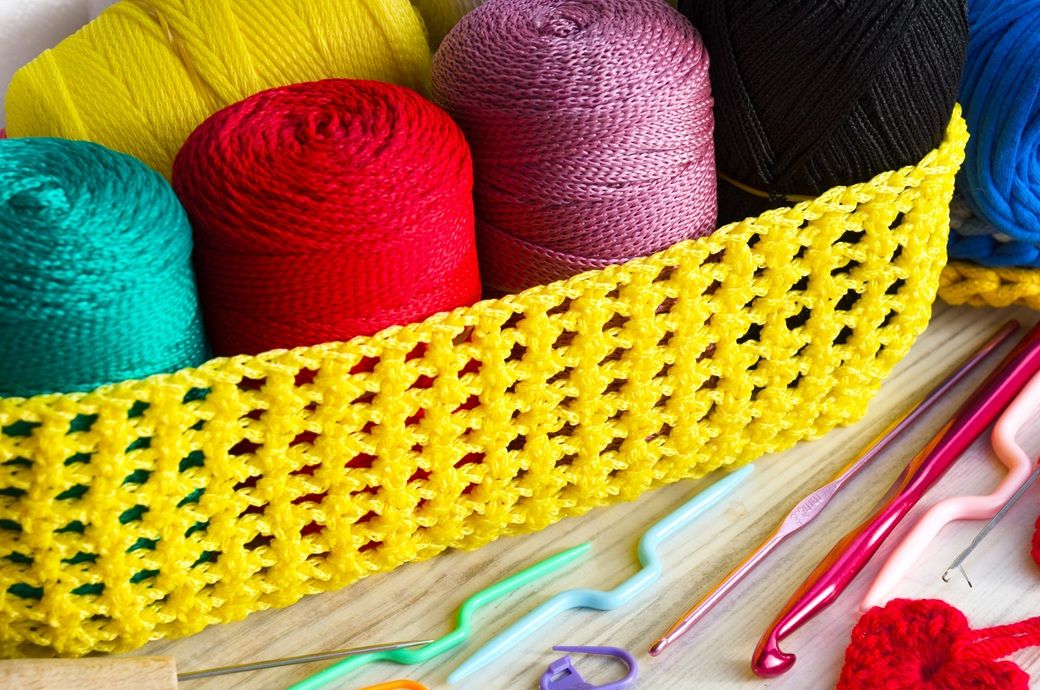
The *** per cent Polyester Yarn market witnessed a slightly negative trend during the assessed period, with mild price corrections observed across both yarn grades in the Asia Free on Board (FOB) China market. Prices for **s (*** per cent polyester yarn) declined from around $*.***/kg to nearly $*.***/kg, registering a decrease of approximately *.** per cent.
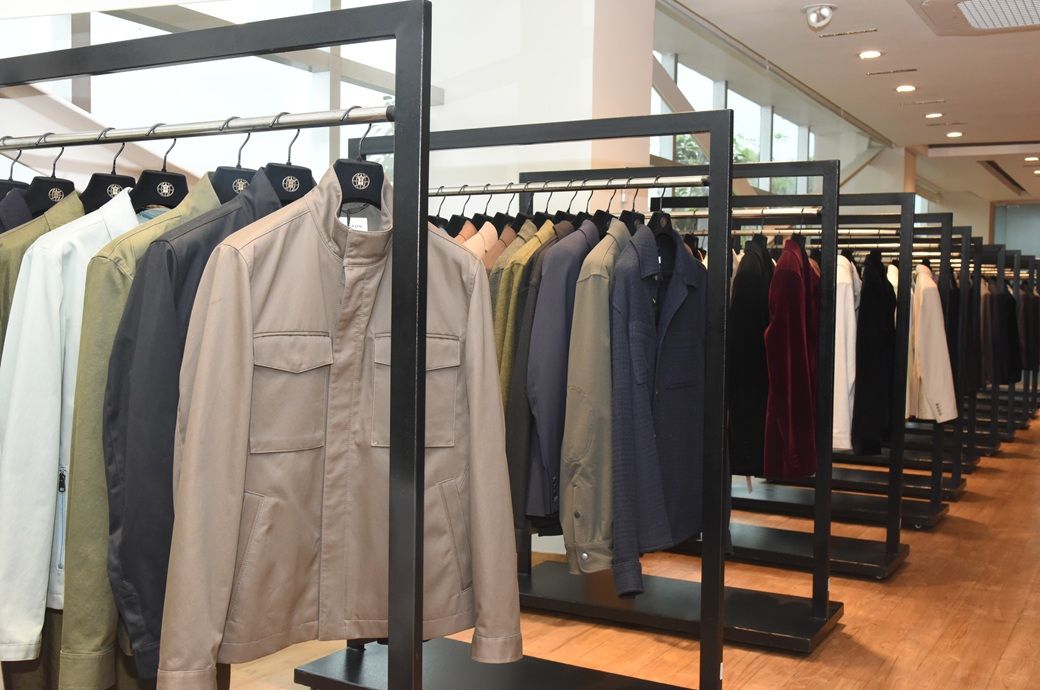
The pivot is urgent because the old model is under pressure. April **** looked strong: Ready-Made Garment (RMG) exports rose **.** per cent year on year to $*.** billion. But the ten-month picture is weaker. From July-April FY****–**, apparel exports stood at $**.** billion, down *.** per cent. Knitwear fell *.** per cent to $**.** billion; woven fell *.** per cent to $**.** billion. The rebound is real, but so is the drag underneath.
AWARE is the sharpest EU-facing signal: blockchain-backed product data for Digital Product Passport (DPP) readiness. Open Supply Hub adds the factory-identity layer, pushing production information into an open platform. GIZ brings the longer reform spine, from May **** to February ****, covering energy efficiency, circularity, chemical management, renewable-energy skills and textile-waste transparency.
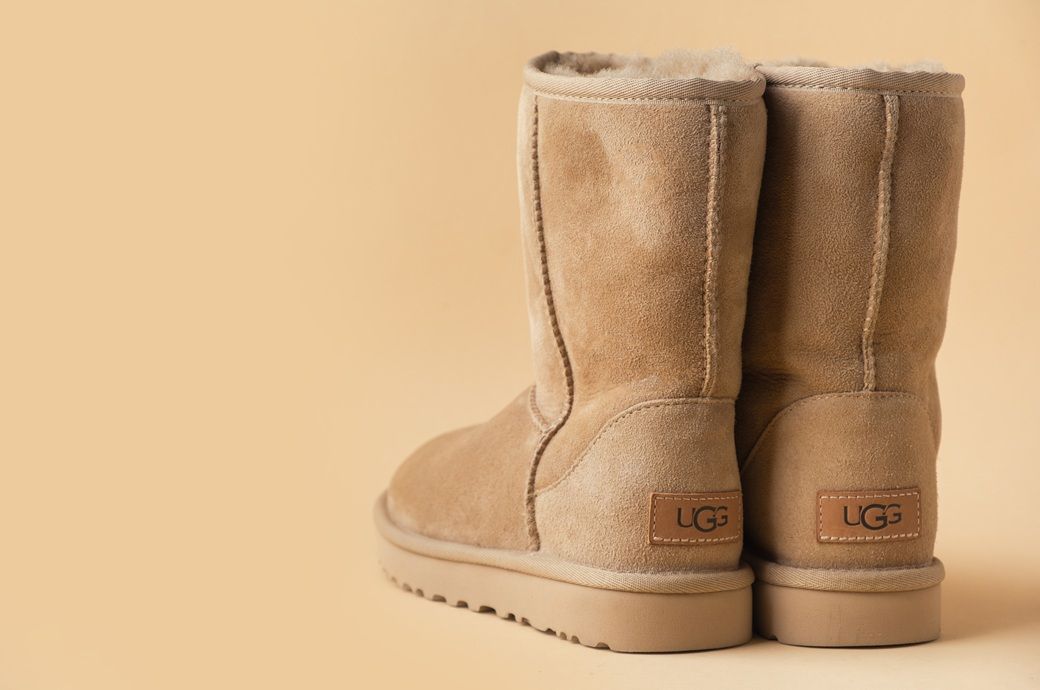
Kenneth Straka, Senior Product Development Manager at Deckers Outdoor Corporation, said that Deckers places strong emphasis on sustainability, noting that founder John Luke often reminded the team that the French word for sustainability is durability. This idea aligned with discussions at the Global Fashion Summit, where the theme centred on “Building Resilient Futures” in the sustainable and circular economy.
Durability has helped UGG become one of the most sought-after boot brands and a key sales driver for Deckers, alongside its sportswear brand Hoka. “One of the things we think about in terms of circularity is making products that last a long time and remain with consumers throughout their lives. We want products that consumers can wear for ** or ** years,” Straka said in an interview with Fibre*Fashion on the sidelines of the Global Fashion Summit in Copenhagen.


Polyester yarn prices ease as PTA weakens on limited demand

The border as lifeline

Bangladesh apparel reset: Compliance edge or energy trap?

-

 Entertainment5 days ago
Conan O’Brien hat tricks as Oscar host
-
 Tech1 week ago
Could Contact-Tracing Apps Help With the Hantavirus? Not Really
-

 Tech1 week ago
I Tried the Best Captioning Smart Glasses, and Only One Leads the Pack
-
 Fashion5 days ago
Italy’s Zegna Group’s Q1 growth boosted by strong organic performance
-

 Sports1 week ago
Bobby Cox, legendary Atlanta Braves manager who led 1995 World Series champions, dead at 84
-

 Entertainment1 week ago
Martin Short: Facing tragedy with joy
-

 Entertainment1 week ago
Tom Brady gets back at Kevin Hart during Netflix roast
-

 Entertainment1 week ago
Martha Stewart: How to make an omelet