

Business
Tariff jitters: US consumer confidence slips in December; inflation and jobs worries deepen – The Times of India

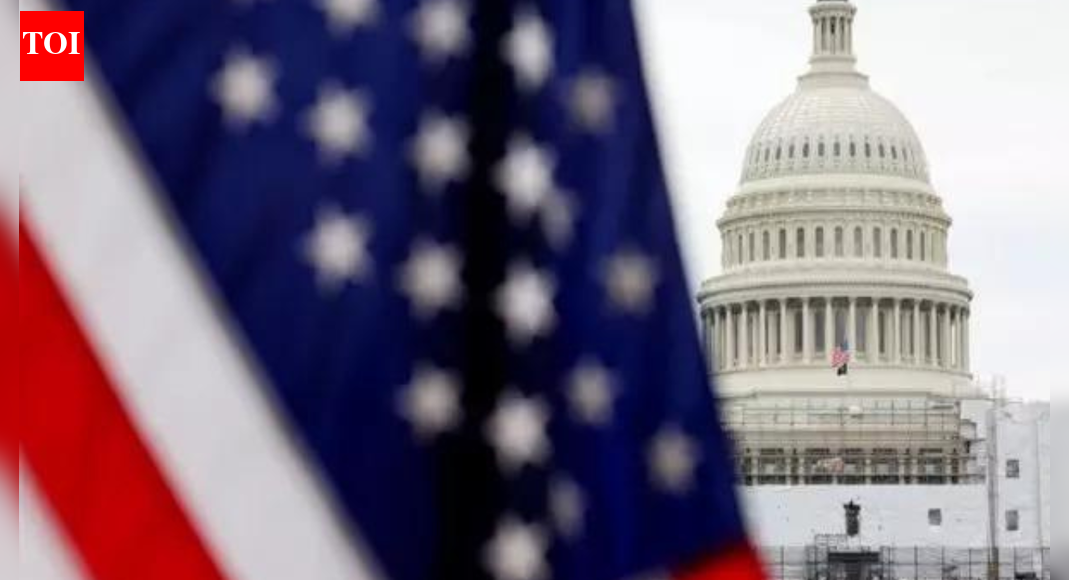
US consumer confidence weakened in December, sliding to its lowest level since President Donald Trump rolled out sweeping tariffs earlier this year, as households grew more anxious about high prices, trade levies and job prospects, according to a survey by the Conference Board.The Conference Board said its consumer confidence index fell 3.8 points to 89.1 in December from an upwardly revised 92.9 in November, AP reported. The reading is close to the 85.7 level recorded in April, when the Trump administration introduced import taxes on key US trading partners, AP reported.Consumers’ assessment of current economic conditions saw a sharper drop. The present situation index fell 9.5 points to 116.8, reflecting growing unease about inflation and employment conditions. Write-in responses to the survey showed that prices and inflation remained the biggest concern for consumers, alongside tariffs.Short-term expectations for income, business conditions and the labour market were little changed at 70.7, but remained well below 80 — a threshold that can signal a recession ahead. This was the 11th straight month that expectations stayed under that level.Perceptions of the job market also weakened. The share of consumers who said jobs were “plentiful” fell to 26.7% in December from 28.2% in November, while those who said jobs were “hard to get” rose to 20.8% from 20.1%.The softer sentiment follows recent labour market data showing mixed signals. Government figures released last week showed the US economy added 64,000 jobs in November after losing 105,000 jobs in October. The unemployment rate climbed to 4.6% last month, its highest level since 2021.Economists say the labour market is stuck in a “low hire, low fire” phase, as companies remain cautious amid uncertainty over tariffs and the lingering effects of high interest rates. Since March, average monthly job creation has slowed to about 35,000, down from 71,000 in the year ended March. Federal Reserve chair Jerome Powell has said he suspects those figures could be revised even lower, AP reported.





Business
‘India solidly through global shocks’: EAM Jaishankar calls for ‘hedge, de-risk, diversify’ strategy amid Iran war – The Times of India
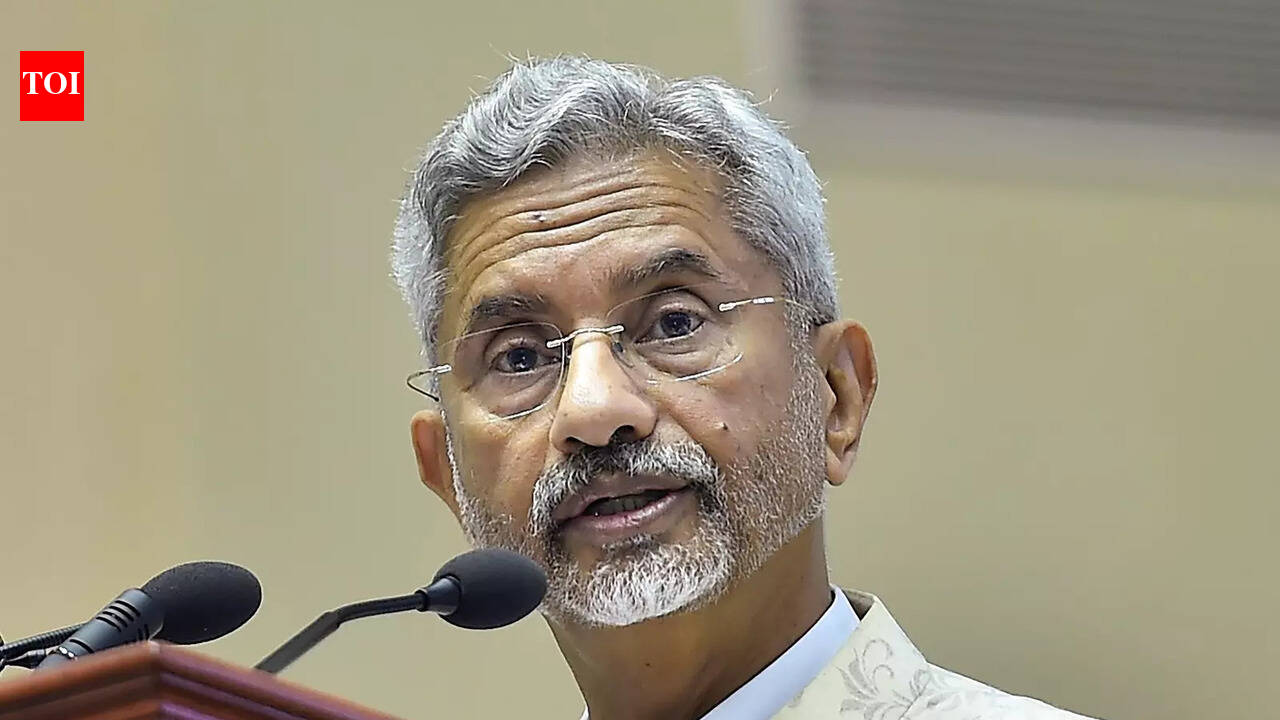
External affairs minister S Jaishankar on Saturday said that India has “solidly come through” a the ongoing turbulent geopolitical situation amid the Middle East conflict and the Russia-Ukraine war, adding that the country has been “managing domestic and external challenges successfully.”Speaking at the 15th Annual Convocation Ceremony of IIM Raipur, he said countries today must focus on “hedging, de-risking and diversifying” as the global order changes rapidly.
He said the world is going through a “structural” shift, adding, “The global order is changing before our very eyes with visible shifts in the relative power and influence of countries. The politics of some societies find it difficult to come to terms with these changes.”Jaishankar also said, “New developments in technology, in energy, military capabilities, in connectivity and in resources have encouraged risk-taking in an increasingly competitive environment. Everything today is being leveraged, if not actually weaponised. The world is then confronted with the prospect of securing itself in an increasingly volatile and unpredictable environment. This has necessitated the need to hedge, de-risk and diversify.”He said India has reasons for optimism compared to many other countries. “There is an optimism in our society that is lacking in many other parts of the world,” he said, adding that India is now among the top five economies and has handled recent global shocks well.He further stated, “No one can dispute that the multiple global shocks that have recently tested our resilience, and that India has come through that solidly. We have managed both domestic and external challenges fairly successfully.”The minister said building national capabilities is key for India’s goal of Viksit Bharat 2047. He also praised “inclusive growth, representative politics, and decisive leadership.”He said, “Building national capabilities has become more critical in the light of the global trends that I have mentioned… We must endeavour to build and secure within our control as many capacities as we can.”On foreign policy, Jaishankar said India is focusing on expanding market access, securing resources and technology, and supporting Indians abroad, while promoting “Brand India.”“Our foreign policy is today focused on expanding market access for Indian producers. It is also focused on helping to secure resources, technologies and essential goods. It looks after Indians… And it promotes Brand India,” he said.These remarks come at a time when the Middle East tensions that began on February 28 with US-Israel strikes on Iran have stretched beyond the 1 month mark. The crisis has since intensified with Iran’s chokehold over the strategically crucial Strait of Hormuz, sending ripples to oil baskets across the globe.
Business
Pakistan Petrol Crisis: Petrol shock, free rides & more: How is Pakistan dealing with Hormuz energy crisis – The Times of India
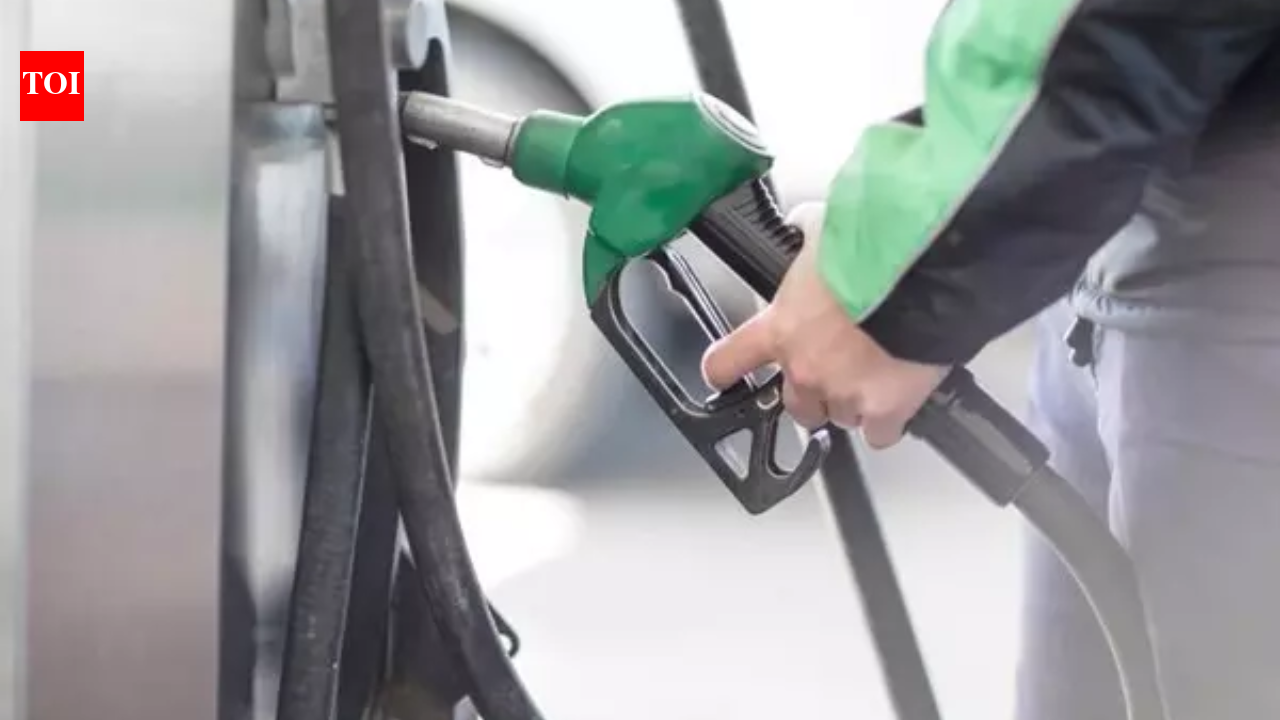
The Middle East crisis has stretched beyond the one month mark, sending ripples across the globe. While somes nations are hiking fuel prices, others are introducing other measures to cushion consumers from the impact while balancing energy reserves. Pakistan is no stranger to the ongoing energy volitality as the country imports almost 85% of its supplies through the Strait of Hormuz. Pakistan government has already raised petrol prices multiple times since the conflict began, with the last raise being on Friday. The sharp rise in fuel prices pushed the government to roll out emergency relief measures, including free public transport in key regions, as public anger spilled onto the streets. Authorities announced on Friday that commuters in Islamabad and Punjab will not have to pay fares on state-run transport for the next 30 days.
Balancing Hormuz crisis and consumer interest
The decision follows widespread unrest after petrol prices were raised overnight by 42.7% to 485 rupees per litre, triggering protests and long queues at fuel stations. However, after public outrage, Pakistan’s PM Shehbaz Sharif later revised the hike, bringing petrol down to 378 rupees per litre. “This decrease will be applicable for at least one month,” he said during a televised address, adding, “I promise I will not rest until your life is back to normal.”Coming to diesel prices, the government had increased HSD price by PKR 184.49 per litre, from PKR 335.86 to PKR 520.35, but abolished the levy, providing some relief to citizens.Detailing the relief measures, interior minister Mohsin Naqvi said, “All public transport in Islamabad will be made free of cost for the general public for the next 30 days, starting tomorrow (Saturday),” noting that the government would shoulder a cost of 350 million rupees.Punjab has mirrored the move, removing fares on public transport and introducing “targeted subsidies” for trucks and buses. CM Maryam Nawaz Sharif also appealed to transport operators not to shift the burden onto passengers, saying, “We promise to relieve the public of economic burden as soon as conditions improve.”In Karachi, similar steps have been taken by the Sindh government, which announced subsidies aimed at motorcyclists and small farmers.
Middle East tensions strain Pakistan
The developments come against the backdrop of rising global energy disruptions linked to the US-Israel war on Iran, which began on February 28. The conflict has led to retaliatory strikes across the Gulf and disrupted movement through the Strait of Hormuz, a vital route for energy supplies, particularly to Asia.To manage the strain, Pakistan has introduced a series of fuel-saving steps, including a four-day workweek for many government offices, extended school holidays and a shift to online classes in some cases.The economic pressure is being felt acutely in a country where about 25% of the population of 240 million lives in poverty, according to World Bank figures. Earlier in March, fuel prices had already been increased by 20 percent, with authorities initially resisting further hikes.Protests broke out on Friday in Lahore, where demonstrators called for the government to withdraw the increase. “The government, overnight, has dropped a ‘petrol bomb’ on its people,” said Naveed Ahmed, a 39-year-old protestor. “Our nation cannot bear this situation right now. This storm of inflation must be stopped, and relief should be provided to the public.”Hafiz Abdul Rauf, another protester, questioned the reasoning behind the hike, saying, “The rise we are seeing is not due to the (Iran) war, but to pressure from the IMF, pressure that must be resisted. For God’s sake, step back from these demands and show some compassion for the people.”The pressure is not limited to Pakistan. Bangladesh has also raised prices of liquefied petroleum gas and compressed natural gas by 29%. Meanwhile, the International Monetary Fund warned earlier this week that vulnerable economies face not only rising energy costs but also disruptions in supply chains. On March 28, it said it had reached an initial agreement with Pakistan on a $1.2-billion support package.
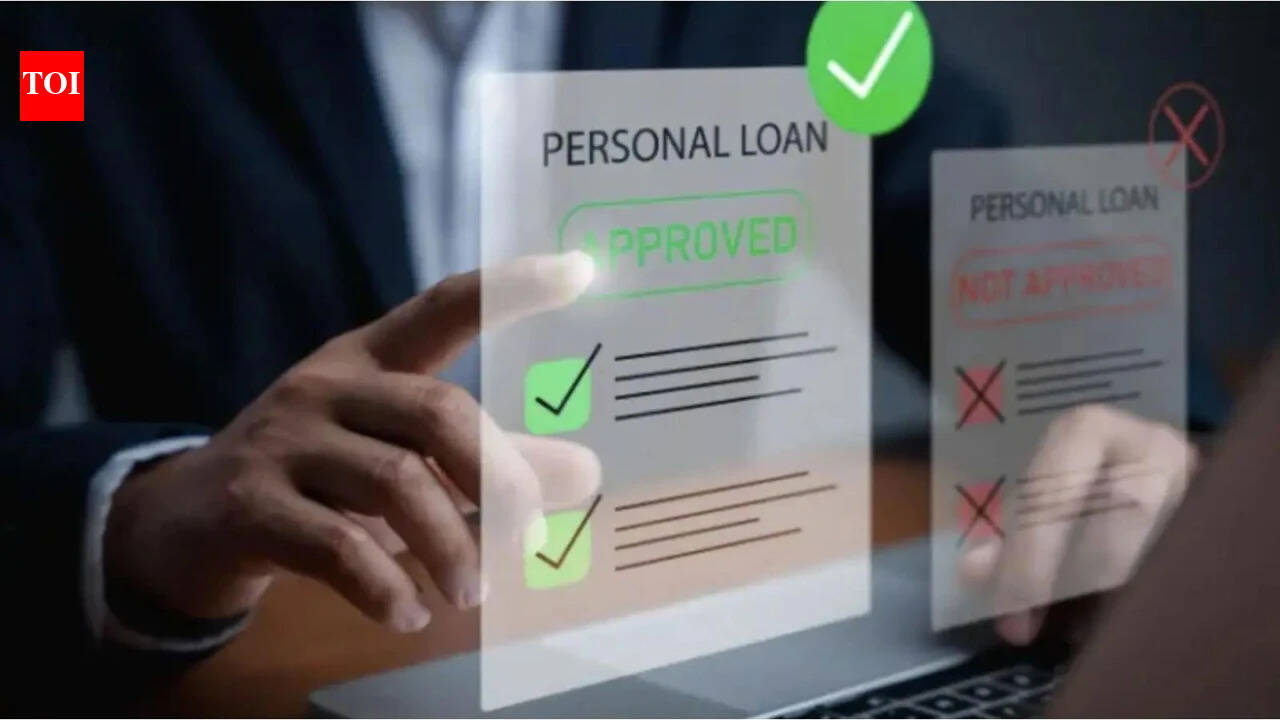
MUMBAI: Credit growth continued to outpace deposit mobilisation for Punjab National Bank, Union Bank of India and IDFC FIRST Bank at the end of the March quarter, reflecting sustained loan demand in a tight liquidity environment.Punjab National Bank reported global advances of Rs 12,61,420 crore as of March 31, 2026, up nearly 13% year-onyear, while global deposits rose 9.3% to Rs 17,11,476 crore. The bank’s total global business stood at Rs 29,72,896 crore, reflecting a 10.8% increase. Domestic advances grew 12.2% to Rs 11,95,811 crore and domestic deposits rose 9.2% to Rs 16,49,409 crore. The global credit-deposit ratio stood at 73.7% at the end of the quarter.Union Bank of India reported global advances of Rs 10,78,779 crore, marking a 9.8% year-on-year increase, while global deposits rose 2.7% to Rs 13,06,900 crore. Total global business stood at Rs 23,85,679 crore, up 5.8%. Growth was led by the retail, agriculture and MSME segments, where advances rose 12.6% to Rs 5,98,620 crore. Domestic CASA deposits increased 7.9% to Rs 4,59,988 crore, with the CASA ratio improving to 35.2%.IDFC FIRST Bank reported loans and advances of Rs 2,90,362 crore at the end of March, up 20% year-on-year, while customer deposits rose 17.2% to Rs 2,84,327 crore. The bank’s CASA ratio improved to 49.8% from 46.9% a year earlier. It said customer acquisition remained stable through March despite year-end tax outflows and tight system liquidity. It said asset quality stress in its microfinance portfolio has normalised, supporting further credit growth.


This Smart Sprinkler Thinks It Knows Your Lawn Better Than You Do

Hackers Are Posting the Claude Code Leak With Bonus Malware
‘India solidly through global shocks’: EAM Jaishankar calls for ‘hedge, de-risk, diversify’ strategy amid Iran war – The Times of India

-

 Entertainment1 week ago
Lee Sang-bo dies at 45: Funeral details revealed
-

 Sports1 week ago
Illinois defense gets tough, ousts Houston to reach Elite Eight
-

 Sports6 days ago
USMNT handed reality check by Doku, Belgium ahead of World Cup
-

 Sports6 days ago
2026 NCAA men’s hockey tournament: Schedule, results
-
 Fashion1 week ago
China rolls out tariff cuts on Congo imports from April 1
-
 Business1 week ago
How do you spot a fake online review?
-
 Fashion1 week ago
EU apparel imports slump 15.48% YoY in Jan; Bangladesh hardest hit
-

 Sports7 days ago
Man City show why they are worthy WSL title winners as tired United wilt