

Business
Tesla gains in 2026 Consumer Reports’ auto brand rankings


Refreshed versions of the Tesla Model Y are shown outside a Tesla store in San Diego, California, U.S. October 21, 2025.
Mike Blake | Reuters
DETROIT — U.S. electric vehicle sales leader Tesla made notable strides in Consumer Reports’ influential annual auto brand rankings, cracking the top 10 overall for the U.S.
The EV manufacturer jumped from No. 18 on last year’s list of more than 30 automotive brands to 10th on the 2026 Consumer Reports Brand Report Card, which was released Thursday.
“They definitely have their struggles, but by continuing to refine and not make huge changes in their models, they’re able to make more reliable vehicles, and they’ve moved up our rankings,” Jake Fisher, senior director of auto testing for Consumer Reports, told CNBC.
The annual auto brand report card is based on Consumer Reports’ testing as well as reliability, safety and overall customer satisfaction according to owner surveys.
The surveys do not reflect broader consumer sentiment about the models or automakers ranked by CR outside of customer satisfaction. Tesla has faced a consumer backlash against CEO Elon Musk in response to his work with the Trump administration and endorsements of far-right politicians and personalities around the world, including Germany’s extreme anti-immigrant party AfD.
Fisher said Tesla’s gain occurred as its vehicles have become more reliable over time, especially as the company hasn’t made significant design changes to many of its vehicles like traditional automakers tend to do.
Tesla instead relies on remote, or over-the-air, updates to revise many features on the vehicles. Its powertrain reliability remains a standout among EVs, according to Consumer Reports.
The only Tesla model to have a below-average score is the Cybertruck, its newest model that features a host of new technologies such as a 48-volt architecture system and “steer by wire.”
A Tesla Cybertruck in front of a graffiti mural on Aug. 28, 2024 in Detroit.
Michael Wayland / CNBC
“They’re definitely improving by keeping with things and refining, but if you look at their 5- to 10-year-old models that are out there, when it comes to reliability, they’re dead last of all the brands,” Fisher said. “They’re able to improve the reliability if they don’t make major changes.”
On the other end of report card, Rivian Automotive moved up five spots to No. 26 but remains near the bottom of the rankings. Fisher said Rivian models are the lowest in reliability.
Despite Rivian’s reliability issues, the brand has the highest owner satisfaction, according to Consumer Reports. Fisher during an Automotive Press Association webinar Thursday said its owners are largely early adopters that are willing to deal with some growing pains likely more than more mainstream consumers would.
Brands with good reliability tend to perform well in the overall rankings. Reliability for new 2026 models is predicted based on each model’s overall reliability for the past three years, provided that the model hasn’t been redesigned during that time.
Subaru topped the overall 2026 brand list, followed by BMW, Porsche, Honda and Toyota to round out the top five brands. At the bottom of the rankings were Jeep, Land Rover, GMC, Dodge and Alfa Romeo.
Ford Motor’s Lincoln, the highest-ranked domestic brand, made the biggest jump in this year’s rankings, climbing 17 positions to No. 7 due to its reliability scores. Audi dropped the most from last year, falling back 10 spots to No. 16.
Traditional U.S. automakers, specifically Stellantis brands, struggled compared with their Asian competition in Consumer Reports’ annual brand reliability rankings.
Of note, the Ford brand ranked No. 18 in the report card but saw improvement in reliability. The automaker, which has struggled with quality issues and recalls, had its Ford brand rank No. 11 in reliability — its best position in 15 years.
GM’s top-ranked brand was Cadillac at No. 17, followed by Buick at No. 20, Chevrolet at No. 24 and GMC at 29th.
Consumer Reports said hybrid vehicles, which are growing in popularity, continue to stand out over other “electrified” vehicles, as well as traditional vehicles with internal combustion engines.
Of approximately 30 hybrids analyzed by Consumer Reports, only the Hyundai Sonata Hybrid, Lincoln Nautilus Hybrid and Mazda CX-50 Hybrid have below-average predicted reliability scores.
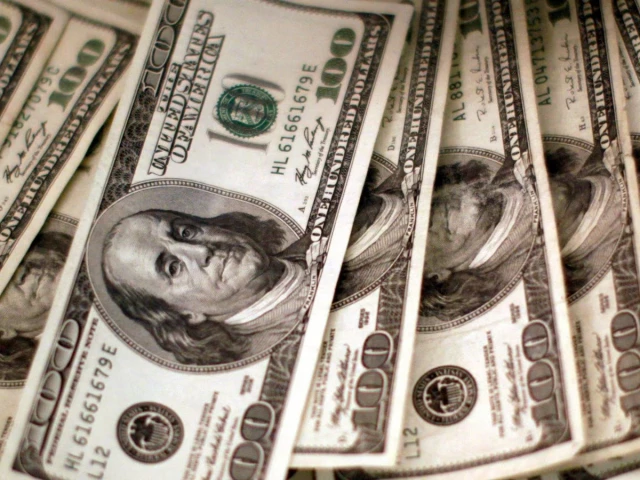


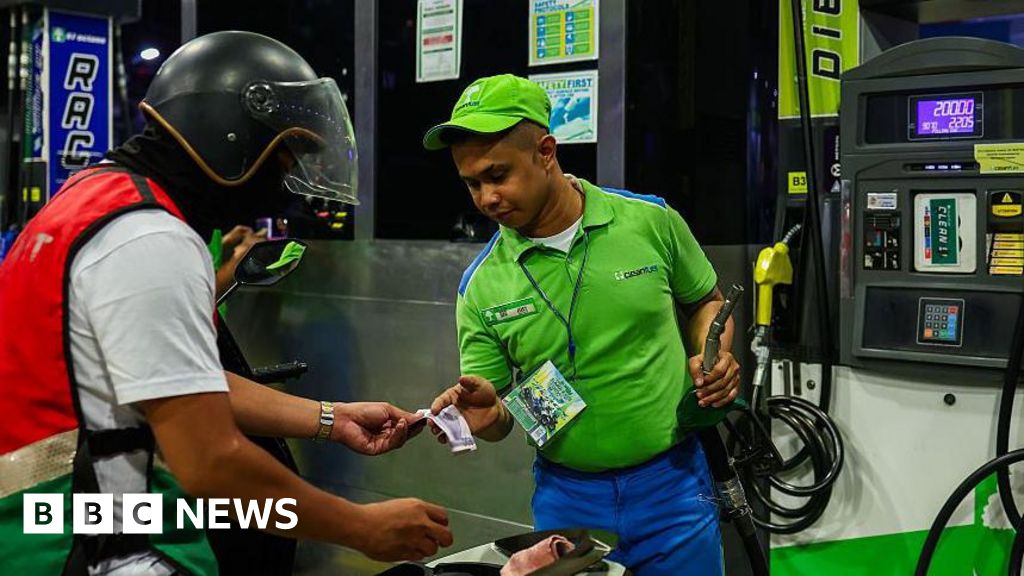
Crude rose back above $100 a barrel as the US and Iran clashed over bringing the conflict to an end.
Source link

President Donald Trump said he’s considering sending the National Guard to U.S. airports, two days after the administration deployed Immigration and Customs Enforcement agents to several major U.S. airports following hourslong waits for travelers because of the partial government shutdown.
In a Truth Social post Wednesday, Trump blamed Democrats for the shutdown, which began Feb. 14.
“Thank you to our great ICE Patriots for helping. It makes a big difference,” he wrote in his post. “I may call up the National Guard for more help.”
Travelers wait in line at a Transportation Security Administration (TSA) checkpoint at Hartsfield-Jackson Atlanta International Airport (ATL) in Atlanta, Georgia, US, on Monday, March 23, 2026.
Elijah Nouvelage | Bloomberg | Getty Images
More than 11% of TSA officers called out on Wednesday and over 450 have quit since the shutdown started, the Department of Homeland Security said.
Elevated absences of Transportation Security Administration officers, who are required to work though they’re not getting paid during the shutdown, have contributed to long lines at major U.S. airports, including in Atlanta, Houston and New York.
The DHS, which oversees both ICE and and the TSA, said the ICE agents will “support airports facing the greatest strain” but the department didn’t respond to requests for comment on what the ICE agents’ duties are. ICE agents are getting paid in the shutdown.
Airlines have been warning customers about potentially long security lines, while executives grow increasingly frustrated with lawmakers about the impasse. On Tuesday, Delta Air Lines said it suspended its airport escorts and other special services for members of Congress and their staff because of the ongoing partial shutdown of the DHS.
The shutdown comes as Democrats in Congress have demanded changes to how federal immigration enforcement operates in exchange for releasing DHS funding after two U.S. citizens were shot and killed by ICE officers in Minneapolis.

Low-income families are being offered help with the cost of food during the Easter holidays.
Source link

Oil prices volatile as Trump talks up Iran negotiations

What small businesses need to know

My Favorite Air Fryer Is at Its Lowest Price Since Black Friday

Sales at US apparel, clothing accessories stores up 4% YoY in Jan 2026

Justice Department Says Anthropic Can’t Be Trusted With Warfighting Systems

March Madness 2026 – How to watch in SA, start time, schedule, TV channel for NCAA championship basketball tournament

-
 Fashion1 week ago
Sales at US apparel, clothing accessories stores up 4% YoY in Jan 2026
-
 Tech1 week ago
Justice Department Says Anthropic Can’t Be Trusted With Warfighting Systems
-
 Business1 week ago
Stocks and pound rise as US rate call approaches
-
 Sports1 week ago
March Madness 2026 – How to watch in SA, start time, schedule, TV channel for NCAA championship basketball tournament
-

 Entertainment1 week ago
Val Kilmer revived 1 year after death through AI
-
 Business1 week ago
Brits cashing in jewellery as gold price hits record high
-

 Fashion1 week ago
Spain’s Inditex FY25 sales rise 3.2% to $46.28 bn amid strong demand
-

 Entertainment1 week ago
With few new leads 45 days after Nancy Guthrie’s disappearance, investigation “becomes much harder,” expert says