

Tech
The DOJ Misled a Judge About How It’s Using Voter Roll Data

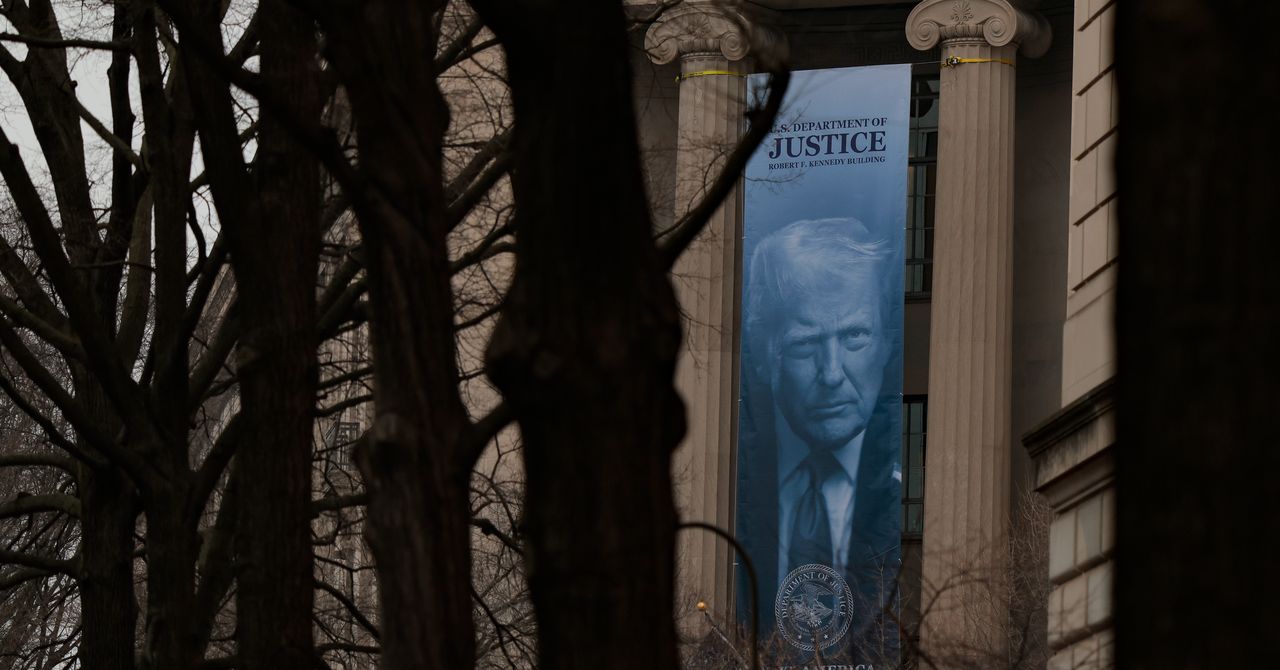
Last week in Rhode Island, in a hearing over the Trump administration’s efforts to access the state’s unredacted voter lists, US district judge Mary McElroy asked a Department of Justice lawyer what the agency had been doing with the voter roll data it already amassed from other states in recent months.
“We have not done anything yet,” said Eric Neff, the acting chief of the agency’s voting section, a core part of the DOJ’s civil rights division that focuses on enforcing federal laws that protect the right to vote. Neff added that the data the DOJ collected from states—which can include Social Security numbers, drivers licenses, dates of birth, and addresses—was being kept separate.
“The United States is taking extra concern to make sure that we’re complying with the Privacy Act in every conceivable way,” Neff added. The Privacy Act of 1974 regulates how government agencies collect and use personally identifiable information about US residents.
But Neff was not telling the truth: The DOJ, he later admitted, was pooling the data and already analyzing it to identify voting irregularities.
In a court document filed on March 27, Neff walked back his claims. “The United States represented that each data set was stored separately,” Neff wrote. “The United States also stated that no analysis had yet been conducted on the data. To correct and clarify the record, preliminary internal data analysis of the nonpublic voter registration data has begun. In particular, the Civil Rights Division has begun the process of identifying and quantifying the number and type of duplicate and deceased registered voters in each state.”
The revelation confirms what was widely speculated, which is that the DOJ appears to be pooling the data and using it to identify potential issues with suspected voting irregularities ahead of the midterms, which is a core part of Trump’s broad attack on elections.
Neff and the DOJ did not respond to repeated requests for comment.
Critics have grown increasingly concerned about the DOJ’s voting section, which has undergone a stark transformation since President Donald Trump has retaken office. A newly installed coterie of inexperienced but ultra-loyal lawyers in the DOJ’s voting section, many of whom have supported election denial conspiracy theories, have spent their time on forcing states to hand over their voter roll information.
The initiative began in May last year, when the Department of Justice sent letters to election officials in at least 48 states and Washington, DC, asking for unredacted voter rolls. Some Republican-led states immediately handed over the information, but dozens of others pushed back. As a result, Neff and his colleagues have sued 30 states, asking courts to force them to hand over the information. So far, courts have sided with the states, with judges already dismissing cases in California, Michigan, and Oregon.
In many of the lawsuits, state election officials pointed out the huge security risk involved in sharing such sensitive data, especially when it was unclear how the data would be stored or who it would be shared with. “We still have no idea what the government is doing with this data,” says David Becker, the head of the Center for Election Innovation and Research and a former Justice Department lawyer. “No idea where it is being stored, how it is being protected, or who has access to it. This data is incredibly sensitive. If someone has any of these three data points on any of us, Social Security number, driver’s license number, or date of birth, they can wreck us financially. This is why the states protect this data, and they do a good job of it.”









Apple Watches are smart little gadgets, but they don’t always fit the vibe. There were plenty of nights and dressier events when I left mine at home because—as much as I wanted to check my notifications discreetly—it didn’t match my outfit. I’ve also had my fair share of faux pas and just let the neon orange sport band clash with my neutral ensemble.
Fortunately, Apple Watch bands are a simple and relatively affordable way to zhuzh up the look of your wearable. Beyond aesthetics, different styles also impact performance and functionality. For example, personally, I don’t want a heavy stainless steel or high-quality leather band weighing me down during a sweaty workout, just as I wouldn’t wear a flimsy silicone band to a dinner party.
At WIRED, we’ve been testing bands since the very first Apple Watch launched in 2015. After years of wearing and swapping, I’ve rounded up the best bands for every occasion. Be sure to check out Best Apple Watch Accessories, Best Apple Watch, and Best Smartwatches for more recommendations.
Jump to
Best Band for Everyday Wear

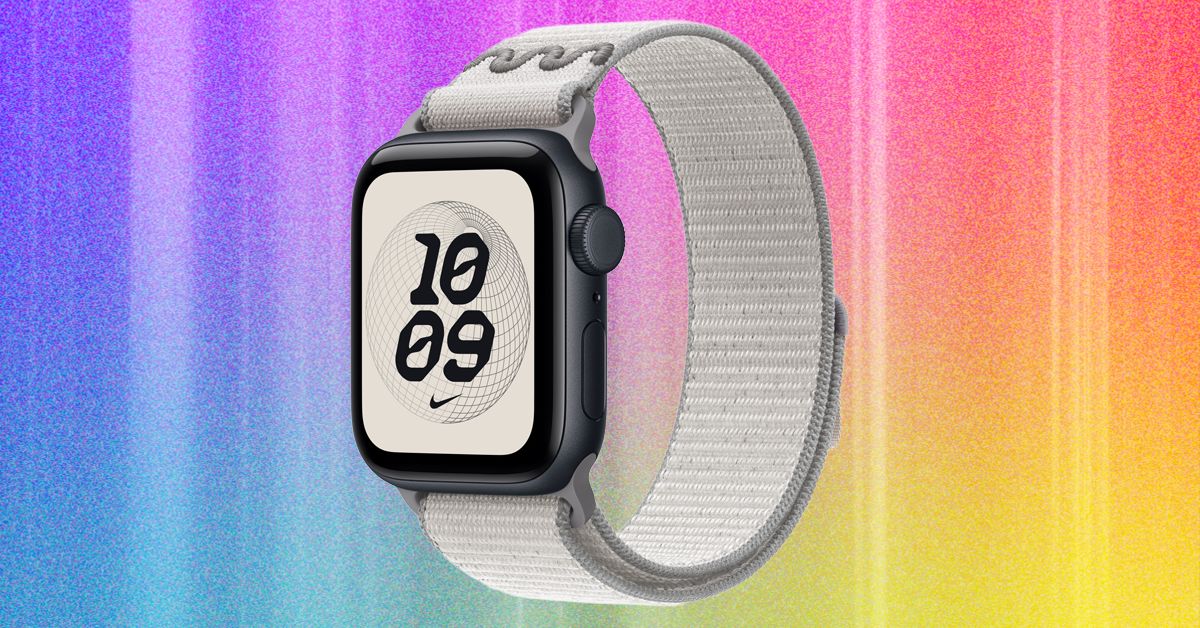
The Nike Sport Loop has been my everyday band since 2020. I bought another in 2023 because I wanted to swap colors, and I figured after three years, I should buy a brand-new one, but it has held up remarkably well. Made from a blend of recycled polyester, Spandex, and nylon, it’s breathable and lightweight. The double-layered nylon weave is designed with dense loops that help prevent moisture from getting trapped against your skin. As long as you regularly hand-wash it to rid it of sweat buildup and dirt, it stays odor-free.
The hook-and-loop fastener and pull tab make it easy to adjust with one hand. It is Velcro, so beware, it can snag on softer fabrics. Still, for a band designed with sports in mind, it’s understated enough to wear almost anywhere. I wouldn’t wear it to a formal event, but for the office or casual social events, it’s perfect.
Best Titanium Apple Watch Band
-
Photograph: Boutayna Chokrane
-
Photograph: Boutayna Chokrane
-
Photograph: Boutayna Chokrane


.jpg)
Nomad originally designed the Stratos Band for the Apple Watch Ultra, but it fits just as well with the SE and Series 1 through 11. It’s easy to adjust, refined enough for the office, and backed by Grade 4 titanium hardware with a scratch-resistant DLC coating. FKM rubber links (PFA-free and antimicrobial, according to Nomad) add flexibility, durability, and water-resistance. The clasp is made with corrosion-resistant N52 magnets, which make it effortless to snap on, and it’s designed with a manual release button, so you don’t have to worry about it accidentally falling off. It’s technically suited for workouts and outdoor use, but it is a hefty band that I personally prefer for casual everyday wear.
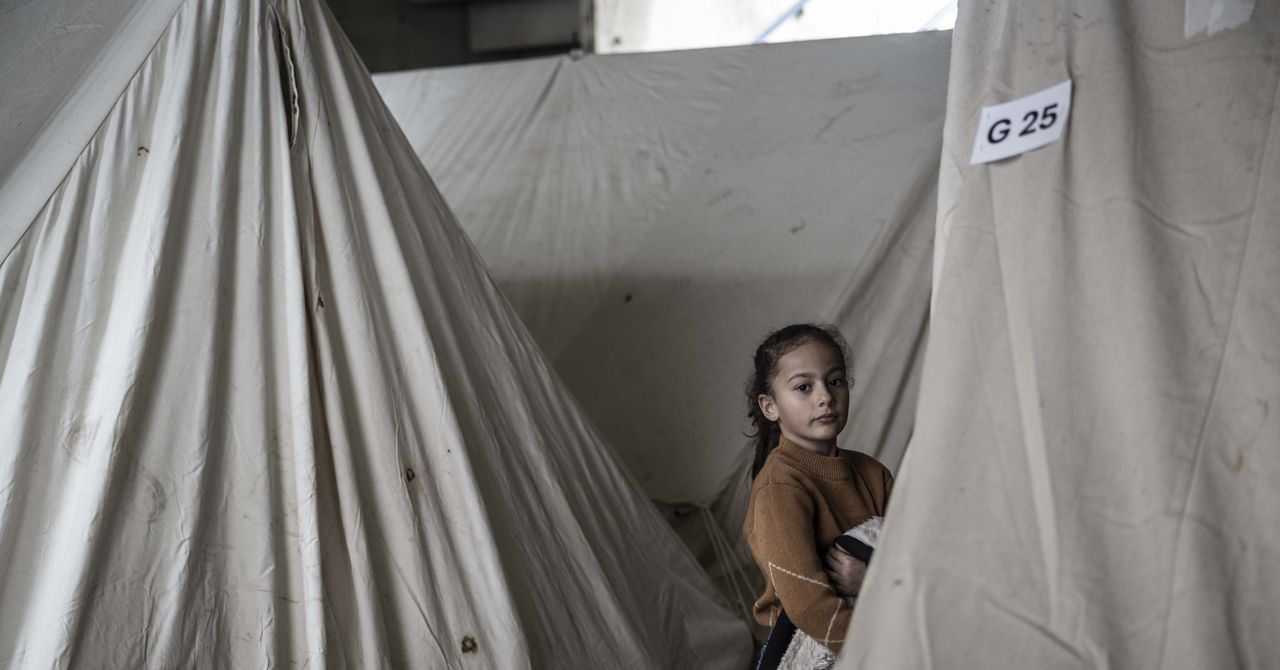
Since March, Israeli attacks on Beirut and the occupation of southern Lebanon have displaced over 1 million people. Families are sheltering with relatives, renting if they can, or sleeping in cars and out in the open, placing immense strain on already fragile infrastructure. Over 130,000 people have also crossed into Syria, many in urgent need of food, cash assistance, and shelter, according to a report by the International Organization for Migration.
As humanitarian needs surge, so does the flow of money from abroad. Yet much of this support is not moving through traditional aid channels. Instead, it is being routed through digital fintech platforms to trusted individuals on the ground, who buy necessary items or distribute funds directly to the displaced.
There is no real-time dataset capturing donations linked specifically to the war. However, remittances—the closest available proxy—offer context. Lebanon receives roughly $6 billion to $7 billion annually from abroad, equivalent to about a third of its GDP, according to the United Nations Development Programme (UNDP) in 2023.
The UNDP reported that remittance costs there averaged 11 percent, higher than the global average. In times of crisis, these flows often shift towards emergency support. What is different now is how that money moves: Increasingly, it is being sent instantly, peer-to-peer, through digital wallets.
“These informal inflows are captured by the formal BDL figures and constitute around 70 percent of the inflows during the crisis,” the UNDP added, noting that money is also often sent as cash with people traveling to the country.
From Gift Cards to Financial Infrastructure
Being Lebanese myself, my social media feed has been inundated with former colleagues and friends setting up their channels to receive donations, sharing photos of receipts, and showing where money is going.
One grass-roots campaign run by Lebanese lawyer Jad Essayli raised $65,125 in 10 days, purely through social media and digital transfers. When asked which platforms have been the most impactful, he and other fundraisers pointed to Whish Money, though many other platforms, including Paypal, Zelle, and Venmo are also being used.
Originally launched to digitize gift cards, the company has evolved into a broad financial platform offering remittances, peer-to-peer transfers, and payment services with more than 2 million users across 110 countries. “We started off from the fact that we wanted to disrupt the distribution of gift cards,” says Toufic Koussa, cofounder and chairman of Whish Money, describing how the company built an early wallet system in 2007 that allowed retailers to issue digital cards on demand. Over time, that infrastructure expanded into a full financial ecosystem.
When Banks Stop Working
The company’s core focus has been the unbanked and underbanked—those with limited or unreliable access to traditional banking. Those groups became central during Lebanon’s financial collapse. Globally, 1.4 billion people remain unbanked; the World Bank cites access to affordable financial services as being “critical for poverty reduction and economic growth.”
In Lebanon, as banks froze deposits and restricted withdrawals, platforms like Whish Money filled a critical gap, enabling people to move and access money outside the traditional system.
That infrastructure now shapes how aid moves in crisis. Money from family, diaspora, or grass-roots campaigns lands straight in a digital wallet and can be spent immediately. On Whish Money, peer-to-peer transfers are the most popular, followed by international remittances. Koussa also notes that Whish Money is uniquely connected to US banking infrastructure, allowing users to link accounts abroad directly to wallets in Lebanon.
Displacement is changing how people use these platforms. Overall growth is steady, but transaction patterns have shifted. Families are making bigger purchases, stocking up on essentials as uncertainty grows. Grocery bills that might have been $200 are now climbing as people prepare for the worst, Koussa says.
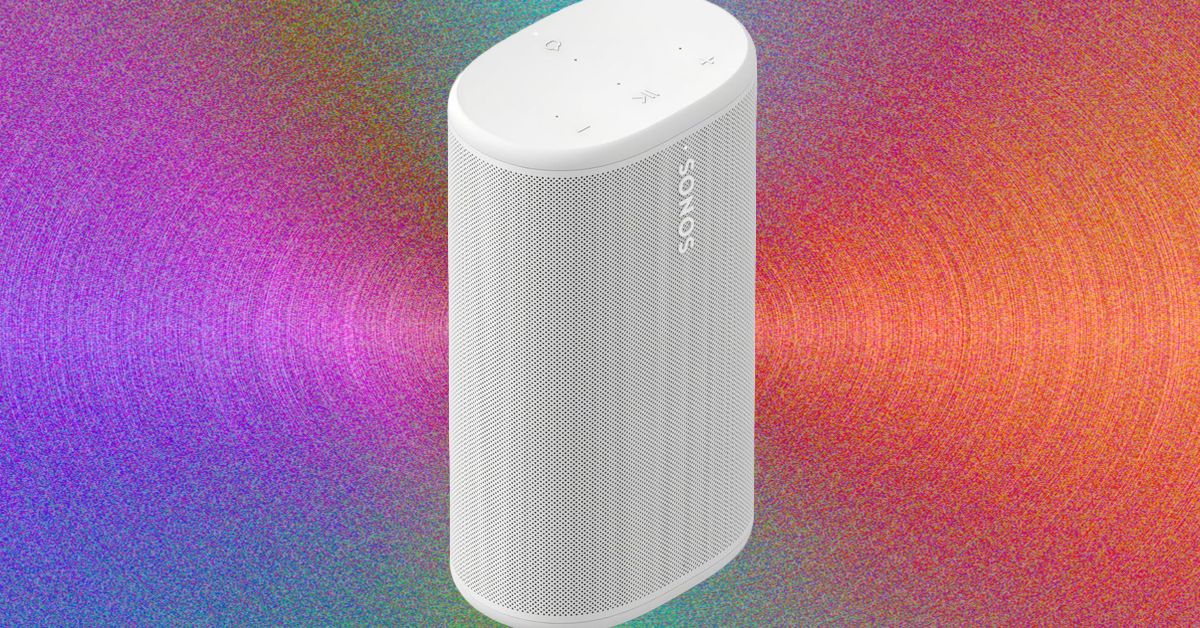
It’s smaller and more portable than the brutish Move, yet large enough to sound much fuller than the pint-sized Roam. It can sit fixed on its charging cradle to rival the homebound Sonos Era 100, or follow you anywhere. In other words, it’s the epitome of Sonos versatility, and now that it’s working properly, it’ll be hard to pass up.
Play On
Opening the Play’s brown cardboard packaging feels equal parts Scandi minimalism and sustainability, in line with recent releases like the Arc Ultra soundbar. Inside, a white acoustic wrapping gives way to a stout tubular speaker with a rubberized loop attached, measuring 7.6 x 4.4 x 3 inches and weighing just under 3 pounds. You’ll also find simple setup instructions and a wireless charging stand, but no wall adapter. You’ll need one that can supply at least 9 volts and 2 amps (18 watts), but a 15-volt, 3-amp (45-watt) model is recommended for “optimal” charging. Sonos says the adapter omission is about reducing e-waste, but will happily sell you one for $29.
Otherwise, the Sonos app is all you need to get going. After the obligatory firmware update, my Play was streaming on my home network in minutes. Sonos hosts over 100 streaming services directly, and you can also stream over third-party services like Spotify Connect, Tidal Connect, Apple AirPlay, and more. You’ll find the speaker as its own “Room” on the app’s main page, where you can swipe up to group it with other Sonos products on your network, or go into the settings to tweak options like EQ, Room name (important if you have more than one Play), and Sonos Trueplay to auto-adjust the sound to your environment.
You’ll also find a Battery Saver toggle, which is set by default to shut down the power when it’s idle for too long. It’s this feature that, according to Sonos, caused my connection woes as I tested the speaker’s 24-hour battery claim. Sonos says it identified the root cause, and after the firmware update I’ve let the speaker power down multiple times, with no further network disruptions over a week of extra testing.
Photograph: Ryan Waniata


Hailee Steinfeld, Josh Allen mark first public appearance as parents
[CinePlex360] Please moderate: “No survivors fo

BYU women’s basketball star explains religious reason why team didn’t practice before tourney win

-

 Sports1 week ago
USMNT handed reality check by Doku, Belgium ahead of World Cup
-

 Sports1 week ago
2026 NCAA men’s hockey tournament: Schedule, results
-
Uncategorized4 days ago
[CinePlex360] Please moderate: “Trump signals p
-
Uncategorized1 week ago
[CinePlex360] Please moderate: “Further tariff
-

 Entertainment3 days ago
Joe Jonas shares candid glimpse into parenthood with Sophie Turner
-
 Tech3 days ago
Our Favorite iPad Is $50 Off
-

 Entertainment1 week ago
The Avett Brothers’ bassist explains why he wrote a book about John Quincy Adams
-

 Sports1 week ago
Man City show why they are worthy WSL title winners as tired United wilt