

Sports
The most dominant UFC heavyweight ever hasn’t even fought for the title yet

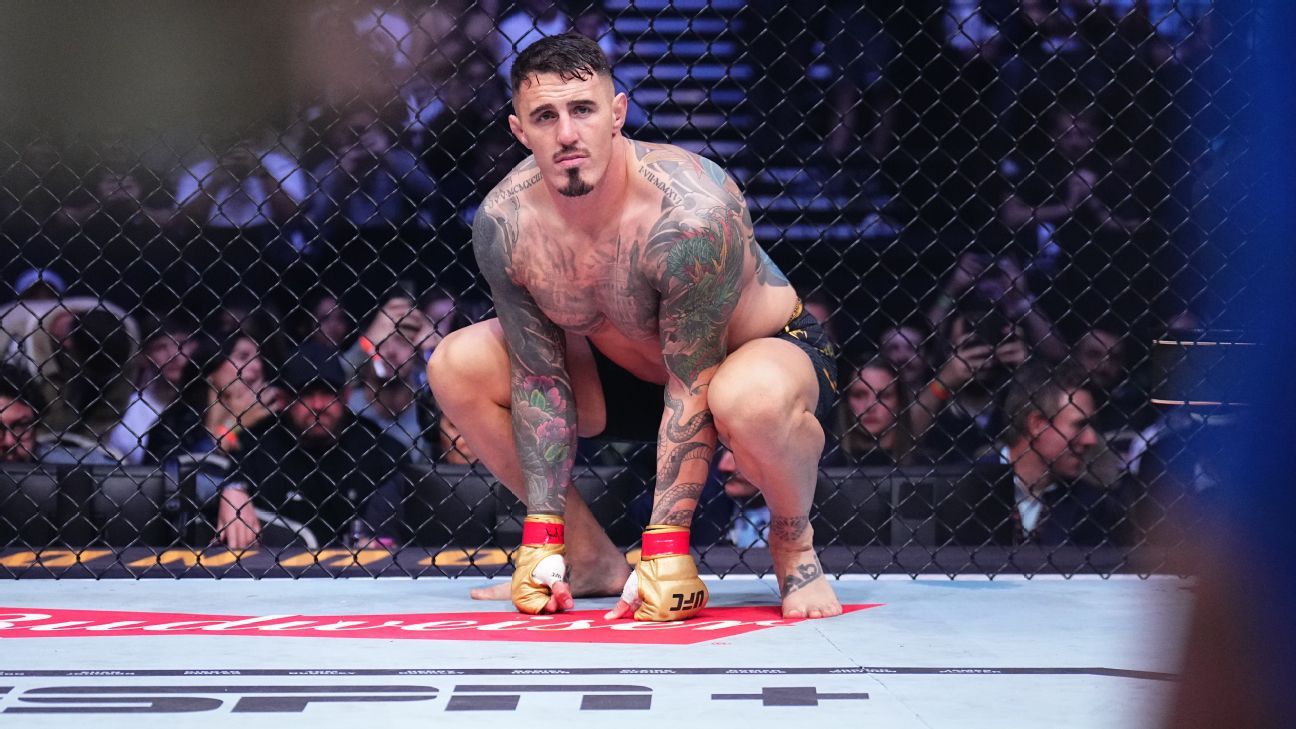
Being the heavyweight champion has to be the most chest-thumping experience possible for a fighter, if for no other reason than that the title comes with the swaggering nickname “baddest man on the planet.”
That glorifying designation first surfaced widely in boxing in the late 1980s during the heavyweight championship reign of Mike Tyson. His aggression, punching power and spine-chilling demeanor left opponents defeated by intimidation as much as fisticuffs. No one since has duplicated his fearsome aura in boxing, and the “baddest man” moniker has essentially shifted to MMA, a sport with a broader variety of combat engagement than anything the Marquess of Queensberry ever envisioned. Just ask three-weight boxing champion James Toney, who was taken off his feet with ease by Randy Couture within 18 seconds and beaten down for the duration of their one-sided 2010 UFC fight.
When an MMA heavyweight gains recognition as the “baddest man on the planet,” it’s often an outgrowth of the story behind how he won the championship. Francis Ngannou captured the UFC belt in 2021 by knocking out Stipe Miocic, whose three title defenses established a heavyweight record that still stands. Miocic first won the title in 2016 by knocking out Fabricio Werdum, who earlier had secured a place of honor in the sport’s annals by finishing two of the greatest ever, Fedor Emelianenko and Cain Velasquez. Velasquez, whose multifaceted skill set and revving engine made him unlike any previous heavyweight, became UFC champion in 2010 with an iconic wrecking of the seemingly indestructible Brock Lesnar.
Contrast those splashy ascents to the top of the mountain with the unimpeded rise of the current owner of the UFC heavyweight belt, Tom Aspinall. Whereas Ngannou, Miocic and many other greats established their supremacy with statement victories, Aspinall did not dethrone a reigning champion to gain the title. The UFC simply elevated him from interim champion to undisputed champ four months ago to fill a vacancy left by the retirement of Jon Jones.
Aspinall will defend the belt for the first time on Saturday, facing third-time title challenger Ciryl Gane at UFC 321 in Abu Dhabi, United Arab Emirates (2 p.m. ET on ESPN PPV, prelims at 10 a.m. on ESPN+). But even before the new champion steps inside the Octagon this weekend, here’s something essential to know about him: Aspinall has already established himself as the most dominant heavyweight in MMA history.
If that sounds premature or even preposterous, consider that this is not a proclamation that Aspinall (15-3) is the greatest heavyweight ever. That’s an honor generally bestowed upon Emelianenko, who amassed a 29-fight unbeaten streak that extended for nearly the entire first decade of the 2000s.
Aspinall is not MMA’s most accomplished heavyweight, either. There’s a strong argument there for Miocic, who defended the UFC title more than anyone else and owns the heavyweight record with six title fight wins. Perhaps the most accomplished is Couture, the only fighter to reign three times as UFC heavyweight champion.
They’re extraordinary heavyweights, every one of them, but none sustained dominance the way Aspinall has.
Aspinall is 8-1 in the UFC, his only loss being the result of a freak noncontact injury. He blew out his knee in the opening seconds of a 2022 bout with Curtis Blaydes, and in addition to being saddled with a 15-second “TKO (Injury)” loss, Aspinall ended up sidelined for a year. He would step in with Blaydes again in 2024 and win by knockout in one minute. That victory fell right in line with the rest of Aspinall’s UFC résumé, as all but one of his eight wins ended in the first round, the most recent three in 1 minute, 13 seconds or faster.
According to ESPN Research, Aspinall’s seven first-round wins are the most by any fighter in any weight class through nine Octagon appearances in the promotion’s modern era (since UFC 28 in 2000).
Some other shiny Aspinall statistics:
• He has the shortest average fight time in UFC history (2 minutes, 2 seconds).
• He has spent the least time in bottom position of any fighter in UFC history (1 second).
• His 4.09 knockdowns per 15 minutes of fight time average is the most in UFC heavyweight history (second-most in any weight class).
• His 8.07 significant strikes landed per minute average is the most in UFC heavyweight history (third-most in any weight class).
• His significant strike differential (strikes landed minus strikes absorbed) of plus-5.18 per minute is the highest in UFC history.
Aspinall is dominance personified. Unprecedented dominance.
Emelianenko, for all of his greatness, had to persevere through perilous moments during his lengthy unbeaten run, none more so than in a Pride fight in 2004, when he was suplexed onto his head by Kevin Randleman (before turning things around for his 15th straight win). And when Emelianenko was submitted by Werdum in a 2010 Strikeforce match, it was the first of three straight defeats. One can be an all-time great yet not dominant all the time.
Miocic had his ups and downs as well. He owns the heavyweight title defense record but was knocked out four times in the Octagon — although Miocic should get a pass on the last one, against Jones just under a year ago, because he’d been retired for 3½ years before returning to the cage as a 42-year-old shadow of his old self. Even in his prime, though, Miocic didn’t dominate like Aspinall.
Couture doesn’t have the dominance of Aspinall, either. Nor does Ngannou, Werdum or anyone else. Couture had those three heavyweight reigns but also lost three heavyweight title bouts. Ngannou is as explosive as Aspinall, if not more so, but in 2018 he took consecutive losses to Miocic and Derrick Lewis. Werdum had unparalleled grappling chops — 12 submissions among 24 wins — but lost nine times in his career. Antonio Rodrigo Nogueira beat Couture, Werdum, Mark Coleman, Mirko “Cro Cop” Filipovic and Dan Henderson but lost 10 fights. Then there’s Jones, inarguably the greatest ever at light heavyweight, but having competed at heavyweight just twice, he grades out as an incomplete.
If anyone from MMA’s past showed Aspinall-level supreme dominance, it was Ronda Rousey. She won her first 12 fights, every one of them by finish, all but one in the first round. The final three fights during that untouchable run ended in 16, 14 and 34 seconds. But then it all fell apart for “Rowdy Ronda,” thanks to Holly Holm and Amanda Nunes.
At heavyweight, the story was much the same with Shane Carwin. He also built a 12-0 record on fast finishes — in his case, every one of them came in Round 1. Carwin was on his way to adding a 13th demolition, until Lesnar withstood a first-round beatdown and survived to the horn. When Round 2 began, Carwin was in uncharted waters, and Lesnar drowned him. So much for big-boy dominance.
Some might say Aspinall, like Jones, deserves an incomplete grade. But while he has yet to make a single defense of the undisputed title, Aspinall did put his interim belt up for grabs once while waiting (in vain) for Jones to return. He owns a victory over a former UFC heavyweight champion, Andrei Arlovski. And if he defeats Gane on Saturday (as a -425 favorite by ESPN BET), Aspinall will have beaten the four UFC heavyweights situated right behind him in the ESPN divisional rankings. That’s a heavy dose of dominance for a career that feels like it’s just getting started.
At age 32, Aspinall has time to accomplish much more and face down any challenges lurking ahead. No one has slowed his roll yet. Will this weekend add another stellar chapter to a story that’s been all his, or will it change the narrative on Tom Aspinall entirely?
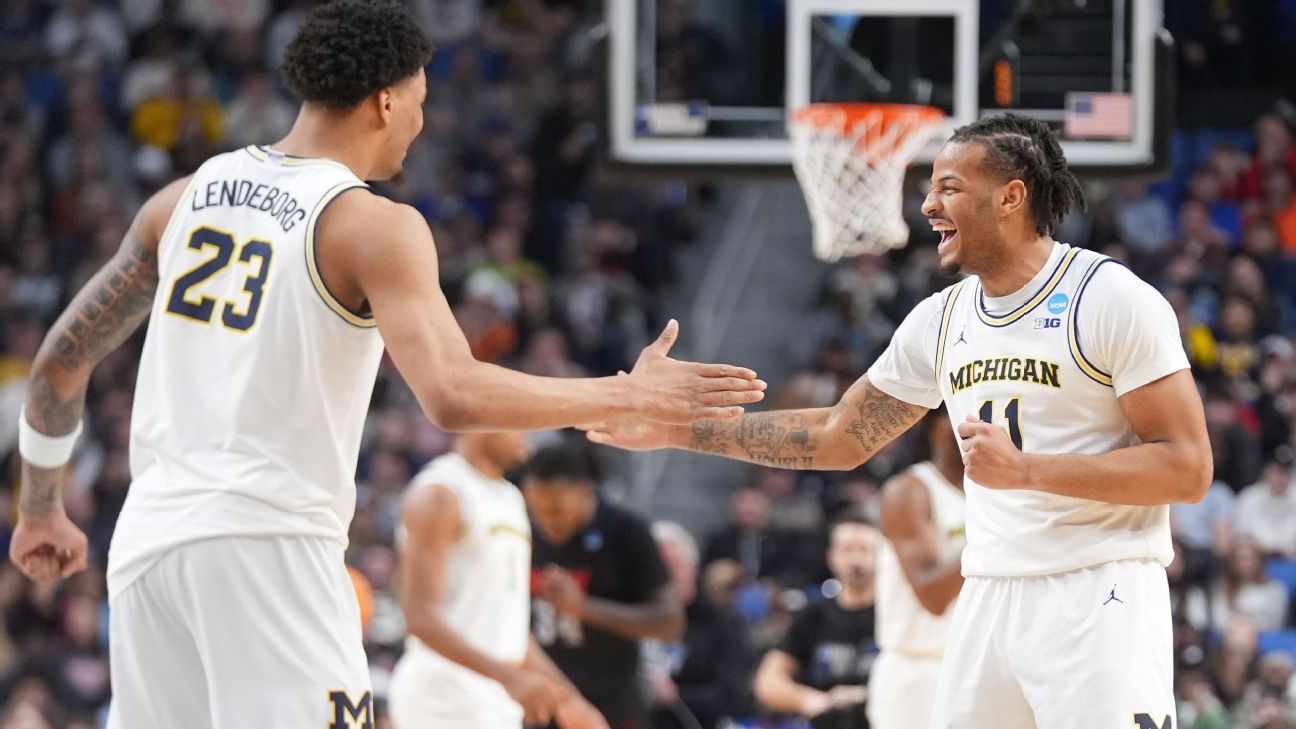
The 2026 men’s NCAA tournament has whittled to 32 teams that have their eyes set on the Sweet 16.
ESPN reporters are on-site, from Buffalo to Portland, to give you a real-time look at the Madness. Follow along as they and the rest of the staff track every second-round game on Saturday, with more matchups still to tip:
-
(6) Louisville vs. (3) Michigan State: 2:45 p.m.
-
(9) TCU vs. (1) Duke: 5:15 p.m.
-
(10) Texas A&M vs. (2) Houston: 6:10 p.m.
-
(11) Texas vs. (3) Gonzaga: 7:10 p.m.
-
(11) VCU vs. (3) Illinois: 7:50 p.m.
-
(5) Vanderbilt vs. (4) Nebraska: 8:45 p.m.
-
(12) High Point vs. (4) Arkansas: 9:45 p.m.
Live tracker
Previews
2:45 p.m., CBS
How Michigan State can advance to the Sweet 16: Michigan State’s biggest edge against North Dakota State was its dominant frontcourt, with Carson Cooper, Jaxon Kohler, Coen Carr and Cam Ward combining for 62 points and 24 rebounds. That will also be where the Spartans will need to win against Louisville. Despite having plenty of size and depth up front, the Cardinals struggled on the defensive glass against South Florida, and Michigan State is one of the top-10 offensive rebounding teams in the country. The Spartans should be able to have success in that area against the Cardinals. Jeremy Fears Jr. will be the key — he didn’t score the ball well against North Dakota State and turned it over a season-high four times, but he’ll be able to get downhill and put pressure on Louisville. — Jeff Borzello
How Louisville can advance to the Sweet 16: Despite leading South Florida by 23 points before a late surge by the Bulls made the final margin much closer, Louisville has to clean up plenty in order to beat Michigan State. South Florida grabbed 18 offensive rebounds — 37.5% of its misses — and Louisville will have a harder time against Michigan State, one of the most dominant offensive rebounding teams in the country. The key on the offensive end, as it always is for Louisville, will be making 3s. The Cardinals rank in the top five nationally in 3-point attempt rate and made 13 against South Florida. Michigan State was in the middle of the pack in the Big Ten in 3-point defense and allowed an average of 11.1 3-pointers in its losses this season. The X factor could be the absence of Mikel Brown Jr., who has been ruled out again with a lingering back injury, though Louisville has figured out how to win without him over the past five games. — Borzello
5:15 p.m., CBS
How Duke can advance to the Sweet 16: Well, it would help if they showed up like the team that dominated in the second half against Siena — and not the version that played in the first half, when it was down by double digits. Duke’s offensive rhythm was clearly disrupted without Caleb Foster, its best 3-point shooter (40.2%), and the Blue Devils’ defense was weaker than expected with Patrick Ngongba II out due to injury, too. In the second half, however, the Blue Devils turned to a zone and played with a different defensive intensity. They’ll advance if they have the same mojo against TCU. Isaiah Evans was a headache for Siena on fast breaks and off the dribble after halftime; Duke has to do more to put him in a position to impact the game. Cameron Boozer was 13-for-14 from the free throw line. Good defense, Evans making plays and Boozer being Boozer are the keys to Duke moving on. — Medcalf
How TCU can advance to the Sweet 16: Siena became the first 16-seed to hold a double-digit halftime lead over a 1-seed in NCAA tournament history, per ESPN Research, because of its early dominance in the paint. Francis Folefac, a 6-foot-7 forward, was the anchor of a Saints squad that scored 22 points in the paint in the first half against the Blue Devils. That has to be the blueprint for TCU, too. The Blue Devils were vulnerable inside without Patrick Ngongba II, their best defensive player who may not be available for the second round. That’s how the Horned Frogs can win, attacking inside and defending the rim against Boozer & Co. They will also need 3s to fall again (39% against Ohio State), which only happened on occasion during the season when they were 15th out of 16 teams in the Big 12 in 3-point shooting. — Medcalf
6:10 p.m., TNT
How Houston can advance to the Sweet 16: Houston, on paper, is built to withstand Texas A&M’s pressing, up-tempo style. The Cougars have an elite three-guard trio in Kingston Flemings, Milos Uzan and Emanuel Sharp, who don’t turn the ball over and are effective at getting the game to be played at Kelvin Sampson’s preferred tempo. They also can force their own fair share of turnovers, and A&M has had some issues against teams with intense on-ball pressure. Where Houston can really have an edge is on the offensive glass. The Cougars are annually one of the best offensive rebounding teams in the country, and while this year’s group isn’t quite as elite as previous versions, they’re still in the top 30 nationally in offensive rebounding rate and second-chance points per game. A&M, meanwhile, was one of the worst defensive rebounding teams in the SEC. — Borzello
How Texas A&M can advance to the Sweet 16: It’s all about Bucky Ball and how effective it can be against Houston and one of the best backcourts in the country. A&M wants to play fast, it wants to force turnovers and it wants to make teams uncomfortable. Houston takes care of the ball, ranking seventh in the country in turnover percentage — and the Cougars are even better in Big 12 play. A&M forces turnovers on 18.6% of its defensive possessions; Houston has turned it over that frequently just five times all season. Can A&M win the pace battle? The Aggies average more than 70 possessions per game, ranking in the top 40 nationally. Meanwhile, the Cougars play just over 63 possessions per game, ranking No. 352 nationally. This will be a true contrast of styles, but the fact that A&M just beat another grind-it-out team in Saint Mary’s should give the Aggies optimism. — Borzello
7:10 p.m., truTV/TBS
How Gonzaga can advance to the Sweet 16: Gonzaga gets to avoid facing AJ Dybantsa in the second round, but now the Zags have to play a Texas team with momentum — and one with size that could potentially make life difficult for Mark Few’s club. What should determine the outcome will be the paint battle and free throw margin. Gonzaga leads the nation in paint points per game, scoring nearly 45, while shooting nearly 59% inside the arc. But the Zags outscored Kennesaw State by only four points in the paint Thursday. Graham Ike needs to be his usual dominant self, and it will be helpful to get Matas Vokietaitis in foul trouble. Vokietaitis averages 5.3 fouls per 40 and committed at least four fouls in seven straight games entering Thursday. On the flip side, Ike will have to slow the former Florida Atlantic transfer; Vokietaitis is averaging 17.6 points over his past 11 games and had 23 points and 16 boards against BYU. — Borzello
How Texas can advance to the Sweet 16: Texas, after losing five of six games entering the NCAA tournament, has picked up back-to-back wins over NC State and BYU — and it will need to continue defending at a high level to have a chance against Gonzaga. The Longhorns’ defensive deficiencies have not exactly been a secret; Sean Miller has talked about it at length, bemoaning their inability to guard opponents without fouling. But against NC State, they held the Wolfpack to 0.98 points per possession — their first time limiting an opponent to fewer than one point per possession since Jan. 14. BYU scored 1.06 points per possession against Texas, but that’s well below the Cougars’ season average, and they have potential No. 1 NBA draft pick AJ Dybantsa. Fortunately for Miller, Gonzaga’s offense is not predicated on getting to the free throw line. The Zags score more paint points per game than any team in the country, so Saturday’s game will be key for Matas Vokietaitis to protect the rim and stifle All-American Graham Ike. — Borzello
7:50 p.m., CBS
How Illinois can advance to the Sweet 16: Illinois, which owns the No. 1 offense in America, can advance with the same overwhelming offensive attack it has relied on in wins over Texas Tech, Tennessee and Purdue. The Fighting Illini scored 40 points in the first half against Penn before adding 65 in the second half at a rate of 197 points per 100 possessions. For comparison: The Denver Nuggets have the NBA’s best offense of the season at 120 points per 100 possessions. That’s how good Illinois is right now. Brad Underwood’s team can advance with another overwhelming offensive effort. On Thursday, the Illini turned to David Mirkovic (29 points, 17 rebounds) to keep their national title hopes alive. It’s a tall task for the Rams, who will have to stop one of the most potent offensive attacks in recent college basketball history. Meanwhile, Illinois just has to be Illinois. — Medcalf
How VCU can advance to the Sweet 16: Phil Martelli Jr.’s squad can advance past Illinois if Terrence Hill Jr. plays the role of Superman again and his teammates employ the same resilience — on offense and defense — they demonstrated in the final 10 minutes of regulation on Thursday. The key is they’ll have to do it for 40 minutes against Illinois on Saturday. The Rams scored at a clip of 138 points per 100 possessions in the second half before they forced overtime against the Tar Heels. But the 19-point deficit the Rams had to overcome could turn into a 40-point disadvantage against an Illinois squad with the best offense in the country. They can’t let that happen. They’ll also need Lazar Djokovic (15 points, 2 blocks) to put up big numbers, too, as they attempt to stall the Illinois offensive machine. — Medcalf
8:45 p.m., TNT
How Nebraska can advance to the Sweet 16: Nebraska has already made history by winning the first NCAA tournament game in school history. Now it can add to that feat with another victory and its first Sweet 16 appearance. How? Its defense has the ability to force Vanderbilt star Tyler Tanner into difficult shots. He was just 2-for-6 against McNeese in the first half Thursday, struggling against its relentless pressure. Nebraska is bigger and better (top-10 defense nationally) than McNeese, and the Cornhuskers have put the same defensive clamps on elite teams in Big Ten play. Against everyone else, they’ve been ferocious. But they did hold Troy to just 47 points (77 points per 100 possessions) — the best defense we’ve seen in the opening round through the first half of Thursday. Combine that with Pryce Sandfort, Rienk Mast and Sam Hoiberg all hitting big shots in the first round, and Nebraska might be on its way to the Sweet 16 for the first time. — Medcalf
How Vanderbilt can advance to the Sweet 16: Vanderbilt needs Tyler Tanner to excel and to limit Nebraska’s shooters in order to advance. The Commodores were a different team in the second half against McNeese on Thursday when Tanner, a projected first-round NBA draft pick, got more comfortable against the pressure from one of America’s best defensive teams. He scored 17 of his game-high 26 points after halftime. Overall this season, Vanderbilt is 13-3 when the 6-foot guard scores at least 20 points. Nebraska, which had the best defense in Big Ten play this season, will do all it can to frustrate him. It’s not on him alone, though. The Commodores will have to do their best to shut down the Cornhuskers at the 3-point line: They’ve made 34 3-pointers in their past three games. — Medcalf
9:45 p.m., truTV/TBS
How Arkansas can advance to the Sweet 16: Arkansas wants to run, and it wants a high-scoring game. High Point will be willing to play into that hand, and it’s hard to see how that’s not a plus for John Calipari’s team. The Razorbacks don’t give the ball away since they have two high-level playmakers in Darius Acuff Jr. and Meleek Thomas, and their frontcourt is significantly more mobile and athletic than Wisconsin’s bigs. The turnover battle will be key; High Point ranks in the top five in defensive turnover percentage, but Arkansas protects the ball better than any team in the country. If Acuff and Thomas take care of the ball and the Razorbacks can dominate the paint like they’ve done countless times this season, High Point likely won’t have an answer. Defensively, they can’t let Chase Johnston get hot — from anywhere on the floor. — Borzello
How High Point can advance to the Sweet 16: High Point has won 23 of its past 24 games and just beat Wisconsin while playing a run-and-gun up-tempo affair — don’t count the Panthers out against Arkansas. They won’t be afraid of the pace battle, although they’ll have to find a way to slow Darius Acuff Jr. and backcourt partner Meleek Thomas. Both are difficult to keep from getting to their spots, and High Point just allowed Nick Boyd and John Blackwell to combine for 49 points in the win over the Badgers. Where High Point could have some success is at the other end of the floor. Arkansas is solid defensively, but prone to off ball and rotation lapses, and High Point will look to get up and down the floor and take 3s. A repeat 15-for-40 3-point shooting effort would be nice, too. — Borzello
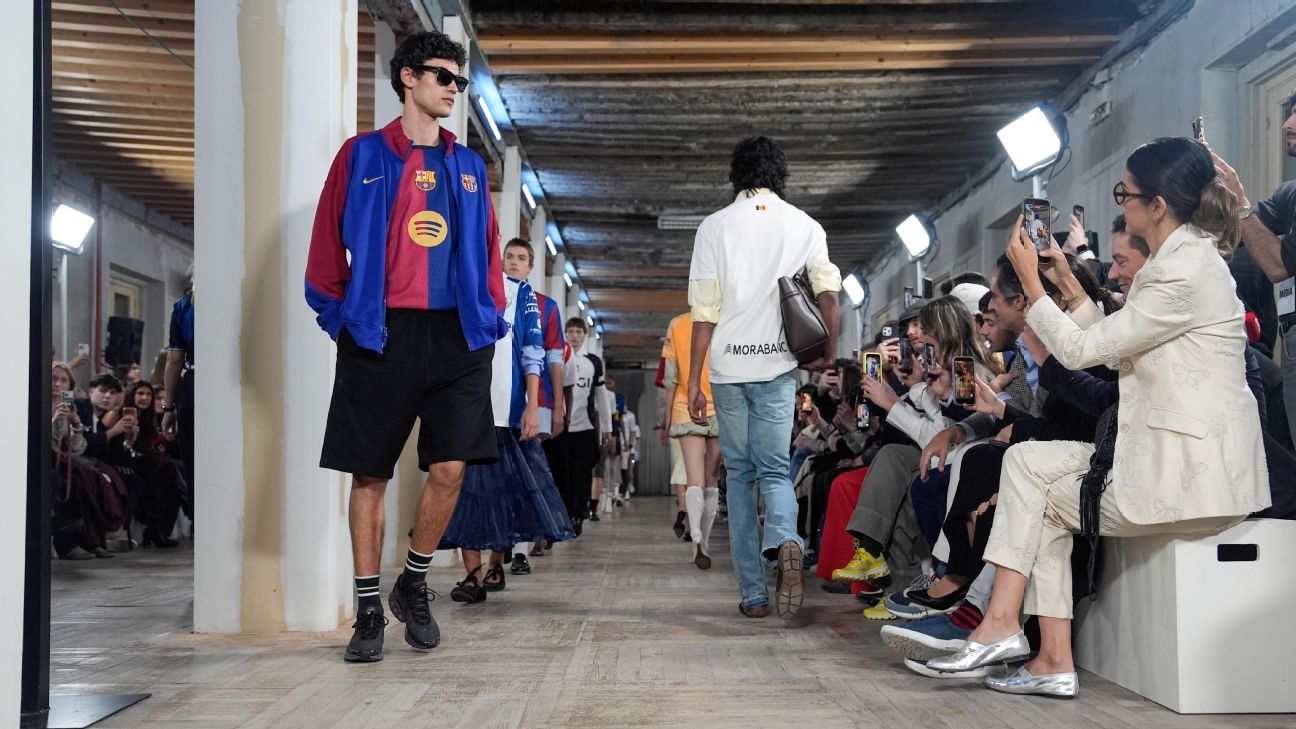
LaLiga is gearing up to host a unique retro fiesta next month in which most of the clubs in the Spain’s top flight will play in special throwback kits created especially for the occasion.
Fans will have to wait until the matchday spanning April 10-13 to see the retro jerseys worn on the pitch, but LaLiga had 17 of its 20 teams unveil the nostalgia-laden shirts this week at a special event at Madrid Fashion Week.
The designs are not intended to be direct replicas of the original shirts worn in years gone by, but rather new designs that are heavily inspired by the styles and trends that have graced Spanish football over the years.
Here is a first look at the various retro jerseys that were revealed on the catwalk, with clubs such as Atlético Madrid, Valencia, Villarreal and Barcelona (sort of) taking part in the fun.
– Stream every LaLiga match LIVE all season long on ESPN+ (U.S.)
– LaLiga Confidential: Spain’s soccer stars take ESPN’s player survey
– Messi’s 900th career goal: Can he reach 1,000? Can he pass Ronaldo?
Alaves’ jersey is a take on the shirt they wore in the epic UEFA Cup final of 2000-01 when the Spanish side were beaten 5-4 in extra time by Liverpool thanks to a golden goal (remember those?). A quarter of a century on, the club have revisited their unusual navy blue and yellow-banded livery from that fateful night with a shirt that has more than just a faint whiff of Boca Juniors about it.
The club from Bilbao has opted to draw inspiration from its classic kits of the early 1970s. The 2026 revamp is similarly straightforward and the white-out logos add to the pleasingly “heritage” aesthetic. Shame they had to leave that tacky sponsor on full display though.
Atléti have rolled things all the way back to 2022 in order to revisit the retro 120th-anniversary third kit they released in their original club colors of blue and white. The same half-and-half template has been reused, with former Rojiblancos midfielder Mario Suárez doing the honors on the runway.
It looks like Barça entered their design for inclusion at the 11th hour, in the somewhat underwhelming guise of last season’s home kit. They did win a domestic treble wearing it, but it hardly meets the definition of “retro.” Still, it’s a better effort than their LaLiga counterparts Getafe, Rayo Vallecano and bitter rivals Real Madrid, who are will not be offering any kind of throwback kit for this special round of fixtures.
This kit adds a whole new meaning to the retro” concept: the “A Reconquista” jersey features a red-and-white harlequin pattern that is a nod to the city’s flag, designed in tribute to the popular uprising against Napoleon’s army in 1809. The jersey will actually be worn when Celta play Alavés on Sunday, and will be brought out again for the retro matchday.
Formulaic stuff from Elche, who have resurrected their white and green kit from 1991-92, in which they finished fifth in the Segunda División. Unfortunately, the modern reissue lacks both the unusual V-neck collar and the cool central sponsor of its predecessor.
Espanyol have created one of the best of the bunch with their salute to the early 1990s. Much like their third shirt from 1992-93, the modern take comprises a vivid yellow design that sees the fabric stamped with a clover pattern to add era-appropriate texture. The rather ace oversized “Dani” sponsor logo caps things off nicely.
It doesn’t look as though an awful lot of effort has gone into Girona’s retro threads. The club is set to turn out in a fairly standard red-and-white-striped template shirt that looks like it could have been worn last season.
Cream with tonal logos and a large diagonal black sash across the front, Levante’s retro kit is a nod to the monochrome stripes worn by the club shortly after its formation in 1907. The result is a truly superb football shirt that somehow looks both contemporary and a century old.
The only LaLiga retro kit to be unashamedly informed by the early 2000s, Mallorca’s effort is dripping with post-millennium vibes. Nike have studiously replicated that “Total 90” look to herald a strong side that boasted the likes of Samuel Eto’o, Albert Riera and Walter Pandiani.
Ostensibly an ultra-plain red jersey that could stand in for any Osasuna home shirt of the last 35 years, the retro kit is apparently an ode to the legendary side of the late 1970s and early ’80s that played their way into the Spanish top flight after a 17-year absence. You’d have thought that might warrant a bit more of a celebration.
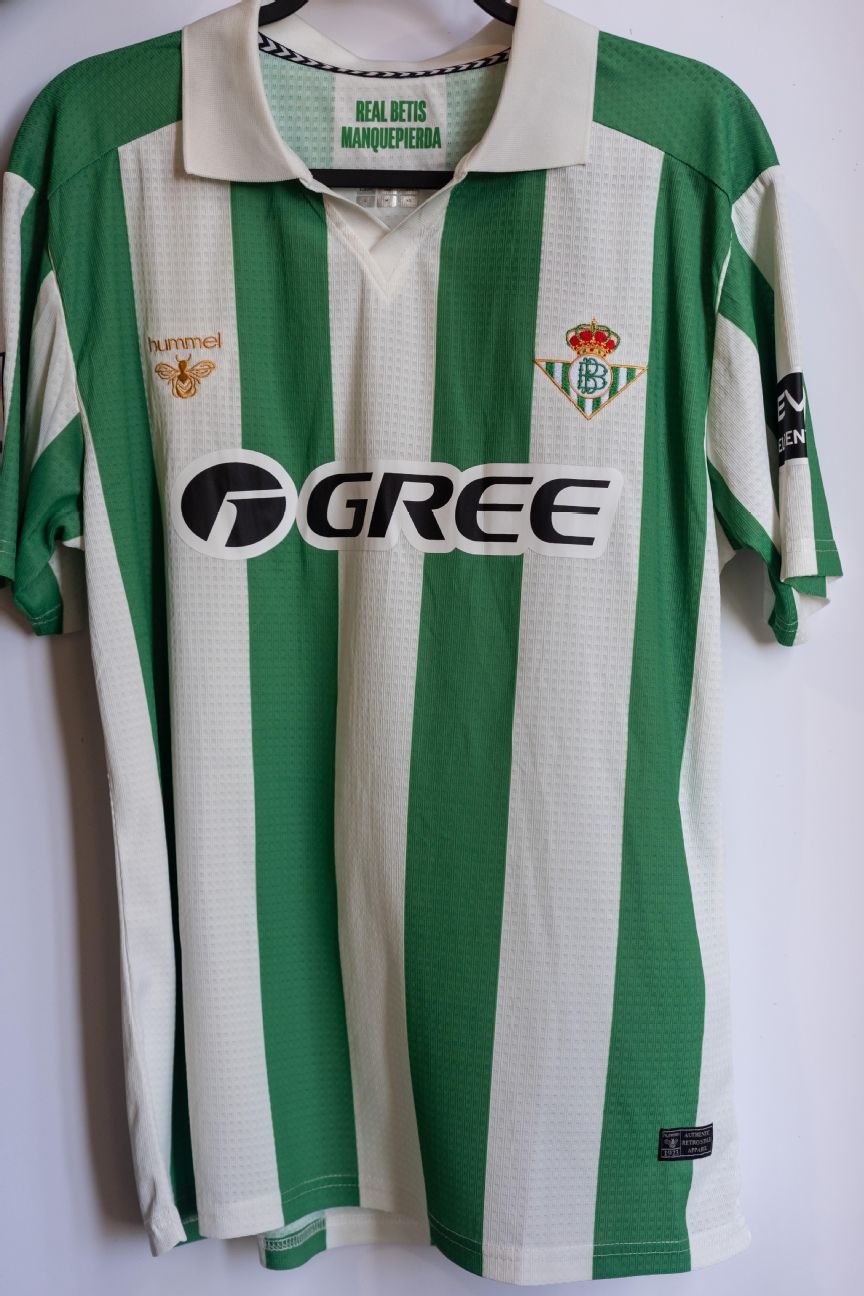
Betis definitely know their way around a retro-themed kit, having released dozens of lovely, classically styled jerseys in recent years. This particular design is intended to fold in four decades of history with classic bar stripes of the 1960s and 70s, a large folding collar from the 1980s and the embroidered club crest used in the 1990s. It’s easy on the eye, if not earth-shattering.
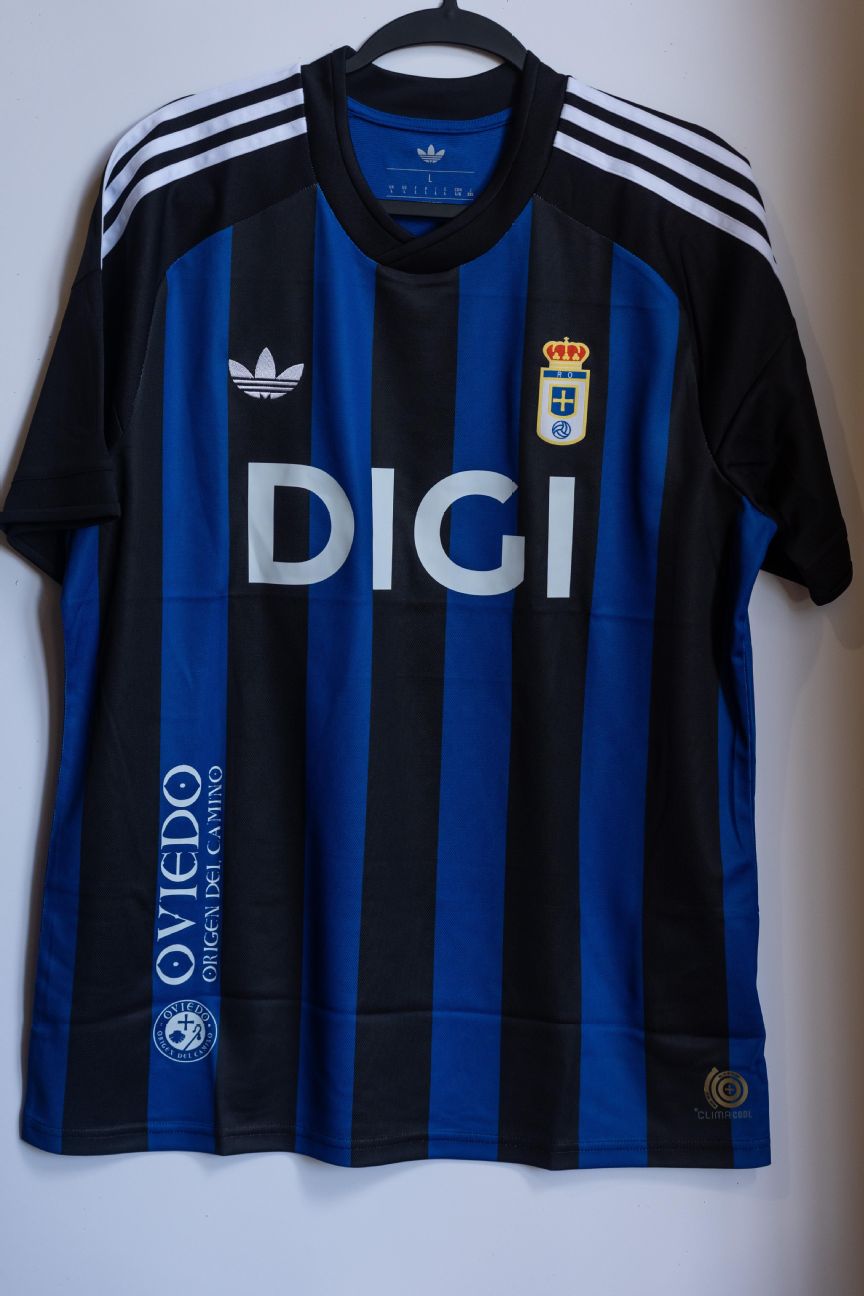
Oviedo have chosen to mimic the anniversary kit they released in 2017 to mark the club’s 91st anniversary, which saw a return to blue and black stripes. The trefoil emblem is a nice addition, as is the unorthodox asymmetric sponsor logo that is placed vertically in the bottom corner of the torso.
Absolutely magnificent stuff from Sociedad here, who have returned to the kits they wore during the final few seasons they spent playing at the historic Atotxa stadium, the club’s spiritual home for almost 80 years. The polo collar, ribbing and pattern on the trim bands just scream 1991-93 to us.
Another retro kit with that ever-popular trefoil branding, Sevilla have removed all clutter from their shirt and returned to their original home colors of white and chalky red, along with the circular “SFC” club crest they wore on their chest during the first two decades of the 20th century.
Inspired by the bright orange third kit worn by Los Che between 1990 and ’92, the modern variant retains the splashy “camo” style but loses some of the charm of the abstract brushstroke pattern that adorns the original.
Arguably the best of the lot, Villarreal have toned down their now-familiar bright yellow jersey to match the more muted tones they occasionally wore during the early 2000s — the era in which they really began to establish themselves as European competitors. It makes us instantly think of Juan Román Riquleme, and that can never be a bad thing.
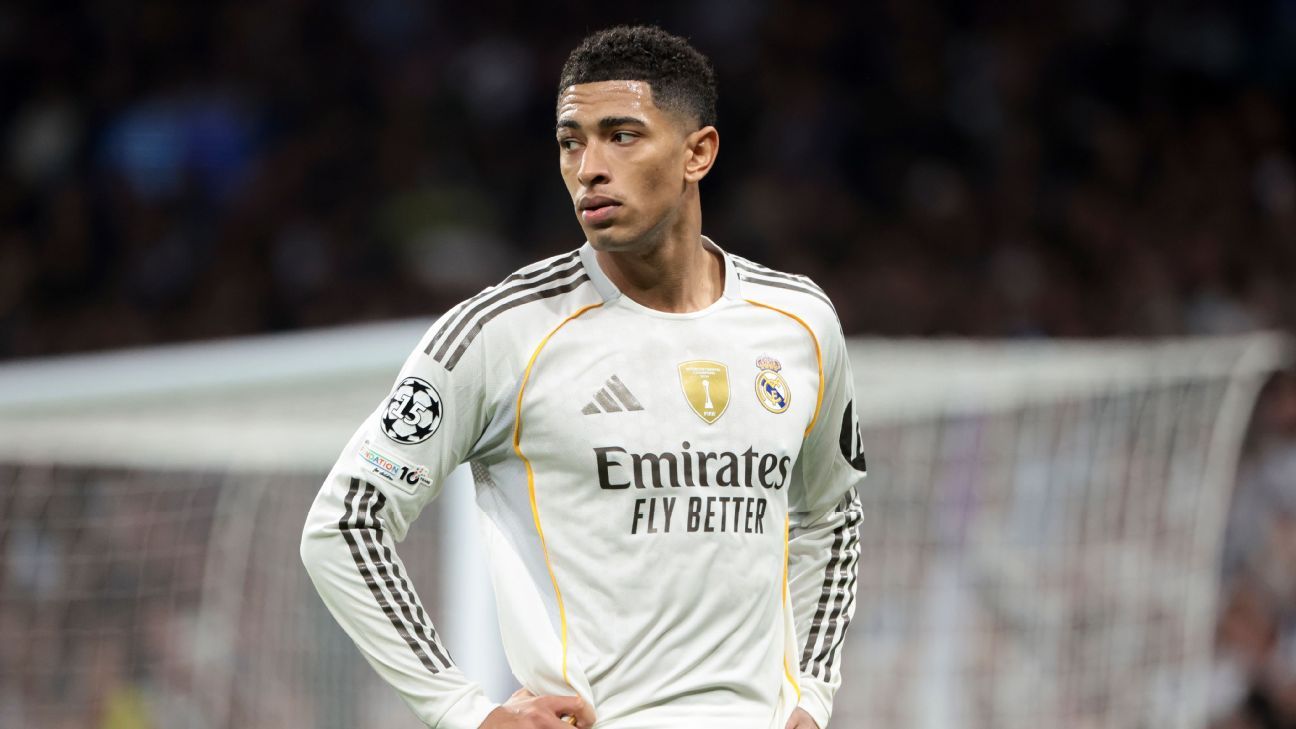
Real Madrid coach Álvaro Arbeloa has said Jude Bellingham is fit and available for the team’s derby clash with Atlético Madrid on Sunday, adding that he has no issues with the midfielder’s early call-up for England duty.
Bellingham has been named by Thomas Tuchel in England’s squad to play Uruguay and Japan, despite the fact that his last minutes for Madrid came on Feb. 1, when he suffered a hamstring injury.
The star travelled with Madrid’s squad in midweek for their Champions League round of 16 win over Manchester City but played no part in the game, and — speaking in a news conference on Saturday — Arbeloa confirmed that Bellingham is now ready to feature in LaLiga.
“He’s available, and he’ll be in the squad tomorrow,” Arbeloa said. “We’ll see if he plays. I think so. I’m looking forward to seeing him on the pitch. He’s an intelligent player, and he knows what to do in every moment. I’m happy he’ll be available and ready to help us tomorrow.”
Arbeloa said forward Kylian Mbappé was now “100%” after making his return from a knee sprain as a substitute against City, and insisted he was happy for both stars to go away with their national teams this month.
“I said that the day [Mbappé] came back he’d be at 100%,” Arbeloa said. “We saw that in Manchester, with the runs he made. He showed that he’s fine. I have absolute confidence… He’s at 100%.”
Mbappé is among France coach Didier Deschamps’ players to play Brazil and Colombia during the international break.
“I think it’s great,” Arbeloa said, when asked if he thought that might be premature. “He’s available, and he’s played minutes for us. So there’s no problem with him going away with his country… With players like Bellingham and Mbappé, you can’t expect them not to be called up by their national teams. The World Cup is in a few months. I understand the situation perfectly.”
– Jude Bellingham return to England will be managed carefully – Thomas Tuchel
– LaLiga Confidential: Spain’s soccer stars take ESPN’s player survey
– Transfer rumors, news: Man United move for Newcastle’s Guimarães
Madrid suffered a heavy 5-2 defeat to Atlético when the sides met earlier in the LaLiga season, but the team’s form has improved in recent weeks under Arbeloa — although the coach admitted he’d need to tweak his tactics to accommodate Mbappé and Bellingham.
“We’ll make some adjustments,” the coach said. “Of course it’s not the same playing with Brahim [Diaz] as with Mbappé, or with Jude or Thiago [Pitarch]… But they’ve been elite players for a long time, and they know what it means to work for the team.”
Arbeloa said there was “no timeline” for a return for Thibaut Courtois, who suffered a muscular injury against City, and praised defender Antonio Rüdiger, whose contract is due to expire this summer.
“I don’t like to get into those things,” Arbeloa said, when asked about a new deal for the veteran defender. “I respect the club and the player, and they have to reach an understanding. But I would make a statue of Rudiger and put it in my garden… I have only great things to say about him.”


Men’s March Madness live tracker: Updates on Saturday’s games

Dua Lipa pouts with director pal after locking major deal

Musk found liable to Twitter shareholders in fraud lawsuit over $44bn takeover

-
 Business1 week ago
US issues 30-day waiver for Russian oil shipments stranded at sea | The Express Tribune
-

 Fashion1 week ago
Chinese firm to invest $15.34 million in garment factory at BEPZA
-

 Fashion1 week ago
US unemployment rate 4.4% in Feb 2026, LFPR 62%: BLS
-

 Tech1 week ago
Tips and Advice for Buying Used or Refurbished Electronics
-

 Sports1 week ago
Bilas’ All-America teams: My top 20 men’s college basketball players of 2025-26
-
 Business1 week ago
Oil holds above $100 as tensions escalates between Iran, US and Israel – SUCH TV
-

 Entertainment6 days ago
Strategic oil stocks to be released ‘immediately’ in Asia and Oceania: IEA
-
 Business7 days ago
UAE savings strategies 2026 explained: Best apps, tools, budget rules and smart money hacks to beat rising cost of living in emirates – The Times of India