

Business
The Riskiest Loan: This Type Of Credit Has The Highest Default Rate In India

Last Updated:
Young borrowers, particularly those under 25, are the most likely to default, with higher stress levels recorded in tier-2 cities and rural regions
Young borrowers and fintech firms drive growth and risk in unsecured lending.
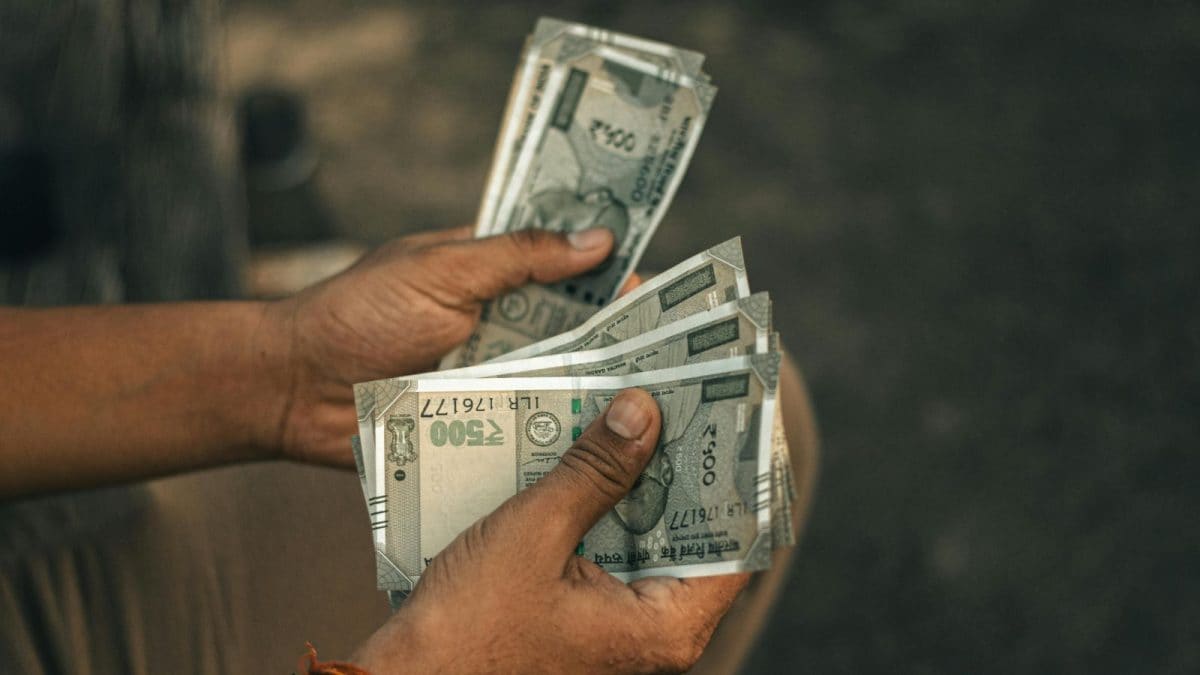
Loans that do not require any collateral, mainly personal loans and credit cards, now account for the highest share of repayment defaults in the banking system, the Reserve Bank of India (RBI) has warned in its latest Financial Stability Report.
According to the apex bank, unsecured retail loans now make up 53.1% of all retail loan defaults across scheduled commercial banks. The pressure is significantly higher on private lenders compared to state-run banks. RBI data shows that as much as 76% of total loan defaults at private banks come from unsecured loans, while the comparable figure for public sector banks is just 15.9%.
Overall, the non-performing asset (NPA) ratio for unsecured loans across banks is about 1.8%.
Unsecured loans are popular because they can be availed easily and the funds can be used for any purpose. However, they also carry the highest risk of default as there is no collateral backing the borrowing.
The RBI report also flagged the role of fintech lenders in expanding unsecured credit. More than 70% of the total loan book of fintech companies comprises unsecured loans, and over half of these are extended to borrowers below 35 years of age.
Borrowers who have taken unsecured loans from five or more institutions are especially vulnerable to repayment stress, RBI noted.
Between September 2024 and September 2025, fintech lending grew 36.1%, with personal loans forming the bulk of the growth. At the same time, growth in unsecured retail lending by banks has begun to accelerate again, even as lending to large corporates remains sluggish.
Credit card defaults continue to rise as spending surges. As of December, NPAs on credit cards stood at around Rs 6,742 crore, against a total outstanding of over Rs 2.92 lakh crore. Of this, dues pending between three months and one year amount to nearly Rs 34,000 crore.
Overspending and job losses are among the key drivers of card defaults, RBI said.
Personal loans, too, are seeing high repayment stress. The share of loans overdue for more than 90 days has climbed to 3.6%, with the highest default rate seen in loans of Rs 10,000 or less. Defaults in personal loans now account for 1.8% of the total NPAs in the system.
Young borrowers, particularly those under 25, are the most likely to default, with higher stress levels recorded in tier-2 cities and rural regions.
 Click here to add News18 as your preferred news source on Google.
January 01, 2026, 16:39 IST
Read More


Business
‘Ships continuously coming even amid blockage’: Centre assures 100% energy supplies across the country – The Times of India
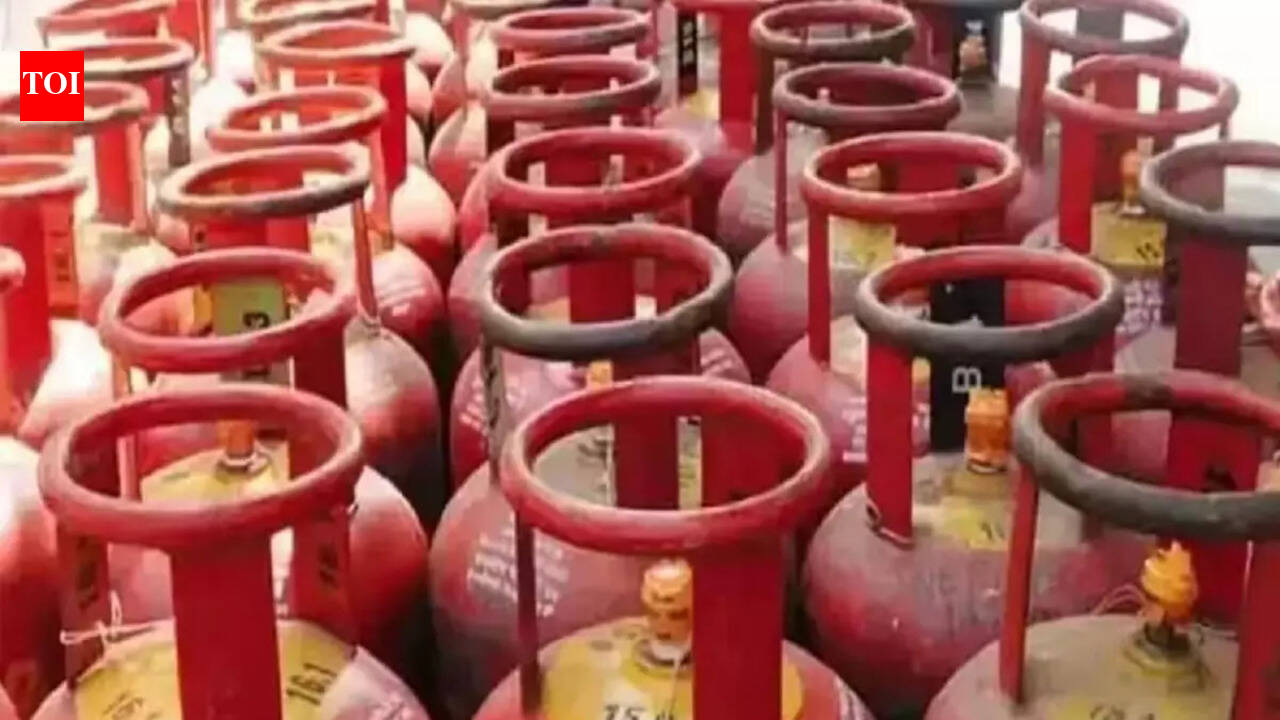
The Centre assured that LPG supply across the country is normal, despite rising tensions in the Middle East, with shipments sailing through the Strait of Hormuz without any disruption. Dismissing fears of any shortage in the nation, petroleum and natural gas secretary Neeraj Mittal, on Thursday, said that domestic availability remains stable. “I don’t see any problem anywhere. All domestic supplies are at 100 per cent,” he stated, adding that around 70 per cent of packed LPG has already been released into the system.While acknowledging the possibility of minor, localised supply bottlenecks, Mittal said such issues are routine and managed on a day-to-day basis.He also addressed concerns over maritime movement in the region, noting that vessel traffic has not faced delays. “Ships have been continuously coming even when there was a blockage. It takes its normal travel time. We are not talking about any delay in crossing the Strait,” he said.According to Mittal, the government is closely tracking developments and remains prepared to act if needed. “The government is reviewing this on a daily basis. If any change has to be made, it will be done,” he said.Speaking at a conference on energy security and India’s growing gas demand, Mittal further emphasised the need for preparedness in light of recent global developments. He highlighted that nearly 90% of India’s crude oil imports pass through the Strait of Hormuz, underlining its strategic importance.He further noted that India sources crude oil from 41 countries, natural gas from 30 countries, and LPG from 13 countries, stressing that such diversification plays a key role in shaping future energy policies.“The government is committed to ensuring that gas is available to all entities, and we are also focusing on diversification so that such crises do not impact supplies,” he said. Meanwhile, Green Asha, a fuel carrier with over 15,400 tonnes of LPG, also arrived in the country on Thursday after crossing Strait of Hormuz earlier this week.The conference, organised by the petroleum and natural Gas regulatory board (PNGRB) in partnership with Indraprastha Gas Limited (IGL), brought together stakeholders to discuss the expanding role of natural gas in the country’s energy mix.Discussions at the two-day event focused on infrastructure investment, regulatory support, and addressing sectoral challenges, while also encouraging innovation as India works to strengthen its energy security in the face of global uncertainties.
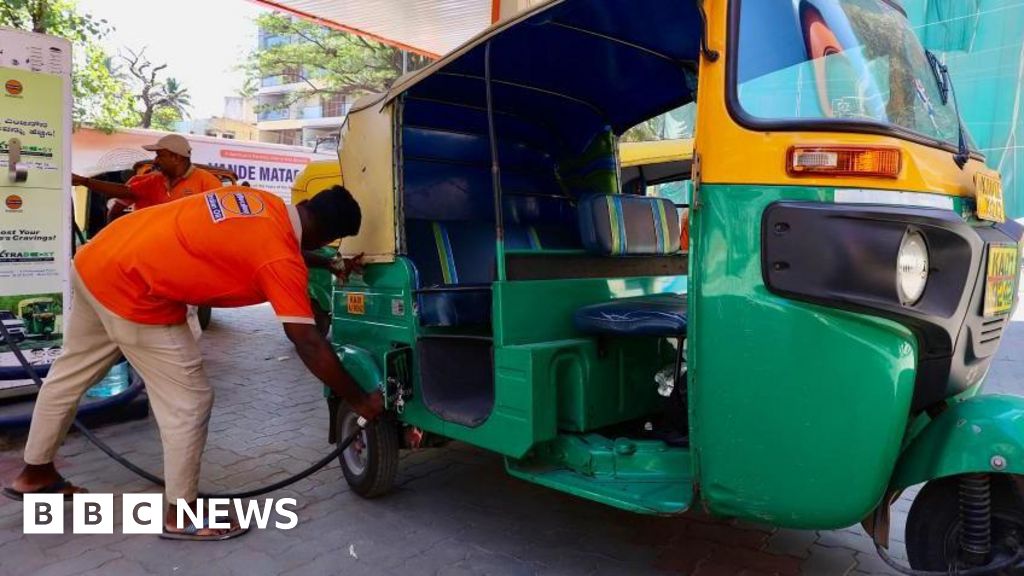
The cost of crude plunged on Wednesday after a deal was announced that includes the opening of the Strait of Hormuz.
Source link
Business
Strait of Hormuz open or close? Only a ‘trickle’ of oil leaving right now despite ceasefire – The Times of India
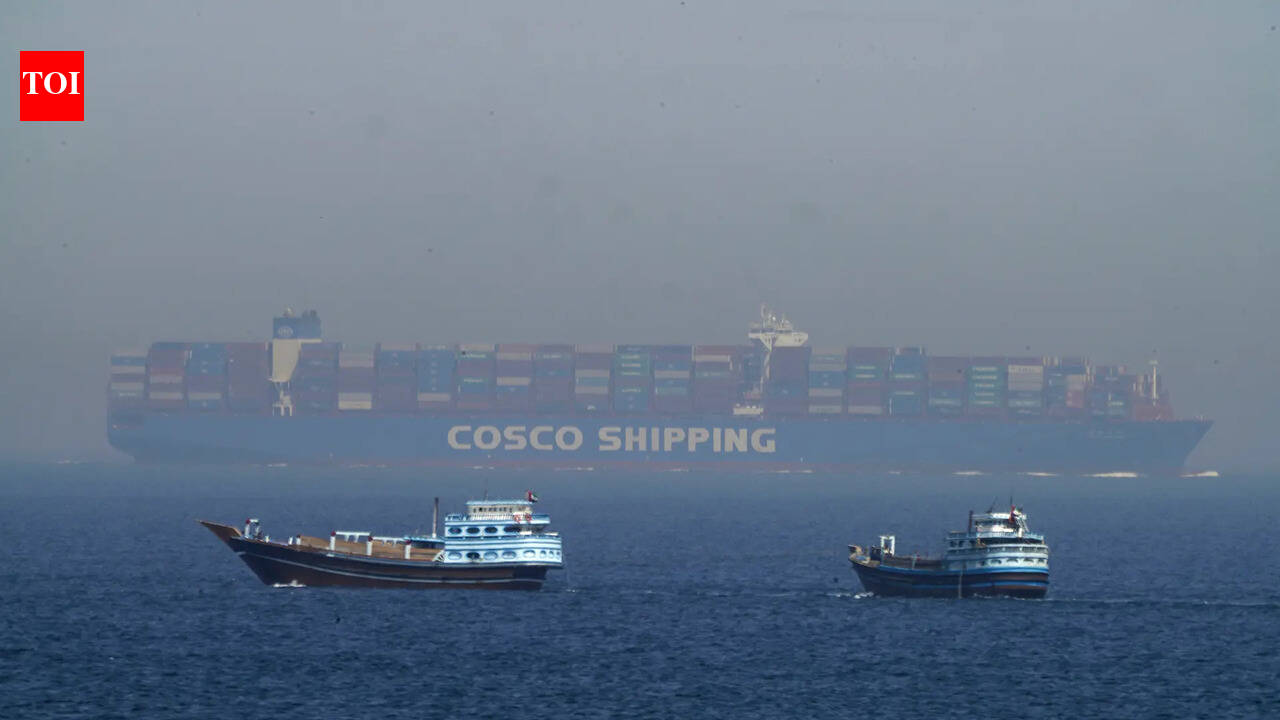
The tussle over the opening of the Strait of Hormuz continues as the Middle East crisis intensifies, with oil shipments yet to return to normal levels. According to a senior Gulf Oil adviser, any impact on fuel prices in the United States is likely to take time.Tom Kloza, the company’s chief energy adviser, told CNN that he is still “not seeing the evidence of more crude oil departing” the strait, even though reopening the route was reportedly part of the two-week ceasefire agreed on Tuesday night.Iran’s Islamic Revolutionary Guard Corps (IRGC) claimed that traffic through the strait slowed sharply and then stopped, blaming what it described as a violation of the ceasefire by Israel in Lebanon.Kloza said the situation remains uncertain and progress has been slow. “I would emphasize these are really baby steps right now. There’s no indication that the strait is going to reopen, and it seems like a flimsy ceasefire, to say what’s obvious,” he told CNN’s Jake Tapper.He added that only “a trickle” amount of oil is currently leaving the region. Because of the fragile ceasefire, companies are likely to be cautious about sending oil through the route.“It looks as though we’re weeks away from any restoration of even 50% or 70% of the Strait of Hormuz traffic that we depend on,” Kloza said.The situation could escalate further after US President Donald Trump on Thursday issued a fresh warning to Iran over the Strait of Hormuz. Posting on the social media platform Truth Social, he said American military forces and weapons would remain in place until the two sides reach a “real agreement”.“If for any reason it is not, which is highly unlikely, then the “Shootin’ Starts,” bigger, and better, and stronger than anyone has ever seen before. It was agreed, a long time ago, and despite all of the fake rhetoric to the contrary – NO NUCLEAR WEAPONS and, the Strait of Hormuz WILL BE OPEN & SAFE. In the meantime our great Military is Loading Up and Resting, looking forward, actually, to its next Conquest. AMERICA IS BACK!”Global energy supplies continue to face pressure as Iran restricts movement through the Strait of Hormuz, a vital route that carries around 20% of the world’s oil. The conflict has now stretched beyond a month, following strikes on Iran by the United States and Israel on February 28.Meanwhile, oil prices edged up on Thursday after recording their sharpest single-day drop since April 2020, as ongoing tensions in the Middle East and uncertainty over the Strait of Hormuz kept markets unsettled. Brent crude climbed back towards $97 a barrel after a 13% fall on Wednesday, while West Texas Intermediate hovered near similar levels.


Transfer rumors, news: Liverpool, Real Madrid work on mega midfield swap deal

Apparel imports in France rise to $26.6 bn in 2025
‘Ships continuously coming even amid blockage’: Centre assures 100% energy supplies across the country – The Times of India

-
Uncategorized7 days ago
[CinePlex360] Please moderate: “Trump signals p
-
 Business7 days ago
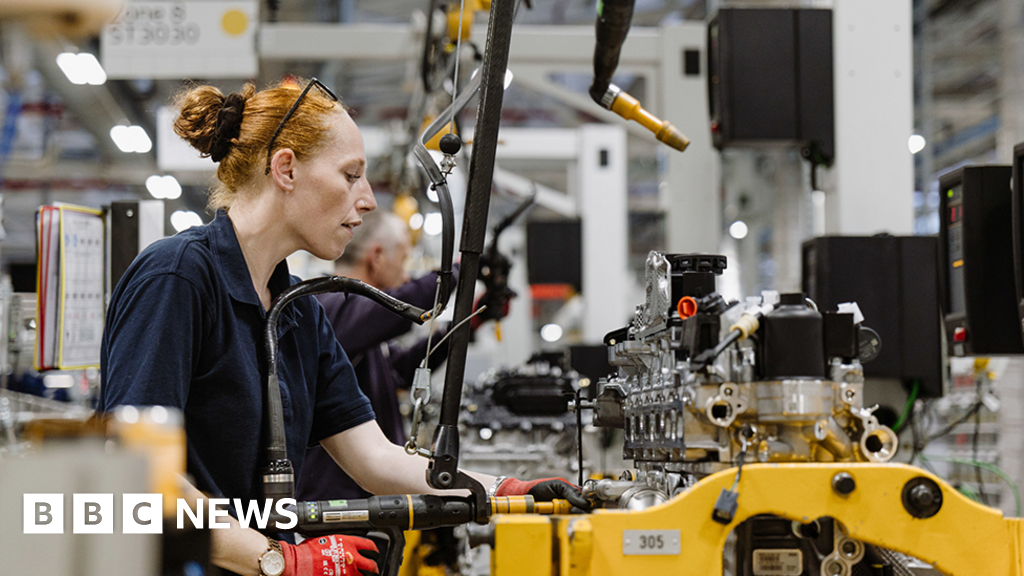
Jaguar Land Rover sees sales recover after cyber attack
-

 Entertainment6 days ago
Joe Jonas shares candid glimpse into parenthood with Sophie Turner
-

 Tech6 days ago
Our Favorite iPad Is $50 Off
-

 Fashion1 week ago
China’s Anta Sports posts record $11.62 bn revenue in 2025
-
 Politics6 days ago
Iran can sustain Strait of Hormuz closure for years, will cut US military logistics: Official
-

 Sports5 days ago
UConn Final Four run could trigger a $50M furniture giveaway for Massachusetts-based Jordan’s Furniture
-
 Business6 days ago
Video: Why Is the Labor Market Stuck?