

Tech
There Are Hundreds of VPNs, But I Only Recommend These 6

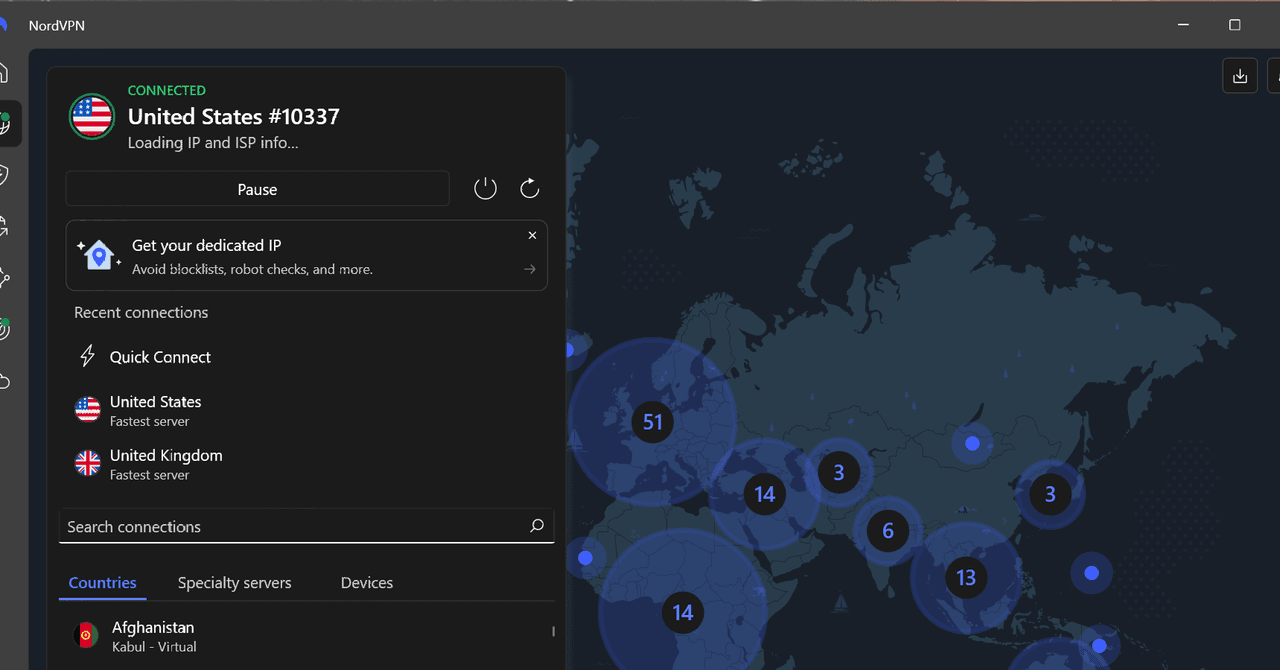
VPNs, Compared
Other VPNs We’ve Tested
EventVPN is the new hotness in the VPN world. It’s a free, ad-supported VPN that comes from ExpressVPN. Ads and VPNs don’t really mix, but EventVPN says it’s able to offer a free service via Apple’s App Tracking Transparency (ATT) and Identifier for Advertisers (IDFA), basically allowing it to serve ads without harvesting your personal data. The problem is the pervasiveness of ads. A banner lives at the top of the app at all times, and you’ll need to sit through a 30-second ad each time you connect or disconnect; a big problem when some servers posted unreasonably slow speeds. I’ll admit that EventVPN is a unique concept, but I see nothing about it that’s better than ProtonVPN or Windscribe for a free VPN service. And when it comes to the inconvenience of sitting through ads, it’s straight-up worse.
Private Internet Access (PIA) has a long history in the VPN space, and it’s maintained a track record of defending user privacy—even in the face of actual criminal activity. In 2016, a criminal complaint was filed in Florida against Preston Alexander McWaters for threats made online. McWaters was eventually convicted and sentenced to 42 months in prison. Investigators traced the online threats back to PIA’s servers and subpoenaed the company. As the complaint reads, “A subpoena was sent to [Private Internet Access] and the only information they could provide is that the cluster of IP addresses being used was from the east coast of the United States.” McWaters engaged in several other identifying activities, according to the complaint, but PIA wasn’t among them. Despite such a clear view of a VPN provider upholding its no-logging policy, PIA didn’t impress me during my tests. It’s slightly more expensive than a lot of our top picks, and it delivered the worst speeds out of any VPN I tested, with more than a 50 percent drop on the closest US server. (Windscribe, for context, only dropped 15.6 percent of my speed.)
MysteriumVPN is the go-to dVPN, or decentralized VPN, as far as I can tell. The concept of a decentralized VPN has existed for a while, but it’s really gained traction over the last couple of years. The idea is to have a network of residential IP addresses that make up the network, routing your traffic through normal IP addresses to get around the increasingly common block lists for VPN servers. Mysterium accomplishes this network with MystNodes. It’s a crypto node. People buy the node to earn crypto, and they’re put into the Mysterium network. It’s not inherently bad, but routing your traffic through a single residential IP is a little worrisome. Even without the decentralized kick, Mysterium was slow, and it doesn’t maintain any sort of privacy materials, be it a third-party audit, warranty canary, or transparency report.
PrivadoVPN is one of the popular options to recommend as a free VPN. It offers a decent free service, with a handful of full-speed servers and 10 GB of data per month. You’ll have to suffer through four—yes, four—redirects begging you to pay for a subscription before signing up, but the free plan works. The problem is how new PrivadoVPN is. There’s no transparency report or audit available, and although the speeds are decent, they aren’t as good as Proton, Windscribe, or Surfshark. PrivadoVPN isn’t bad, but it’s hard to recommend when Proton and Windscribe exist with free plans that are equally as good.
VPNs to Avoid
You’ll find dozens of free VPNs all claiming to protect your privacy. Most of them don’t. There are plenty of VPNs I don’t recommend, but these are a few I’ve tested worth mentioning.
Hola is an infamous name in the VPN industry, but it’s been close to a decade since its very public debacle. Hola is free, and it’s able to stay free because it uses a peer-to-peer network. Hola also owns Bright Data (formerly Luminati), which is a data collection company. In 2015, Hola sold access to the network of its free users (via Luminati), which was used in a distributed denial-of-service attack on 8chan. It’s been a decade since that incident, but Hola still operates in a similar way. If you don’t pay, you could be used as an exit node in Bright Data’s network, and the privacy policy makes it clear that Hola logs data about your usage, including your IP address, the pages you visit, and timestamps.
X-VPN is available on desktop, but it primarily shows up in results on the Apple App Store and Google Play, targeting mobile users with a free offering. X-VPN hasn’t done anything explicitly wrong like Hola, but it has way too many inconsistencies to recommend. For starters, it uses a proprietary VPN protocol, which it obfuscates within the app. Proprietary protocols like NordVPN’s NordLynx and ExpressVPN’s Lightway are based on existing, open source protocols. Further, X-VPN was highlighted in a Tech Transparency Project report about free VPNs with links to the Chinese government; X-VPN is based in Hong Kong. There’s no smoking gun with X-VPN, but there doesn’t need to be. The speeds aren’t the best, the app lacks basic features like split tunneling, and the pricing for a paid plan is in line with top providers.
How We Test VPNs
Functionally, a VPN should do two things: keep your internet speed reasonably fast, and actually protect your browsing data. That’s where I focused my testing. Extra features, a comfy UI, and customization settings are great, but they don’t matter if the core service is broken.
Speed testing requires spot-checking, as the time of day, the network you’re connected to, and the specific VPN server you’re using can all influence speeds. Because of that, I always set a baseline speed on my unprotected connection directly before recording results, and I ran the test three times across both US and UK servers. With those baseline drops, I spot-checked at different times of the day over the course of a week to see if the speed decrease was similar.
Security is a bit more involved. For starters, I checked for DNS, WebRTC, and IP leaks every time I connected to a server using Browser Leaks. I also ran brief tests sniffing my connection with Wireshark to ensure all of the packets being sent were secured with the VPN protocol in use.
On the privacy front, the top-recommended services included on this list have been independently audited, and they all maintain some sort of transparency report. In most cases, there’s a proper report, but in others, such as Windscribe, that transparency is exposed through legal proceedings.
Power up with unlimited access to WIRED. Get best-in-class reporting and exclusive subscriber content that’s too important to ignore. Subscribe Today.











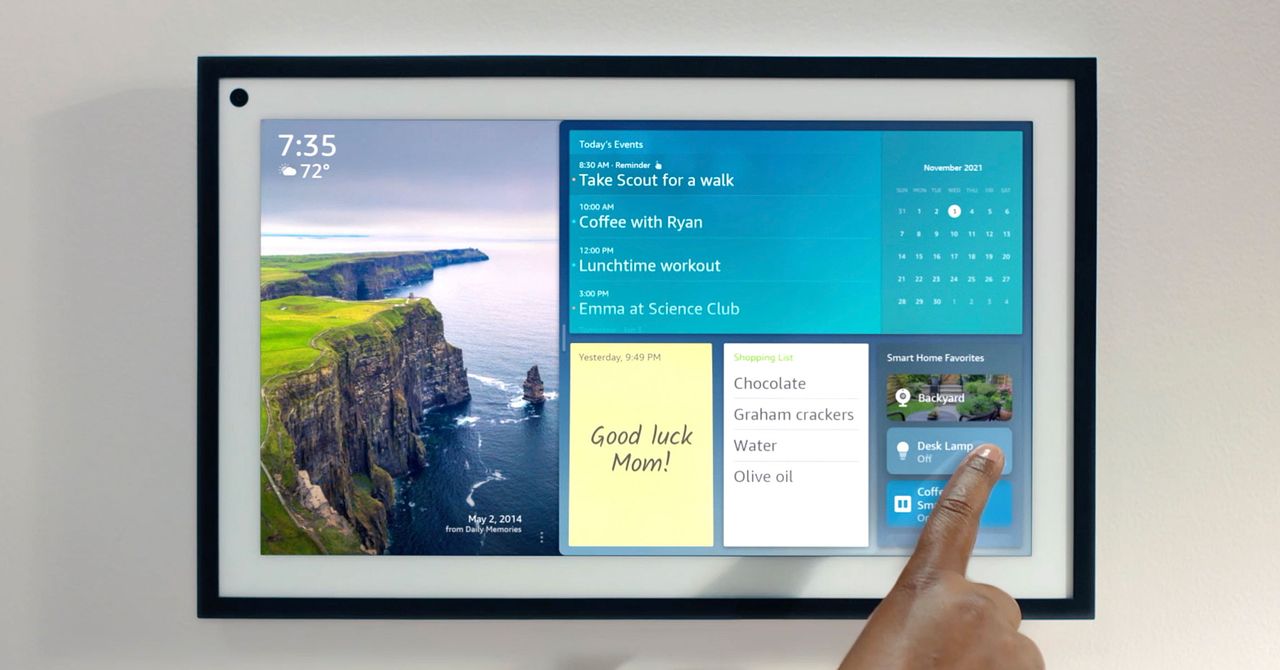
I stuck Amazon’s Echo Show 15 and its Alexa+ AI assistant in my kitchen for a month. Things have not gone well.
Source link

South Korean officials have warned that the US-Israel war with Iran could hit the global semiconductor supply chain if it disrupts the flow of critical industrial materials from the Middle East.
South Korea’s semiconductor sector, led by giants like Samsung Electronics and SK Hynix, produces about two-thirds of the world’s memory chips. If the Middle East’s supply of chipmaking materials is disrupted, semiconductor production could slow unless alternative sources are found quickly.
The Helium Problem
One material at risk is helium, which is essential in chip manufacturing for managing heat, detecting leaks, and maintaining stable temperatures in fabrication equipment. For many of these uses, there is no real substitute.
About 38 percent of the world’s helium is produced by Qatar, where large extraction facilities are tied to the natural gas industry. This concentration means that disruptions can quickly ripple through the global supply chain.
National oil company QatarEnergy declared force majeure on March 4, after stopping its gas production and downstream operations due to ongoing attacks. Downstream facilities turn gas into other products, including urea, polymers, methanol, and aluminum.
South Korea’s Industry Ministry said the country also depends on the Middle East for 14 other materials in chipmaking, such as bromine and some chip-inspection equipment. While some of these materials can be sourced domestically or from other markets, shifting suppliers in the semiconductor sector is difficult because chipmakers need to test and validate new sources to meet strict purity standards.
Companies say the situation is manageable for now. As reported by Reuters, SK Hynix said it has secured diverse supply chains and maintains sufficient helium inventories, adding that there is “almost no chance” its operations would be affected in the near term.
Contract chipmaker TSMC similarly said it does not currently anticipate a significant impact, while GlobalFoundries stated it is in direct contact with suppliers and has mitigation plans in place.
Stuck in Transit
Even if Qatar’s gas production restarts, the semiconductor industry is vulnerable to disruptions in regional shipping routes. Much of the world’s energy and petrochemical exports from the Persian Gulf pass through the Strait of Hormuz, a key maritime choke point.
If shipping through this corridor is interrupted for an extended period, it could slow the movement of industrial gases and petrochemicals that chipmakers rely on. Disruptions to oil and gas exports from the region have also already pushed global energy prices higher: Brent crude, the European benchmark, is priced at $80 per barrel at the time of publication.
Energy costs are a major factor in semiconductor production. Fabrication plants run large clean rooms that need constant electricity and cooling, so chipmakers are sensitive to changes in global energy prices. Industry representatives in South Korea warned that a prolonged conflict could push energy prices higher, likely leading to higher semiconductor production costs and potentially higher chip prices.
These risks come as semiconductor supply chains are already stretched by growing demand from AI computing. Chip demand from AI data center operators has tightened supply across several electronics sectors, including smartphones, laptops, and automobiles.
A Long-Term Problem
For now, the immediate impact on chip production is unclear. Major chipmakers usually maintain a mix of suppliers and stockpile specialty gases and chemicals to help weather short-term disruptions.
But if instability in the region continues, pressure on supply chains will likely grow. A drawn-out conflict that hits energy infrastructure, export facilities, or shipping routes could slowly squeeze the global supply of materials needed for chipmaking.
This could delay plans by major technology companies to expand artificial intelligence infrastructure in the Middle East. Firms such as Amazon, Microsoft, and Nvidia have been positioning the UAE as a hub for AI computing capacity.
This story originally appeared on WIRED Middle East.

Chances are that when you google “mattress store near me,” one of the first results you will see is Mattress Firm. This brick and mortar titan carries both established mattress brands like Serta and Sealy, as well as many online brands, like Purple, letting you go see for yourself if it’ll be the mattress for you. And if you were looking for an excuse to hop in the car and head over, we have a Mattress Firm coupon available right now, as well as tons of Mattress Firm promo codes to save big on those big (and small) purchases. Fingers crossed that you could start sleeping better, potentially as soon as tonight.
Upgrade Your Sleep Sale: Save Up to $600 (Plus Get a Free Adjustable Base)
This year, Mattress Firm wants to make it even easier (and more affordable) to upgrade your sleep with the Upgrade Your Sleep Sale. During this sale, you can save up to $600 and get a free adjustable base included on select mattresses, through April 28. You’ll receive a free Sleepy’s Basic adjustable base (a $300 value) with select mattress purchases—this means a free queen adjustable base with a minimum $499 purchase, or free king adjustable base with minimum $599 purchase.
Get 15% Off When You Sign Up for Emails
To make sure you never miss out on Mattress Firm discount codes, you can sign up for email notifications. By doing so, you automatically get one! You can get an extra 15% off on your first order. Heads up that it can’t be combined with other coupons, nor can it be applied to specific brands and models, including Nectar, Purple, Sealy Hybrid, Tempur-Pedic, Stearns & Foster, and Serta iComfort.
Free Adjustable Base (Up to $499 Value) With Select Mattresses
First and foremost, make sure you have or are getting a mattress that’s compatible with an adjustable base. If you’re all set bed-wise, but have been looking for the right time to buy an adjustable base, consider this your sign: select mattresses come with a free adjustable base (up to $499 value). At last, you can sit up in bed or kick up your feet to your heart’s content.
Score Up to $300 in Instant Credits and Gifts
Mattress Firm’s got a gift for you, just ‘cuz. For those eyeballing Tempur-Pedic, Sealy, and Sterns & Foster in particular, it’s your lucky day, as there are Mattress Firm coupon codes for all three of these brands.
Starting with Tempur-Pedic, when you buy a qualifying Tempur-Pedic mattress, you can receive a $300 Instant Credit on these adjustable bases: Tempur-Ergo, Tempur-Ergo Smart Base, Tempur-Ergo ProSmart Base, Tempur-Ergo ProSmart Air Base, or the Sealy Ease Base. Use code TEMPURGIFT. You can also get a $300 credit toward these same adjustable bases when you purchase a qualifying Stearns & Foster mattress: use code STEARNSGIFT at checkout.
Lastly, if you wanted to pair a Sealy mattress with the Sealy Ease adjustable base (or any of the aforementioned adjustable bases), there’s a Mattress Firm coupon for that, too. Use code SEALYGIFT at checkout, and get a $200 Instant Credit on select Sealy and Tempur-Pedic adjustable bases.
Take 20% Off With Military, Medical, Student, or Teacher Discounts
Sleep is a necessity for everyone. But for those who work all day on their feet, and have to be dialed in at all times, sleep is critical. This is especially true for first responders, nurses, doctors, and medical professionals. As a way to say “thank you” for all that you do, there’s a special mattress firm discount just for you. Use the Mattress Firm first responder discount for 20% off select purchases. It’s for one-time use, but renews every 90 days when you re-verify your status.
For military members, as a way to thank you for your service, you can use the Mattress Firm military discount for 20% off select purchases as well. It’s a one-time use code, but re-verify your status every 90 days, and you can get a new one!
If you’re a teacher or student, there’s also a Mattress Firm discount for you, too. To help you bounce back after long days teaching, or late nights studying, use this Mattress Firm student discount code for 20% off select purchases. Like the first responder and military coupons, it’s a one-time usage code that can be renewed every 90 days when you re-verify your status.


Stock market today: Which are the top losers and gainers on March 6- check list – The Times of India

Bangladesh road map aims at raising tax-to-GDP ratio to 15% by 2035

Watch: How war in Iran may affect food and fuel prices

Attock Cement’s acquisition approved | The Express Tribune

India Us Trade Deal: Fresh look at India-US trade deal? May be ‘rebalanced’ if circumstances change, says Piyush Goyal – The Times of India

Policy easing drives Argentina’s garment import surge in 2025

-
Business1 week ago
Attock Cement’s acquisition approved | The Express Tribune
-
Business1 week ago
India Us Trade Deal: Fresh look at India-US trade deal? May be ‘rebalanced’ if circumstances change, says Piyush Goyal – The Times of India
-
 Fashion1 week ago
Policy easing drives Argentina’s garment import surge in 2025
-

 Politics1 week ago
What are Iran’s ballistic missile capabilities?
-

 Politics1 week ago
US arrests ex-Air Force pilot for ‘training’ Chinese military
-

 Sports7 days ago
LPGA legend shares her feelings about US women’s Olympic wins: ‘Gets me really emotional’
-

 Entertainment7 days ago
What’s new in Pokémon? Every game, update, surprise from 30th anniversary event
-
 Business7 days ago
Greggs to reveal trading amid pressure from cost of living and weight loss drugs