

Entertainment
Trump administration moves to tighten duration of visas for students, media

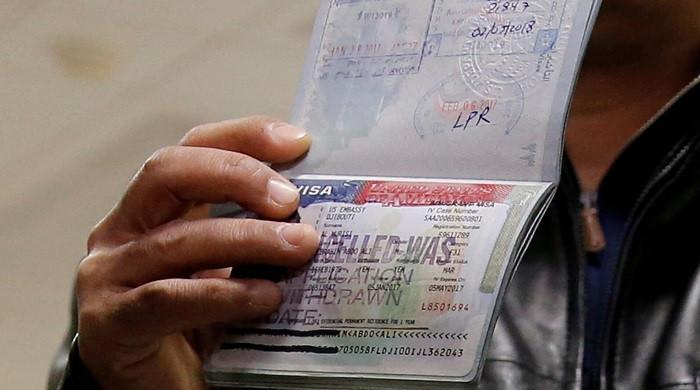
- Proposed regulation caps student, exchange visas at four years max.
- Media visas may shrink to 240 days or 90 days for Chinese nationals.
- About 1.6 million foreign students are currently in the US on F visas.
The Trump administration aims to tighten the duration of visas for students, cultural exchange visitors and members of the media, according to a proposed government regulation issued on Wednesday, part of a broader crackdown on legal immigration.
President Donald Trump, a Republican, kicked off a wide-ranging immigration crackdown after taking office in January.
The latest move would create new hurdles for international students, exchange workers and foreign journalists who would have to apply to extend their stay in the US rather than maintain a more flexible legal status.
The proposed regulation would create a fixed time period for F visas for international students, J visas that allow visitors on cultural exchange programs to work in the US, and I visas for members of the media.
Those visas are currently available for the duration of the program or US-based employment.
There were about 1.6 million international students on F visas in the US in 2024, according to US government data.
The US granted visas to about 355,000 exchange visitors and 13,000 members of the media in fiscal year 2024, which began on October 1, 2023.
The student and exchange visa periods would be no longer than four years, the proposed regulation said. The visa for journalists – which currently can last years – would be up to 240 days or, in the case of Chinese nationals, 90 days. The visa holders could apply for extensions, the proposal said.
The Trump administration said in the proposed regulation that the change was needed to better “monitor and oversee” the visa holders while they were in the United States.
The public will have 30 days to comment on the measure, which mirrors a proposal put forward in 2020 at the end of Trump’s first term in office.
NAFSA, a non-profit organisation representing international educators at more than 4,300 institutions worldwide, opposed the 2020 proposal and called on the Trump administration to scrap it.
The Democratic administration of then-President Joe Biden withdrew it in 2021.
The Trump administration has increased scrutiny of legal immigration, revoking student visas and green cards of university students over their ideological views and stripping legal status from hundreds of thousands of migrants.
In an August 22 memo, US Citizenship and Immigration Services said it would resume long-dormant visits to citizenship applicants’ neighbourhoods to check what it termed residency, moral character and commitment to American ideals.
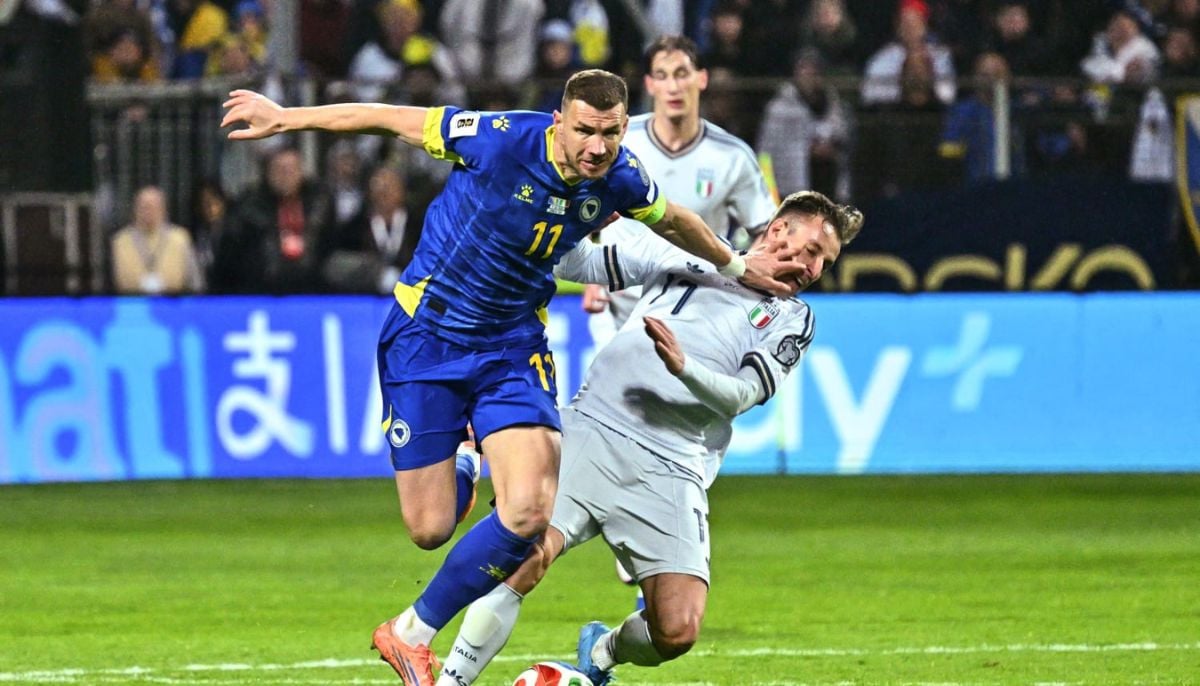
The Italian government has slammed a proposal by a U.S. government official to replace the Iranian team with Italy in the FIFA World Cup 2026. The Italian football team was not able to qualify for the World Cup for the third consecutive tournament, despite being a four-time champion.
Iran’s participation in the mega event is in serious doubt amid the ongoing U.S.-Israel war against Iran. All the group matches of the Persian team are scheduled to take place in the United States.
Iranian officials have requested FIFA to reschedule Iranian matches in Canada or Mexico, the co-hosts for 2026 sporting showpiece.
The Iranian Ministry of Sports and Youth has clarified that all the necessary arrangements have already been made for the team’s effective participation in the tournament.
Despite the assurance, Paolo Zampolli, a U.S. envoy for global relations, presented the idea to replace Iran with Italy, saying, “With four titles, they have the pedigree to justify inclusion.”
Italian Sports Minister Andrea Abodi rejected the proposal, saying, “You qualify on the pitch.” Italian Minister of Economy and Finance Giancarlo Giorgetti also rebuked the suggestion, describing it as “shameful.”
Italian Olympic Committee President Luciano Buonfiglio was the third high-ranking official to say no to the idea, adding, “It’s not possible. In order to go to the World Cup, you have to earn it.”
FIFA responded by reiterating the Infantino’s statement, “The Iranian team is coming here, for sure.”

At least 10 people have been hurt in a horrific shooting incident at the Mall of Louisiana. According to the Baton Rouge Police Department, two of the injured are in critical condition.
Police Chief TJ Morse has ruled out any threat to public at this time; however, the shooter remains at large. He added that the incident was not a random act of violence.
Morse said: “Unfortunately there was some innocent people in the area that might have also caught some rounds.”
The initial investigation reveals that an argument between two groups of people sitting inside the food court escalated to the point that opened fire at each other.
Arounf six victims were taken to the hospital by emergency services while the others went for medical aid by personal vehicle. Some of the injured were undergoing surgery.
Officers from the Federal Bureau of Investigation (FBI) were also present at the scene.
East Baton Rogue Mayor-President Sid Edwards was also present on the scene. He updated that all the civilians were excorted out of the building. He requested public to “keep the victims and their families in your prayers.”
Louisiana Governor Jeff Landry also released a statement, saying, “I am aware of the active shooter schene at the Mall of Louisiana.” He urged public to avoid the area, adding, “Sharon and I are praying for those affected.”
He also praised the law officials for their quick response to the incident.
The incident comes just hours after the police arrested a man on his way to Louisiana allegedly with the intent to carry out a mass shooting at a festival in New Orleans.
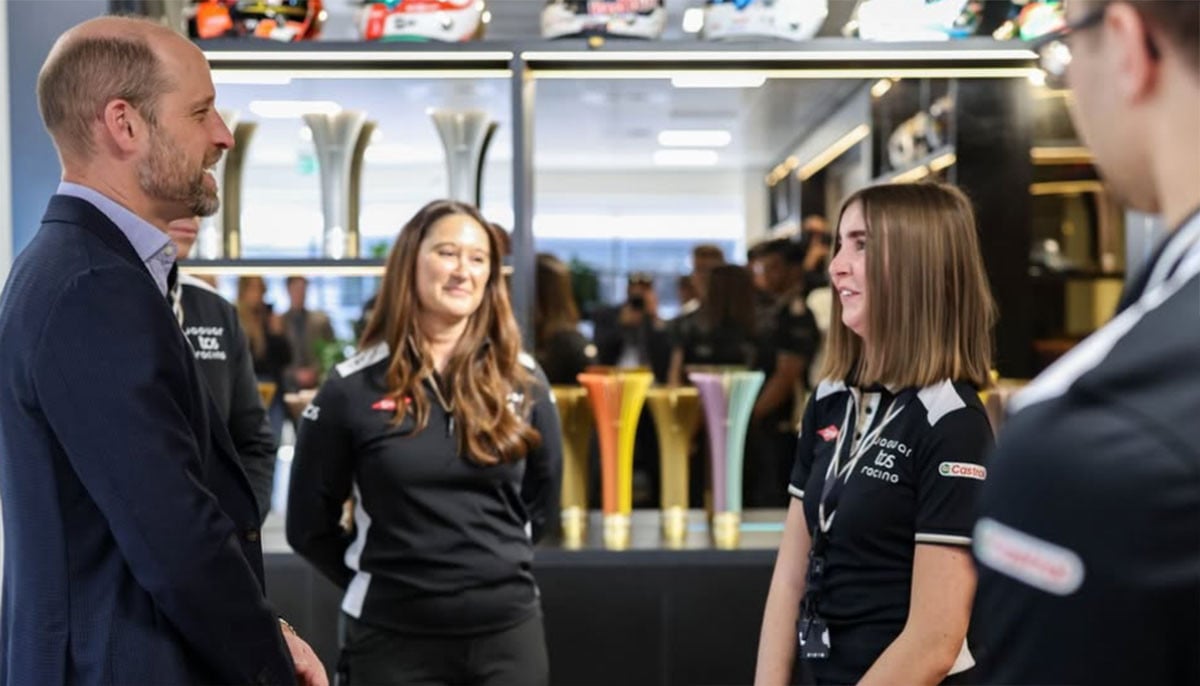
Prince William took a turn behind the scenes of high-speed innovation this week, visiting the headquarters of Jaguar TCS Racing and putting the spotlight firmly on the future of electric motorsport.
Sharing a clip from his visit on Instagram, the Prince of Wales captioned it: “Going green with Jaguar TCS Racing and Formula E!” a nod to the team’s push toward electrification, sustainability.
William also brought his trademark curiosity to the table, joking with engineers about how far automation in racing could eventually go.
Speaking during the visit, he quipped: “At what point does the driver become the weak link?”
Before pushing the thought further: “(At what point do we think) get rid of drivers, we’ll get an AI person in? We’re probably not far off that, are we?”
The Prince also spent time speaking 22-year-old Phoebe Russell, where the conversation turned to careers in motorsport and the barriers still faced by women entering the industry.
William asked: “Was it easy for you to find your way into this world?” to which Russell replied: “Not at all,” explaining she had early exposure to the sport through family connections.
After the visit, Russell admitted the encounter left her overwhelmed, saying: “Being asked to do a little career talk was very exciting.
The fact that he had so much awareness of the sport and so much interest, and it ties into his whole sustainability project, it was very interesting.”
Before leaving, William signed off with encouragement for the team ahead of their next challenge, telling them: “I’m very excited to see you racing, I’m going to cheer you guys on.”


US Special Forces Soldier Arrested for Polymarket Bets on Maduro Raid
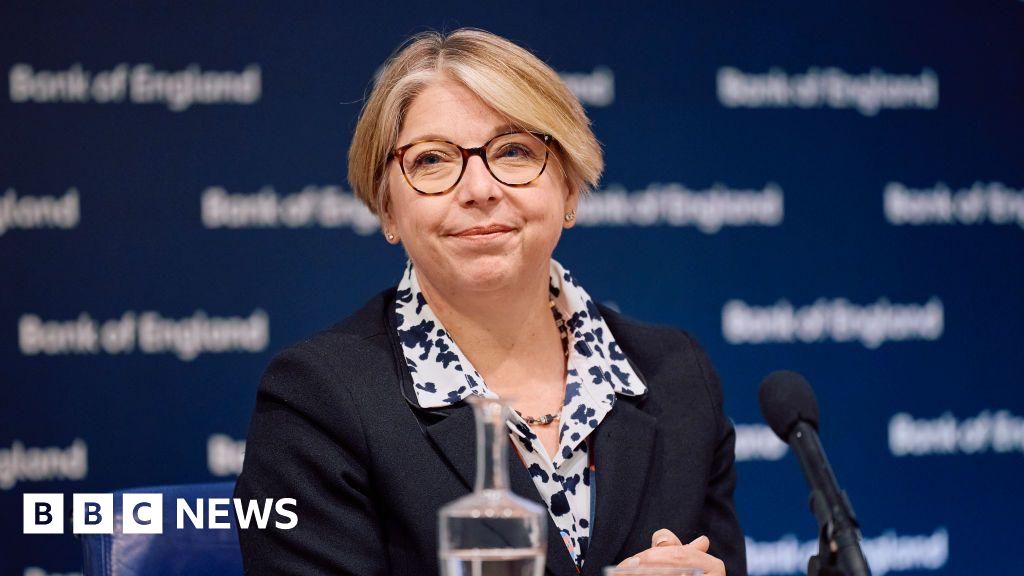
Global stock markets are too high and set to fall, says Bank of England deputy

Newly Deciphered Sabotage Malware May Have Targeted Iran’s Nuclear Program—and Predates Stuxnet

-

 Fashion1 week ago
France’s LVMH Q1 revenue falls 6%, shows resilience amid Iran war
-

 Entertainment1 week ago
Is Claude down? Here’s why users are seeing errors
-

 Tech1 week ago
The Deepfake Nudes Crisis in Schools Is Much Worse Than You Thought
-

 Sports1 week ago
PSL 11: Peshawar Zalmi win toss, opt to field first against Quetta Gladiators
-
 Business1 week ago
Standard Life buys rival in £2b deal to create savings giant
-

 Tech1 week ago
CYBERUK ’26: UK lagging on legal protections for cyber pros | Computer Weekly
-

 Fashion1 week ago
Raymond unveils luxury Chairman’s Collection Store in Mumbai
-
 Business1 week ago
PepsiCo earnings beat estimates as North American food business improves