

Business
UAE market stability, food prices, stock update amid Iran–US-Israel escalation: Panic buying in the emirates as oil prices surge? – The Times of India


Amid escalating geopolitical tensions in West Asia, including recent missile exchanges involving Iran, the United States and Israel that rattled Gulf cities and triggered regional alerts, the United Arab Emirates has reassured the public that its markets remain stable and strategic food reserves are secure. Despite periodic jitters in financial markets and broader concerns about supply chains during such crises, the UAE’s Ministry of Economy and Tourism has firmly stated that essential commodities, both food and non-food, are available in ample quantities across all retail outlets nationwide with no indications of shortages or disruptions.The ministry confirmed that it is actively monitoring stock levels through advanced digital systems that collect and analyse data daily, ensuring that supplies remain sufficient and that price stability is maintained even in the face of heightened uncertainty across the region. Strategic reserves of staple goods are held at high and diversified levels, and import flows continue normally, thanks in part to the UAE’s broad network of global trading partners and diversified supply routes. Officials have urged residents not to panic-buy or engage in excessive stockpiling, emphasising that the country’s resilience and preparedness will protect everyday life and commerce.
UAE’s economic stability amid regional strains due to Iran and US–Israel clashes
The backdrop to this reassurance includes not only concerns about food and essential supplies but also financial market reactions to geopolitical stress. In recent days, UAE stock indices experienced modest declines as investors reacted to uncertainty stemming from stalled diplomatic talks and the heightened possibility of conflict involving Iran, with major developers and banks seeing pressure on share prices. Meanwhile, oil prices climbed on fears of supply disruption, reflecting how deeply energy markets are tied to regional stability.

Is There Food Shortage in UAE? Government Issues Major Update on Supplies
Despite such volatility, the UAE government’s proactive policies, from diversified import sources and strategic reserves to real-time price monitoring, appear to be cushioning the broader economic ecosystem. Markets, logistics networks and supply chains remain functional, underscoring the robustness of the nation’s economic framework even during moments of geopolitical stress.
Why food security in the UAE matters now
Food security is a pressing issue in the Gulf as the UAE imports a significant portion of its food, making secure supply chains vital for national well-being. In times of international turbulence, quick spoilage or disruption in trade corridors, for example due to maritime tensions in the Red Sea or risks to the Strait of Hormuz, can rapidly feed public anxiety. However, authorities have continuously stressed that comprehensive planning, diversified sources and strong logistical infrastructure support uninterrupted availability of essential goods.This robust stance is aligned with the UAE’s broader approach to economic resilience: strengthening strategic reserves, maintaining a diversified import portfolio and leveraging a world-class transport and logistics network. These measures help ensure that no single route, region or event can significantly destabilise supply, a critical priority not just for food but for overall economic and social stability.
UAE’s public reassurance and official messaging amid Iran and US–Israel clashes
Officials have also been careful to reinforce calm and confidence among residents, urging the public to rely on verified information and to avoid succumbing to rumours or fear-driven buying behaviour. This messaging is part of a broader communications strategy seen in recent days, including high-level appeals to stability from security and government departments, emphasising that the UAE’s internal environment remains steady even as external tensions persist.
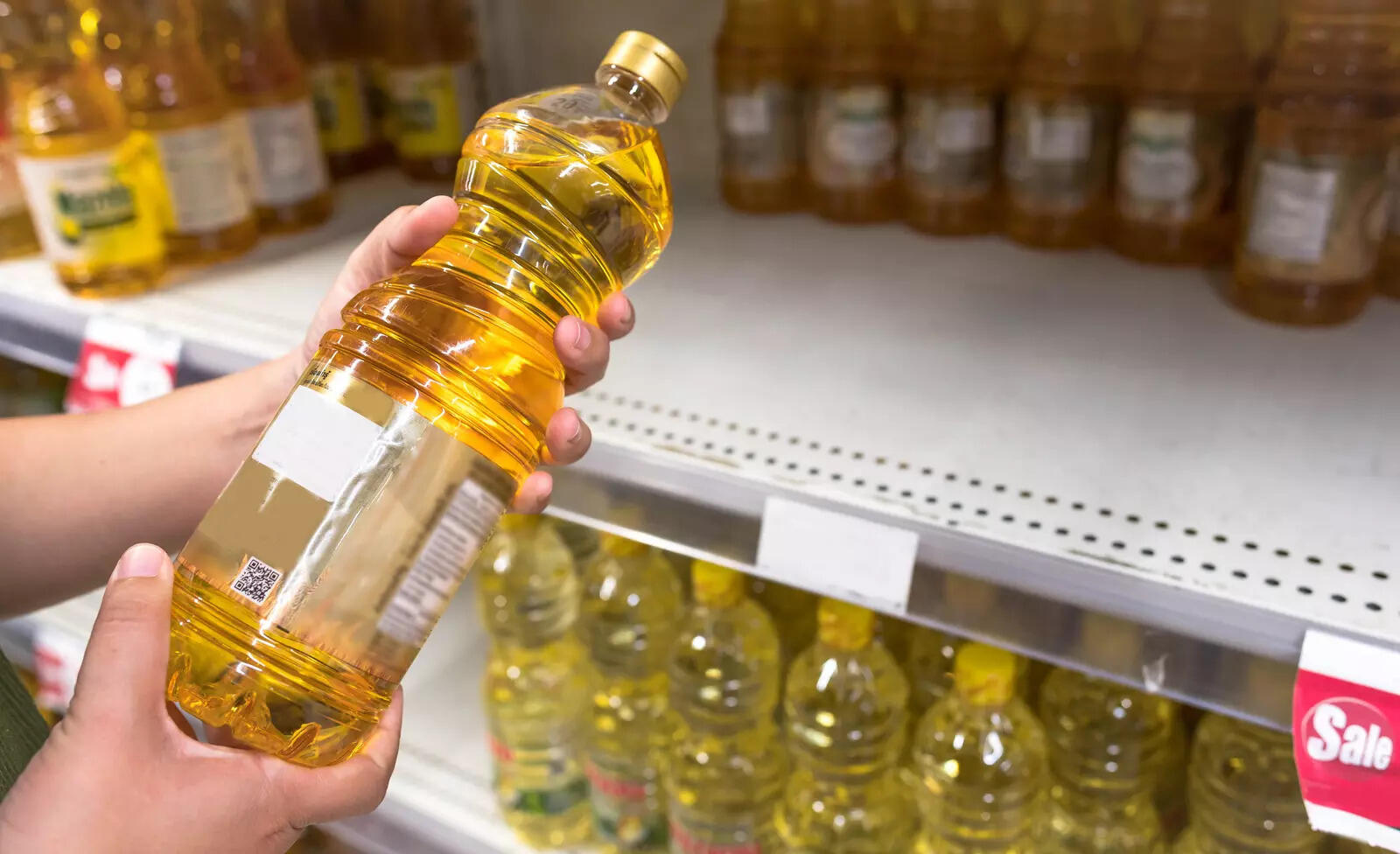
Will UAE Food Prices Rise? Authorities Respond as Oil Prices Surge
At a time when headlines are dominated by clashes and diplomatic strains in the Middle East, the UAE government’s message is clear: everyday life, market operations and access to essentials are secure, underpinned by sound economic planning and resilient supply chains. The UAE Ministry of Economy and Tourism has confirmed that markets are stable and stocked with essential food and goods, with robust strategic reserves in place.Import activity and supply flows are proceeding normally, with no indication of shortages despite regional tensions. Financial markets have faced some pressure due to geopolitical uncertainty but core economic functions remain resilient. Authorities continue to monitor data in real time and have urged the public not to panic buy, reassuring residents of the country’s preparedness.



Business
UAE announces petrol and diesel prices for March 2026: Are drivers paying the war tax amid Iran and US–Israel clashes? – The Times of India
The United Arab Emirates Fuel Price Committee has released its official fuel price updates for March 2026, giving motorists a clear picture of how much they will be paying at the pump for petrol and diesel this month. The monthly revision, which takes effect from March 1, 2026, reflects shifts in global crude oil markets and aligns local retail prices with international trends, as part of a pricing regime introduced when the UAE deregulated fuel prices in 2015.
UAE’s new fuel prices for March 2026 amid Iran and US–Israel clashes
Here’s how the UAE petrol and diesel prices stack up for March –
- Super 98 petrol: Dh 2.59 per litre (up from Dh 2.45 in February)
- Special 95 petrol: Dh 2.48 per litre (up from Dh 2.33)
- E-Plus 91 petrol: Dh 2.40 per litre (up from Dh 2.26)
- Diesel: Dh 2.72 per litre (up from Dh 2.52)
These increases end a brief period of cheaper fuel at the start of 2026, when prices had dipped in January and February following earlier declines. The committee reviews fuel prices monthly to reflect average international oil prices and the costs associated with refining and distribution.
Why fuel prices in the UAE increased: Global oil market context amid Iran and US–Israel clashes
The rise in local pump prices for March comes amid broader global oil price pressures, partly driven by geopolitical tensions in the Middle East, especially the recent escalation involving Iran, the United States and Israel, which have pushed crude prices up in recent weeks. These tensions can heighten a geopolitical risk premium in oil markets, meaning traders factor in extra costs due to supply disruption fears, particularly around strategically important chokepoints like the Strait of Hormuz, through which about a fifth of global crude oil passes.
UAE Fuel Prices March 2026: Petrol and Diesel Costs Rise Amid Global Oil Pressures
In addition, crude oil benchmarks such as Brent have been trending higher compared with the months that underpinned February’s fuel prices, nudging the committee toward a modest upward adjustment at the pump.
How UAE’s monthly fuel pricing system works
Since 2015, the UAE has used a market-linked fuel pricing mechanism. Under this system:
- Oil prices are averaged over the month preceding the pricing decision.
- The government adds refining, distribution and retail costs to set local prices.
- These adjusted rates are then announced at the end of each month and apply for the following month.
This approach ensures that UAE petrol and diesel prices reflect actual global supply and demand dynamics rather than being fixed — a policy that both informs consumers and aligns local fuel costs with international benchmarks.
What it means for drivers in the UAE
For everyday motorists and commercial transporters in the UAE, slightly higher fuel costs mean filling up a typical compact car will cost more than last month. Diesel-powered vehicles, widely used in logistics and trucking, will also face marginally increased costs. Monthly budget planning may need to accommodate these shifts, especially if crude prices remain elevated.While the hike in March is not a dramatic leap, it reflects how closely UAE fuel prices are tied to global oil market moves, which in turn respond to factors such as geopolitical events, seasonal demand and production decisions by major oil-producing countries.
UAE Fuel Prices Surge: Geopolitical Tensions Drive Up Costs for Drivers
Fuel prices in the UAE are expected to continue reflecting global crude dynamics in the coming months. If geopolitical tensions ease or global oil supply increases, pump prices might stabilise or even head lower again later in 2026. Conversely, further upward pressure on crude could lead to higher fuel rates in April and beyond.For now, drivers in the Emirates should prepare for a slight increase at the pump but also keep an eye on international news and oil markets, as these will shape future pricing decisions. UAE fuel prices rose in March 2026, with petrol and diesel up across all major grades. Super 98 is Dh 2.59/litre, Special 95 is Dh 2.48, and diesel is Dh 2.72. Price changes reflect global oil market trends, influenced by geopolitical risk and crude cost movement. Fuel pricing in the UAE is reviewed monthly under a market-linked system introduced in 2015.
KARACHI:
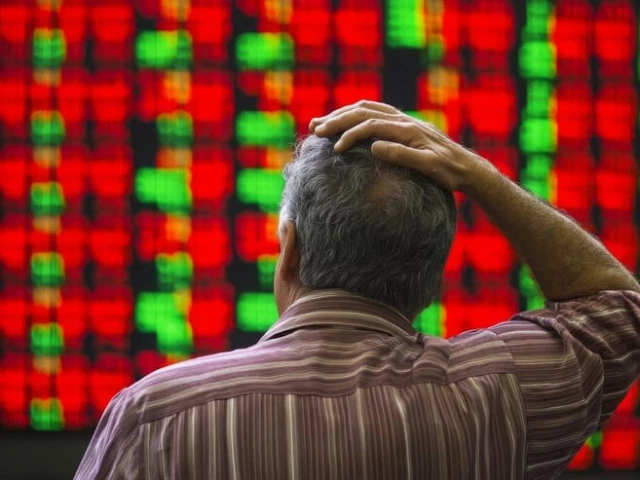
The Pakistan Stock Exchange (PSX) came under sustained pressure during the outgoing week, shedding 2.9%, or nearly 5,110 points, to close at 168,062 amid geopolitical tensions, cross-border security concerns and cautious investor sentiment.
The decline coincided with the arrival of an International Monetary Fund (IMF) mission for the third review of Pakistan’s $7 billion Extended Fund Facility and the Resilience and Sustainability Facility assessment, keeping market participants focused on external financing prospects and macro-stability signals.
On a day-on-day basis, the PSX commenced the week on a distinctly negative note, with the benchmark KSE-100 index closing at 167,691, down 5,479 points (-3.16%), marking the fourth-largest single-day decline in history.
On Tuesday, the bourse witnessed another highly volatile session as the index extended its corrective phase, reflecting persistent fragility in investor sentiment. The benchmark plunged to the intra-day low of 163,908 amid continued selling pressure before selective buying emerged, lifting the index to 166,259 at close, down 1,433 points (-0.85%).
The market experienced another volatile session on Wednesday as bearish pressure ultimately outweighed intermittent buying interest. The KSE-100 closed at 164,626, lower by 1,632 points (-0.98%). The PSX witnessed a strong recovery on Thursday, with the benchmark index gaining 4,267 points (+2.59%) to close at 168,893.90. The market ended the week with a range-bound, yet volatile session and the index settled at 168,062, down 831 points (-0.49%).
Arif Habib Limited (AHL) noted that the KSE-100 faced a sharp sell-off during the week, closing at 168,062 points, down 2.9% week-on-week (5,108 points), amid persistent selling pressure, heightened geopolitical concerns and cross-border tensions.
An IMF delegation has arrived to conduct the third review under the $7 billion Extended Fund Facility (EFF) and the second review under the Resilience and Sustainability Facility (RSF).
During the week up to February 26, 69 companies, representing 83% of the KSE-100’s market capitalisation, announced their 2025 results, where their combined profit amounted to Rs1.6 trillion, reflecting a 5.9% year-on-year growth. Major contributors to the profitability were sectors such as investment banking, auto assemblers, miscellaneous and textiles, boasting a YoY growth of 50%, 44%, 36% and 31%, respectively, AHL said.
Gas production was down 4.4% WoW to 2,688 million cubic feet per day (mmcfd), whereas oil production was down 3% WoW to 60,888 barrels per day (bpd). The State Bank’s liquid foreign exchange reserves stood at $16.2 billion, reflecting an increase of $16 million. Meanwhile, the Pakistani rupee remained largely stable against the US dollar, marginally strengthening to close at Rs279.47/$, AHL added.
Wadee Zaman of JS Global said that the KSE-100 declined again during the outgoing week amid rising geopolitical tensions and domestic security concerns, falling 5,108 points (2.9%) WoW, bringing the cumulative decline since its Jan’26 peak to 11.2% from 189,167 points. The index staged a partial recovery towards the weekend on reports of constructive progress in Iran-US negotiations, with further talks scheduled in Vienna next week.
On the macro front, the IMF mission has arrived for the third review of the EFF, under which discussions are set to commence next week. The fund acknowledged Pakistan’s policy stabilisation efforts but reportedly flagged risks around securing the one-year rollover of $2 billion UAE deposits. The finance minister expressed confidence, citing an existing short-term arrangement and ongoing talks for a longer-term extension, Zaman said.
Separately, Pakistan’s planned $250 million Panda bond issuance has been delayed due to its weak credit profile, limiting direct access to Chinese debt markets. The SBP’s latest data showed that profit repatriation increased by 26% to $1.7 billion while foreign direct investment declined 41% in 7MFY26. In another major development, according to the power minister, Pakistan expects to complete its first 200-megawatt electricity transaction under a competitive wheeling auction by June 2026, Zaman added.
Business
From early flop to Hollywood heavyweight, Skydance eyes Warner Bros takeover after 20-year rise – The Times of India

Two decades after debuting with a box office failure that drew harsh reviews, Skydance Productions is now poised to become one of the most powerful forces in global entertainment, with a proposed takeover of Warner Bros. Discovery marking the latest chapter in its dramatic rise, according to news agency AP report.Founded in 2006 by David Ellison, son of Oracle co-founder Larry Ellison, the studio began as a relatively obscure entrant in Hollywood. Its first film, Flyboys, a World War I drama starring Ellison himself, failed commercially and critically, prompting early doubts about the company’s future.Yet the studio steadily built momentum through partnerships, strategic financing and franchise-driven successes. Today, following its merger with Paramount and a fresh bid to acquire Warner Bros. Discovery, Skydance stands on the verge of transforming into a media powerhouse spanning film, television, streaming and news assets.“It’s only a surprise to those who haven’t been paying attention to the long game,” said Walter Nicoletti, founder of film production company Voce Spettacolo. “This is a sort of a silent takeover. Skydance didn’t start as a predator. It started as an essential partner.”
From outsider to industry player
When Ellison launched Skydance at age 23, the company barely registered in Hollywood’s competitive landscape. Early criticism of Flyboys was scathing, with reviewers calling it “cloyingly formulaic” and an “inflated wannabe epic.”Despite setbacks, Ellison continued investing in large-scale productions and partnerships with major studios and platforms including Paramount, Netflix and Apple. Over time, Skydance produced a string of commercially successful films and series, culminating in the billion-dollar hit Top Gun: Maverick in 2022 starring Tom Cruise.Jason Squire, a former studio executive and emeritus professor at the University of Southern California, said Ellison’s rise reflected both persistence and financial backing.“One of the traditions of entering the movie business is serious wealth, or access to serious wealth,” Squire said, AP quoted. “But once you get a foothold, you have to demonstrate that wealth — by buying things, acquiring projects… They became a player.”He added, “He became a member at the table when these partnerships and the infusion of dollars really set him up on a really strong trajectory. It’s quite amazing.”
Expansion through mergers and deals
Rather than being acquired by a larger studio, Skydance ultimately became the acquirer. After years of collaboration, it merged with Paramount last year, gaining control of networks including MTV, Comedy Central, Nickelodeon and CBS.Since then, Ellison has expanded aggressively, securing agreements ranging from streaming rights for Ultimate Fighting Championship to partnerships with creators of the hit series Stranger Things.Netflix had also been viewed as a potential buyer of Warner Bros. Discovery, but Skydance ultimately emerged as the winning bidder after the streaming giant withdrew its offer. Regulatory approval remains the final hurdle.Tre Lovell, a Los Angeles media lawyer, described the company’s ascent as unprecedented. “This was absolutely a meteoric rise. Two decades from its formation to its current position to become one of the most powerful media companies in the world is nothing less than incredible,” he said.
A reshaped media landscape
If the Warner deal is finalised, Ellison would oversee an expansive portfolio including HBO, HGTV, Food Network and CNN, significantly expanding Skydance’s footprint across entertainment and news.The move also highlights shifting industry dynamics, with consolidation raising concerns among some executives about reduced competition. Squire said he was “no fan” of the takeover despite acknowledging Skydance’s remarkable trajectory.Warner Bros. enters the deal from a position of creative strength, having secured 30 Oscar nominations and a 21% domestic box-office share in 2025, compared with Paramount’s 6%.For Ellison, the transformation marks a striking reversal from the early days when the failure of Flyboys reportedly left him hospitalised with atrial fibrillation. Two decades later, the studio once dismissed as a vanity project now stands at the centre of Hollywood’s biggest power shift.“Hollywood has seen David-versus-Goliath moments before,” said Vikrant Mathur, co-founder of streaming company Future Today.


Jake Fiegen’s game-winning 3 sends Cornell past 1st-place Yale

Dua Lipa declared ‘Queen of Pop’ after surprise performance at BRITs

X Is Drowning in Disinformation Following US and Israel’s Attack on Iran

-
 Business1 week ago
US Top Court Blocks Trump’s Tariff Orders: Does It Mean Zero Duties For Indian Goods?
-

 Fashion1 week ago
ICE cotton ticks higher on crude oil rally
-

 Politics1 week ago
Pakistan carries out precision strikes on seven militant hideouts in Afghanistan
-

 Entertainment1 week ago
The White Lotus” creator Mike White reflects on his time on “Survivor
-
 Business1 week ago
Eye-popping rise in one year: Betting on just gold and silver for long-term wealth creation? Think again! – The Times of India
-

 Sports1 week ago
Brett Favre blasts NFL for no longer appealing to ‘true’ fans: ‘There’s been a slight shift’
-

 Fashion1 week ago
India’s $28 bn reset: How 5 trade deals will reprice its T&A exports
-

 Entertainment1 week ago
Viral monkey Punch makes IKEA toy global sensation: Here’s what it costs