

Business
United CEO Scott Kirby says higher airfare could be ahead after fuel price spike


Scott Kirby, CEO of United Airlines, speaks during the WSJ’s Future of Everything 2025 at the Glasshouse on May 29, 2025 in New York City.
Michael M. Santiago | Getty Images
BOSTON — United Airlines CEO Scott Kirby said the spike in fuel prices since the U.S. and Israel attacked Iran on Saturday will have a “meaningful” impact on the carrier’s financial results this quarter, but he added that demand has been resilient.
Jet fuel, airlines’ biggest expense after labor, has surged 58% since last Friday, going for $3.95 a gallon on Thursday, according to the Argus U.S. Jet Fuel Index.
“If it continues we’ll feel it in Q2 also,” Kirby said after an event Thursday afternoon where he discussed the future of air travel at Harvard John A. Paulson School of Engineering and Applied Sciences.
United, like most major U.S. carriers, doesn’t hedge fuel, a practice where airlines or other companies lock in prices using futures contracts or other products. A Boeing 737-800 can hold 6,875 gallons of fuel, according to a manufacturer guide.
“No one hedges anymore and even if you do, hedging the crack spread is really hard to do,” Kirby said. The crack spread is the difference between the price of crude oil and products like gasoline.
When asked when the higher fuel costs will start affecting airfares, Kirby said it will “probably start quick.”
He added that travel demand has been resilient over all, with booked revenue up 20% from a year ago. Demand “has not taken even a tiny step back,” he said.
Kirby spoke less than two weeks before airlines are set to attend a closely watched JPMorgan industry conference where airline executives often update their financial outlooks.
His comments are an early sign of how global airlines are impacted by the war, which left more than a million people stranded after over 25,000 flights were canceled, forcing customers to find alternatives to flight chaos in the Middle East.
A new segment is emerging for United because so many customers have been caught up in airspace closures and massive flight cancellations in the Middle East since Saturday’s attacks and other strikes throughout the week.
Dubai International Airport in the United Arab Emirates is the busiest international airport in the world, according to the Airports Council International, while Hamad International Airport that serves Doha, Qatar, is another major hub.
The airports are gateways to millions of passengers flying to and from destinations that span Australia, India, Europe and North America. But customers have been forced to avoid the Middle East amid airspace closures.
“Each day this week, we have booked over 1,000 people from Australia and New Zealand to Europe. Last year, we booked less than one a day,” Kirby said, adding that Europe is the strongest region in the world for bookings now.
United is also in talks with the Trump administration for potential charter flights to get citizens out of the Middle East, Kirby said, but that plans haven’t been set yet.




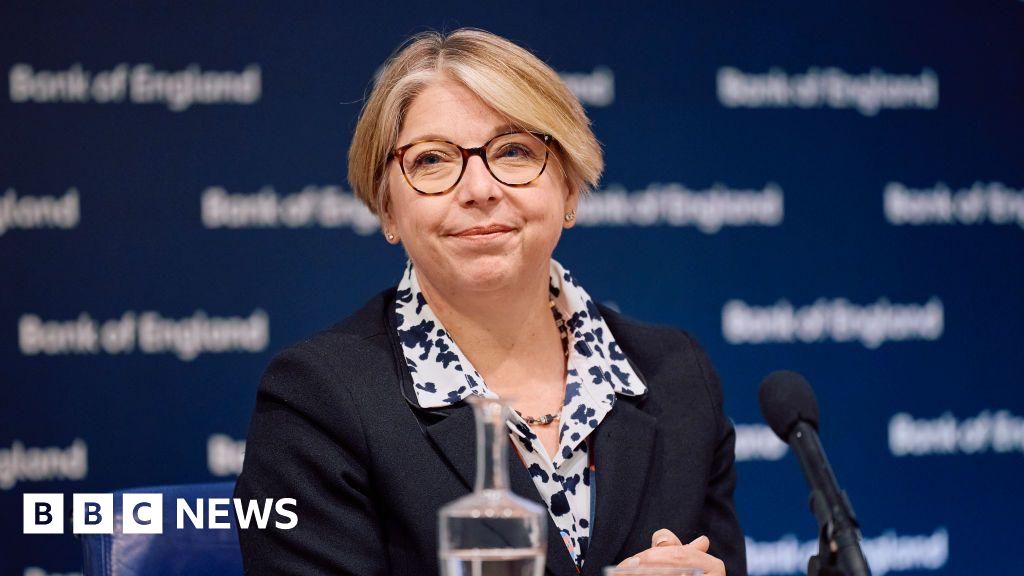
It is unusual for a senior figure at the Bank to be so forthright on market movements.
Source link

People walk past a Nike store in New York City, on April 2, 2025.
Kylie Cooper | Reuters
Nike announced a new round of layoffs Thursday affecting approximately 1,400 employees across the organization, mostly concentrated in its technology department.
In a note from COO Venkatesh Alagirisamy, the company said the layoffs were part of Nike’s broader “Win Now” turnaround strategy aiming to reshape its technology team, modernize its Air manufacturing, move some of its Converse Footwear operations and integrate its materials supply chain work into its footwear and apparel supply chain teams.
“Collectively, these changes will result in a reduction of approximately 1,400 roles in global operations, with the majority in technology,” Alagirisamy wrote. “These reductions are very hard for the teammates directly affected and for the teams around them, too.”
A Nike spokesperson said the layoffs are about better positioning the organization for the current pace of sports and accelerating its growth. The layoffs affect employees across North America, Asia and Europe and represent less than 2% of the company’s total global head count.
“This is not a new direction,” Alagirisamy wrote. “It is the next phase of the work already underway.”
Affected employees will be notified beginning Thursday, Nike added.
CEO Elliott Hill has been working to turn Nike around after years of slumping sales. While Hill has made some initial progress, it’s come with some bumps in the road.
Nike announced 775 job cuts in January, primarily at its U.S.-based distribution centers, due to the company’s work in accelerating its use of automation. At the time, the company said the cuts are part of Nike’s goal to return to “long-term, profitable growth.”
Those layoffs came on top of a round of cuts last summer that affected less than 1% of Nike’s corporate staff as part of the company’s efforts to realign the business.
In its third fiscal quarter earnings report last month, the retailer warned that sales will continue to fall for the rest of the year, primarily led by an anticipated 20% decline in China during the current quarter.
— CNBC’s Jessica Golden contributed to this report.
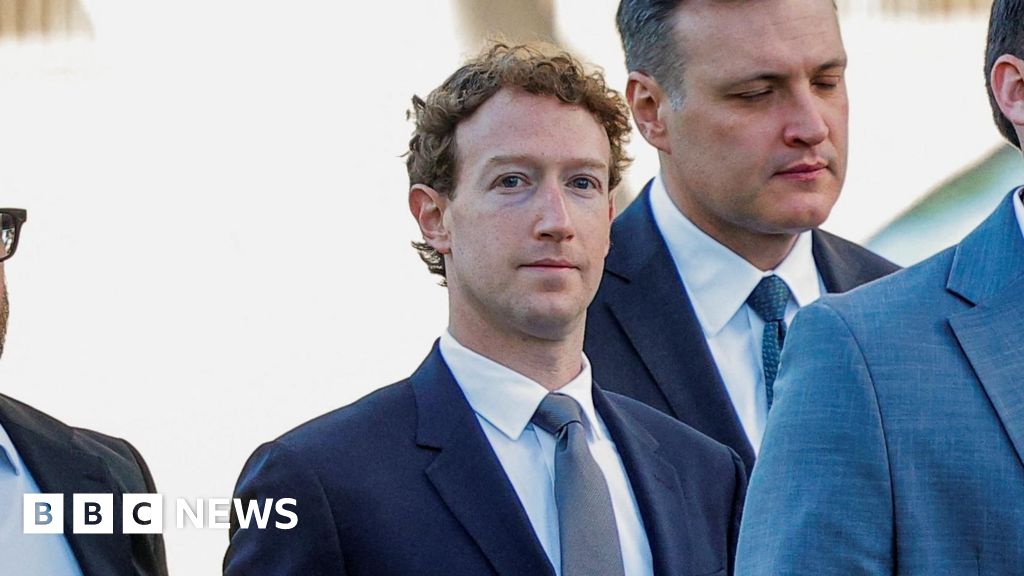
A key reason for the layoffs is Meta’s increased spending in other areas of the company, including AI, for which it will this year spend $135bn (£100bn). This is roughly equal to the amount it has spent on AI in the previous three years combined, according to a person who viewed the memo.


US Special Forces Soldier Arrested for Polymarket Bets on Maduro Raid
Global stock markets are too high and set to fall, says Bank of England deputy

Newly Deciphered Sabotage Malware May Have Targeted Iran’s Nuclear Program—and Predates Stuxnet

-

 Fashion1 week ago
France’s LVMH Q1 revenue falls 6%, shows resilience amid Iran war
-

 Entertainment1 week ago
Is Claude down? Here’s why users are seeing errors
-

 Tech1 week ago
The Deepfake Nudes Crisis in Schools Is Much Worse Than You Thought
-

 Sports1 week ago
PSL 11: Peshawar Zalmi win toss, opt to field first against Quetta Gladiators
-
 Business1 week ago
Standard Life buys rival in £2b deal to create savings giant
-

 Tech1 week ago
CYBERUK ’26: UK lagging on legal protections for cyber pros | Computer Weekly
-

 Fashion1 week ago
Raymond unveils luxury Chairman’s Collection Store in Mumbai
-
 Business1 week ago
PepsiCo earnings beat estimates as North American food business improves