

Fashion
US brand Allbirds’ gross margin drops to 43.2% in Q3 FY25


The decline in gross margin primarily reflects a higher mix of digital and international distributor sales, as well as increased duties in the US business, which offset higher average selling price.
Allbirds reported Q3 FY25 net revenue of $33 million, down 23.3 per cent y-o-y, with gross profit of $14.2 million and a 43.2 per cent margin, down 120 bps.
Declines were driven by international distributor transitions, retail closures, and higher duties.
SG&A fell to $21.7 million.
The company focuses on cost reduction, liquidity, and growth initiatives.
In the third quarter of 2025, net revenue decreased 23.3 per cent to $33 million compared to $43 million in the third quarter of 2024. The year-over-year decrease is primarily attributable to structural changes, including impacts from international distributor transitions and planned retail store closures, the company said in a press release.
Selling, general, and administrative expense (SG&A) was $21.7 million, or 65.7 per cent of net revenue, compared to $31 million, or 72 per cent of net revenue in the third quarter of 2024. The decrease is primarily attributable to lower personnel expenses, occupancy costs, stock-based compensation expenses, and depreciation and amortisation expenses.
“We’re pleased to deliver third quarter results in line with our expectations, highlighted by a robust flow of new product introductions – many of which met with strong customer response,” said Joe Vernachio, CEO. “Entering the final months of the year, we will continue to support our product engine with compelling marketing content to capture consumer mindshare and reignite growth. Throughout the holiday season, we will be spotlighting gifting ideas and emphasising Allbirds’ core principles of comfort, style and sustainability.”
Net revenue in the first nine months of 2025 decreased 21.7 per cent to $104.8 million compared to $133.9 million in the first nine months of 2024. The year-over-year (y-o-y) decrease is primarily attributable to structural changes, including impacts from planned retail store closures and international distributor transitions.
Gross profit in the first nine months of 2025 totalled $44.8 million compared to $63.6 million in the first nine months of 2025, while gross margin declined to 42.7 per cent in the first nine months of 2025 versus 47.5 per cent in the same period a year ago. The decline in gross margin is primarily due to channel mix, with a lower percentage of sales coming from the retail business and a higher percentage coming from its digital and distributor channels, as well as increased promotional activity and higher inventory adjustments.
“Our teams are focused on accelerating progress under our turnaround in the quarters ahead,” added Vernachio. “At the same time, we are taking definitive steps to further reduce costs, enhance liquidity, and pursue value-creating opportunities.”
Fibre2Fashion News Desk (RR)


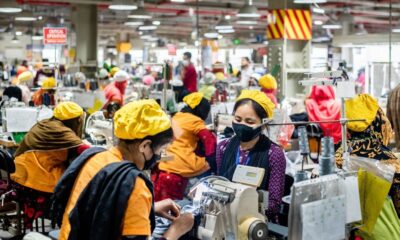





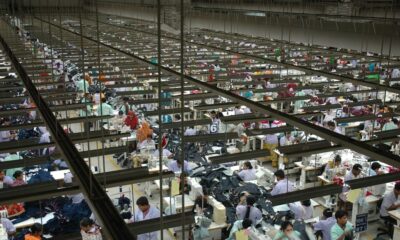



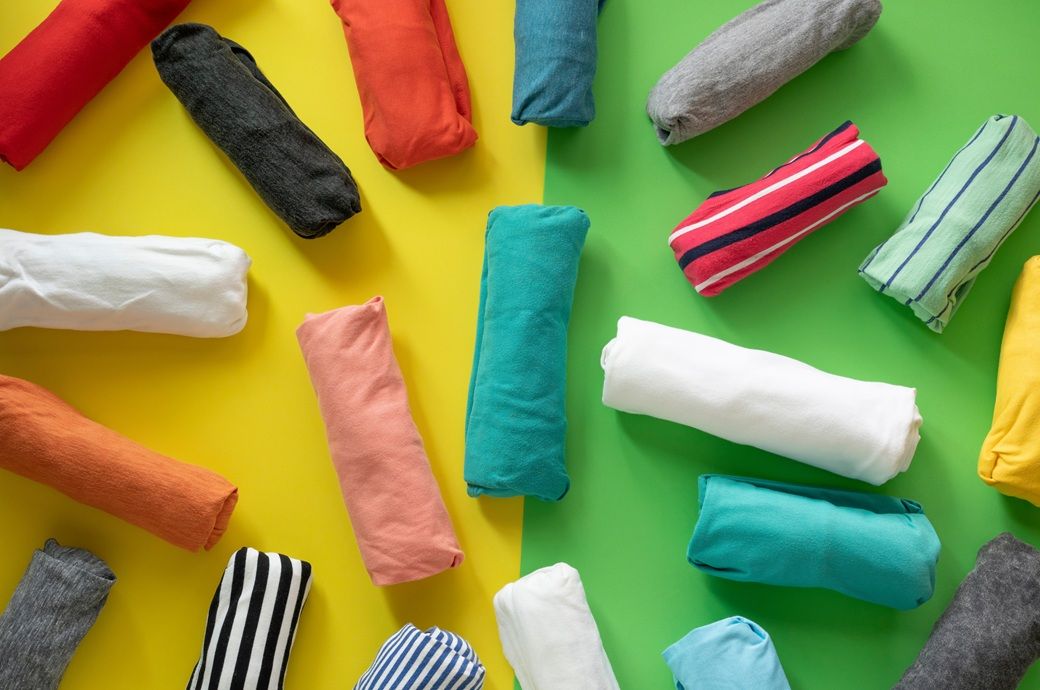
During the first quarter of ****, the UK’s imports of textile fabrics eased down *.** to £*,*** million (~$*,*** million), against £*,*** million in January-March **** but slightly higher from £*,*** million in the fourth quarter of ****. Its imports of fibre were noted at £** million (~$***.** million) steady as £** million in Q*, **** but slightly lower than £** million in Q*, ****.
During the third month of this year, the country’s clothing imports declined *.** per cent to £*.*** billion (~$*.*** billion), compared with £*.*** billion in March ****. But the inbound shipment was slightly higher month on month compared with £*.*** billion in February ****.
Higher rents, utility bills and fuel prices are eating away at already thin profit margins, it found.
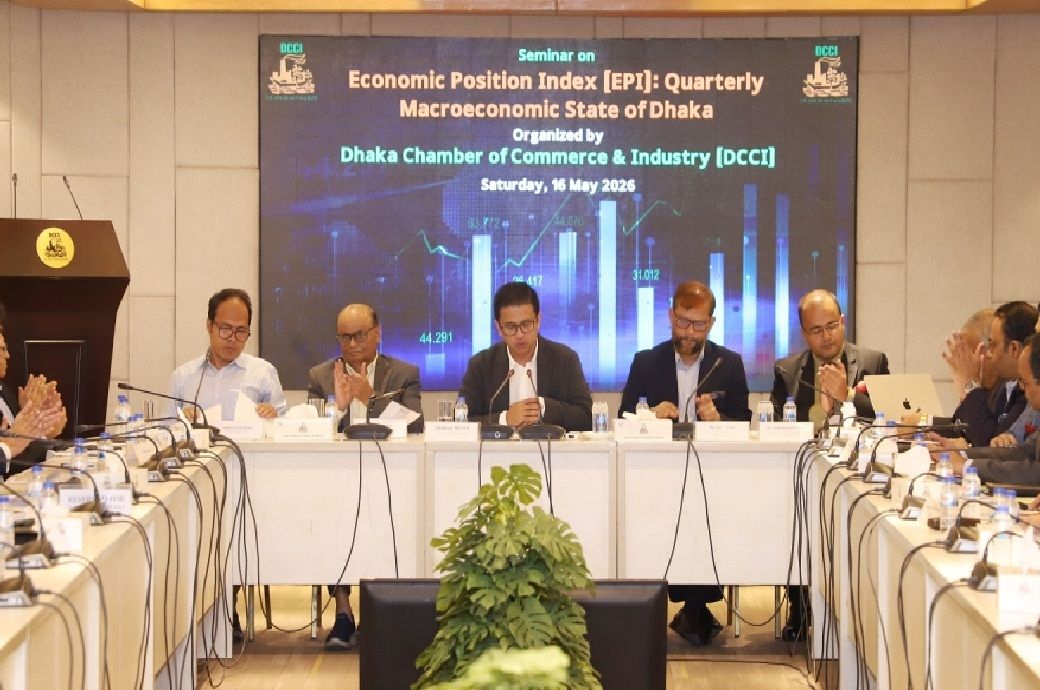
High inflation is cutting deep into Bangladesh consumer spending, with weak demand turning one of the biggest concerns for businesses, DCCI said.
Higher rents, utility bills and fuel prices are eating away at already thin profit margins.
DCCI’s economic position index revealed that consumers have sharply reduced spending as the cost of living continues to rise.
SMEs are feeling the pressure the most.
The chamber’s economic position index (EPI) revealed that consumers have sharply reduced spending as the cost of living continues to rise, putting pressure on retailers, transport operators and other service providers.
Small and medium enterprises (SMEs) are feeling the pressure the most as they struggle to manage higher operating costs without losing customers.
Businesses also cited difficulties in obtaining bank loans, while delays in licensing and other regulatory procedures are adding to costs.
The DCCI report identified a shortage of skilled workers, particularly in technical and customer service roles, as another challenge for the sector.
The country’s inflation rose to 9.04 per cent in April from 8.71 per cent in March, according to official statistics.
Fibre2Fashion News Desk (DS)
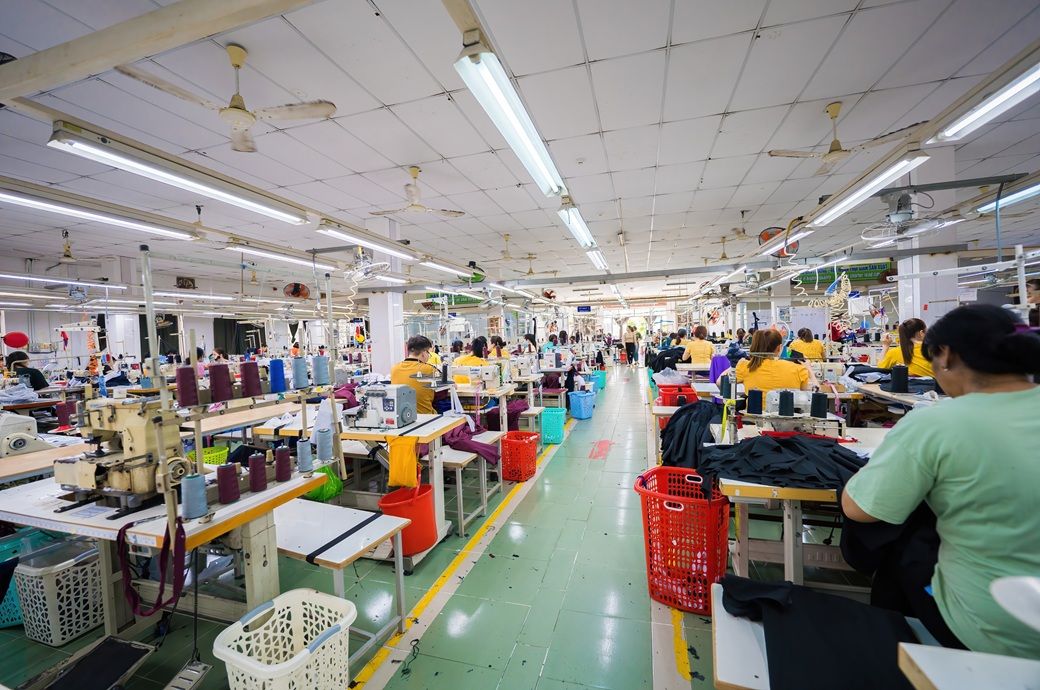
With sustainability benchmarks rising, companies are rethinking how they produce and deliver, pivoting toward greener, more circular models that reduce waste, emissions, and resource use.
The stakes are high. In 2025, Vietnam’s exports to the EU reportedly reached $56.2 billion, up 10.1 per cent year on year, underscoring how pivotal Europe is for the country’s manufacturing base.
Vietnam’s textile and footwear exporters are accelerating sustainability efforts as stricter EU regulations reshape market access requirements.
Rising compliance pressure from measures such as CBAM and ESPR is pushing manufacturers toward circular production, cleaner technologies and greater supply-chain transparency, though limited green finance remains a major challenge for smaller firms.
The EU market, nevertheless, comes with its own challenges as access to this market increasingly depends on meeting strict environmental and product-design requirements.
The EU is rolling out an ambitious sustainability agenda, including the Carbon Border Adjustment Mechanism (CBAM) and the Ecodesign for Sustainable Products Regulation (ESPR). Together, these measures are changing what global suppliers must document, design, and decarbonise.
ESPR shifts expectations toward durability, repairability, and recyclability, while pushing manufacturers to reduce products’ overall environmental footprint. Supply chains are also expected to become more transparent through Digital Product Passports, and practices such as destroying unsold goods being phased out gradually.
For Vietnam’s exporters, compliance is becoming a baseline requirement to keep EU orders and remain competitive.
Recognising this, both the Government and industry players are stepping up. Vietnam’s long-term development strategy for textiles and footwear, which stretches to 2030 with a vision toward 2035, places sustainability at its core. The plan charts a path toward efficient, environmentally responsible growth anchored in a circular economy, where materials are reused, waste is minimised, and production cycles are closed rather than linear.
Crucially, it also provides a legal backbone to help businesses align with global sustainability trends.
On the ground, change is already underway. Textile and apparel manufacturers are investing in renewable energy, upgrading machinery, and fine-tuning production processes to cut emissions and resource use. These shifts are not just about compliance; they are about future-proofing operations in a market where green credentials increasingly determine who wins contracts.
However, the transition has not been entirely seamless. A key barrier seems to be access to green finance, especially for small and medium-sized enterprises. Large firms can more readily fund clean technologies and certification, while smaller suppliers often struggle to fund the shift, risking exclusion from high-value export markets if they cannot keep pace.
There is also a growing recognition that policy support needs to go further. As Vietnam leans into a circular economy, industry voices are calling for a more cohesive and comprehensive framework, one that not only sets clear standards for circular products but also actively incentivises recycling, cleaner production, and sustainable innovation.
Without this, progress risks being uneven, with smaller firms left behind.
Momentum is, nevertheless, building as manufacturers and policymakers push for better-aligned standards and support mechanisms. The goal is to narrow the gap between sustainability ambition and day-to-day implementation across the sector.
The aim is clear: create an ecosystem where businesses of all sizes can invest in circular solutions, strengthen their export capabilities, and meet the EU’s exacting standards head-on.
Fibre2Fashion News Desk (DR)


UK’s clothing imports fall 3% in Q1, sharply lower than Q4 2025

RBI sees no signs of excess credit risk, keeps countercyclical capital buffer inactive

The Catastrophic Swatch x Audemars Piguet Launch Was Entirely Predictable and Utterly Avoidable

-

 Entertainment6 days ago
Conan O’Brien hat tricks as Oscar host
-

 Tech1 week ago
Could Contact-Tracing Apps Help With the Hantavirus? Not Really
-
 Fashion5 days ago
Italy’s Zegna Group’s Q1 growth boosted by strong organic performance
-

 Sports1 week ago
Bobby Cox, legendary Atlanta Braves manager who led 1995 World Series champions, dead at 84
-

 Entertainment1 week ago
Martin Short: Facing tragedy with joy
-

 Entertainment1 week ago
Tom Brady gets back at Kevin Hart during Netflix roast
-

 Sports1 week ago
Jacob Fatu unleashes vicious assault on Roman Reigns after World Heavyweight Championship loss at WWE Backlash
-

 Entertainment1 week ago
Martha Stewart: How to make an omelet