

Fashion
US’ Macy’s celebrates I.N.C.’s 40th anniversary with Christian Siriano

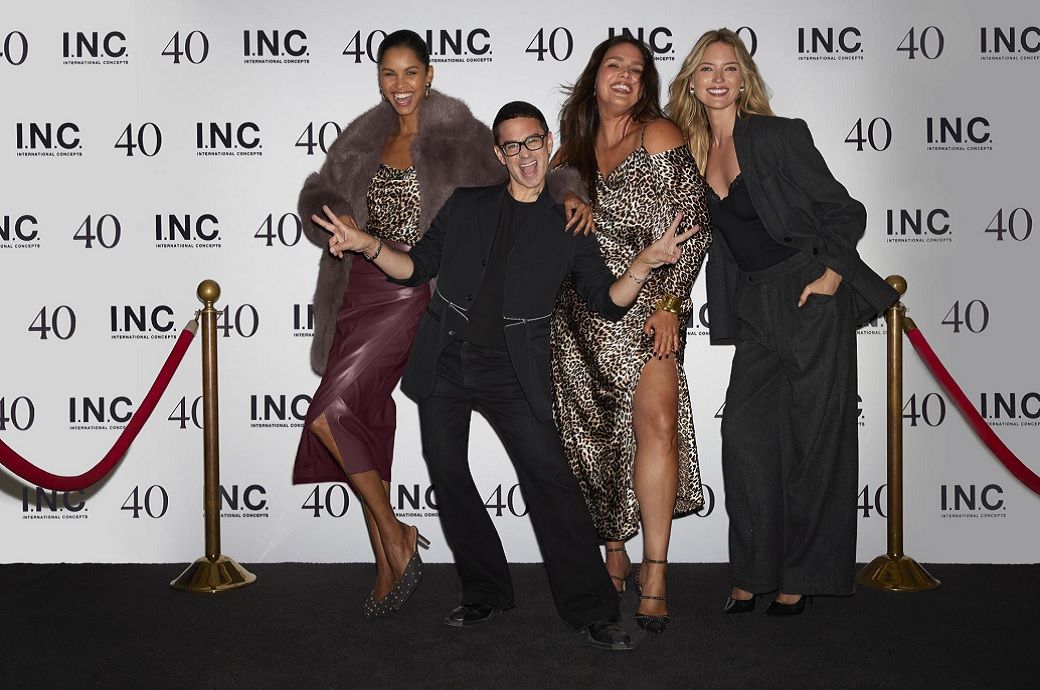
“For 40 years, I.N.C. has been a cornerstone of Macy’s private brand portfolio, delivering the latest fashion designed to inspire and empower women,” said Emily Erusha-Hilleque, SVP of Private Brand, Design, and Trend at Macy’s. “To celebrate this milestone, we partnered with Christian, a true visionary whose designs celebrate individuality, inclusivity and bold expression. As we honor I.N.C.’s heritage, we are excited for our customers to experience this collection that celebrates fabulous style, trend and embraces the next chapter for the brand.”
Macy’s is marking I.N.C.’s 40th anniversary with a fall collection curated by CFDA award-winning designer Christian Siriano.
The collection blends heritage and modern style, featuring exclusive artwork, limited-edition T-shirts, customised blazers, and a couture dress for NYFW.
A campaign with top models and Herald Square displays highlight the launch, with proceeds from auctions benefitting charity.
Siriano has established himself as a tour de force in the fashion world since launching his eponymous collection in 2008, following his studies in London under Vivienne Westwood and Alexander McQueen. Siriano’s designs have been worn by today’s biggest names including Dr. Jill Biden, Michelle Obama, Kamala Harris, Angelina Jolie, Oprah, Zendaya, Ariana Grande, Julianne Moore, Lady Gaga, Tiffany Haddish, Billy Porter, Cardi B, Whoopi Goldberg, Julia Roberts, Jennifer Coolidge and more.
“Collaborating with Macy’s to celebrate 40 years of I.N.C. has been such a meaningful project,” said Siriano. “I.N.C. has played an iconic role in shaping fashion, and this collection is meant to honor that incredible legacy while also reimagining what modern, confident style can look like today. For me, it’s about curating pieces that empower individuality and bring joy to getting dressed.”
Capturing the spirit of this collaboration, Siriano designed an exclusive original artwork to be featured on limited-edition t-shirts, which are now available for purchase online and in select Macy’s stores. In celebration of 40 years of I.N.C., Siriano took 40 signature black blazers from the new collection, transforming each with his distinctive touch to create one-of-a-kind pieces that embody I.N.C.’s statement-making style. In addition, he created a unique couture dress which will be unveiled during New York Fashion Week (NYFW). Both the blazers and the couture dress will be auctioned in September with proceeds going to charity.
Siriano also stars in I.N.C.’s fall campaign alongside a dynamic group of models, including Candice Huffine, Daiane Sodré and Martha Hunt, who were selected for their individuality, presence and connection to the brand. Photographed by Alexi Lubomirski, the campaign will come to life across digital platforms, social media and select stores nationwide. Macy’s iconic Herald Square windows will also feature the collection and the one-of-a-kind blazers. Siriano will present his spring 2026 collection during NYFW on September 12. The show is sponsored by Macy’s and will be staged at the Herald Square flagship in New York City.
Note: The headline, insights, and image of this press release may have been refined by the Fibre2Fashion staff; the rest of the content remains unchanged.
Fibre2Fashion News Desk (RM)









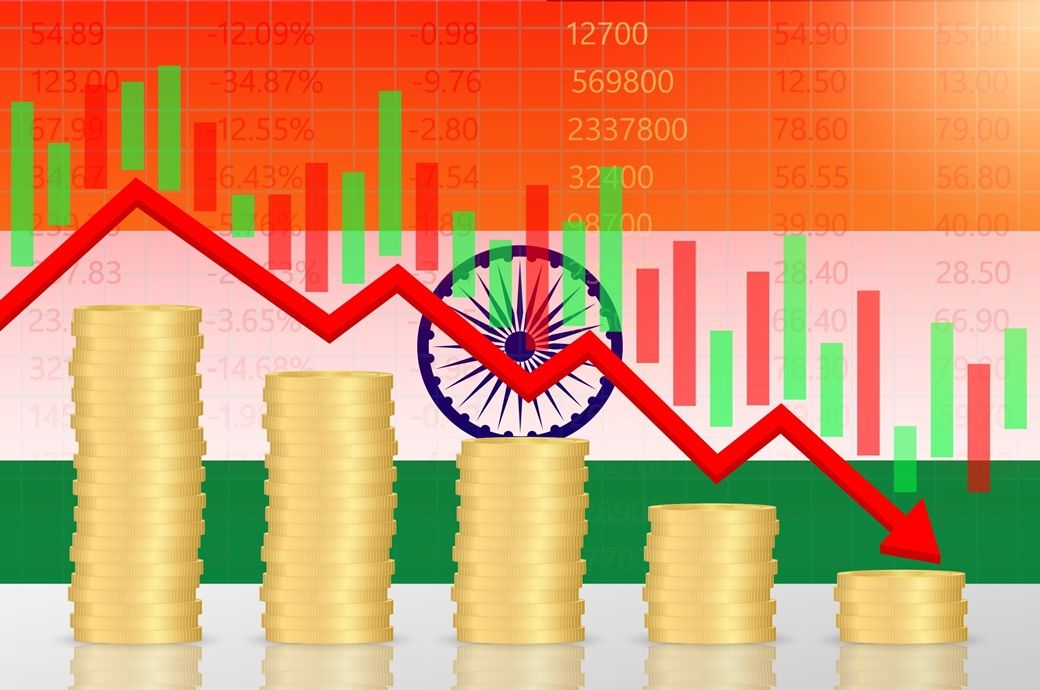
While trends in high frequency indicators for January-February 2026 appear favourable, the heightened uncertainty around the duration of the Middle East conflict casts a shadow on the near-term macroeconomic outlook for India amid high import dependency for items like crude oil, natural gas and fertilisers, it noted.
India’s FY27 GDP growth is likely to slow to 6.5 per cent from the projected 7.5 per cent in FY26 owing to the impact of higher energy prices and concerns around energy availability, ICRA Ratings said.
The heightened uncertainty around the duration of the Iran war casts a shadow on the near-term macroeconomic outlook for India.
If the conflict lasts longer, the adverse effects could widen across sectors.
If the conflict lasts for an extended period, the adverse implications of the same could widen across sectors, amid an uptick in input costs and the consequent impact on profitability of the India corporate sector.
Amid the projected uptrend in the consumer price index-based inflation in FY27 with risks tilted to the upside, ICRA Ratings expects an extended pause on the policy rates by the central bank’s monetary policy committee in the fiscal despite the anticipated softening in the GDP growth. However, it expects the Reserve Bank of India to continue to intervene on the liquidity front during FY27.
The available data for January–February FY2026 indicate a positive trend across most non-agricultural indicators, with the year-on-year performance of 12 out of 18 indicators improving compared to the third quarter of FY26, while the remaining six deteriorated.
Fibre2Fashion News Desk (DS)
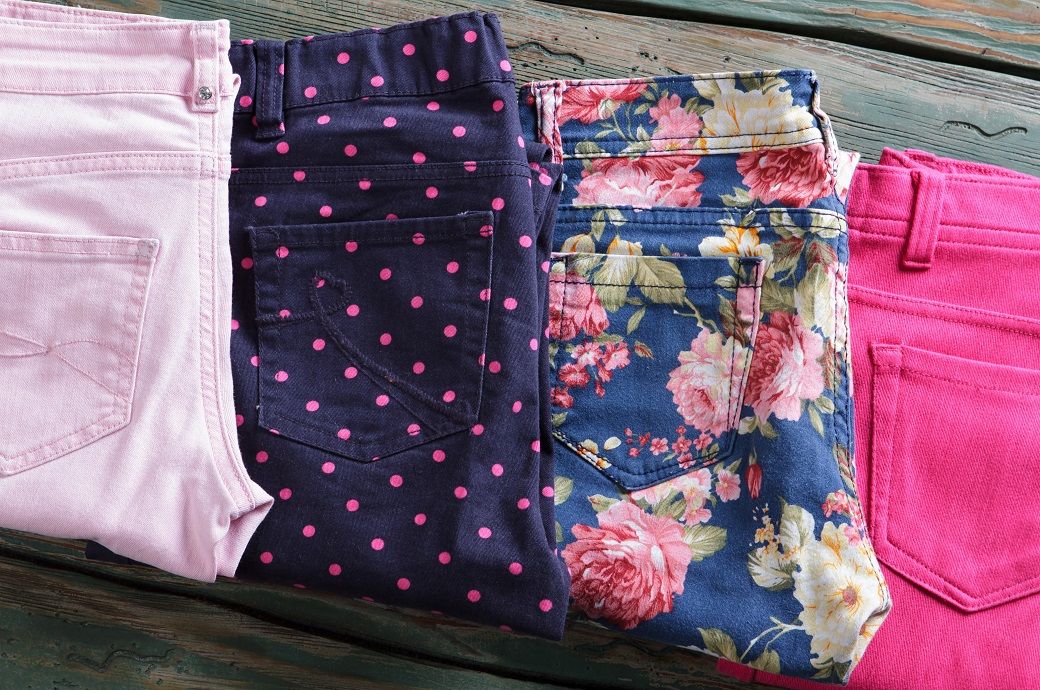
Indonesia’s apparel exports rose modestly to $8.705 billion in 2025 from $8.316 billion in 2024, reflecting gradual recovery.
The US remained dominant, accounting for over 56 per cent of shipments, highlighting growing market dependence.
While Japan, South Korea and Europe offered stability, exports stayed concentrated in key products and segments.
Source link
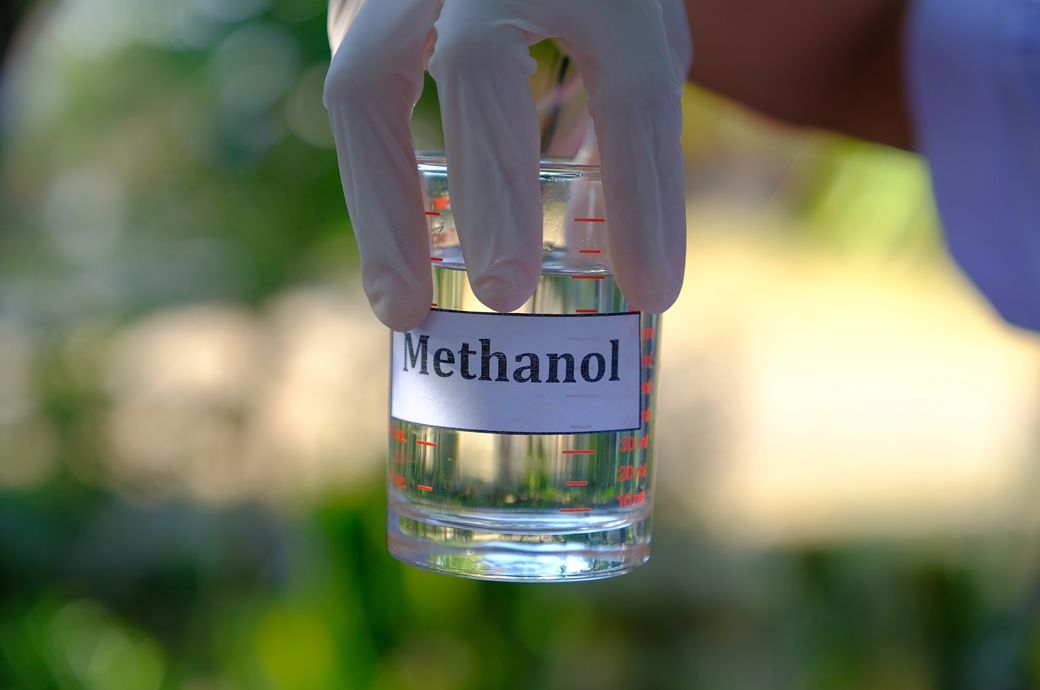
Methanol prices in India have surged nearly 150 per cent from pre-Iran–US tension levels, tracking a sharp rise in crude oil and tightening global energy markets.
Hormuz disruption risks, limited rerouting capacity, rising freight and insurance costs, and constrained imports are fuelling volatility, with prices seen approaching ₹90 per kg.
Source link


Wrigley Field to host Big Ten/SEC volleyball doubleheader
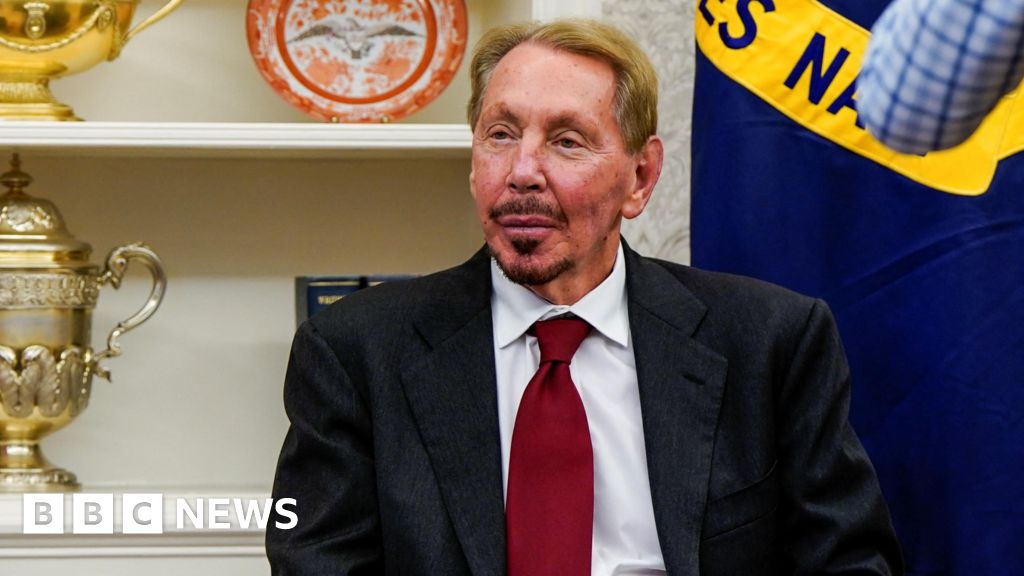
Tech giant Oracle makes ‘significant’ job cuts

Romelu Lukaku facing disciplinary action after missing Napoli training

-

 Politics1 week ago
Afghanistan announces release of detained US citizen
-

 Sports1 week ago
Broadcast industry CEO says consolidation is ‘essential’ to compete for NFL soaring media rights prices
-

 Entertainment1 week ago
UN warns migratory freshwater fish numbers are spiralling
-

 Tech1 week ago
Can a Home Appliance Fix the Problem of Soft-Plastic Waste?
-
 Business1 week ago
Property Play: Home flippers see smallest profits since the Great Recession, real estate data firm says
-
 Business1 week ago
Gold prices soar in Pakistan – SUCH TV
-

 Fashion1 week ago
ICE cotton slips on weaker crude, profit booking
-
 Business1 week ago
More women are entering wealth management, but few are in advisory roles, study finds