

Fashion
US’ PVH Corp appoints Patricia Gabriel as chief supply chain officer


Gabriel joins PVH from Capri Holdings, where she currently serves as Chief Supply Chain Officer for Michael Kors, Jimmy Choo, and Versace. A seasoned supply and operations executive, Gabriel has worked for more than 25 years leading supply, manufacturing and logistics organizations at leading global consumer goods companies like Mondelez International and AB InBev. Throughout her global career, she has led end-to-end supply chains with commercial impact, including supply chain optimization, omnichannel fulfillment and network design with teams across Europe, North America, Latin America and Asia.
PVH Corp has appointed Patricia Gabriel as chief supply chain officer and global head of operations, succeeding David Savman, who will focus on his role as global brand president, Calvin Klein.
Gabriel joins in Q4 from Capri Holdings, where she led supply chains for Michael Kors, Jimmy Choo and Versace.
She will report to CEO Stefan Larsson and be based in New York.
Stefan Larsson, CEO of PVH Corp. said, “Patricia is a consumer-focused supply chain and operations leader with a strong track record of fueling growth through consumer-centric operational excellence. As we execute our multi-year journey to build Calvin Klein and TOMMY HILFIGER into the most desirable lifestyle brands in the world, Patricia’s deep expertise and proven ability to unlock value through demand- and data-driven solutions will create new opportunities to further accelerate our PVH+ Plan progress.”
In her role as Chief Supply Chain Officer and Global Head of Operations at PVH, Patricia will oversee global operations with an end-to-end responsibility from product to consumer, working closely with brands, regions and functions to connect and drive all parts of PVH’s operating engine.
Gabriel said, “In Calvin Klein and TOMMY HILFIGER, PVH has two of the most iconic and globally beloved brands, and I’m incredibly excited to join at this important moment in the company’s growth journey. Operational excellence and supply chain optimization will be true competitive advantages that fuel growth and innovation.”
Gabriel will be based in PVH’s global head office in New York City.
Note: The headline, insights, and image of this press release may have been refined by the Fibre2Fashion staff; the rest of the content remains unchanged.
Fibre2Fashion News Desk (RM)











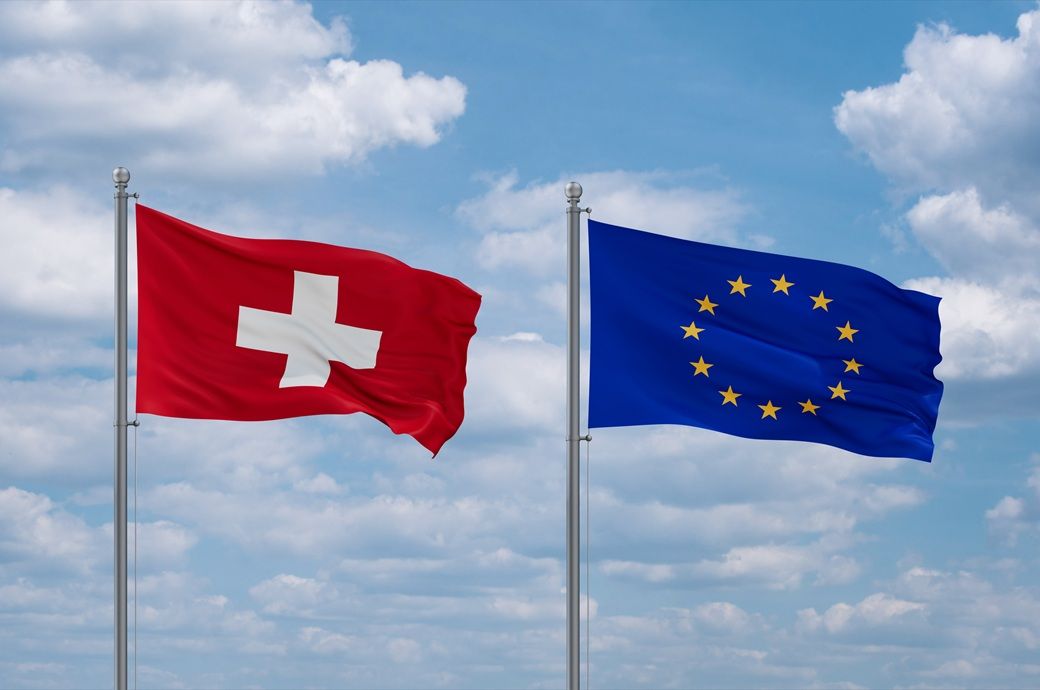
The package establishes a modern framework for both sides, enabling frictionless access to a market of 460 million consumers in key sectors, delivering economic benefits to both parties.
European Commission President Ursula von der Leyen and Swiss President Guy Parmelin yesterday signed a broad package of agreements aimed at deepening and expanding EU-Switzerland ties.
By aligning standards and rules in closely integrated areas, it will provide legal certainty, simplify trade in goods like medical devices and food products, and ease cross-border supply for businesses on both sides.
By aligning standards and rules in closely integrated areas, it will provide legal certainty, simplify trade in goods like medical devices and food products, and ease cross-border supply for businesses on both sides of the border.
Additionally, it will ensure more consistent rules for individuals who live, work or study across the EU-Swiss border. Switzerland will contribute to the development of legislation in the areas covered by the package and will have the opportunity to influence these rules as they are being designed.
“By modernising and deepening our ties across key sectors, from trade and transport to health and energy—we are strengthening legal certainty, fostering innovation and creating new opportunities for our citizens and businesses,” von der Leyen said in a release from the Commission.
The package includes updates to four already existing agreements, which already give Switzerland access to the EU internal market, regarding air transport, land transport, the free movement of persons and mutual recognition of conformity assessment.
New agreements on food safety, electricity, health and Switzerland’s participation in the EU Agency for the Space Programme were signed. A new agreement introduced a permanent and fair financial contribution by Switzerland to economic and social cohesion within the EU.
Apart from a protocol on parliamentary cooperation, the package includes also a joint declaration on the establishment of a high-level dialogue on the broad bilateral package.
Fibre2Fashion News Desk (DS)

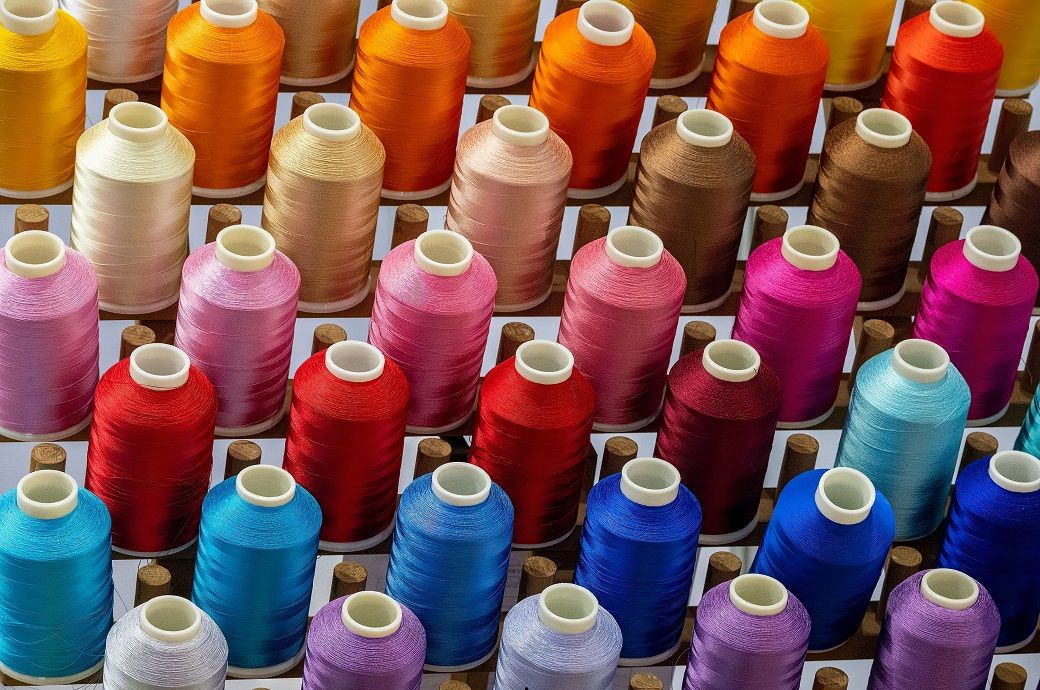
Following earlier increases in purified terephthalic acid (PTA), melt and PSF, Indian producers have now raised PFY prices. POY, FDY and PTY prices have been increased by ****;* per kg across all deniers and lustres with effect from March *, reflecting rapid cost pass-through amid heightened volatility in crude-linked value chains, according to the market sources.
In the previous weekly revision effective February **, ****, PTA was increased by ****;*.** per kg to ****;**.** per kg, while monoethylene glycol (MEG) was retained at ****;**.** per kg. Polyester melt prices were raised by ****;*.** per kg to ****;**.** per kg. Downstream PSF prices were also revised upward by ****;*.** per kg from March *.


European Commission, Switzerland sign broad package of agreements

Barcelona disappointed, proud as Copa rally vs. Atleti falls short

Liverpool lose 9th of season in ‘same old story,’ Slot says

-

 Politics6 days ago
What are Iran’s ballistic missile capabilities?
-

 Politics6 days ago
US arrests ex-Air Force pilot for ‘training’ Chinese military
-
 Business1 week ago
Households set for lower energy bills amid price cap shake-up
-

 Fashion5 days ago
Policy easing drives Argentina’s garment import surge in 2025
-

 Sports1 week ago
Top 50 USMNT players of 2026, ranked by club form: USMNT Player Performance Index returns
-
 Business5 days ago
Attock Cement’s acquisition approved | The Express Tribune
-
 Business1 week ago
Lucid widely misses earnings expectations, forecasts continued EV growth in 2026
-

 Sports6 days ago
Sri Lanka’s Shanaka says constant criticism has affected players’ mental health