

Fashion
US remains high-value market for China apparel exports














The extension comes at a time when exporters are facing heightened pressure from geopolitical uncertainties, volatile demand, and rising logistics and input costs. By continuing the scheme, the government aims to provide stability and cost support to the labour-intensive apparel sector.
The extension of RoSCTL till September 30, 2026, or until the next Finance Commission approval, provides interim policy clarity amid global demand and cost pressures. Continued structure and rates support pricing competitiveness for apparel exporters.
However, its temporary nature signals a likely recalibration of export incentives in the upcoming policy cycle.
The scheme will continue without any change to its structure, coverage, rates, or eligibility criteria, ensuring policy continuity for exporters. Rebates will be provided through transferable duty credit scrips in a fully digital format, supporting ease of use and faster processing.
To maintain fiscal discipline, expenditure under the scheme will be reviewed on a quarterly basis by an inter-ministerial committee. The government has also retained the flexibility to revise rates and caps depending on evolving conditions, while keeping eligibility norms unchanged.
Effective April 1, 2026, the extension provides interim visibility to exporters as the government works towards finalising a longer-term framework under the upcoming Finance Commission period.
Fibre2Fashion News Desk (KUL)
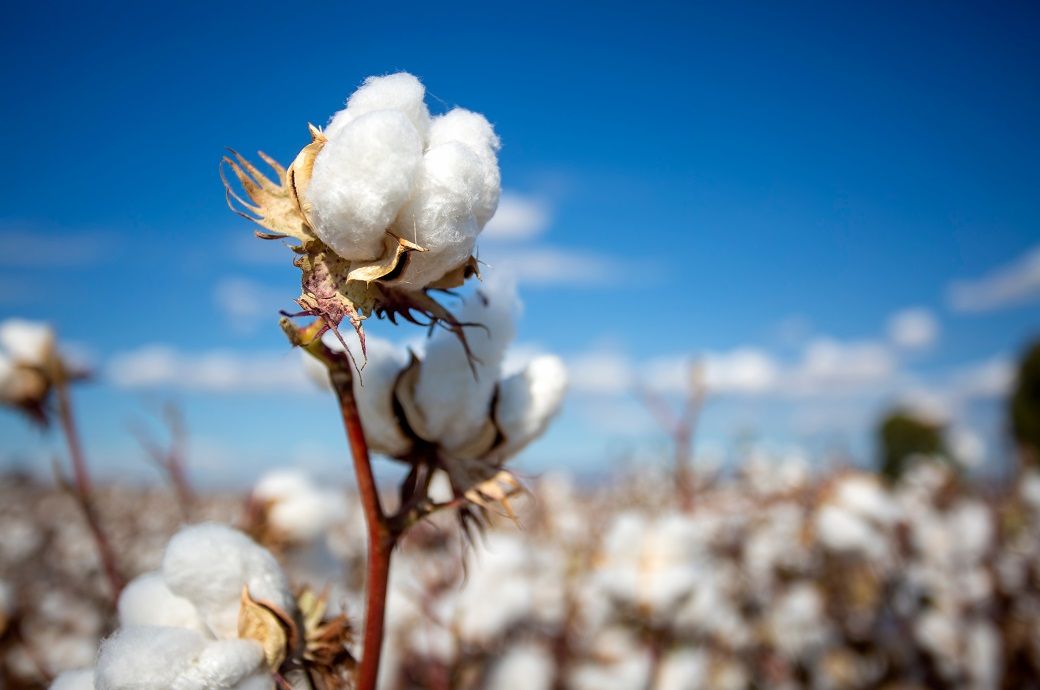
The most traded May 2026 contract settled at 70.00 cents per pound, down 0.19 cent. The contract had touched a high level since December 2024 during the session. The contract failed to sustain above 70 cent per pound. December 2026 contract settled at 74.34 cents with loss of 27 points, showing pressure in the new crop due to higher expected supply.
ICE cotton futures eased after profit booking and higher-than-expected US acreage weighed on sentiment, with the May 2026 contract settling at 70 cents/lb.
Losses were limited by a weaker US dollar and firm crude oil.
Strong volumes and rising open interest signalled continued fund support, keeping the broader market trend resilient.
Market sentiment turned negative as acreage data came above trade expectations, triggering profit booking after recent sharp rally. USDA Prospective Plantings report was release on Monday. Despite bearish report, decline remained limited due to strong prior rally of 301points in last 5 sessions, indicating underlying strength. US cotton planting intention was 9.64 million acres, higher than expectation and 9.283 million actual in last year.
US Dollar Index declined by 0.3 per cent, making US cotton more competitive globally and partially offsetting bearish sentiment. Brent crude oil recorded strong monthly gains, increasing polyester production cost and supporting cotton demand as a substitute. Both external factors capped fall in US cotton prices.
Trading volume was 116,476 contracts, marking 13th highest volume day in history, indicating heavy participation. Open Interest was 345,654 contracts (+2,484), reflecting fresh long buildup and continued fund interest.
Speculative funds likely net buyers in 4 out of last 5 weeks, supporting price structure despite negative news. Notably, 7 of the top 13 highest volume trading sessions have occurred in 2026, highlighting exceptional market activity this year.
ICE certified deliverable stocks (No.2 cotton) were 114,665 bales, unchanged with no immediate pressure from physical supply.
Market achieved best monthly performance since February 2024, reflecting strong upward momentum in March this year. Also posted best quarterly gain since January 2024, confirming broader bullish trend despite short-term corrections.
Overall market tone remains slightly bearish in short term due to higher acreage, but downside limited by macro support, strong demand signals, and fund buying. Going forward, US weather conditions (especially Texas rainfall) and actual planting progress will be the key drivers for next trend direction.
This morning (Indian Standard Time), ICE cotton for May 2026 was traded at 69.92 cents per pound (down 0.09 cent), cash cotton at 68.00 cents (down 0.19 cents), the July 2026 contract at 72.00 cents (down 0.13 cent), the October 2026 contract at 74.16 cents (down 0.02 cent), the December 2026 at 74.14 cents (down 0.20 cent) and the March 2027 contract at 75.08 cents (down 0.23 cent)). A few contracts remained at their previous closing levels, with no trading recorded so far today.
Fibre2Fashion News Desk (KUL)
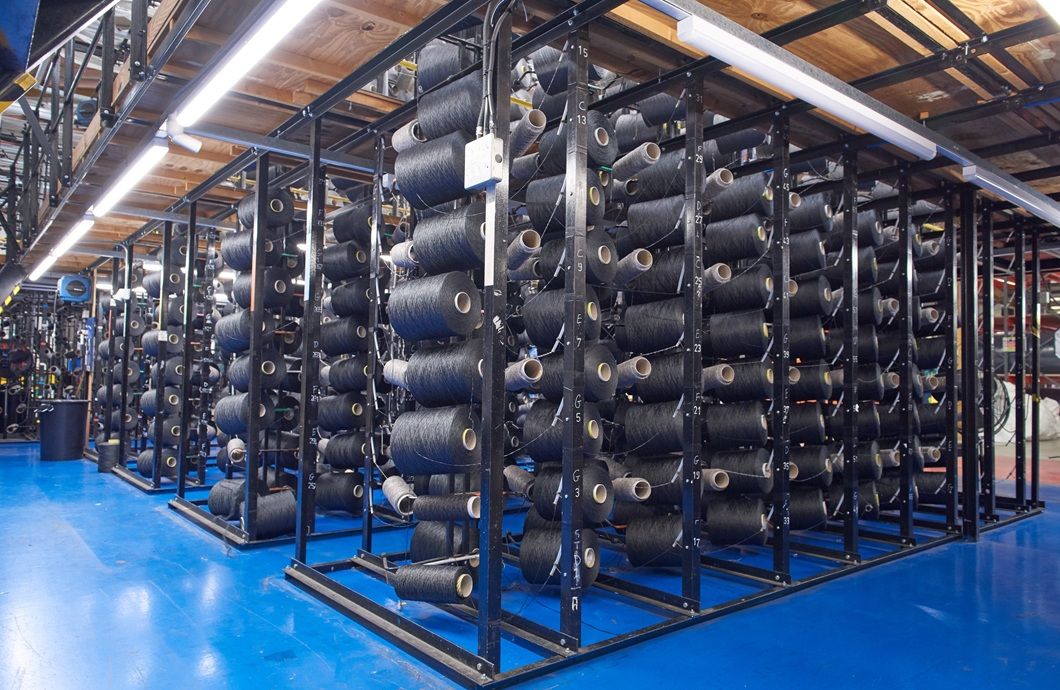
The April–June 2026 quarter marks a shift from price volatility to supply insecurity, with material availability becoming the key risk.
Synthetic fibres and chemicals are most exposed due to oil-linked costs and gas shortages, while freight is sharply raising landed costs.
Cotton is adding margin pressure, particularly impacting smaller manufacturers.
Source link


India extends RoSCTL scheme till Sept 2026 to support apparel exports

Karachi sees widespread rain with thunderstorms

Trump takes a dig at Macron, saying wife treats him ‘badly’

-

 Politics1 week ago
Afghanistan announces release of detained US citizen
-

 Sports1 week ago
Broadcast industry CEO says consolidation is ‘essential’ to compete for NFL soaring media rights prices
-

 Entertainment1 week ago
UN warns migratory freshwater fish numbers are spiralling
-

 Tech1 week ago
Can a Home Appliance Fix the Problem of Soft-Plastic Waste?
-
 Business1 week ago
Property Play: Home flippers see smallest profits since the Great Recession, real estate data firm says
-
 Business1 week ago
Gold prices soar in Pakistan – SUCH TV
-
 Business1 week ago
More women are entering wealth management, but few are in advisory roles, study finds
-

 Fashion1 week ago
ICE cotton slips on weaker crude, profit booking