

Politics
US thanks Pakistan for backing Trump’s Gaza plan and joining peace board

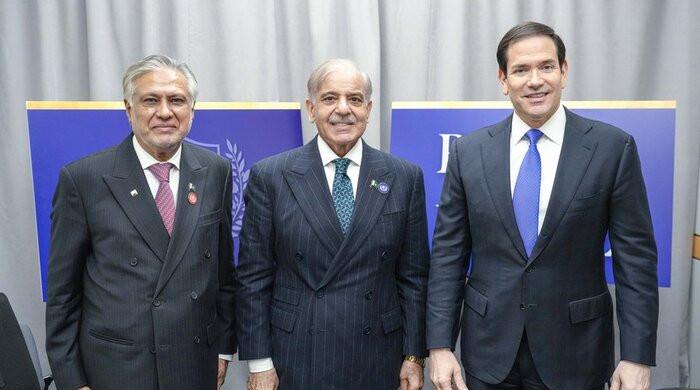
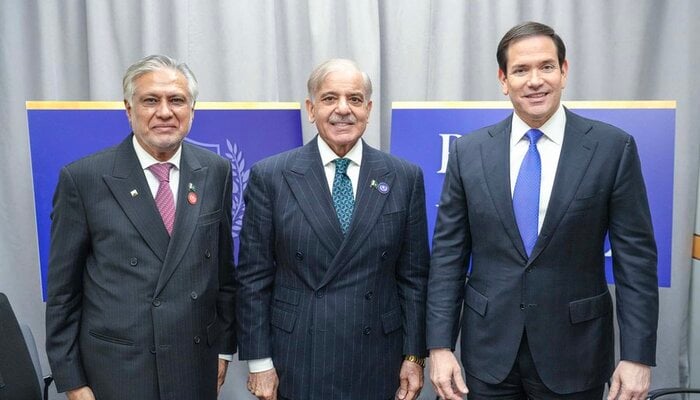
- Rubio hails “Pakistan’s ongoing support of Peace Plan for Gaza”.
- DPM Dar responds to Marco Rubio with appreciation.
- Pakistan gets extraordinary reception at BoP meeting in US: minister.
The United States has thanked Pakistan for supporting President Donald Trump’s Gaza peace plan and for joining the Board of Peace.
In a post on X, US State Secretary Marco Rubio shared an image with Prime Minister Shehbaz Sharif and Deputy Prime Minister and Foreign Minister Ishaq Dar.
Rubio mentioned in the post that he met PM Shehbaz to appreciate “Pakistan’s ongoing support of@POTUS’s Peace Plan for Gaza and for joining the Board of Peace.”
“In our meeting, we discussed the importance of our strategic relationship on critical minerals development and counterterrorism,” the state secretary added.
Responding to Rubio’s tweet, DPM Dar thanked the US secretary of State for what he described as productive discussions on key areas of mutual interest.
In a post on X, Dar said Pakistan values its longstanding relationship with the United States and appreciates the meaningful talks held on advancing peace, enhancing cooperation in counterterrorism efforts, and expanding bilateral economic and trade ties.
He added that Islamabad looks forward to further strengthening its strategic partnership with Washington across all areas of shared interest.
PM Shehbaz and other world leaders attended the inaugural meeting of the Trump-led BoP in Washington on Thursday.
Addressing the BoP meeting, PM Shehbaz described his participation as an honour and reaffirmed Pakistan’s commitment to lasting peace in Gaza.
The prime minister said the pursuit of sustainable peace in Gaza remains a shared mission, adding that the day marked a “golden chapter in history” for peace efforts in the Middle East.
He expressed hope that the initiative would succeed in achieving long-term stability in the war-hit region.
In his address, Trump also hailed PM Shehbaz and “tough, serious fighter” Chief of Defence Forces and Chief of the Army Staff Field Marshal Asim Munir.
“I like this man [PM Shehbaz] of Pakistan.”
Meanwhile, Federal Minister for Information Attaullah Tarar said Pakistan has received an extraordinary reception at the Board of Peace meeting in Washington.
In a video message, he said US President Trump appreciated Pakistan’s role in world peace, which increased Pakistan’s prestige at the global level.
The minister further said that due to a successful foreign policy, Pakistan is emerging as an important and effective player on the global stage.
The US president first proposed the board last September when he announced his plan to end Israel’s war in Gaza. He later made clear the board’s remit would be expanded beyond Gaza to tackle other conflicts worldwide.
PM holds cordial interactions with world leaders at BoP meeting
PM Shehbaz engaged in warm interactions with several world leaders, including US President Trump on the sidelines of the Board of Peace inaugural meeting.
In an informal meeting, Trump was seen cheerfully interacting with PM Shehbaz, as the two leaders expressed mutual goodwill and shook hands.
The US president also hugged the premier, highlighting that the exchange was exceptionally warm.
Moreover, PM Shehbaz also interacted with King of Bahrain Hamad bin Isa Al Khalifa, President of Azerbaijan Ilham Aliyev, President of Uzbekistan Shavkat Mirziyoyev, President of Kazakhstan Kassym-Jomart Tokayev and President of Indonesia Prabowo Subianto, who attended the event in Washington.
During the conversations, the leaders discussed important global and regional issues, displaying genuine warmth and and a spirit of close friendship.
Pakistan’s inclusion in the Board of Peace reflects the country’s growing success in diplomatic efforts and foreign policy, particularly its contributions toward establishing peace in Gaza, reconstruction efforts, and broader global peace initiatives.
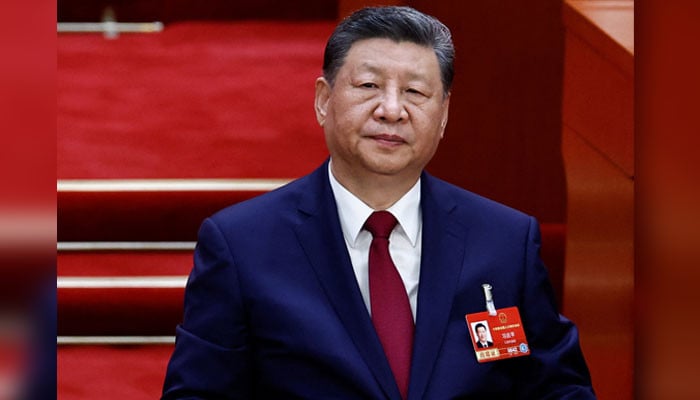
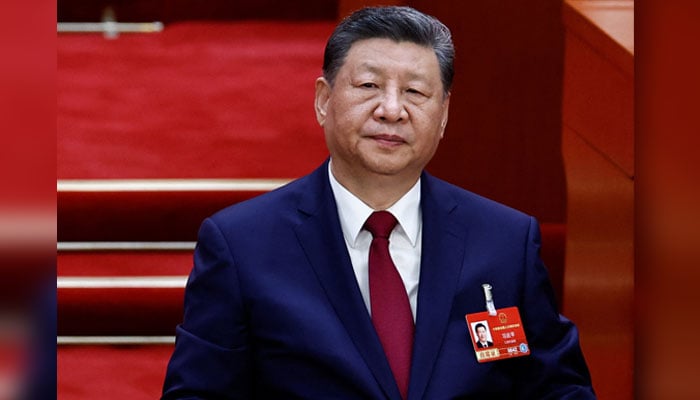
- President Xi Jinping urges safeguards for China’s energy security.
- Says Party Central Committee advances energy security strategy.
- China must stay committed to low-carbon development, he adds.
BEIJING: Chinese President Xi Jinping has called for accelerated planning and construction of a new energy system to safeguard the country’s energy security, weeks into the Iran war that has triggered global energy shocks.
The leader of the world’s second-largest economy also emphasised hydropower development and ecological protection, while urging the safe and orderly expansion of nuclear power, according to state broadcaster CCTV on Monday.
“The Party Central Committee has gained a profound grasp of global energy development trends and made major decisions by advancing the new energy security strategy in depth,” he said, referring to the ruling Communist Party’s centre of authority.
Xi did not directly mention the war in his remarks cited by CCTV.
The United States and Iran have been weighing a Pakistani-brokered plan that could end their five‑week-old conflict, even as Tehran pushed back against pressure to swiftly reopen the Strait of Hormuz.
Role of coal and greener energy
Analysts have pointed out that China is relatively better-positioned to absorb the higher oil prices.
Coal accounts for more than half of its energy mix, while it has ample oil stockpiles and imports via the Strait of Hormuz represent only around 5% of total energy consumption.
“The path we took in being the first to develop wind and solar power has now proven to be forward-looking. At the same time, coal-fired power remains the foundation of our energy system and must continue to play its supporting role,” Xi said.
China operates more than half of the world’s coal-fired power capacity, making it the top carbon emitter, which Western-led climate initiatives have long contended with. The country continues to position coal power as a reliability backbone and flexible backup system, even as it accelerates renewables.
Although he underscored the role of coal in China’s energy mix, the president said the country—the world’s largest consumer of coal—must stay committed to clean, low-carbon development.
“A greener, more diversified and resilient new energy system will provide a strong guarantee for China’s energy security and economic development,” CCTV said.
Last July, China began construction of what will be the world’s largest hydropower dam on the eastern rim of the Tibetan Plateau.
Construction on a solar thermal power plant by China General Nuclear Power Group at an altitude of 4,550 metres in Tibet has also begun on Monday, according to state Xinhua News Agency.
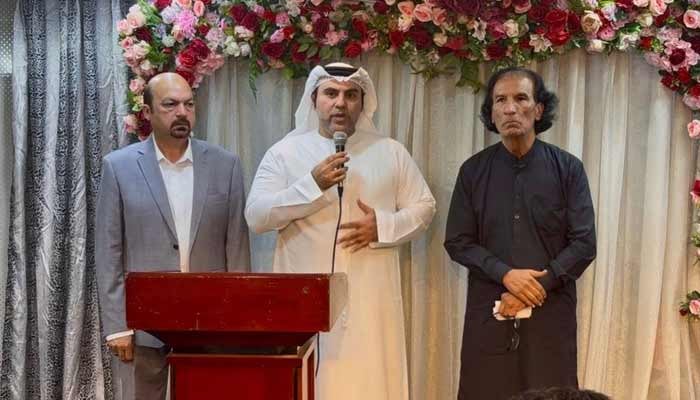
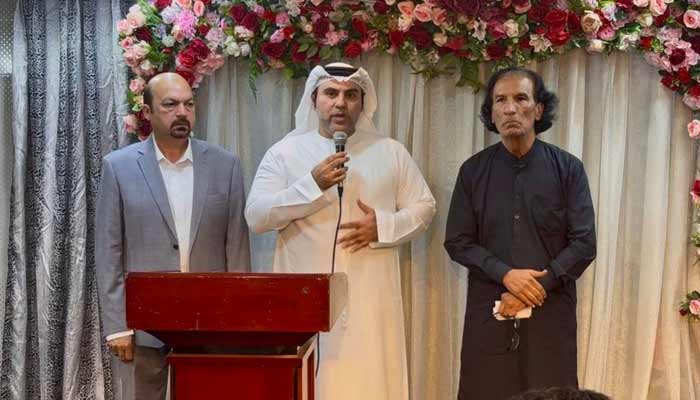
DUBAI: Pakistani expatriates in the United Arab Emirates (UAE) have reaffirmed their support for the host country, offering to volunteer their services if required, in a strong show of unity during ongoing regional tensions.
At a community event held in Dubai under the “One Nation, One Family” campaign, speakers said Pakistanis living in the UAE consider it their home and are committed to standing by the country in challenging times.
“The UAE supported our dreams. Now we are ready to return that support in full force,” a participant said, reflecting the mood of the gathering.
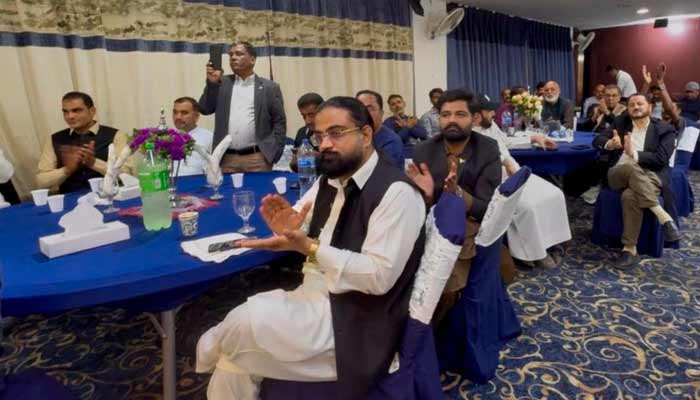
Several attendees described themselves as “sons of the soil” and said they were ready to assist authorities in any capacity. “We are waiting for directions and are prepared to serve wherever needed,” one speaker added.
Prominent Emirati entrepreneur and businessman, Bu Abdullah, attending as a guest of honour, said all residents were part of one national family and called for unity and adherence to rules during the current situation.
Event organiser Mian Munir Hans thanked the UAE leadership for ensuring the country’s security and praised its continued commitment to peace and tolerance.
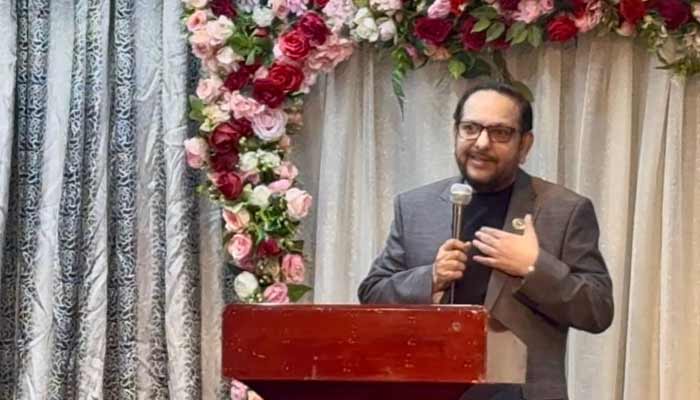
Overseas Pakistani representative Malik Aslam said that many Pakistanis have come to the UAE, built their lives, and achieved their dreams, adding that the community remains grateful and will continue to stand by the UAE leadership in all circumstances.
Overseas Pakistanis, including long-time resident Qadir Magsi and business leader Mohammad Saleem, expressed emotional attachment to the UAE, saying they were ready to fulfil any responsibility if called upon.
The event was organised by the Pakistan Peoples Party Middle East and attended by members of the Pakistani community, business groups and political representatives, who collectively expressed solidarity with the UAE and appreciation for the opportunities the country has provided.
- Plan to be agreed on Monday, says source.
- Two-stage deal envisaged, ceasefire then final agreement.
- Final deal in 15–20 days with nuclear curbs, sanctions relief.
Iran and the United States have received a Pakistan-formulated plan to end hostilities that could come into effect soon and reopen the Strait of Hormuz, a source aware of the proposals said on Monday.
A framework to end hostilities has been put together by Pakistan and exchanged with Iran and the US overnight, the source said, outlining a two-tier approach with an immediate ceasefire followed by a comprehensive agreement.
“All elements need to be agreed today,” the source said, adding the initial understanding would be structured as a memorandum of understanding finalised electronically through Pakistan, the sole communication channel in the talks.
Axios first reported on Sunday that Pakistan, along with other regional mediators, was engaged in intense diplomatic efforts to broker a potential 45-day ceasefire between Iran and the United States that could lead to a permanent end to the war.
The source told Reuters that Chief of Army Staff (COAS) and Chief of Defence Forces (CDF), Field Marshal Asim Munir, has been in contact “all night long” with US Vice President JD Vance, special envoy Steve Witkoff and Iranian Foreign Minister Abbas Araghchi.
Under the proposal, a ceasefire would take effect immediately, reopening the Strait of Hormuz, with 15–20 days to finalise a broader settlement.
The deal, tentatively dubbed the “Islamabad Accord,” would include a regional framework for the strait, with final in-person talks in Islamabad.
Meanwhile, senior Iranian official told Reuters that Tehran had received Pakistan’s proposal for an immediate ceasefire and was reviewing it, adding that Tehran does not accept being pressured to accept deadlines and make a decision.
Iran won’t reopen the Strait of Hormuz in exchange for a “temporary ceasefire”, the official said, adding that Tehran views Washington as lacking the readiness for a permanent ceasefire.
Iranian officials have previously told Reuters that Tehran was seeking a permanent ceasefire with guarantees they will not be attacked again by the US and Israel. They have said Iran has received messages from mediators including Pakistan, Turkiye and Egypt.
The final agreement is expected to include Iranian commitments not to pursue nuclear weapons in exchange for sanctions relief and the release of frozen assets, the source said.
Two Pakistani sources said Iran has yet to commit despite intensified civilian and military outreach.
“Iran has not responded yet,” one source said, adding proposals backed by Pakistan, China and the United States for a temporary ceasefire have drawn no commitment so far.
There was no immediate response from Chinese officials to requests for comment.
The latest diplomatic push comes amid escalating hostilities that have raised concerns over disruption to shipping through the Strait of Hormuz, a critical artery for global oil supplies.
US President Donald Trump has in recent days publicly pressed for a rapid end to the conflict, warning of consequences if a ceasefire is not reached within a short timeframe.
The conflict has heightened volatility in energy markets, with traders closely watching any developments that could affect flows through the strait.


Vietnam’s economy up 7.83% YoY in Q1 2026: NSO

Artemis II: Everything We Know as Its Crew Approaches the Far Side of the Moon

David Henrie and wife Maria announce surprise 4th pregnancy

-

 Sports1 week ago
USMNT handed reality check by Doku, Belgium ahead of World Cup
-

 Sports1 week ago
2026 NCAA men’s hockey tournament: Schedule, results
-
Uncategorized4 days ago
[CinePlex360] Please moderate: “Trump signals p
-
Uncategorized1 week ago
[CinePlex360] Please moderate: “Further tariff
-

 Entertainment3 days ago
Joe Jonas shares candid glimpse into parenthood with Sophie Turner
-

 Tech3 days ago
Our Favorite iPad Is $50 Off
-

 Sports1 week ago
Man City show why they are worthy WSL title winners as tired United wilt
-

 Entertainment1 week ago
Demystifying the PTI