

Fashion
Uzbekistan announces tax, customs incentives for textile enterprises

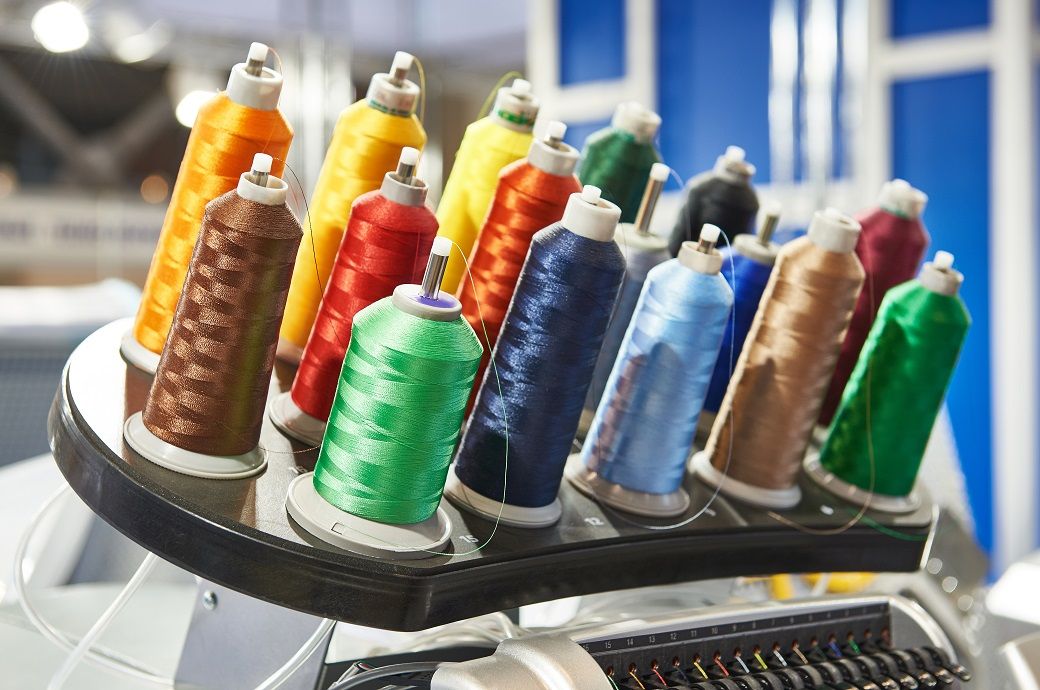
Measures to back financial recovery include restructuring the debts of cotton-textile clusters on loans issued from the State Agricultural Support Fund for the 2022-2023 harvest.
For clusters with collateralised assets, interest payments will be deferred until the principal is repaid. Those who met obligations on time will be refunded half of interest paid, while accrued penalties on overdue interest as of August 1, 2025, will be written off.
Uzbekistan has announced measures to accelerate reforms and expand export potential in the textile and knitwear industry, targeting a 9-per cent rise in 2026 production and an export boost to $3.3 billion.
Debts of cotton-textile clusters would be restructured and beginning September 1, a reduced social tax rate of 1 per cent will be imposed for three years on these and textile and knitwear enterprises.
Farmers will receive subsidies of 1 million soums this year for each tonne of raw cotton sold to processors via exchange trading to ensure uninterrupted cotton harvesting. Clusters and enterprises financing cotton cultivation or procurement with their own funds will be reimbursed 10 per cent of its cost, according to domestic media reports.
Beginning September 1, a reduced social tax rate of 1 per cent will be imposed for three years on cotton-textile clusters and textile and knitwear enterprises. In addition, customs duties will be waived off on blended fabrics, textiles and raw materials for the leather and silk industries not produced in Uzbekistan.
Fibre2Fashion News Desk (DS)












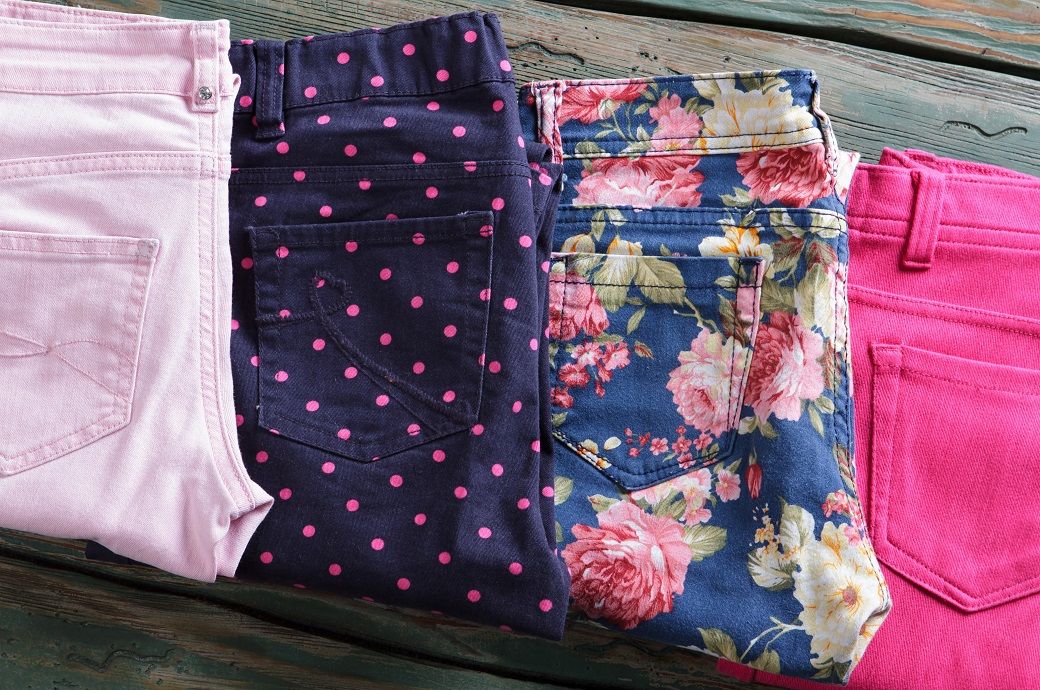
Indonesia’s apparel exports rose modestly to $8.705 billion in 2025 from $8.316 billion in 2024, reflecting gradual recovery.
The US remained dominant, accounting for over 56 per cent of shipments, highlighting growing market dependence.
While Japan, South Korea and Europe offered stability, exports stayed concentrated in key products and segments.
Source link

Methanol prices in India have surged nearly 150 per cent from pre-Iran–US tension levels, tracking a sharp rise in crude oil and tightening global energy markets.
Hormuz disruption risks, limited rerouting capacity, rising freight and insurance costs, and constrained imports are fuelling volatility, with prices seen approaching ₹90 per kg.
Source link
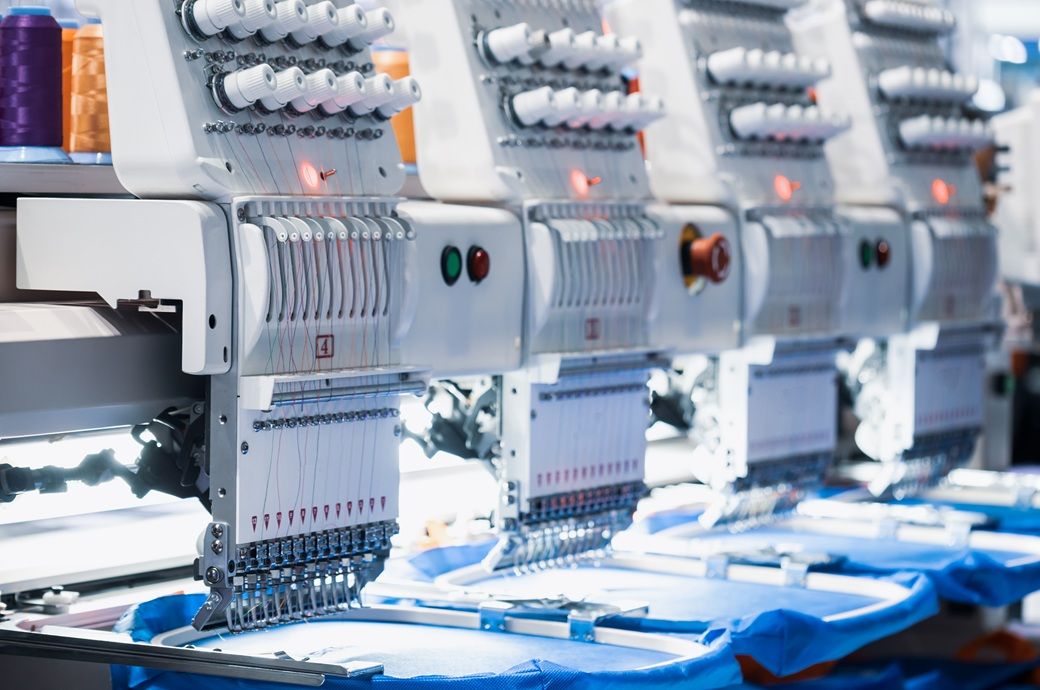
The easing in the rate of decline reflects moderating downward pressure from energy markets, particularly crude oil prices, which continue to influence industrial pricing trends, CBS said in a press release.
Manufacturing output prices in the Netherlands fell 2.3 per cent YoY in February 2026, a smaller decline than January’s 2.5 per cent, according to CBS.
The drop was driven by lower crude oil prices, though the pace of decline eased.
Petroleum prices remained subdued.
On a monthly basis, prices rose 0.3 per cent, signalling mild recovery in domestic and export markets.
In February, the average price of a barrel of crude oil stood at nearly €59, down by over 18 per cent YoY. This compares with January, when Brent crude averaged around €55 per barrel, registering a sharper annual decline of more than 27 per cent.
Petroleum-derived product prices also showed a narrower contraction, falling by 9.1 per cent YoY in February compared to a steeper 15.6 per cent drop in January.
On a month-on-month (MoM) basis, however, manufacturing output prices edged higher by 0.3 per cent in February. Export prices rose by 0.4 per cent, while domestic market prices increased by 0.3 per cent, indicating a modest recovery in short-term pricing momentum.
Fibre2Fashion News Desk (SG)


AI Has Flooded All the Weather Apps

Indonesia’s apparel exports at $8.7 bn; 56% shipments to US

King Charles important annual tradition hit with setback as warning issued

-

 Politics1 week ago
Afghanistan announces release of detained US citizen
-

 Sports1 week ago
Broadcast industry CEO says consolidation is ‘essential’ to compete for NFL soaring media rights prices
-

 Entertainment1 week ago
UN warns migratory freshwater fish numbers are spiralling
-

 Tech1 week ago
Can a Home Appliance Fix the Problem of Soft-Plastic Waste?
-
 Business7 days ago
Property Play: Home flippers see smallest profits since the Great Recession, real estate data firm says
-
 Business1 week ago
Gold prices soar in Pakistan – SUCH TV
-

 Fashion1 week ago
ICE cotton slips on weaker crude, profit booking
-
 Business1 week ago
More women are entering wealth management, but few are in advisory roles, study finds