

Fashion
Uzbekistan taking steps to expand footprint in US

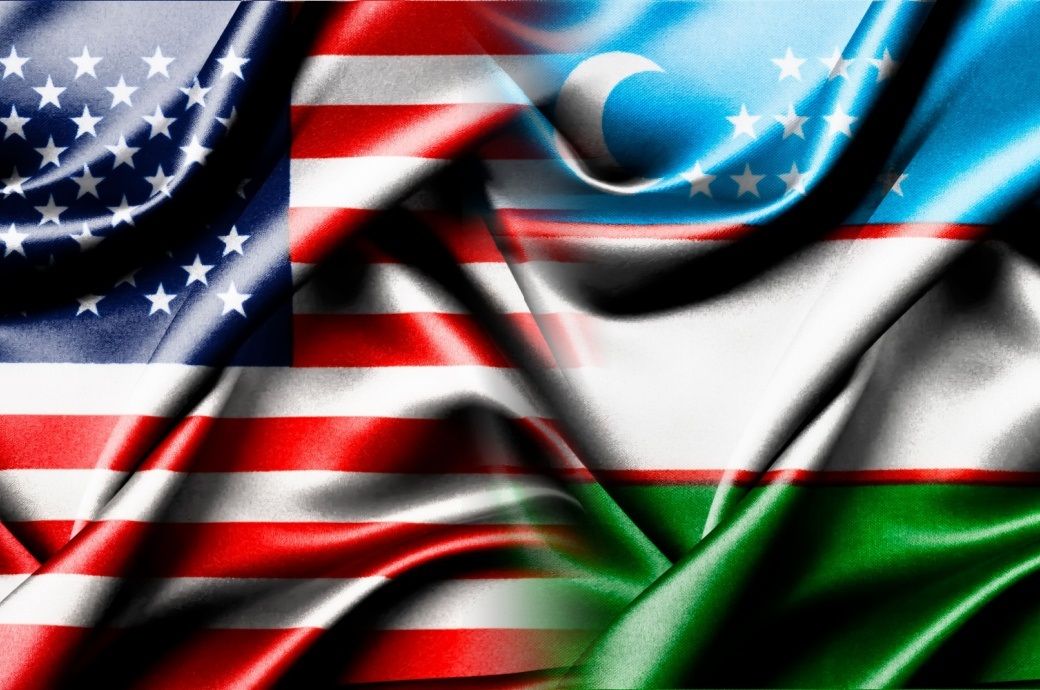
Uzbekistan, a rising power in the global apparel export domain, is one such name that is preparing to establish a stronger foothold in the US textile market.
Uzbekistan is working to strengthen its presence in the $100 billion US textile market through initiatives like opening trading houses in St. Louis and New York.
To boost exports and competitiveness, Uzbekistan is investing in modernising its textile sector even as reforms are reportedly focused on upgrading technology, improving compliance, and securing international certifications.
Speaking to Fibre2Fashion Isomiddin Mirzayev, the head of international relations and foreign investment at the Uztextile Industry Association, shared that while new US tariffs are often layered over existing ones—raising the risk of double taxation—Uzbek products still face lower overall duties compared to many other countries.
“The overall tariff burden on Uzbek goods remains lower than that on some other countries, potentially giving us a competitive edge—especially as buyers shift orders away from China,” underlined Isomiddin.
With deep roots in cotton production, Uzbekistan is taking calculated steps to expand its reach into the $100 billion US textile market.
President Shavkat Mirziyoyev has announced plans to open two textile trading houses in key American cities—St. Louis and New York—as part of this broader strategic vision. These hubs are expected to serve as promotional and sales centres, linking Uzbek manufacturers directly with US retailers, fashion brands, and buyers.
This move is more than a symbolic gesture; it is a practical and targeted effort to tap into one of the world’s most lucrative consumer markets. The idea is to eliminate intermediaries and create direct lines of communication between producers and buyers, thereby improving efficiency, responsiveness, and profitability.
By placing trading houses in cities with commercial significance and a well-established fashion ecosystem, Uzbekistan is positioning itself to play a more proactive role in the global apparel supply chains.
“Even though the actual export volume remains modest still— under $2 million annually, with proper positioning, a targeted marketing strategy, and optimised logistics, Uzbekistan could significantly increase its export volumes to the US,” claimed Isomiddin in an earlier interaction.
The trading houses, if industry insiders are to be believed, are just one aspect of a much broader push to modernise the Uzbek textile industry, which has been grappling with external pressures such as falling global cotton prices lately.
Recognising the availability of raw material alone is not enough, the government has reportedly launched a series of reforms aimed at upgrading infrastructure, technology, and compliance standards.
According to reports, a $200 million preferential fund has also been allocated to help manufacturers modernise operations and meet export goals. The focus is not only on increasing output but also on elevating the quality and traceability of products to meet international standards.
One of the critical steps in this modernisation journey is improving industry credibility through global certifications.
Uzbekistan is reportedly aiming to have at least 300 textile firms certified to international standards, making them more attractive to buyers who prioritise sustainability, ethical sourcing, and quality assurance.
These certifications are not just badges of compliance; they are gateways to larger orders and longer-term contracts from established brands.
In parallel, the government is also said to be investing in technological upgrades, which will help streamline operations, enhance inventory and supply chain visibility, and enable better decision-making at all levels of the production process.
The country is also reportedly turning to artificial intelligence to boost productivity, improve transparency, and reinforce traceability in the textile sector, according to industry insiders, who claimed that subsidies are also being offered to train workers in digital tools and automation, with the ultimate aim of building a smart, agile, and responsive industry.
The Uzbek government is also reportedly eyeing the European market with the overarching goal to double exports of finished textile products. By shifting focus from commodity exports to finished goods, the country aims to retain more economic value, generate employment, and elevate its status as a competitive player in the global apparel ecosystem.
In a world where supply chains are increasingly scrutinised for transparency, ethics, and sustainability, Uzbekistan is making the right moves, feel experts, who are of the opinion that if effectively implemented, these measures could transform the country’s apparel industry drastically.
Fibre2Fashion News Desk (DR)







Current account excluding gold and energy indicated net deficit of $3.9 billion, while goods saw a deficit of $9.5 billion.
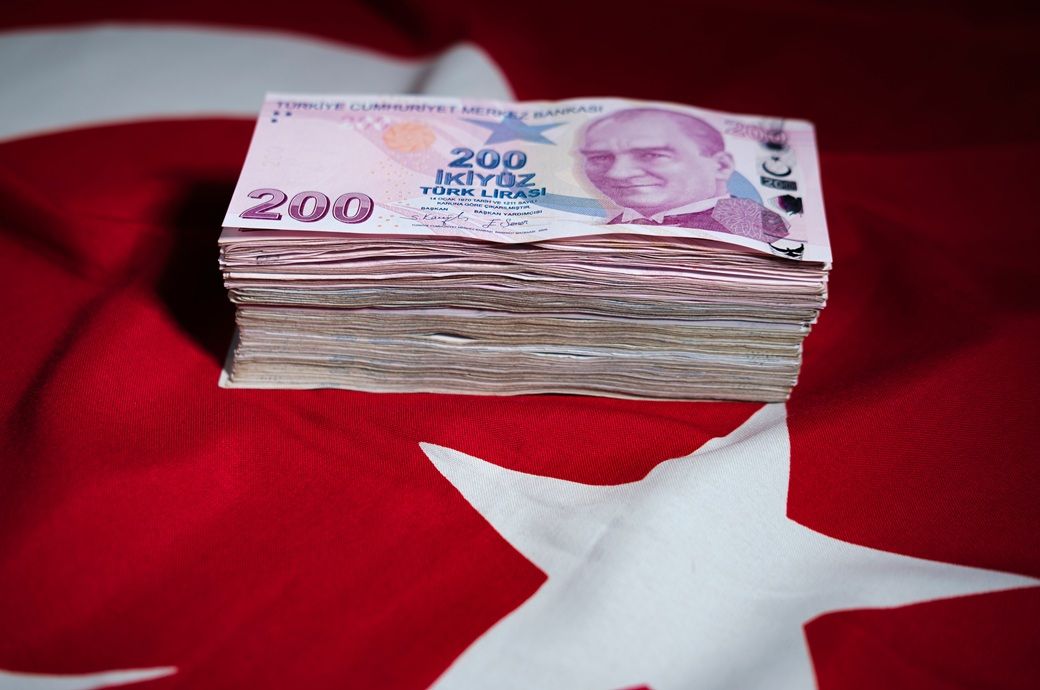
Turkiye recorded a current account deficit (CAD) of $9.6 billion in March, the country’s central bank said.
Treasury and Finance Minister Mehmet Simsek said the CAD is expected to widen this year, due to high energy and non-energy commodity prices.
Simsek said the deterioration is likely to remain temporary and manageable, thanks to stronger macroeconomic fundamentals and policy gains.
According to annualised data, current account deficit recorded as $39.7 billion (2.6 per cent of gross domestic product) in March, while the goods deficit recorded as $77.8 billion.
Simsek said the deterioration is likely to remain temporary and manageable thanks to stronger macroeconomic fundamentals and policy gains, domestic media outlets reported.
Turkiye is heavily reliant on imported energy, whose prices spiralled due to the Middle East conflict.
Simsek said elevated global commodity prices would put pressure on the external balance, but emphasised that the government’s economic programme had improved resilience against such shocks.
He said foreign direct investment (FDI) inflows totalled $1 billion in March, bringing annualised foreign direct investment to $12.6 billion.
The new investment incentive package under discussion in parliament now is expected to strengthen the country’s financing structure and support long-term capital inflows, he added.
Fibre2Fashion News Desk (DS)
During the first quarter of ****, the UK’s imports of textile fabrics eased down *.** to £*,*** million (~$*,*** million), against £*,*** million in January-March **** but slightly higher from £*,*** million in the fourth quarter of ****. Its imports of fibre were noted at £** million (~$***.** million) steady as £** million in Q*, **** but slightly lower than £** million in Q*, ****.
During the third month of this year, the country’s clothing imports declined *.** per cent to £*.*** billion (~$*.*** billion), compared with £*.*** billion in March ****. But the inbound shipment was slightly higher month on month compared with £*.*** billion in February ****.
Higher rents, utility bills and fuel prices are eating away at already thin profit margins, it found.
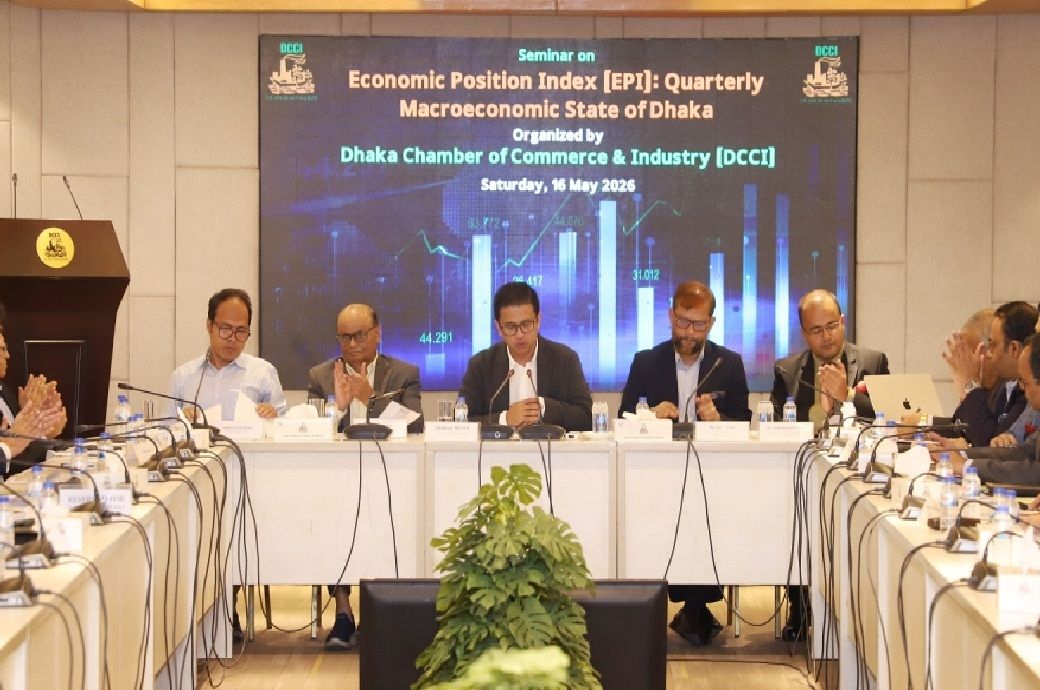
High inflation is cutting deep into Bangladesh consumer spending, with weak demand turning one of the biggest concerns for businesses, DCCI said.
Higher rents, utility bills and fuel prices are eating away at already thin profit margins.
DCCI’s economic position index revealed that consumers have sharply reduced spending as the cost of living continues to rise.
SMEs are feeling the pressure the most.
The chamber’s economic position index (EPI) revealed that consumers have sharply reduced spending as the cost of living continues to rise, putting pressure on retailers, transport operators and other service providers.
Small and medium enterprises (SMEs) are feeling the pressure the most as they struggle to manage higher operating costs without losing customers.
Businesses also cited difficulties in obtaining bank loans, while delays in licensing and other regulatory procedures are adding to costs.
The DCCI report identified a shortage of skilled workers, particularly in technical and customer service roles, as another challenge for the sector.
The country’s inflation rose to 9.04 per cent in April from 8.71 per cent in March, according to official statistics.
Fibre2Fashion News Desk (DS)


Turkiye’s current account deficit expected to widen in 2026: Minister

UK’s clothing imports fall 3% in Q1, sharply lower than Q4 2025
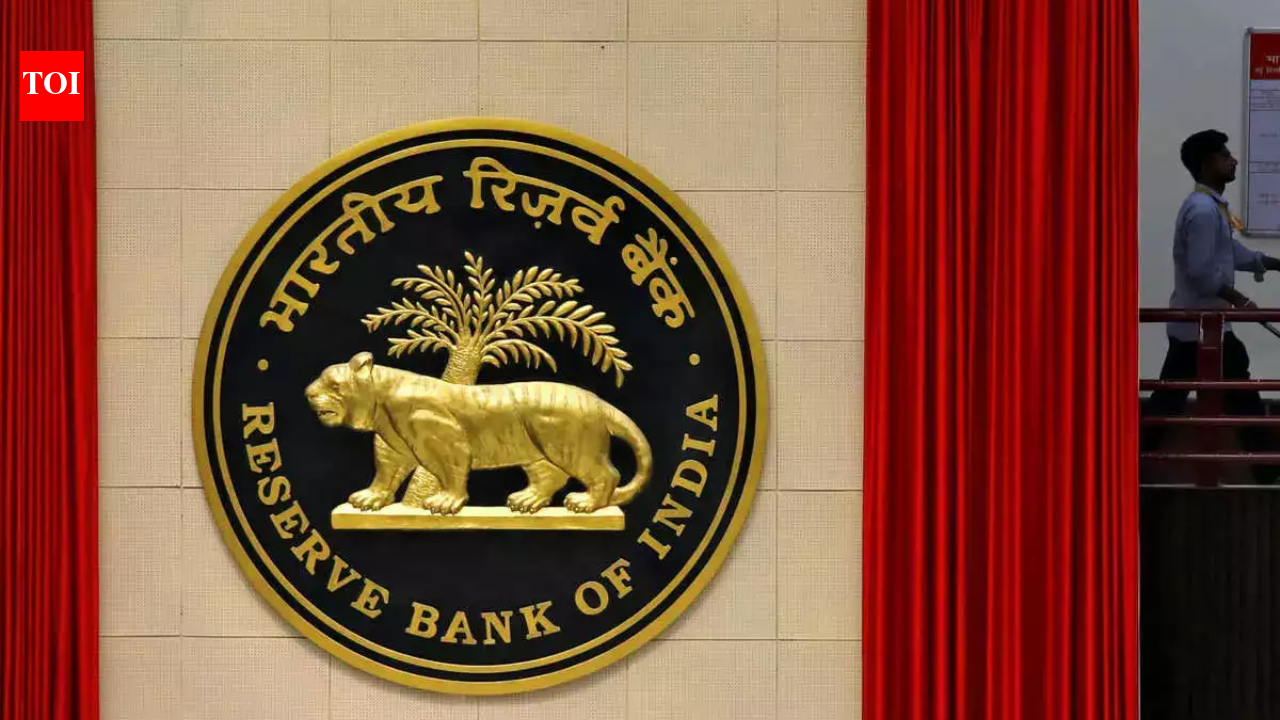
RBI sees no signs of excess credit risk, keeps countercyclical capital buffer inactive

-

 Entertainment6 days ago
Conan O’Brien hat tricks as Oscar host
-

 Tech1 week ago
Could Contact-Tracing Apps Help With the Hantavirus? Not Really
-

 Fashion5 days ago
Italy’s Zegna Group’s Q1 growth boosted by strong organic performance
-

 Sports1 week ago
Bobby Cox, legendary Atlanta Braves manager who led 1995 World Series champions, dead at 84
-

 Entertainment1 week ago
Martin Short: Facing tragedy with joy
-

 Entertainment1 week ago
Tom Brady gets back at Kevin Hart during Netflix roast
-

 Sports1 week ago
Jacob Fatu unleashes vicious assault on Roman Reigns after World Heavyweight Championship loss at WWE Backlash
-

 Entertainment1 week ago
Martha Stewart: How to make an omelet