

Sports
Wetzel: Standing on the brink of anything-goes NCAA eligibility

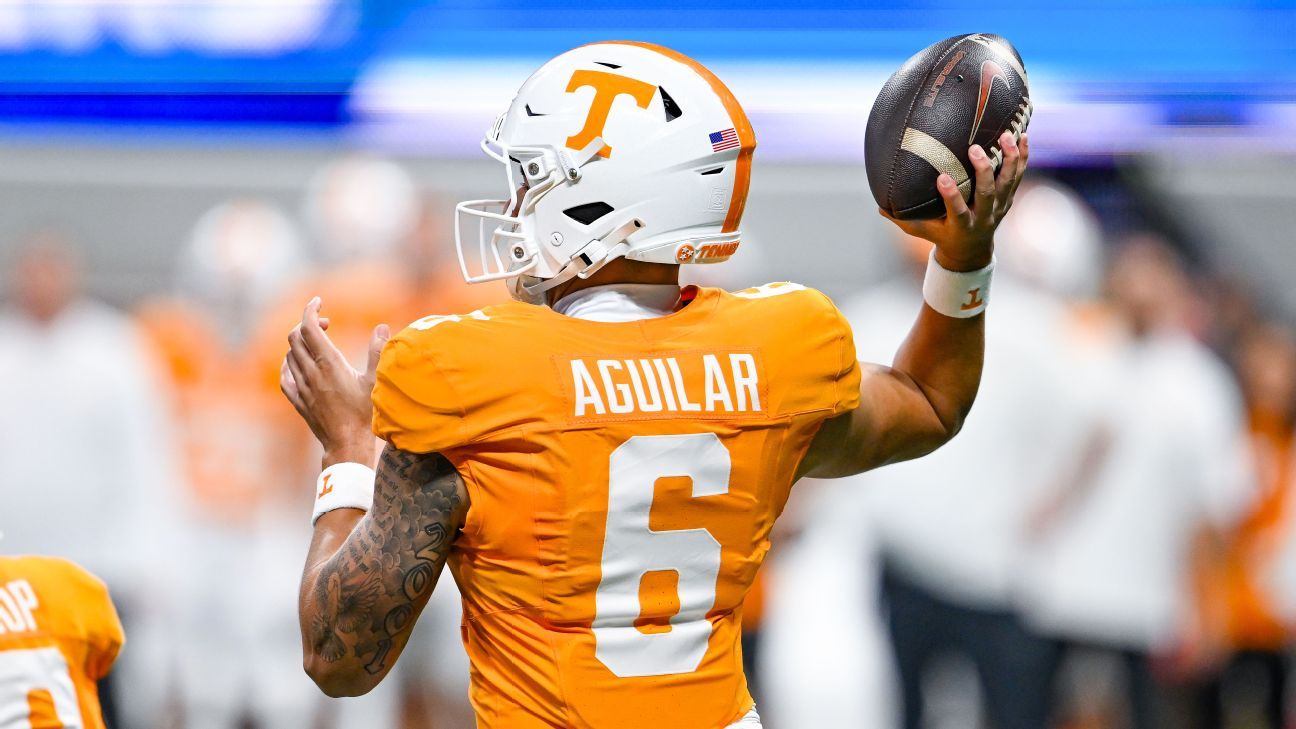
For a team to succeed in college athletics, you need a quality coach, top-of-the-line facilities and, at least these days, a new asset: a five-star local judge.
On Friday alone, judges will decide if Alabama basketball can continue playing a 7-footer who spent 2½ seasons, including games last month, in the G League and whether Tennessee football next season will have a 25-year-old quarterback who first enrolled in junior college back in 2019.
The rulings, from courthouses in Tuscaloosa and Knoxville, respectively, are likely to be a “yes,” in part because the NCAA has allowed plenty of inconsistencies in eligibility rulings that allowed precedents to be set.
As for judicial home cooking, that’s anyone’s guess — there’s no truth to rumors that one ruling will be stamped “Roll Tide,” or that the other court plays “Rocky Top” before closing arguments.
The issue for college athletics, as aggressive plaintiff lawyers and coaches desperate to keep up use local courts to blow through once agreed upon statutes, is that this tidal wave is just getting started.
And the NCAA seems to have no plan to stop it.
By not controlling who is or isn’t eligible to play, the NCAA is quickly losing the ability to function as an organizing athletic body. This is far more important than, say, NIL compensation, where well-meaning arguments on all sides exist. This is basic stuff.
You can’t play U8 soccer if you’re 10. You can’t be on a city team in the Little League World Series if your players hail from three states over. You can’t play high school sports if you already graduated. You can’t get drafted into the NFL until three years after high school.
This is no longer about establishing guardrails for college sports. It’s about having an actual road on which to establish the guardrails.
The trend is to get a local judge to offer an injunction that allows a player eligibility, even in violation of clear NCAA rules. The player then competes through the season before dropping the case before it’s even heard.
If that holds, then college football in August will be about grabbing any player with even the slightest argument for eligibility who just got cut from NFL training camps.
Come make seven figures in college ball rather than sit on a practice squad … where maxed-out pay for rookies is $235,000 a year. Come play for us until injuries force an NFL team to bring someone in.
A constantly revolving door between NCAA rosters and the pros, with college coaches mining the NFL waiver wire, sounds far-fetched. A guy playing G League ball one Saturday and SEC ball the next once sounded crazy, too, until Alabama’s Charles Bediako made it a reality last month.
Each new absurd eligibility ruling — junior college years don’t count, being drafted isn’t the same as being in the league, it’s just summer league — begets the next even more absurd ruling. Schools now look to exploit the rules they once wrote because if they don’t, the other guy will.
The NCAA spent decades and millions of dollars on a failed legal strategy to preserve “amateurism.” It was beaten in the Supreme Court, 9-zip.
The past half dozen or so years, it has spent millions more seeking a federal legislative solution. The NCAA hasn’t even gotten a bill to the floor for a vote.
And it won’t any time soon, either, at least not the broad reform it wants. Not only can few people agree on what is needed, their opinions keep changing. Even once hardcore advocate Dabo Swinney, the Clemson football coach, now wonders if the answer is granting athletes employee status and collectively bargaining with them.
Asking Washington to save college sports was always a long shot pursuit. Politicians are about politics, not problem-solving. Consider Texas Sen. Ted Cruz’s comment to ESPN’s Dan Murphy last week about employee status and possible union membership for athletes.
“From a political perspective, you have labor union bosses that would love to see every college athlete deemed an employee, made a member of a union and contributing union dues to elect Democrats,” Cruz said.
Cruz is saying the quiet part out loud, namely that Democrats might favor this solution so there are 100,000 new union members whose dues might eventually bolster their elections, which is also why Republicans might oppose it. The merits of the argument, one way or the other, are secondary.
Don’t blame Cruz. This is how a politician probably should think. But it doesn’t help college sports.
The NCAA needs a skinny bill that sets clear eligibility standards — five years starting after your high school graduation, voided if you declare yourself for the pros. No carve outs. No exemptions. No granting an extra year because of some heartrending story — illness or injury doesn’t get you more high school eligibility.
The NCAA needs to present that simple, common sense, bipartisan request to Congress that can’t get bogged down in politics. It should lean on the NFL, NBA and other pro leagues, which have considerable lobbying muscle, to get the bill passed.
The NFL, for example, doesn’t want to have its practice squad offers subject to counterbids from desperate college teams.
“There’s obviously a lot of change going on and a lot of disruption, and they do need to bring some clarity to that,” NFL commissioner Roger Goodell said this week. “If for some reason we could be helpful with the right people, we would obviously be willing to engage with anybody.
“But I think we try to stay in our lane unless we’re invited in to be part of the solution.”
NCAA president Charlie Baker should extend that invitation immediately.
There are other solutions, say, having the NCAA incorporate to limit legal jurisdictions, creating new rules with severe consequences for schools who play questionable eligibility cases and so on.
The skinny bill is perhaps the simplest way, though, to force a yes or no decision.
If not, these eligibility cases — and the value of those five-star judges — will only continue to grow in importance.
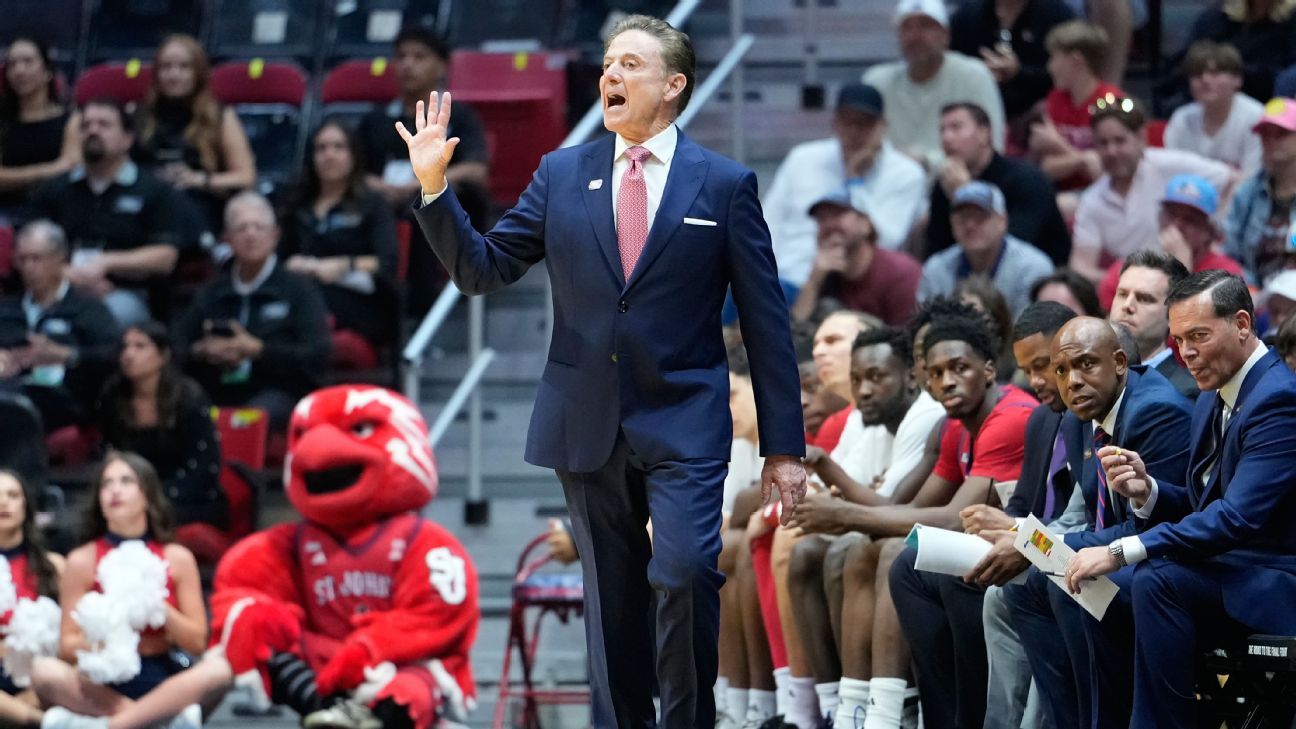
This St. John’s team can’t shoot.
The Red Storm are 182nd nationally in field goal percentage (45.2) and 225th from 3-point range (33.2).
It doesn’t seem to matter. Rick Pitino’s team (30-6) has been opportunistic, physical and fearless in reaching the Sweet 16, where it will play Duke on Friday.
It is reminiscent of Pitino’s 2012-13 Louisville team that shot just 33.3% from behind the arc (216th nationally) yet won the national title. It’s a far cry, however, from his underdog 1987 Providence team, which reached the Final Four thanks to his then-revolutionary idea of prioritizing the newly created 3-pointer. Those Friars hit 42.2% of them.
Pitino can win one way, or the other, or back again; from the Camelot of Kentucky to the late-career rehab of Iona College.
The years change, the teams change. The players, style of play, rules, roster construction, and even the cuts of his neatly tailored suits change.
One thing remains constant.
Pitino wins.
The case for Rick Pitino as the greatest college basketball coach of all time takes some contorting, but each year it gains credence. The 73-year-old coached his first game 50 years ago, in 1976 as an interim at Hawai’i. He now appears better than ever.
Pitino’s 915 victories, .743 winning percentage and two national titles will never compare numerically to, say, Mike Krzyzewski’s 1,202 victories, Adolph Rupp’s .822 win percentage or John Wooden’s 10 championships.
Part of that is by choice — Pitino spent eight seasons in the NBA, including six as head coach in New York and Boston. He also had various NCAA and personal scandals that made him a temporary pariah and, to some, permanently ruined his reputation.
His legacy will always be linked to scandal. He had that Louisville national title, along with 123 victories, “vacated” by the NCAA as a result of its investigation into allegations that a staffer provided escorts at on-campus parties for players and recruits. The program was also at the center of a federal fraud and bribery case involving Adidas.
For a stretch, he was essentially professionally exiled to Greece, where he coached pro ball for two seasons, winning a couple of titles there, too.
Outside the lines, Pitino is one thing. Inside them, though, is a different story. Had he just stayed at Kentucky in 1997 rather than jump to the Celtics — and kept his business in order (perhaps unlikely) — there is no telling what his career totals would be. UK was rolling, after all, winning another national title under Tubby Smith the season after Pitino left.
But he has always bounced around, rescuing six bottomed-out programs (Boston University, Providence, Kentucky, Louisville, Iona and St. John’s). In the season before his arrival, those teams were a combined 76-105 (.419).
No matter.
He led five of them back to the NCAA tournament within two seasons (or in UK’s situation, when a tournament ban concluded). At BU, it took four.
This isn’t to punish other great coaches who built national powers and then stuck with it. Maintaining a juggernaut isn’t simple and deserves credit. Yet, Pitino has proven it was him, not the institution, that made the difference.
Pitino has had talented players (especially the 1996 Kentucky national champions), but he has coached just three future NBA All-Stars — Donovan Mitchell, Jamal Mashburn and Antoine Walker.
This isn’t as impressive as Bob Knight, who won 902 games and three titles despite having just one player who would become an NBA all-star (Isiah Thomas), but it’s also not the Hall of Fame parade that Dean Smith (UNC), Krzyzewski (Duke) or Wooden (UCLA) had.
Pitino, a former New York point guard, is about basketball. He still conducts one-on-one development workouts. He still grinds game footage. He still finds the way to maximize what he has — sometimes with a full-court press, sometimes the old 2-3 zone he learned as an assistant under Jim Boeheim.
He still communicates, harshly but honestly, in a way, for example, that not only empowers current guard Dylan Darling to confidently call for the ball in the waning seconds of Sunday’s victory over Kansas, but allows Pitino to trust “Church Bells” — a nickname stemming from Pitino’s description of Darling’s, uh, fearlessness — to pull it off, even with his off hand.
Pitino’s career has bridged multiple eras; not just in style of play (he coached pre-shot clock and 3-point line), but style of pay. As an assistant at Hawai’i in the mid-1970s, the NCAA dinged him for giving players coupons to McDonald’s. Now, they can own a franchise.
Some of his best work has come recently.
He returned from his Greek purgatory to lead low-major Iona to two NCAAs in three seasons. At age 70, he took over St. John’s, and won consecutive Big East regular-season and tournament titles. Now, the Red Storm are in the Sweet 16 for the first time this century.
The players still listen. They still defend. They still hustle. They still believe.
They still win, even when they can’t shoot all that well.
That’s a pure college basketball coach, perhaps the best there has ever been.
Sports
Cam Newton views adding 18th regular-season game as ‘good business,’ questions how preseason games will work
NEWYou can now listen to Fox News articles!
As the NFL continues to expand its reach and capitalizes on the ever-growing popularity of the sport both domestically and globally, talk of adding an 18th regular-season game has become more apparent.
The NFL Players’ Association has said players “have no appetite for a regular-season 18th game,” while owners like New England Patriots’ Robert Kraft believes “every team will go 18” at some point sooner than later.
For former MVP quarterback Cam Newton, he’s taking a step back and viewing an 18th regular-season game from both sides. That assessment has him believing preseason games, which every team plays three before Week 1 of the regular season, will become even more diluted.
CLICK HERE FOR MORE SPORTS COVERAGE ON FOXNEWS.COM
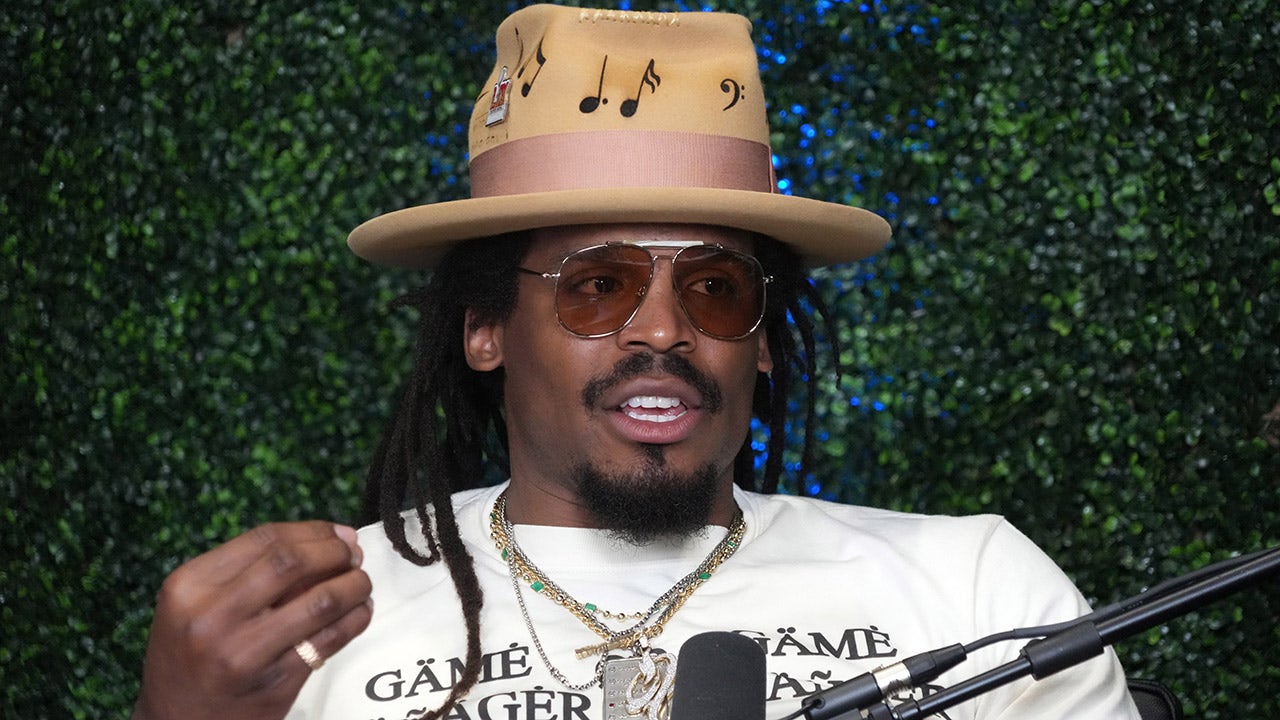
Cam Newton of team J Balvin looks on against team Druski during the Super Bowl LX Celebrity Flag football game on YouTube at Moscone Center South on Feb. 7, 2026 in San Francisco, California. (Thearon W. Henderson/Getty Images)
“Man, it’s a lot on the body,” he told Fox News Digital about another regular-season game added to the schedule, while discussing his Iconic Saga Productions partnership with Offscript Worldwide. “If you really look at it, what’s happening is they’re devaluing preseason games as we know it to be, and they’re trying to put it on the back end.
“Because, one thing we all know — and I say this with all due respect — America’s new game has been, for some time, American football. It’s just good business. The Super Bowl garners a global audience that no sporting event can attest to, especially domestically in the United States. So, they know, the more they give, the more they’re able to garner from difference audiences.”
So, as Newton sees this simply as “good business” for the NFL, he’s implying the league will once again drop a preseason game from a team’s schedule to add the 18th game. It’s what happened when the 17th regular-season game was added in 2021, as the preseason schedule was reduced from four to three games.
“I think, when you’re talking about the 18th game, it really comes down to if teams are going to really focus on preseason, or negate preseason altogether, just to get right into the regular season. That’s going to be interesting to kind of see,” Newton added.
While the NFLPA has pushed back at the potential of an 18th game, citing player safety as one of the main reasons behind keeping the schedule as is, others like Buffalo Bills left tackle Dion Dawkins see it as inevitable.
“It’s going to happen either way,” he told Fox News Digital in a recent interview.
“Then, 20 years later, guess what? We’re talking about a 19th, then we’ll be talking about a 20th.… Then it’s like, ‘Yeah, we are combat athletes all year long.’ But who knows,” Dawkins added.
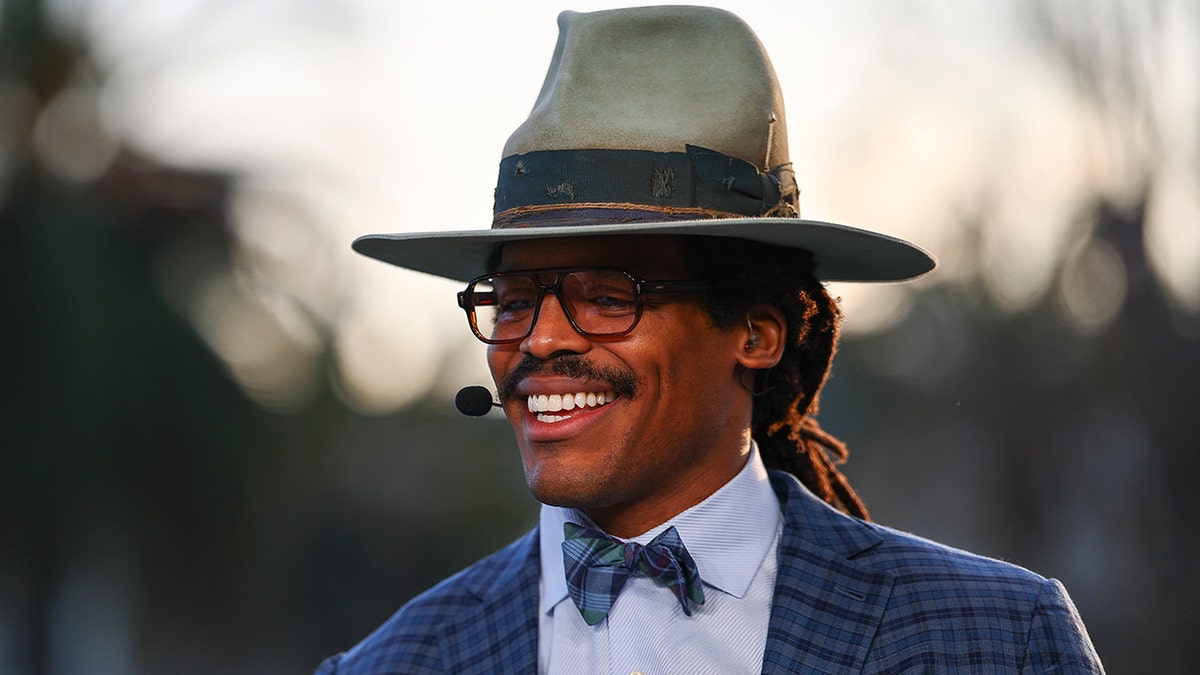
ESPN analyst Cam Newton is on the set of “First Take” on Feb. 6, 2026 in San Francisco, California. (Aaron M. Sprecher/Getty Images)
For now, 17 games is what the NFL schedule will read in 2026. But, as Dawkins noted, who really knows?
To Newton’s point, it’s simply good business as demand continues to skyrocket for the league as each season passes.
EXPANDING CONTENT REACH WITH OFFSCRIPT
Newton may not be on the field any longer, but he remains tuned in with the NFL and every other sports moment through his content creation, most notably his “Funky Friday” and “4th & 1 with Cam Newton” shows as part of his Iconic Saga Productions.
Newton and his production team announced a major partnership with Offscript Worldwide, a creator-owned ecosystem that connects culture-shaping brands and platforms under one roof, which includes REVOLT Sports and 3BlackDot.
Offscript unveiled this new partnership at the 2026 IAB NewFronts, where they will begin collaborating with Newton’s independent production powerhouse, integrating his hit shows and amplifying the reach of athlete-driven storytelling for global brands.
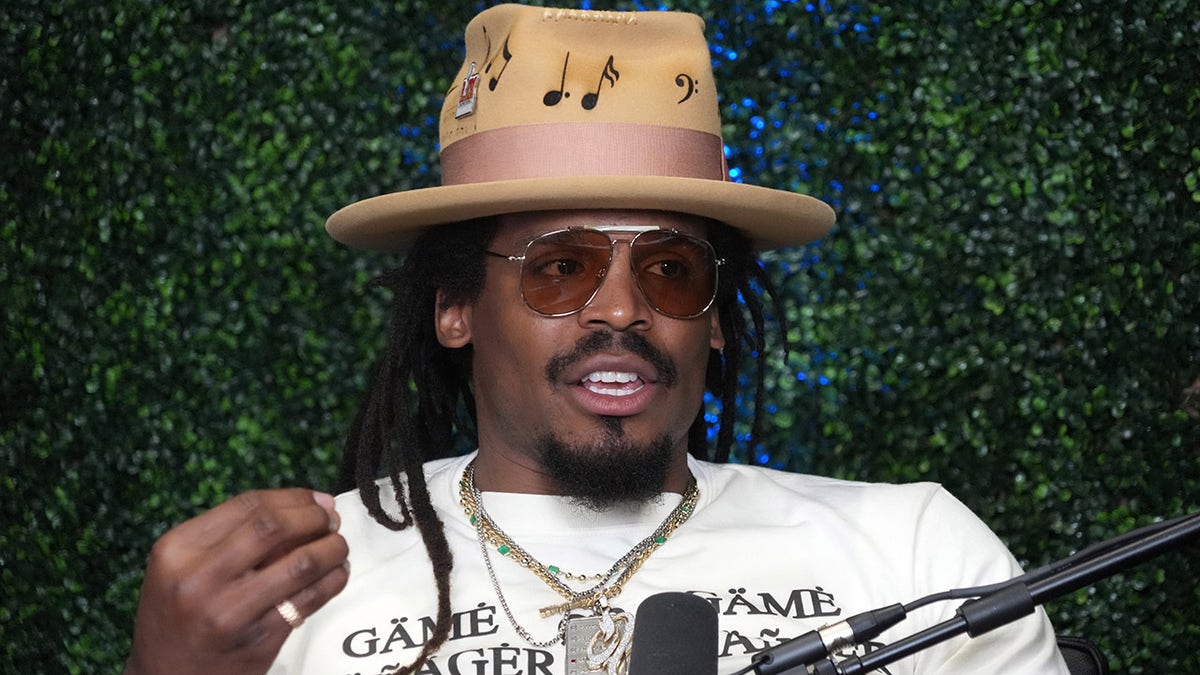
Cam Newton on radio row at the Super Bowl LIX media center on Feb. 7, 2025. (Kirby Lee/Imagn Images)
“When you really think about Offscript, it’s like the ecosystem that bridges so many different facets of our lives, from sports, to culture, to lifestyle and so many different things,” Newton explained. “That transition for me wasn’t foreign. Instead of training to be the best football player, or the best athlete. Now, I’m just training to be the best content creator I can possibly be.
CLICK HERE TO GET THE FOX NEWS APP
“I just always want to be a beacon of the person, in a lot of ways, figured it out as I went. I’m just so thrilled that Offscript gives me and Iconic Saga the opportunity to continue to believe in our vision, and we’re not able to do these things without great partners like this.”
As this partnership kicks off, Newton will also be hitting the road for the “4th & 1 College Tailgate Experience,” visiting HBCU’s across the U.S. to celebrate their heritage and shine a national spotlight on student-athletes, academic programs, and the unique game-day culture that defines what it means to be an HBCU.
Follow Fox News Digital’s sports coverage on X and subscribe to the Fox News Sports Huddle newsletter.
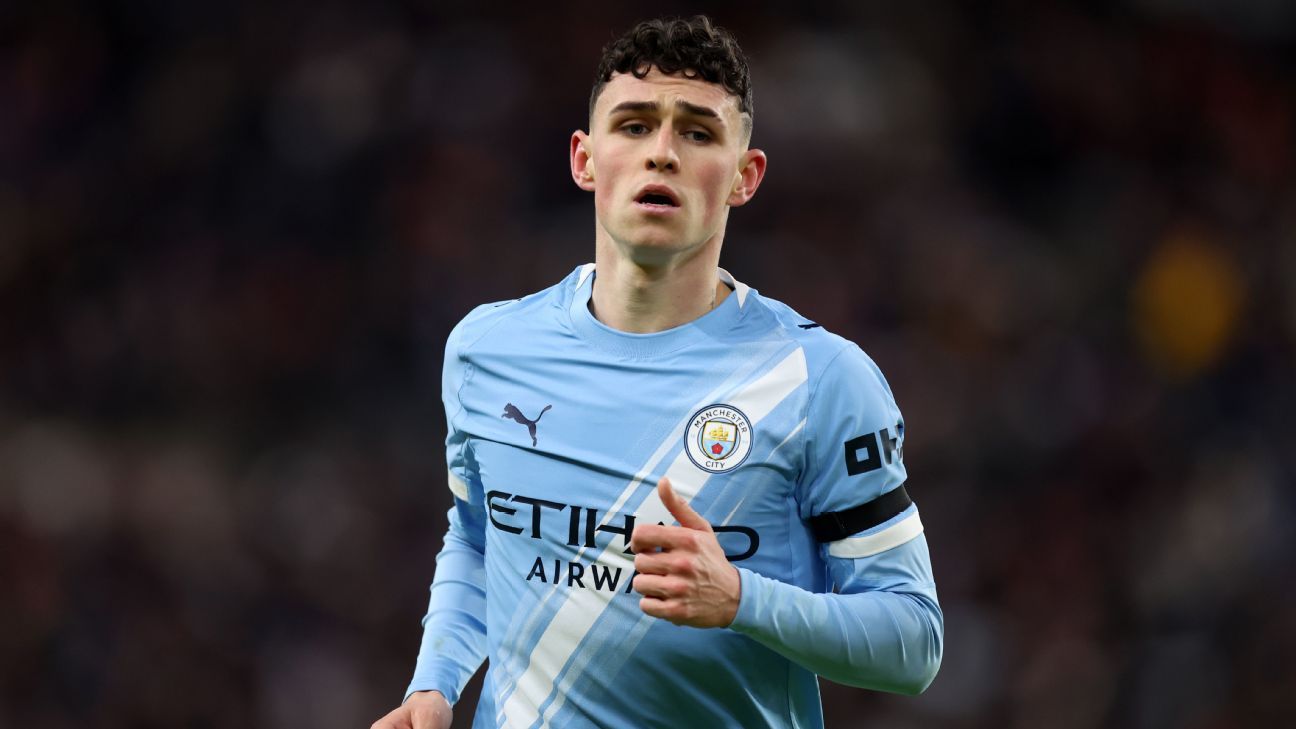
Phil Foden could reportedly leave Manchester City in the hunt for more first-team football, while Julián Álvarez‘s much-speculated exit from Atlético Madrid this summer may not come to fruition.
Join us for the latest transfer news and rumors from around the globe.
Transfers home page | Men’s winter grades | Women’s grades
TRENDING RUMORS
– Manchester City attacking midfielder Phil Foden is ready to leave the club this summer. Football Insider reports that the 25-year-old has been frustrated by his limited playing time recently, and if an agreement over a new contract isn’t reached in the next months, he will look to move to a team in Europe, where several top clubs would be keen on him. Foden has been named on the bench by manager Pep Guardiola in four of his last five appearances across all competitions.
– Atlético Madrid are preparing to ward off interest in forward Julián Álvarez from Arsenal and Barcelona by offering him a new contract, Marca reports. The LaLiga side are believed to be readying a €10 million-per-season proposal that would place the 26-year-old on the highest salary at the club, with plans to make him their “flagship” player and successor to Antoine Griezmann, who will leave for Orlando City at the end of the season. Alvarez has caught the attention of both Arsenal and Barça following his impressive form in the current campaign, but it is said that there is optimism among the Wanda Metropolitano hierarchy that he will sign an extension.
– Chelsea are interested in AC Milan defender Strahinja Pavlovic, according to Corriere dello Sport. The Premier League club are reported to have already made contact with the 24-year-old’s representatives and are now monitoring his situation at the San Siro. It is expected that an offer worth at least €40 million would be required to get a deal over the line, with the Milan seeing him as a key figure among their squad. Pavlovic has scored four goals in 26 league matches this season, while he also starts regularly for Serbia at international level.
– Manchester United are lining up a move at the end of the season for Newcastle midfielder Sandro Tonali, according to The Daily Mail. The 25-year-old is reported to be made United’s priority option amid plans to strengthen their midfield, while club captain Bruno Fernandes has also provided his approval of the proposed addition. Tonali, who has made 47 appearances across all competitions for the Magpies this season, has also previously been linked with Arsenal and Manchester City.
– Barcelona left-back Alejandro Balde is on the radar of Manchester City, Manchester United, and Aston Villa. Mundo Deportivo reports that all three Premier League clubs have made inquiries regarding a potential deal for the 22-year-old, and while he wants to stay put at Barça, they could be willing to consider moving him on if they receive a “substantial” offer. Balde, contracted at Spotify Camp Nou until the summer of 2028, is seen as Barça’s first choice starter on the left side of the defense.
ESPN EXCLUSIVES
– OL Lyonnes are close to convincing midfielder Caroline Weir to leave Real Madrid as a free agent this summer. Read
– Saudi Pro League side Al Ittihad have resumed work on a deal for Mohamed Salah after the Liverpool forward announced Tuesday that he will leave the club at the end of the season. According to a source, Al Qadsiah are the only other Saudi Arabian club with the finances and ambition to rival Al Ittihad. Read
– MLS clubs Inter Miami and LA Galaxy, along with Saudi Pro League side Al Ittihad, are interested in signing Manchester United midfielder Casemiro on a free transfer for next season. Read
– Barcelona are considering an attacking shake-up which would include listening to offers for forward Ferran Torres and the arrival of up to two new forwards. Read
OTHER RUMORS
1:53
Could Liverpool sign Kvaratskhelia or Olise to replace Salah?
Craig Burley debates who Liverpool could sign to replace Mohamed Salah.
– Barcelona are looking at Osasuna winger Victor Munoz, but a deal could be difficult due to Real Madrid holding 50% of the playing rights on his contract that also includes a clause for them to sign him back. (Mundo Deportivo)
– Real Madrid are continuing to monitor Liverpool defender Ibrahima Konate. (AS)
– Manchester United remain interested in Nottingham Forest midfielder Elliot Anderson. (Mirror)
– Paris Saint-Germain winger Khvicha Kvaratskhelia has no interest in leaving the Parc des Princes this summer amid links to Arsenal. (Daily Mail)
– Chelsea, Newcastle, and Brighton are battling to win the race to sign FC Koln forward Said El Mala. (TEAMtalk)
– Arsenal defender Myles Lewis-Skelly is on the radar of Manchester United. (Express)
– Liverpool could sign two wingers this summer as they also look to land a player for the left-flank while finding a Mohamed Salah successor. RB Leipzig’s Yan Diomande is under consideration. (Ben Jacobs)
– Several top Premier League and Bundesliga teams are keeping tabs on FC Augsburg defender Noahkai Banks. (Rudy Galetti)
– Inter Milan remain keen on Roma midfielder Manu Kone. (Gazzetta dello Sport)
– Liverpool are among multiple Premier League clubs interested in Sunderland defender Lutsharel Geertruida. (TEAMtalk)
– Everton manager David Moyes is keen to sign West Ham midfielder Tomas Soucek. (Football Insider)


Prince William bold decision keeps Harry up at night: ‘No mercy’

NCAA men’s tournament: Rick Pitino’s case for best men’s college basketball coach ever

Gold price today (March 25, 2026): How much 24K and 22K gold cost in Delhi, Mumbai & more- Check rates – The Times of India

-

 Entertainment1 week ago
Val Kilmer revived 1 year after death through AI
-
 Fashion1 week ago
US’ G-III Apparel’s FY26 sales fall 7% to $2.96 bn
-

 Sports1 week ago
March Madness 2026 – How to watch in SA, start time, schedule, TV channel for NCAA championship basketball tournament
-
 Business1 week ago
Brits cashing in jewellery as gold price hits record high
-

 Fashion6 days ago
China’s textile & apparel exports surge 17% to $50 bn in Jan-Feb 2026
-
 Business1 week ago
Video: The Effects of High Oil Prices
-
 Business6 days ago
Flipkart group CFO to leave co amid IPO plans – The Times of India
-

 Sports7 days ago
Rating Adidas’ 2026 World Cup away shirts: Argentina, Spain, Mexico and more