

Sports
Wetzel: Standing on the brink of anything-goes NCAA eligibility

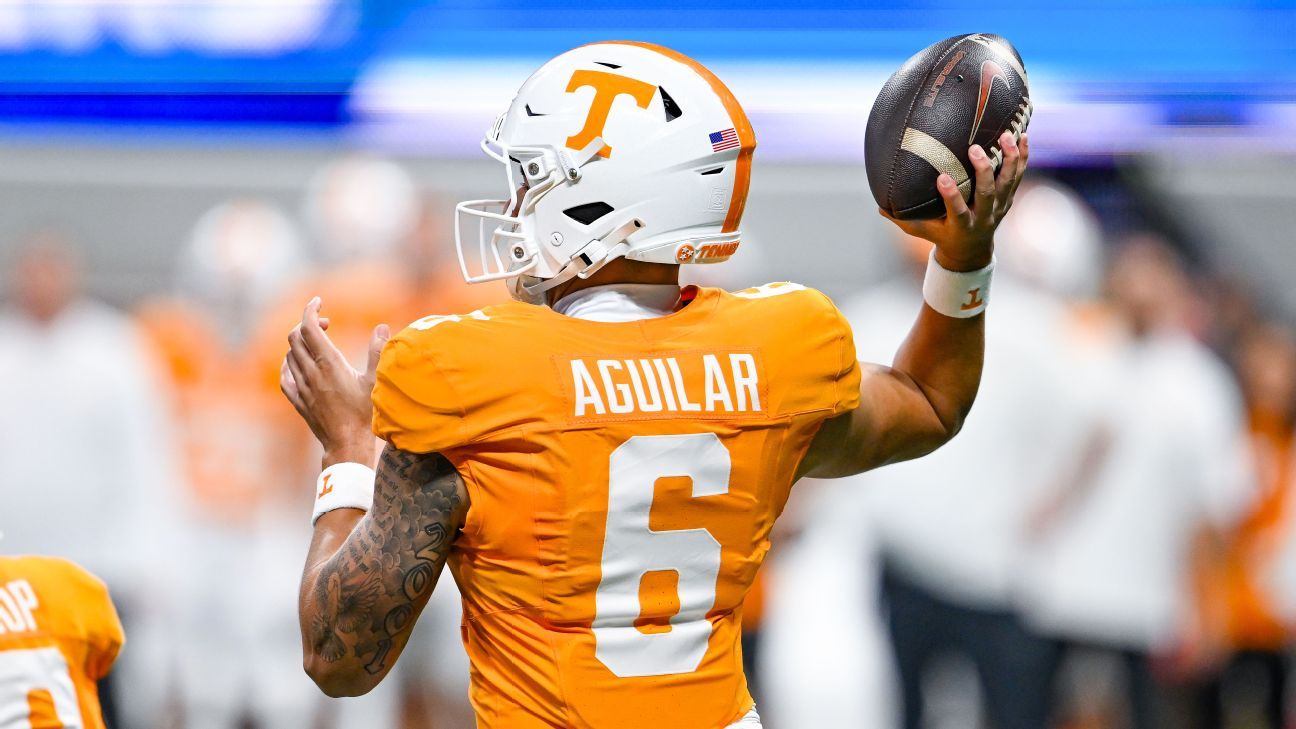
For a team to succeed in college athletics, you need a quality coach, top-of-the-line facilities and, at least these days, a new asset: a five-star local judge.
On Friday alone, judges will decide if Alabama basketball can continue playing a 7-footer who spent 2½ seasons, including games last month, in the G League and whether Tennessee football next season will have a 25-year-old quarterback who first enrolled in junior college back in 2019.
The rulings, from courthouses in Tuscaloosa and Knoxville, respectively, are likely to be a “yes,” in part because the NCAA has allowed plenty of inconsistencies in eligibility rulings that allowed precedents to be set.
As for judicial home cooking, that’s anyone’s guess — there’s no truth to rumors that one ruling will be stamped “Roll Tide,” or that the other court plays “Rocky Top” before closing arguments.
The issue for college athletics, as aggressive plaintiff lawyers and coaches desperate to keep up use local courts to blow through once agreed upon statutes, is that this tidal wave is just getting started.
And the NCAA seems to have no plan to stop it.
By not controlling who is or isn’t eligible to play, the NCAA is quickly losing the ability to function as an organizing athletic body. This is far more important than, say, NIL compensation, where well-meaning arguments on all sides exist. This is basic stuff.
You can’t play U8 soccer if you’re 10. You can’t be on a city team in the Little League World Series if your players hail from three states over. You can’t play high school sports if you already graduated. You can’t get drafted into the NFL until three years after high school.
This is no longer about establishing guardrails for college sports. It’s about having an actual road on which to establish the guardrails.
The trend is to get a local judge to offer an injunction that allows a player eligibility, even in violation of clear NCAA rules. The player then competes through the season before dropping the case before it’s even heard.
If that holds, then college football in August will be about grabbing any player with even the slightest argument for eligibility who just got cut from NFL training camps.
Come make seven figures in college ball rather than sit on a practice squad … where maxed-out pay for rookies is $235,000 a year. Come play for us until injuries force an NFL team to bring someone in.
A constantly revolving door between NCAA rosters and the pros, with college coaches mining the NFL waiver wire, sounds far-fetched. A guy playing G League ball one Saturday and SEC ball the next once sounded crazy, too, until Alabama’s Charles Bediako made it a reality last month.
Each new absurd eligibility ruling — junior college years don’t count, being drafted isn’t the same as being in the league, it’s just summer league — begets the next even more absurd ruling. Schools now look to exploit the rules they once wrote because if they don’t, the other guy will.
The NCAA spent decades and millions of dollars on a failed legal strategy to preserve “amateurism.” It was beaten in the Supreme Court, 9-zip.
The past half dozen or so years, it has spent millions more seeking a federal legislative solution. The NCAA hasn’t even gotten a bill to the floor for a vote.
And it won’t any time soon, either, at least not the broad reform it wants. Not only can few people agree on what is needed, their opinions keep changing. Even once hardcore advocate Dabo Swinney, the Clemson football coach, now wonders if the answer is granting athletes employee status and collectively bargaining with them.
Asking Washington to save college sports was always a long shot pursuit. Politicians are about politics, not problem-solving. Consider Texas Sen. Ted Cruz’s comment to ESPN’s Dan Murphy last week about employee status and possible union membership for athletes.
“From a political perspective, you have labor union bosses that would love to see every college athlete deemed an employee, made a member of a union and contributing union dues to elect Democrats,” Cruz said.
Cruz is saying the quiet part out loud, namely that Democrats might favor this solution so there are 100,000 new union members whose dues might eventually bolster their elections, which is also why Republicans might oppose it. The merits of the argument, one way or the other, are secondary.
Don’t blame Cruz. This is how a politician probably should think. But it doesn’t help college sports.
The NCAA needs a skinny bill that sets clear eligibility standards — five years starting after your high school graduation, voided if you declare yourself for the pros. No carve outs. No exemptions. No granting an extra year because of some heartrending story — illness or injury doesn’t get you more high school eligibility.
The NCAA needs to present that simple, common sense, bipartisan request to Congress that can’t get bogged down in politics. It should lean on the NFL, NBA and other pro leagues, which have considerable lobbying muscle, to get the bill passed.
The NFL, for example, doesn’t want to have its practice squad offers subject to counterbids from desperate college teams.
“There’s obviously a lot of change going on and a lot of disruption, and they do need to bring some clarity to that,” NFL commissioner Roger Goodell said this week. “If for some reason we could be helpful with the right people, we would obviously be willing to engage with anybody.
“But I think we try to stay in our lane unless we’re invited in to be part of the solution.”
NCAA president Charlie Baker should extend that invitation immediately.
There are other solutions, say, having the NCAA incorporate to limit legal jurisdictions, creating new rules with severe consequences for schools who play questionable eligibility cases and so on.
The skinny bill is perhaps the simplest way, though, to force a yes or no decision.
If not, these eligibility cases — and the value of those five-star judges — will only continue to grow in importance.
NEWYou can now listen to Fox News articles!
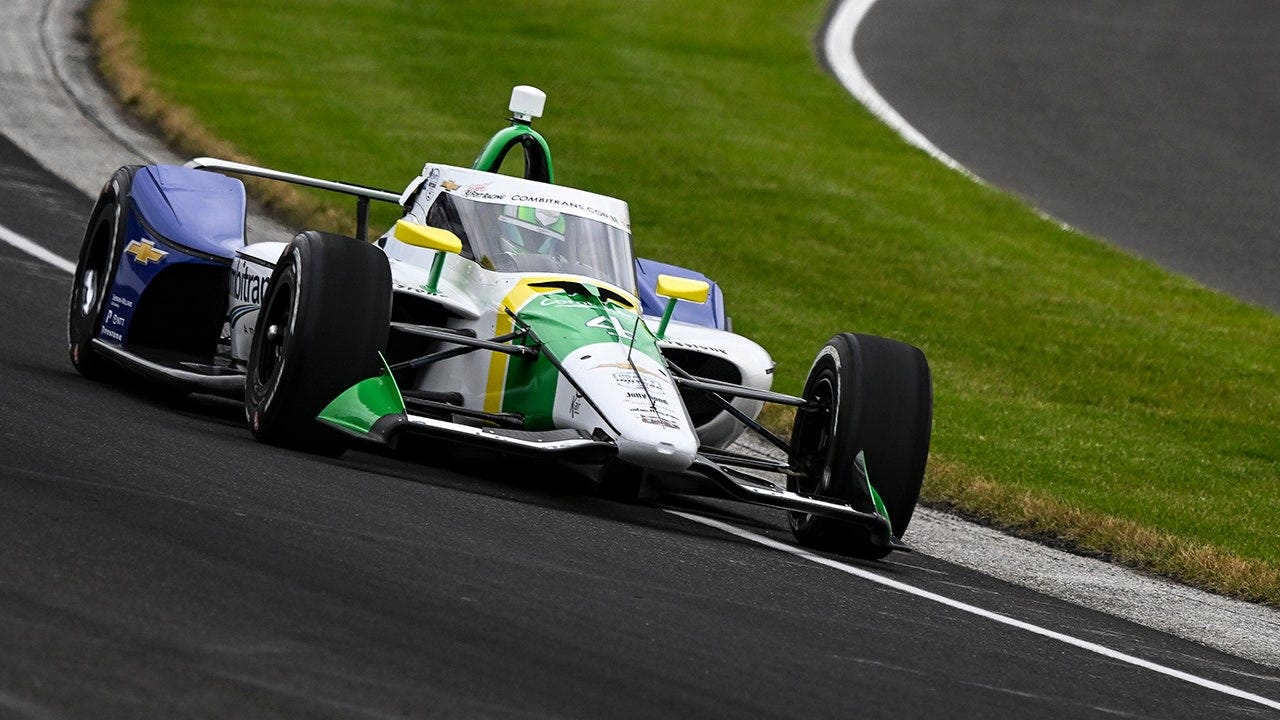
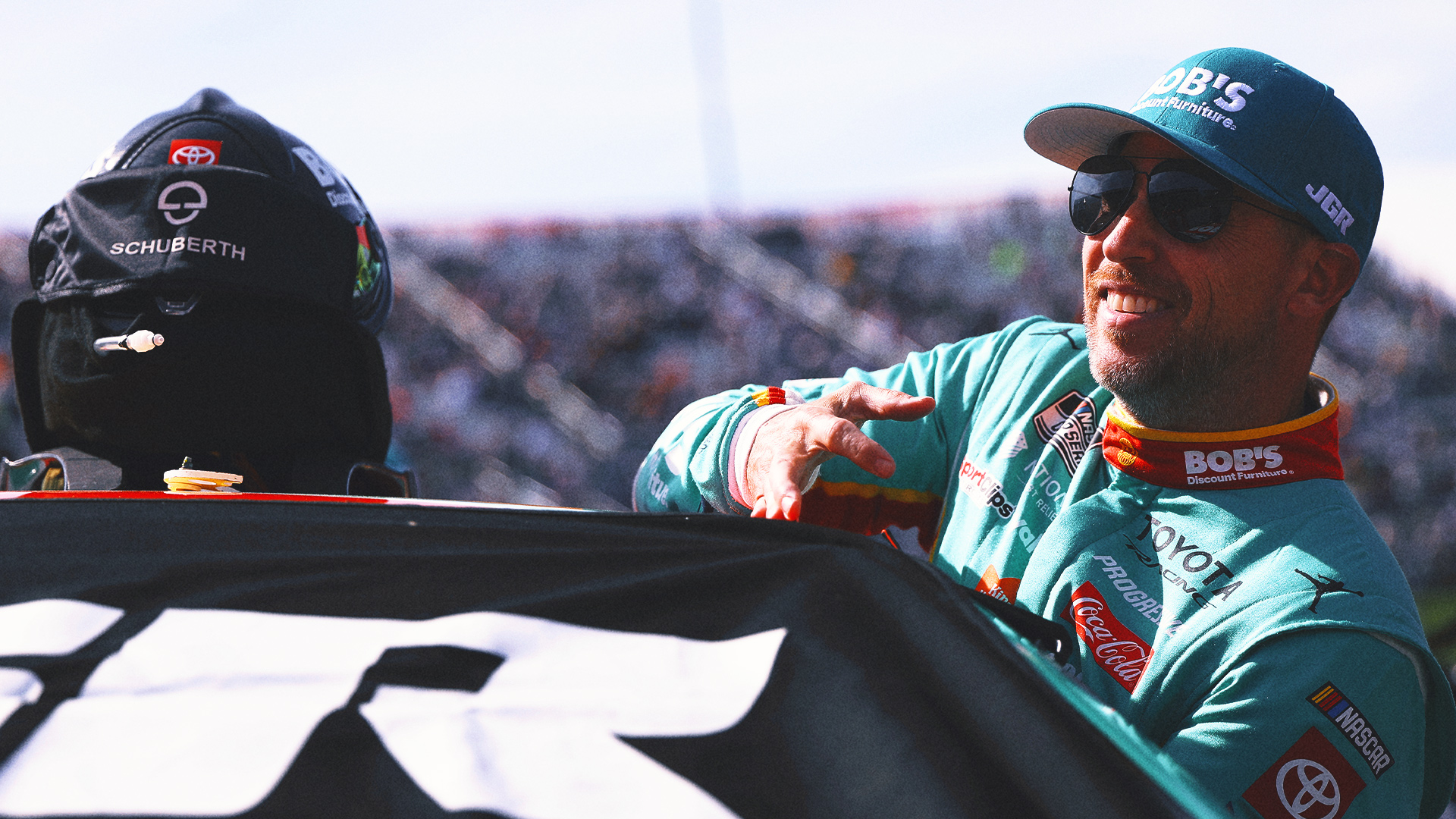
IndyCar rookie Caio Collet was involved in a terrifying crash toward the end of the Indianapolis 500 on Sunday afternoon with Felix Rosenqvist and Pato O’Ward fighting for first place.
Collet got loose in Turn 2 at Indianapolis Motor Speedway and overcorrected just enough to send his vehicle into the wall. His right rear caught fire as he skidded down the track and onto the grass.
ZERO BS. JUST DAKICH. TAKE THE DON’T @ ME PODCAST ON THE ROAD. DOWNLOAD NOW!
Caio Collet drives a Combitrans AJ Foyt Enterprises Chevrolet through turn three during practice on Miller Lite Carb Day at Indianapolis Motor Speedway in Indianapolis, Ind., on May 22, 2026. (Michael Allio/Icon Sportswire)
Emergency personnel came over to put the fire out and help Collet out of his car.
He was able to walk away from the scary wreck, but track officials called for a red flag. The red flag stopped the race and gave drivers a breather for what would be a total shootout for the final few laps.
CLICK HERE FOR MORE SPORTS COVERAGE ON FOXNEWS.COM
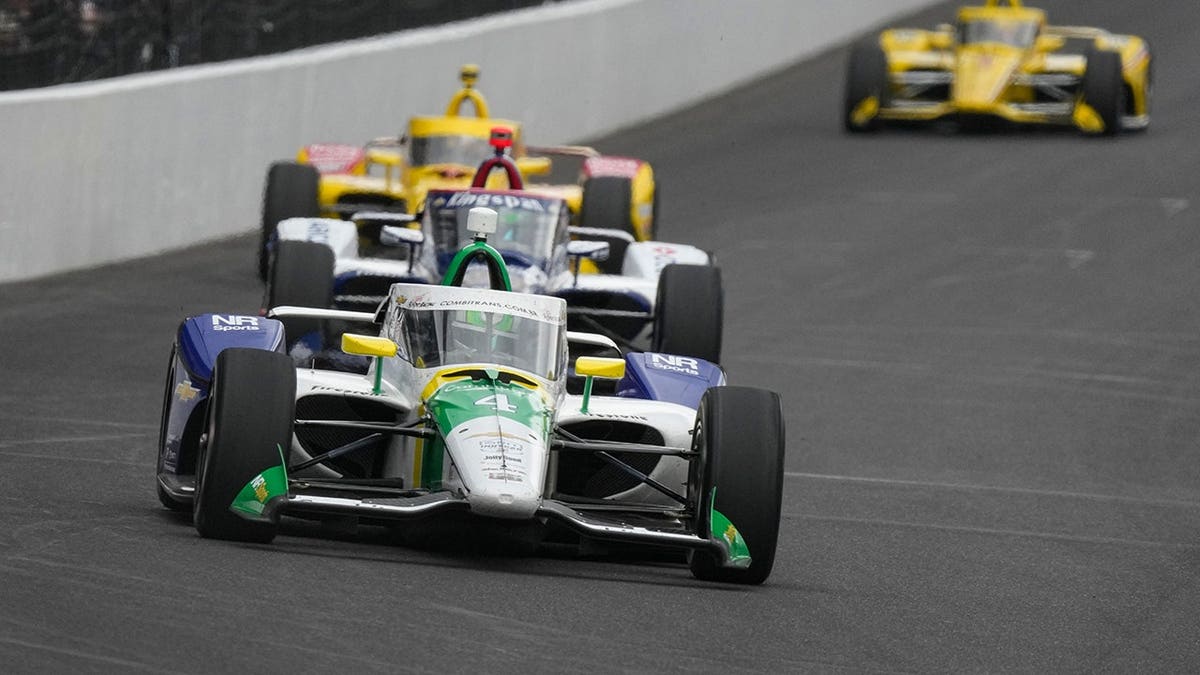
Caio Collet leads the field during the Indianapolis 500 auto race at Indianapolis Motor Speedway in Indianapolis on May 24, 2026. (Michael Conroy/AP)
Collet will fall down the leaderboard as he didn’t finish the race.
The A.J. Foyt Racing driver was making his first appearance in the Indy 500. He graduated into the NTT IndyCar Series after finishing second in the Indy NXT Series last year. He won three races on the Indy NXT Series in 2025.
The Brazilian came into the race in 21st place in the IndyCar standings with 70 points through six starts. He has yet to finish in the top 10 in his first season.
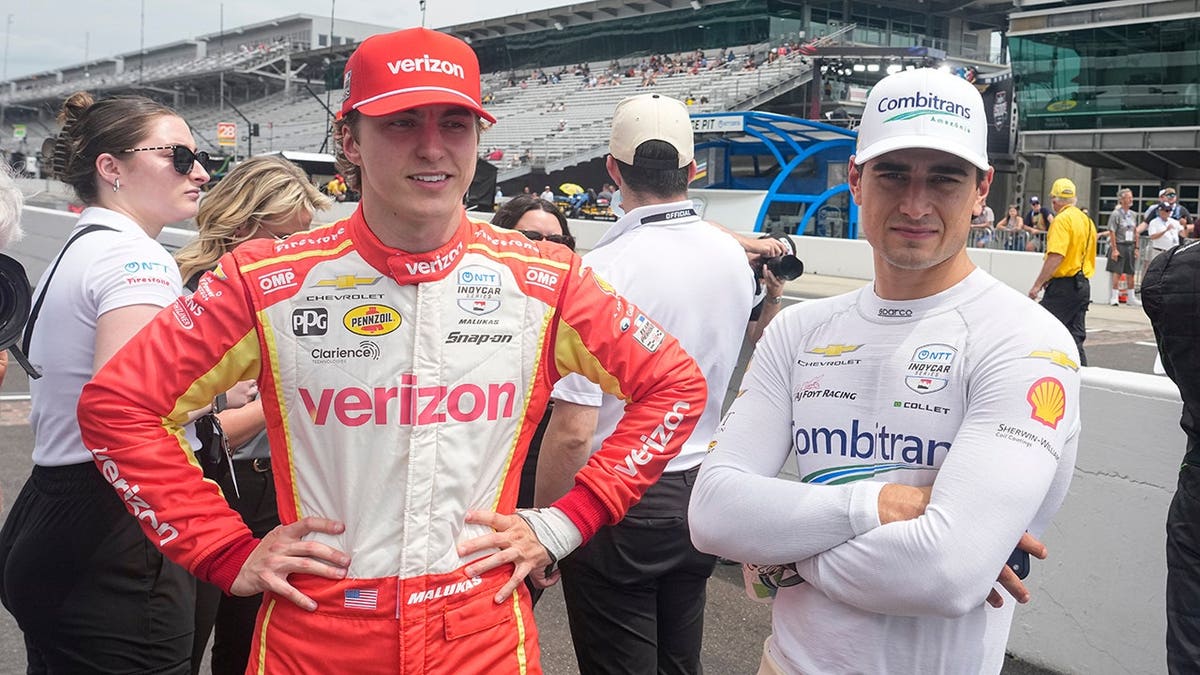
David Maluka talks with Caio Collet before practice for the Indianapolis 500 at Indianapolis Motor Speedway in Indianapolis on May 18, 2026. (Michael Conroy/AP)
CLICK HERE TO DOWNLOAD THE FOX NEWS APP
The 2026 Indy 500 already featured more than 50 lead changes and was one of the more competitive events in recent memory.
Felix Rosenqvist won the race on the final lap.
NEWYou can now listen to Fox News articles!
When the NASCAR Cup Series went to Charlotte for the Coca-Cola 600 in 2025, Ross Chastain got into Victory Lane after closing at +1800 to be the outright winner.
Chastain’s impressive win came after leading only eight laps on the day.
Which driver will take the checkered flag when the series goes back to Charlotte Motor Speedway on Memorial Day Weekend for one of NASCAR’s Crown Jewels?
Here are the odds at DraftKings Sportsbook as of May 24.
This page may contain affiliate links to legal sports betting partners. If you sign up or place a wager, FOX Sports may be compensated. Read more about Sports Betting on FOX Sports.
NASCAR Cup Series Coca-Cola 600
Denny Hamlin: +380 (bet $10 to win $48 total)
Tyler Reddick: +500 (bet $10 to win $60 total)
Kyle Larson: +800 (bet $10 to win $90 total)
Christopher Bell: +800 (bet $10 to win $90 total)
Chase Briscoe: +1000 (bet $10 to win $110 total)
William Byron: +1100 (bet $10 to win $120 total)
Carson Hocevar: +1100 (bet $10 to win $120 total)
Ryan Blaney: +1400 (bet $10 to win $150 total)
Chase Elliott: +1400 (bet $10 to win $150 total)
Brad Keselowski: +1800 (bet $10 to win $190 total)
Ty Gibbs: +2000 (bet $10 to win $210 total)
Ross Chastain: +2200 (bet $10 to win $230 total)
Chris Buescher: +2500 (bet $10 to win $260 total)
Bubba Wallace: +2800 (bet $10 to win $290 total)
Alex Bowman: +2800 (bet $10 to win $290 total)
Austin Dillon: +4000 (bet $10 to win $410 total)
Joey Logano: +4500 (bet $10 to win $460 total)
Connor Zilisch: +4500 (bet $10 to win $460 total)
Austin Hill: +4500 (bet $10 to win $460 total)
Austin Cindric: +5500 (bet $10 to win $560 total)
Ryan Preece: +9000 (bet $10 to win $910 total)
Ricky Stenhouse Jr.: +9000 (bet $10 to win $910 total)
Michael McDowell: +9000 (bet $10 to win $910 total)
Corey Heim: +9000 (bet $10 to win $910 total)
Erik Jones: +10000 (bet $10 to win $1,010 total)
Shane van Gisbergen: +13000 (bet $10 to win $1,310 total)
AJ Allmendinger: +15000 (bet $10 to win $1,510 total)
Daniel Suarez: +17000 (bet $10 to win $1,710 total)
Josh Berry: +18000 (bet $10 to win $1,810 total)
John Hunter Nemechek: +25000 (bet $10 to win $2,510 total)
Zane Smith: +35000 (bet $10 to win $3,510 total)
Ty Dillon: +50000 (bet $10 to win $5,010 total)
Noah Gragson: +50000 (bet $10 to win $5,010 total)
Todd Gilliland: +60000 (bet $10 to win $6,010 total)
Riley Herbst: +60000 (bet $10 to win $6,010 total)
Cole Custer: +80000 (bet $10 to win $8,010 total)
Katherine Legge: +90000 (bet $10 to win $9,010 total)
Timmy Hill: +100000 (bet $10 to win $10,010 total)
Cody Ware: +100000 (bet $10 to win $10,010 total)
Here’s what to know about the oddsboard:
The Favorite
Denny Hamlin is coming in hot off an All-Star Race win at Dover. And while it wasn’t a points race, coming into Charlotte after starting from the pole and leading 103 laps in last week’s exhibition could give him the momentum he needs to grab the checkered flag at the Coke 600. His first and only win at this race came in 2022. In 2025, he started 20th but finished 16th after posting the best lap of the day at 29.37 and leading 53 laps.
One to Watch
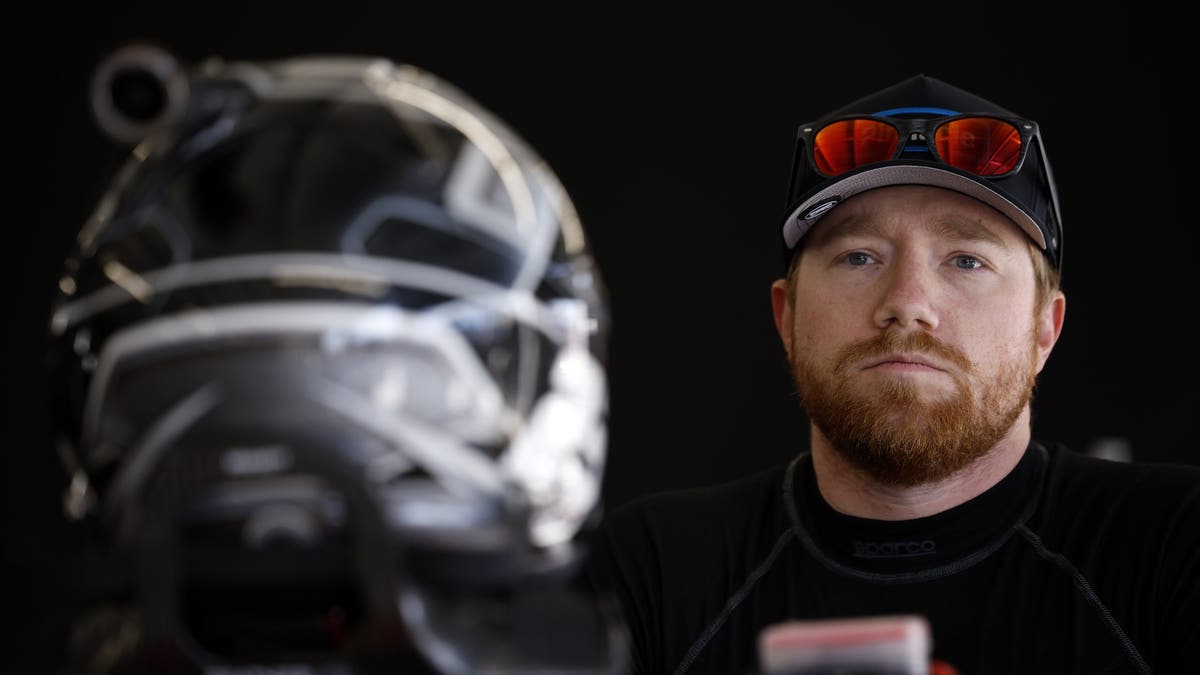
Tyler Reddick is having an incredible season. He’s gotten into Victory Lane five times, including the first three races of the year. Cup qualifying got rained out, so Reddick will start from the pole today at Charlotte in accordance with league rules. On the season, Reddick has led 201 laps and has eight finishes in the top five. In 2025, he finished the Coca-Cola 600 26th after leading only one lap.
Sports
WWE Hall of Famer Nikki Bella opens up about what she wants fans to remember her for when she retires
NEWYou can now listen to Fox News articles!
One of the best things to debate amongst friends is where professional athletes of a particular sport rank all time. Some make top 10 lists, others go by the Mount Rushmore rule.
Pro wrestling fans are no different. Championships, legacy and impact on the sport matter to those who take the time to watch wrestling 3-6 times per week for decades. How pro wrestlers are remembered by their fans is important to them.
ZERO BS. JUST DAKICH. TAKE THE DON’T @ ME PODCAST ON THE ROAD. DOWNLOAD NOW!
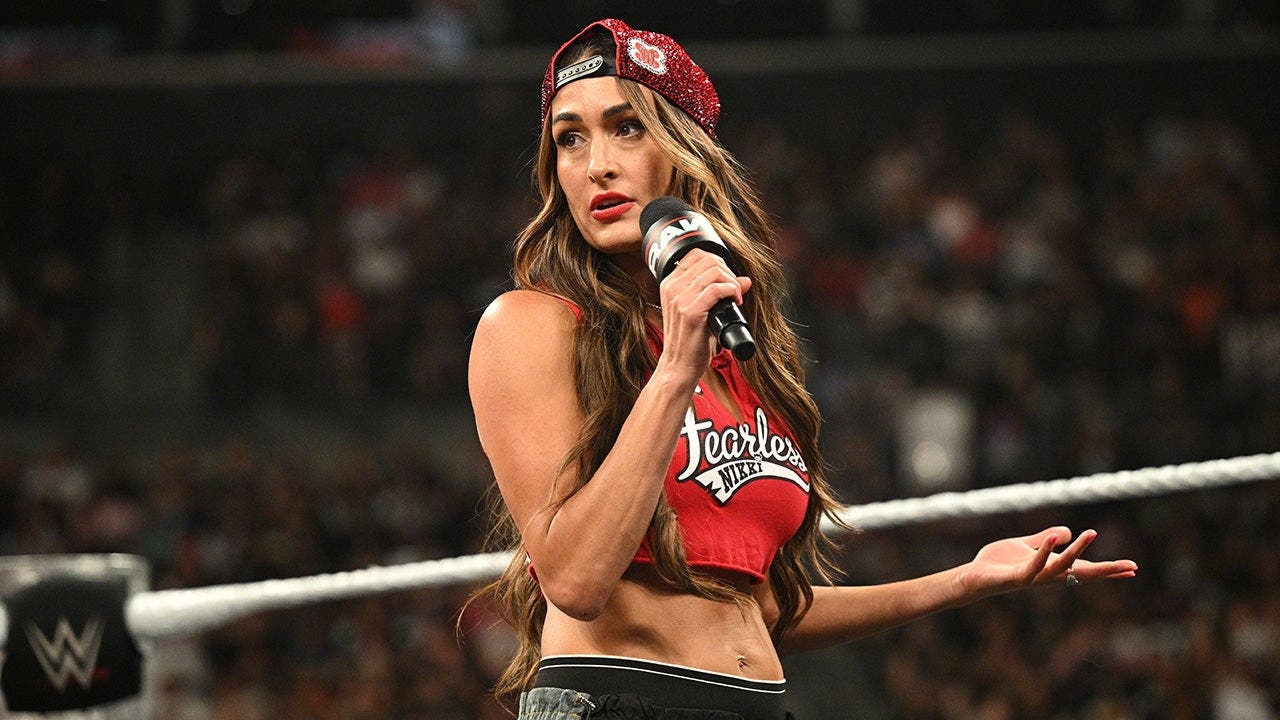
Nikki Bella confronts Becky Lynch during Monday Night RAW at Barclays Center in Brooklyn on Aug. 4, 2025. (Michael Marques/WWE)
For WWE Hall of Famer Nikki Bella, she suggested in an interview with Fox News Digital that her championship accolades should be put aside. Using her voice to have an effect on someone watching her in an arena or at home is more important.
“I would love definitely to be remembered as fearless, as someone who wasn’t scared to use her voice, someone who wasn’t scared to pave the ways, someone who wasn’t scared to stand up to all the hate, who can still be her even when people try to tear you down,” Bella said, who became the Chief Margarita Officer for Madam Paleta Tequila earlier in the week. “What I’ve realized, and this is in any industry and this is throughout time, it’s never easy to be first or be the loudest about something. And there’s so many people who helped pave the way before us but when you’re at the forefront or when you’re at the face of that, you take on everything that comes with it – hate, love, support, everything.
WWE STAR LIV MORGAN OPENS UP ABOUT HER LEGACY, WHAT SHE WANTS TO BE REMEMBERED FOR
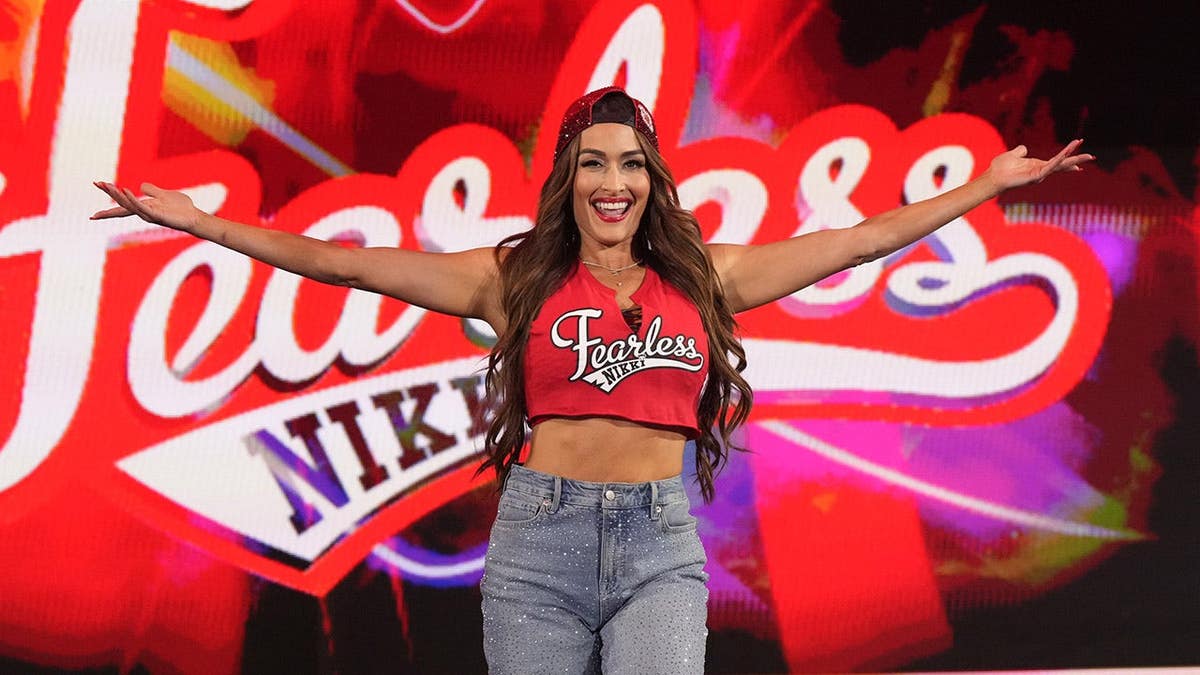
Nikki Bella returns to Monday Night RAW at PHX Arena in Phoenix, Ariz., on June 9, 2025. (Craig Ambrosio/WWE)
“I think that’s where I truly live up to being ‘Fearless’ Nikki, I just don’t stop. Even when I’m not at my best or when I’m at my greatest. I hope at the end of the day, people can look back and respect that too – even the ones who can be so disrespectful. They see things in such a different way and they really just don’t know. I hope to be remembered as that over anything.”
Bella said she understood that fans will look at her titles and accolades overall when she eventually decides to step away from action for good.
CLICK HERE FOR MORE SPORTS COVERAGE ON FOXNEWS.COM
She was a two-time Divas champion, including holding the championship for a record 300 days, and was inducted into the WWE Hall of Fame with her sister, Brie Bella, in 2020.
She stressed, however, that the impact she made was held in high regard above everything else.
“I get some people get hooked on champion numbers, like 13 time, 10 time, five time, you know, for me, it’s always been about impact,” she told Fox News Digital. “And if the people tuning in, I was able to change some people’s lives. Maybe they were being raised in a not great home and I gave them the ability to be fearless and to use their voice to know they could be someone great one day, to me, that’s being a champion and that’s what I’d love to be more than anything. I look at my Bella Army and they are my true accomplishment.
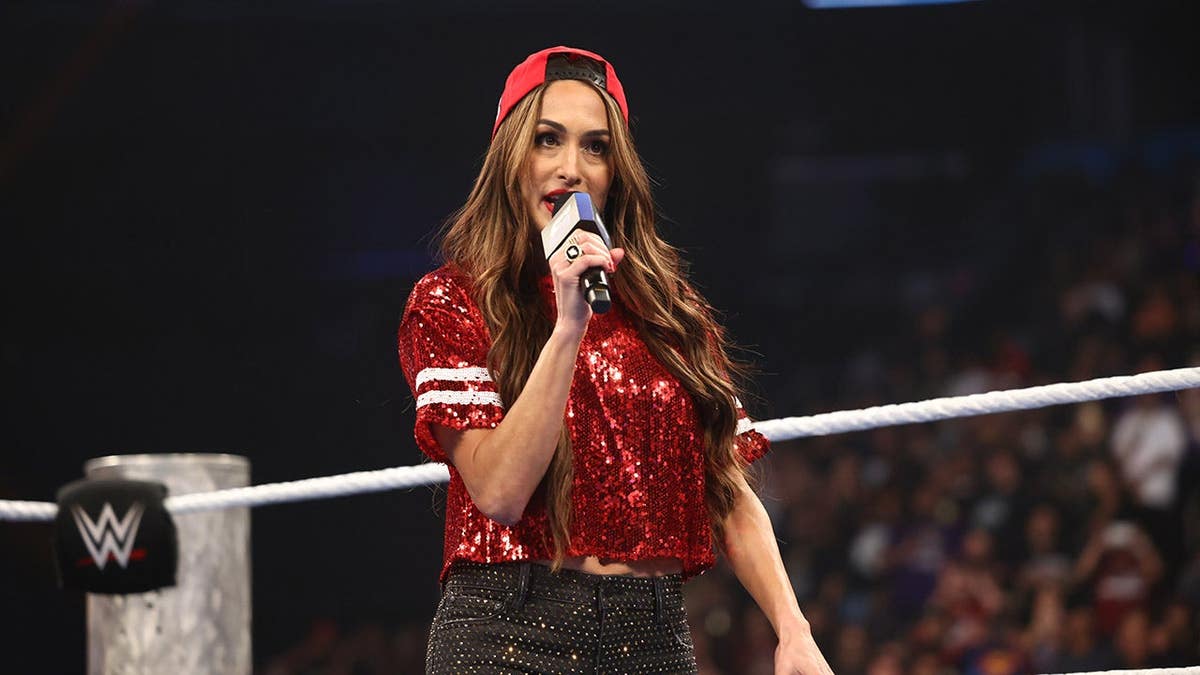
Nikki Bella addresses the crowd during SmackDown at Mortgage Matchup Center in Phoenix, Ariz., on March 13, 2026. (Bradlee Rutledge/WWE)
CLICK HERE TO DOWNLOAD THE FOX NEWS APP
“That is better than any championship I could ever win, ever.”


Patti LaBelle on being called a legend: “I have earned it”

IndyCar driver Caio Collet’s vehicle catches fire in terrifying Indy 500 wreck

Christopher Nolan’s ‘The Odyssey’ trailer sparks major backlash online

-

 Entertainment1 week ago
Where Pete Davidson, Elsie Hewitt stand after breakup: Details revealed
-

 Politics1 week ago
Rising diesel costs from Iran war strain US school budgets
-

 Tech1 week ago
Why Is Your Grill So Dumb? The Best Grills Set Temp Like an Oven
-

 Tech1 week ago
This Solar-Powered Smart Sprinkler Keeps My Lawn Watered Without Any Power Cables
-

 Fashion1 week ago
RMG trade bodies seek policy support from Bangladesh PM
-

 Fashion6 days ago
Nigeria Kwara Garment Factory, KWS Garment Production Village ink pact
-
 Fashion1 week ago
India calls for aligning standards, customs procedures with Africa
-
 Sports1 week ago
Pakistan steady after Das ton | The Express Tribune