

Sports
Which of these 8 midfield targets would fit best at Man United?

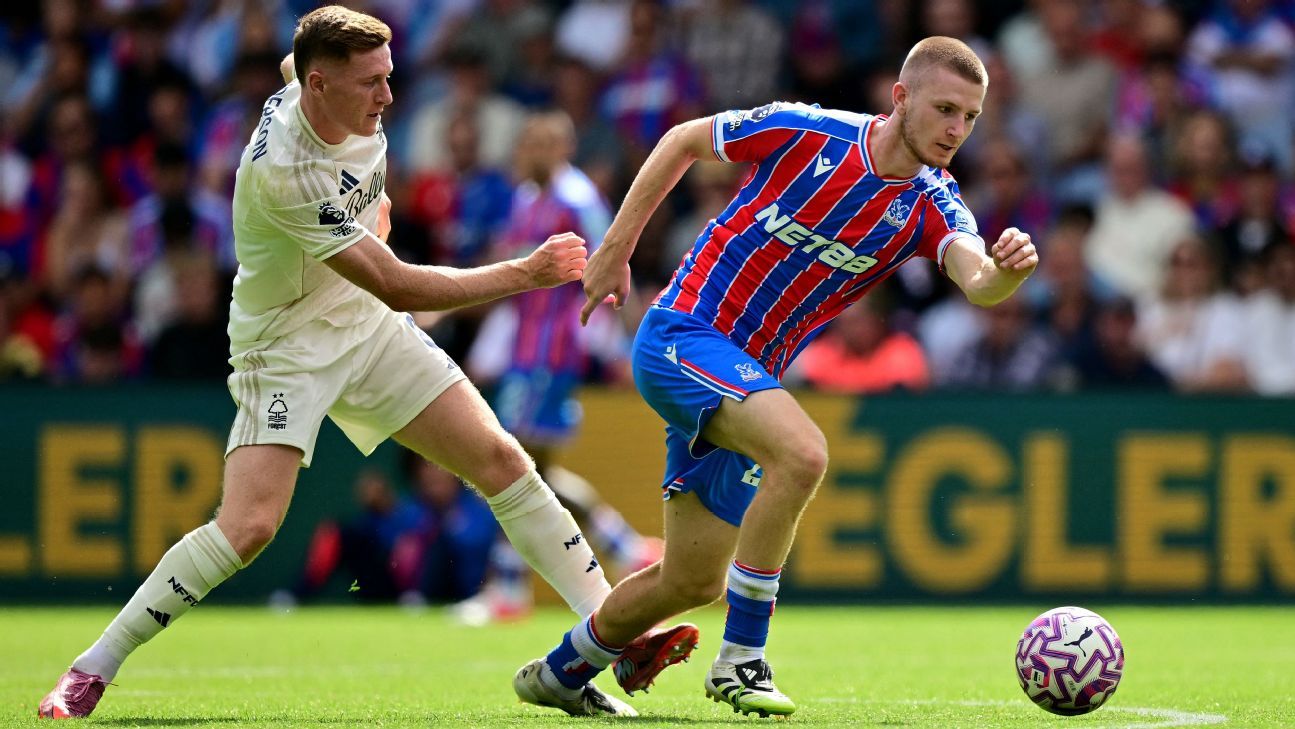
Manchester United‘s search for the ideal midfield partner to play alongside Bruno Fernandes is a long-standing issue yet to be properly addressed. With Manuel Ugarte struggling to secure a foothold in the team, Kobbie Mainoo out of favor and the injury-prone Casemiro now 33 years old, the need for another option in the center of Ruben Amorim’s midfield is more pressing than ever.
Fernandes’ recent comments about a future transfer suggest that United may even have two midfield roles to fill soon. As such, they have been linked with a huge number of players in recent months, with sources telling ESPN’s Rob Dawson in November that at least seven midfielders were under consideration. The various profiles of these options vary between pure distributors, connective passers, ball-winners, box-to-box No. 8s, and attack-minded creators.
Here, we assess how each may fit into arguably the most demanding role in United’s 3-4-2-1 setup.
*Market value taken from Transfermarkt.
Adam Wharton
Age: 21
Team: Crystal Palace
Market value: £55 million
Just 18 months from making his debut, Wharton is now undoubtedly one of the Premier League’s most accomplished distributors of the ball. He constantly asks to receive it and is trusted not to lose possession under pressure. Then, once in control, his pass selection is outstanding: he can hit 35-yard switches with precision, incisive line-breaks through pressure, or well-weighted deliveries played into a teammate’s stride.
The quality of Wharton’s left foot is one standout feature, though it’s also his vision and ability to “map” the play around him that is key, as they allow him to move the ball at tempo with ease and fluidity.
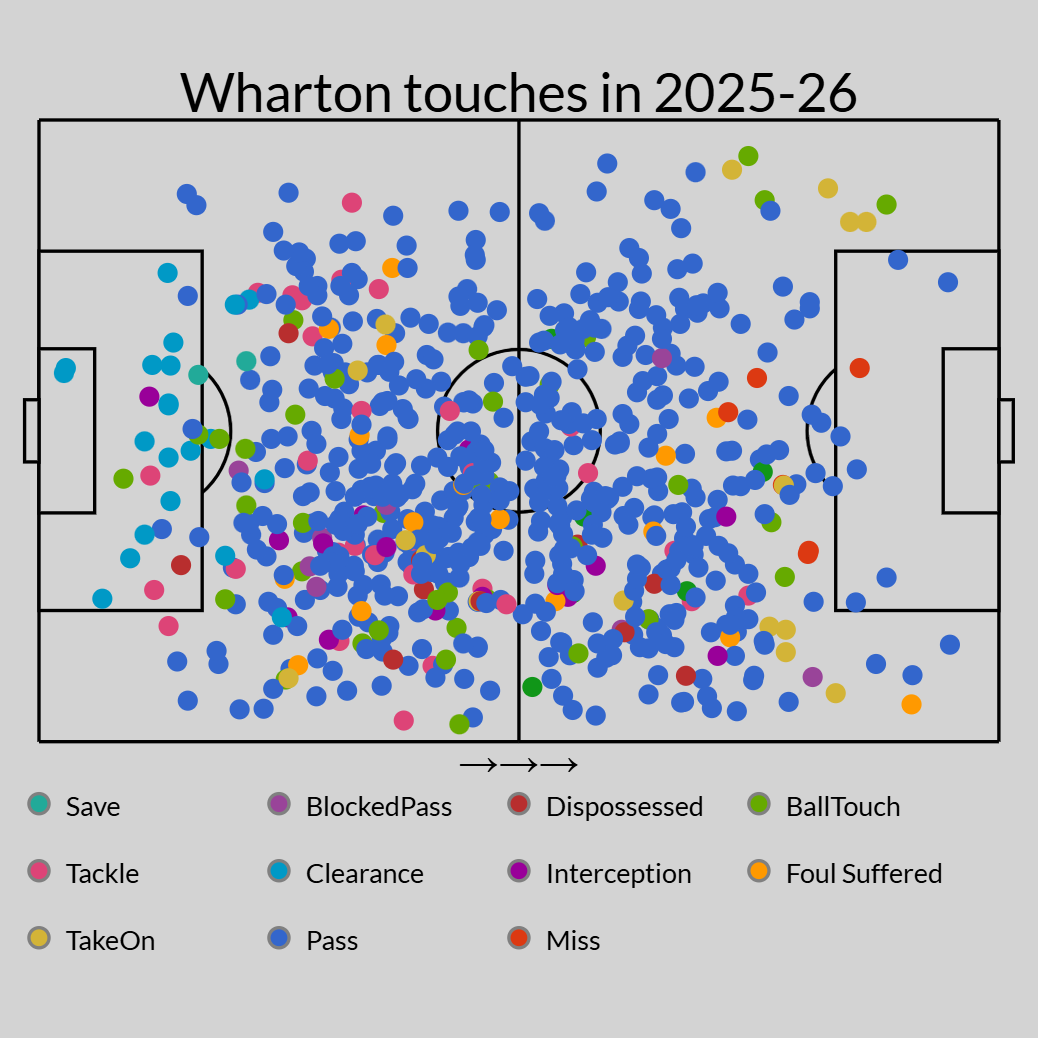
Wharton has also shown he is comfortable in a high-intensity style of football. Under Oliver Glasner at Palace, the England midfielder has performed in an energetic, vertical scheme, where demands on speed of thought and defensive reactions are higher. Though he was impressive last season, he has lifted his key-pass output by roughly 10% this year, while still maintaining accuracy and pass variation. Crucially, the distribution isn’t location-specific either and he is as reliable starting attacks from deep as he is contributing in the final third.
While Wharton is more of a strategic and creative force than the all-purpose presence that would be a natural complement to Fernandes, his passing and creative qualities are of such a high standard that he should be one of United’s top options. Conceptually he might be the exact fit for Amorim’s system, his composure and decision-making are of the type that big clubs often build around. Though his contract only expires in 2029, which means a hefty fee of around £100 million may be required.
Elliot Anderson
Age: 23
Team: Nottingham Forest
Market value: £55 million
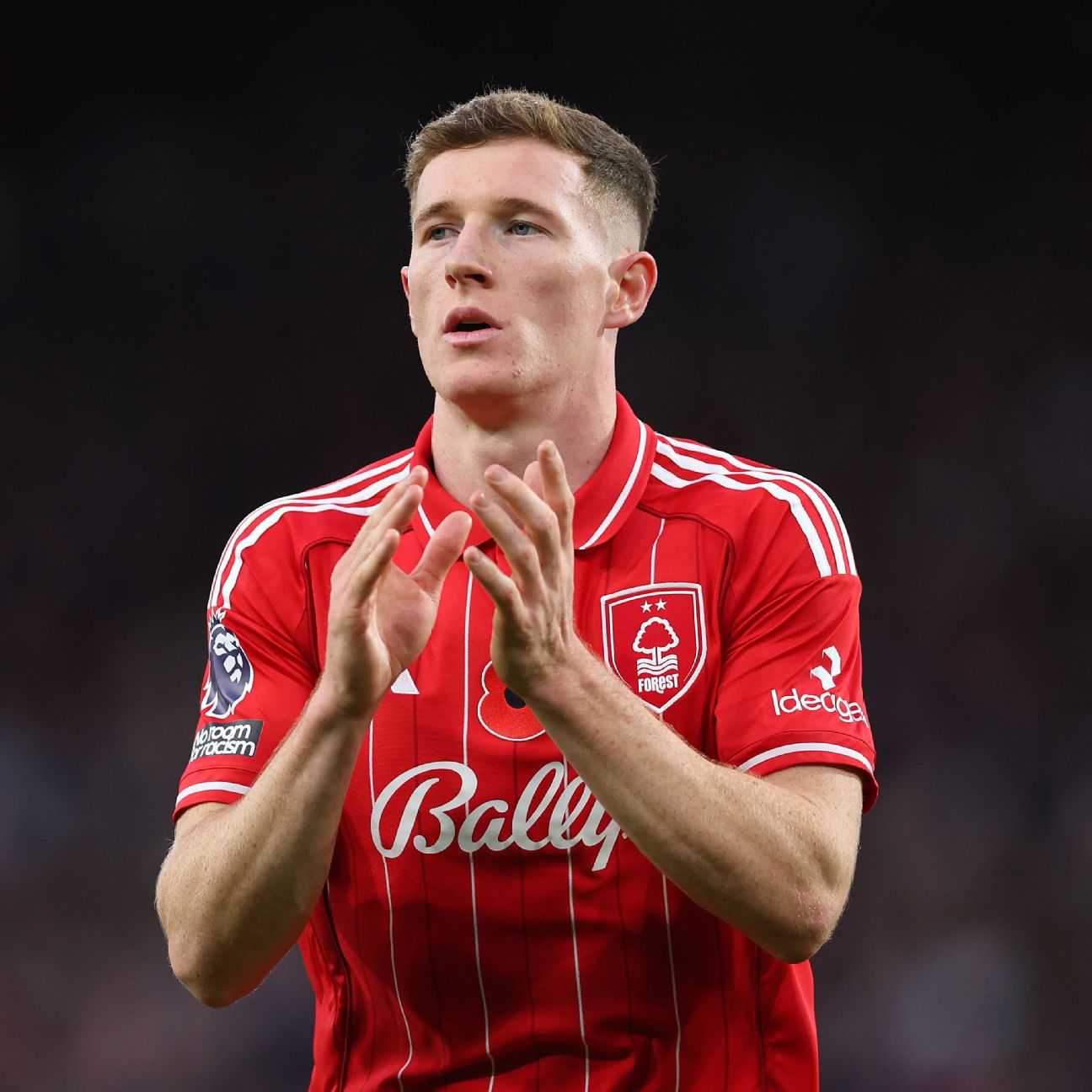
Since moving from Newcastle United to Nottingham Forest for around £35 million in July 2024, Anderson has been used to great effect as a box-to-box No. 8 or a deeper midfielder in a double pivot. Regardless of the tactical nuances, Andersson can knit play together, dictate the tempo, defend, close down opponents, and construct moves with quality and precision in the final third without slowing down momentum.
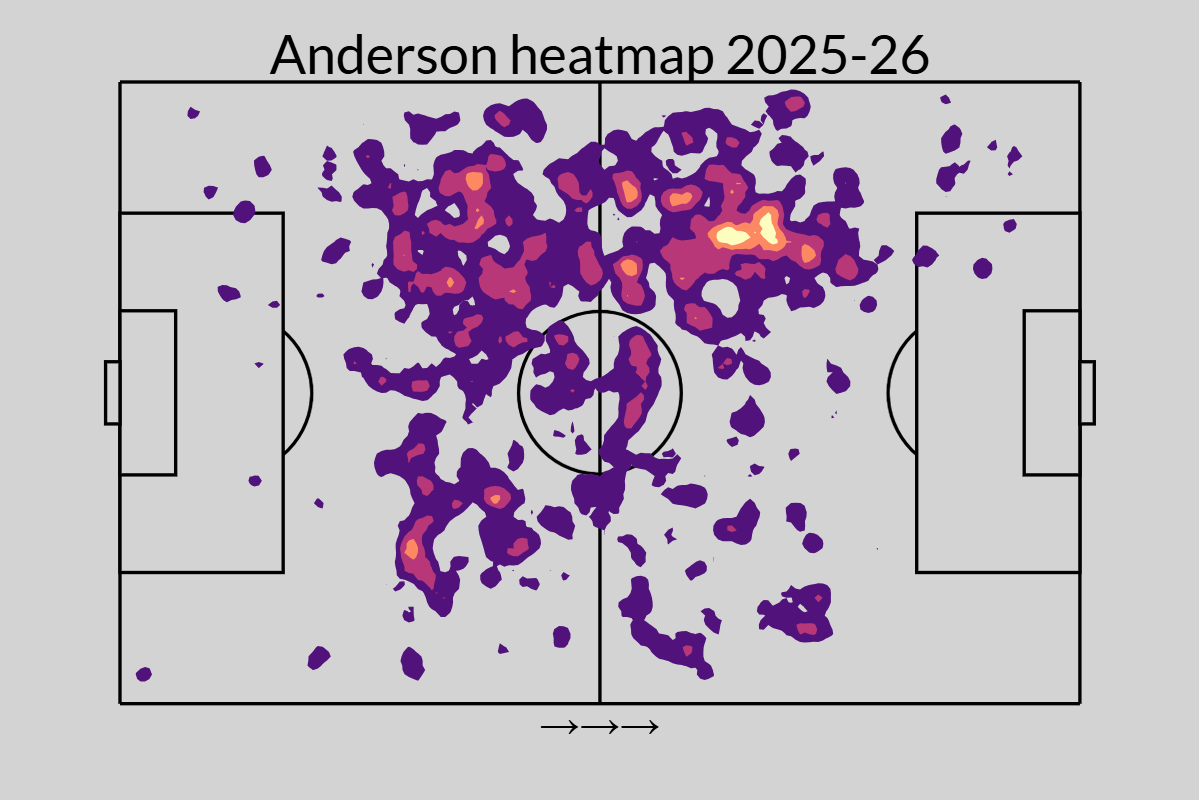
He has enough craft to link play and create in the opposing half, while also maintaining enough legs to cover and defend in a frantic game. In possession, he will often take charge of the ball, shift away from pressure and carry it forward — as shown by his 8+ progressive passes per 90 minutes, which come at a respectable 75% completion rate — but he still puts in the effort to regain it when lost (eight defensive duels per 90, four+ interceptions.)
In Amorim’s midfield two, Anderson could press, cover ground and still play the connective pass that links the buildup to the attacking line, all without unbalancing the structure. So, in that regard, he is arguably the best single option for United if the remit is a complete skillset.
Carlos Baleba
Age: 21
Team: Brighton & Hove Albion
Market value: £55 million
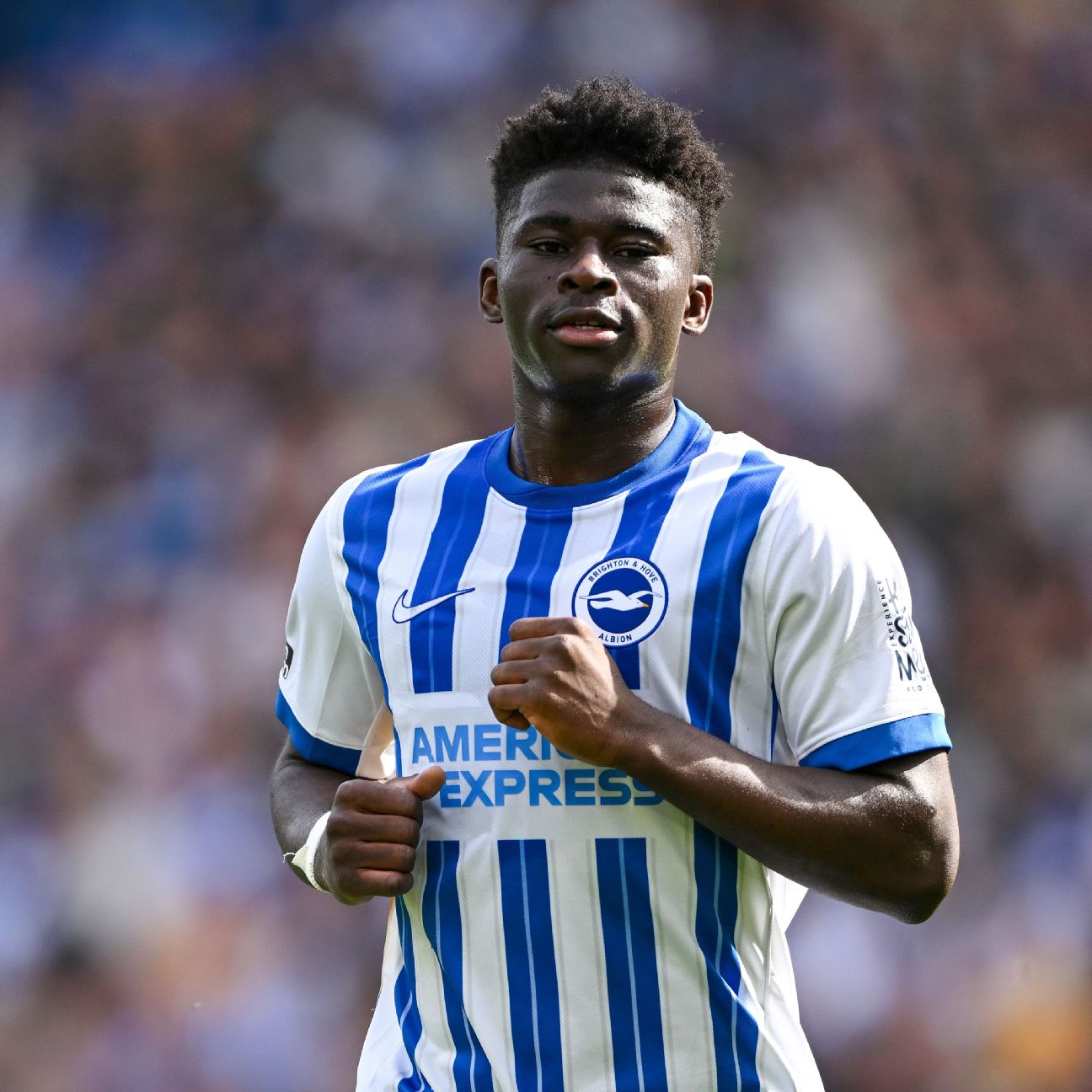
A proven Premier League performer, Baleba’s projected ceiling is clearly baked into Brighton’s desire to bring in a fee upward of £100 million for him. Fundamentally a defensive midfielder, the Cameroon international bases his game on excellent tactical awareness rather than pure disruption. He reads developing situations early, screens intelligently, tracks runners diligently, and plugs midfield gaps without losing discipline in his positional play.
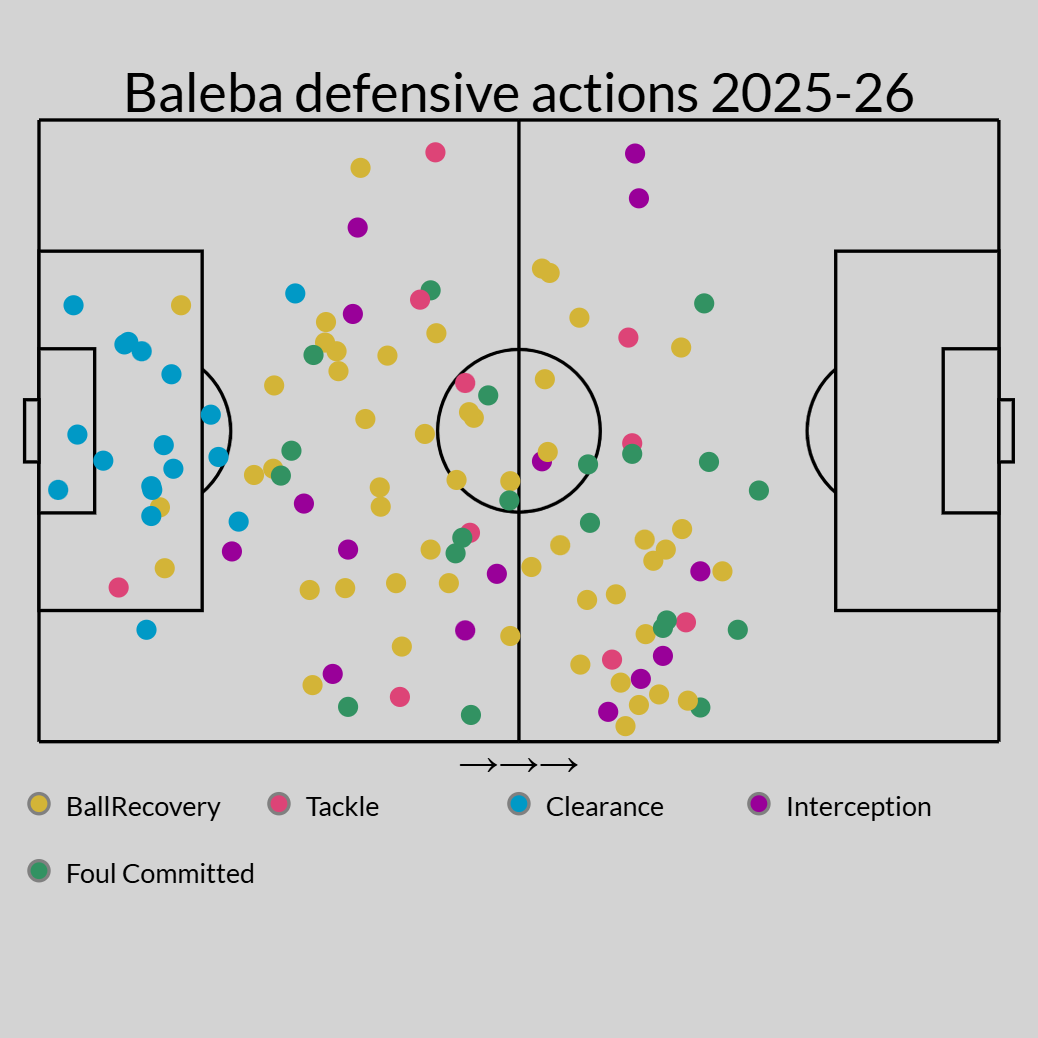
Baleba largely profiles as a like-for-like replacement for Casemiro, albeit without the Brazilian’s instinct for late runs onto the attacking box and mid-distance goal threat. On the ball, there is still room for improvement and his average of 35 passes per 90 minutes is modest — but not outrageously low for a ball-winning midfielder — and supports the view that he prioritizes safety over progression and sophisticated construction. That said, his defensive output has sharpened further this season, climbing to close to eight defensive duels per 90, a 15% increase from last season.
One slightly underappreciated aspect of Baleba’s game is his aerial efficiency. Despite measuring just 5-foot-10, he wins 58% of his aerial duels, which suggests he executes them with excellent timing, balance and anticipation. If United’s plan is to sign a stabilizing midfielder with high reach to slot in alongside a more creative partner, Baleba is a valid candidate.
Angelo Stiller
Age: 24
Team: VfB Stuttgart
Market value: £40 million
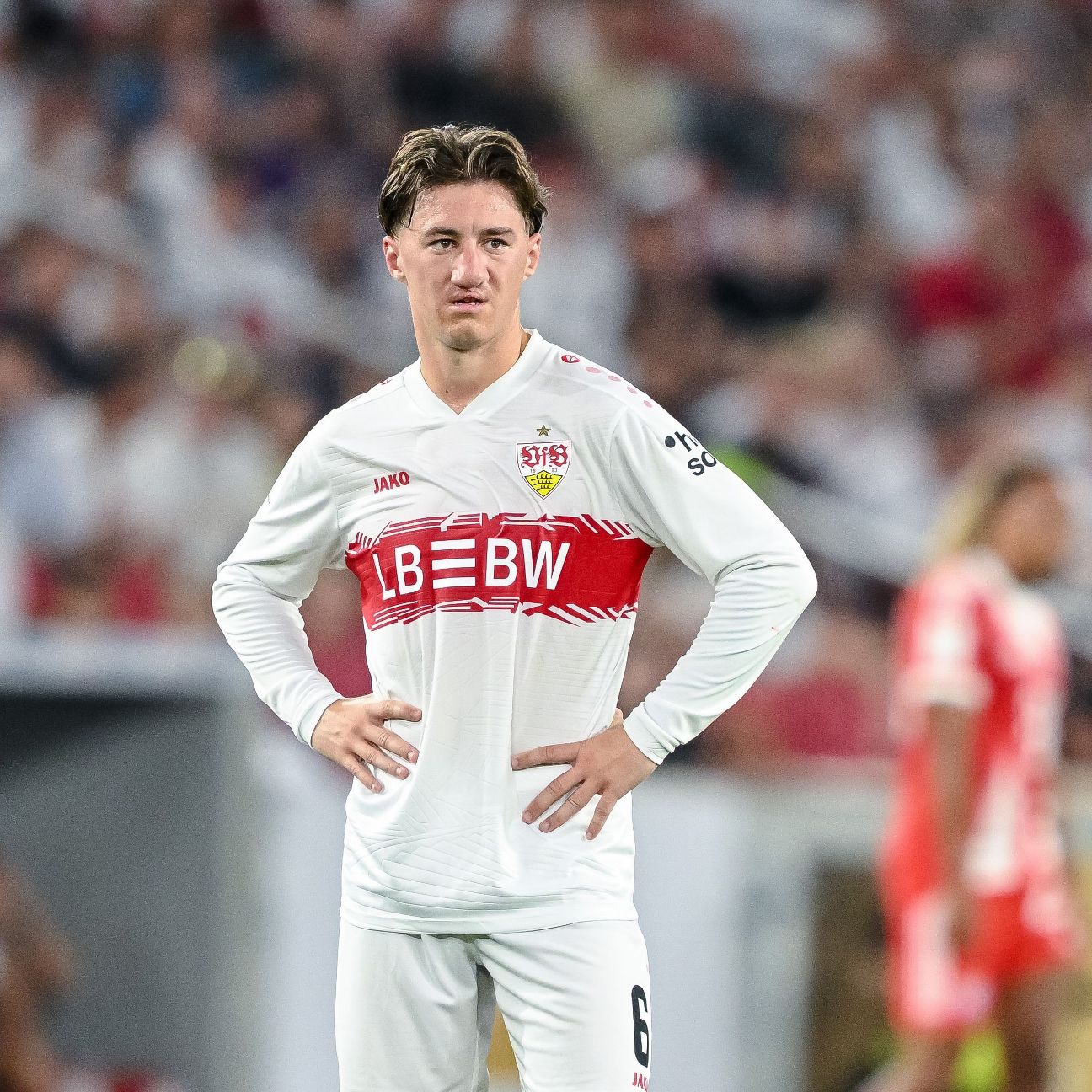
The left-footed Germany international is one of the German Bundesliga‘s most clear-cut deep-lying playmakers. Stiller sees a lot of the ball — averaging around 67 passes per 90 minutes — though it’s the intent and distribution quality rather than the volume that stands out. He consistently hits an impressive 10-11 progressive passes per 90, at roughly 80% accuracy, setting Stuttgart’s rhythm with measured circulation and well-timed line-breaking passes. He reads pressure early, positions himself extremely well and often performs the release pass when the first phase gets clogged.
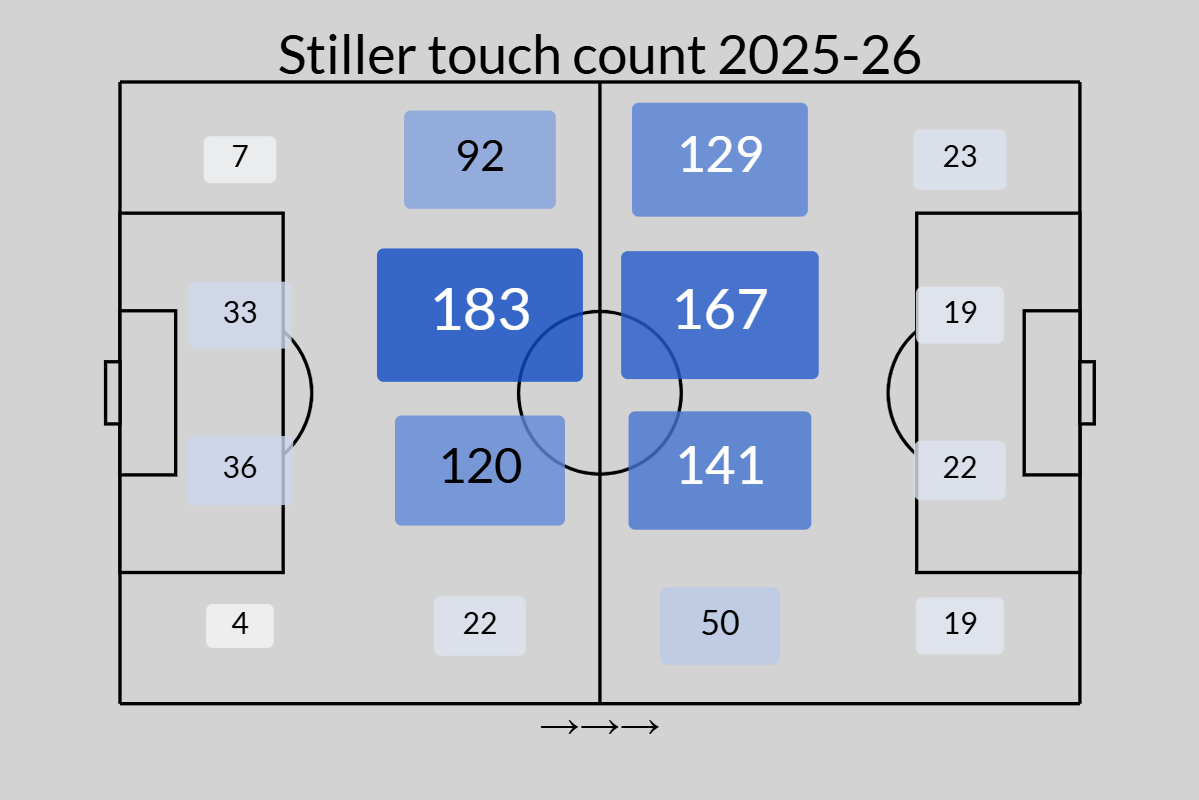
However, his passing output does need some context: Stiller thrives alongside a dynamic, ball-winner who sweeps up and allows him to focus on playmaking. While United would gain controlled ball-progression, playmaking and balance with Stiller as a left-sided pivot, there might be issues around his mobility.
He engages in relatively few duels for a deep midfielder (3.8 per 90), suggesting that he does need a robust, all-action partner — which some might say is also missing at Man United — alongside him to handle the more defensive side of things.

Conor Gallagher
Age: 25
Team: Atlético Madrid
Market value: £30 million
If there is only to be one midfield addition, Gallagher feels more “nice to have” than “must-have” for United. Sure, the former Chelsea player brings good experience for a 25-year-old — plus brilliant attacking quality and versatility — but he doesn’t strictly answer Amorim’s immediate needs.
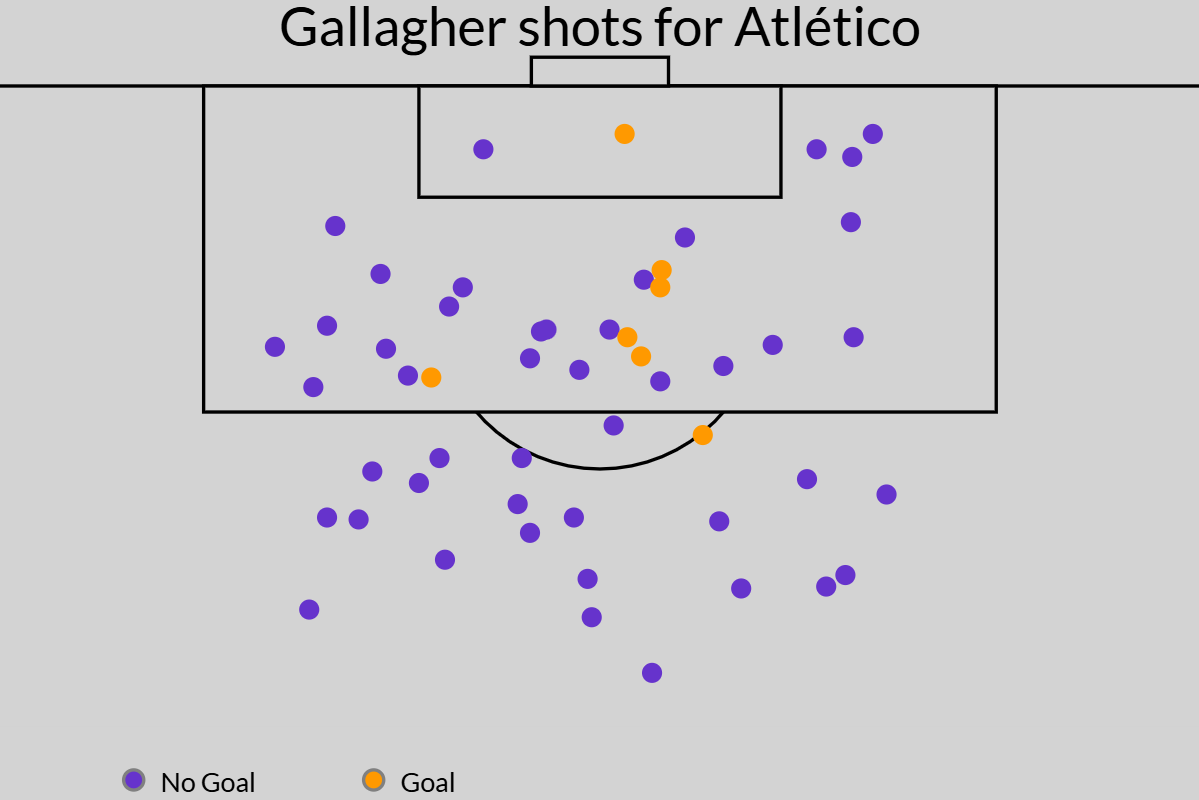
There’s no obvious starting spot for his preferred role as a roaming No. 8 or a No. 10 (even though Amorim plays two of them). Using him as the midfield runner next to Fernandes could work, though it would slightly unbalance the side defensively as well as reducing what he does best in and around the box.
Though Gallagher has only made a handful of LaLiga starts for Atlético Madrid this season, which does indicate a move is on the cards, United is not an obvious destination.
André & João Gomes
Age: Both 24
Team: Wolverhampton Wanderers
Market value: £25 million (André); £35 million (Gomes)
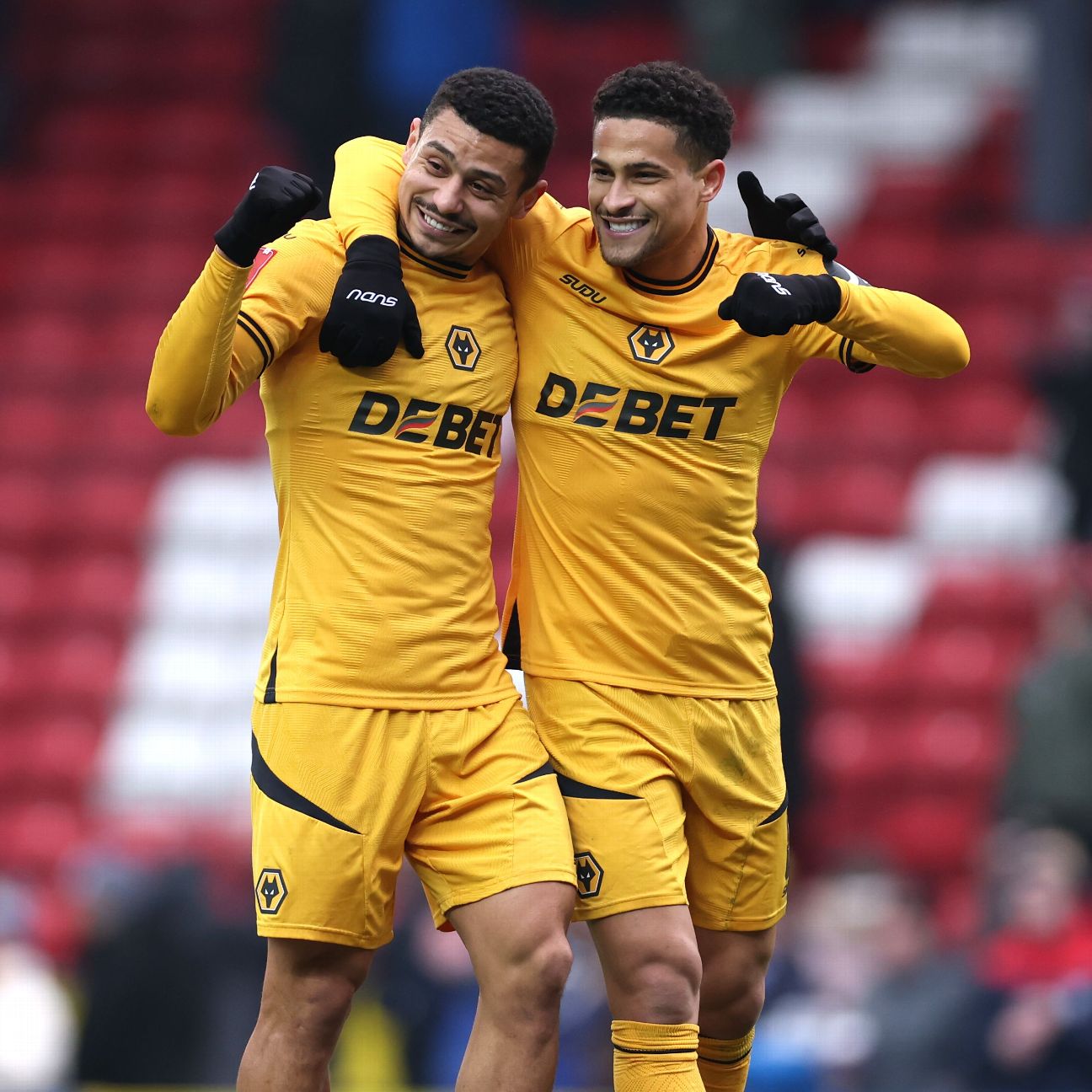
While it may seem odd that two central midfielders in a side rooted to the bottom of the Premier League are being discussed for a transfer to Manchester United, the Brazilian pair do bring some alluring features to the table.
André is predominantly responsible for keeping the team’s structure together and plays close to his center backs; offering early passing options, he is often the first port of call to receive the ball under pressure. His game is about angles, vision, and reliability rather than outright dynamism as he attempts to attract the first pressure from an opponent before moving the ball on. He doesn’t really roam or impose himself physically across large areas as he’s mainly there to stabilize the midfield.
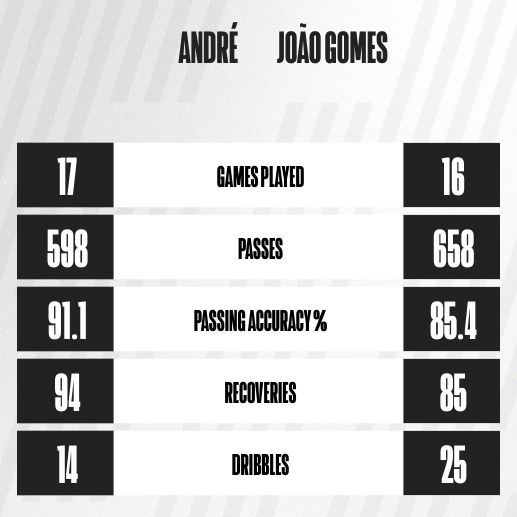
Gomes, on the other hand, provides energy, range and engages in duels at a higher rate (9.7 vs. 6.7 per 90 minutes) and higher up the pitch. He chases second balls, closes down space aggressively and repeatedly turns regains of possession into forward momentum. Compared to André, Gomes is more comfortable operating in stretched games as his skills are more about carries and sudden bursts of acceleration. The trade-off is that he’s less of a tempo-setter and won’t consistently dictate the rhythm from deep.
André lowers volatility; Gomes raises intensity. André secures the defensive structure; Gomes pushes play forward and constantly closes down opponents. For United, André could work as a deep point of reference, whereas Gomes would inject energy and pressure on the ball. Though the optimal scenario would be to sign a player who wraps the pair into one.
Alex Scott
Age: 22
Club: Bournemouth
Market value: £30 million
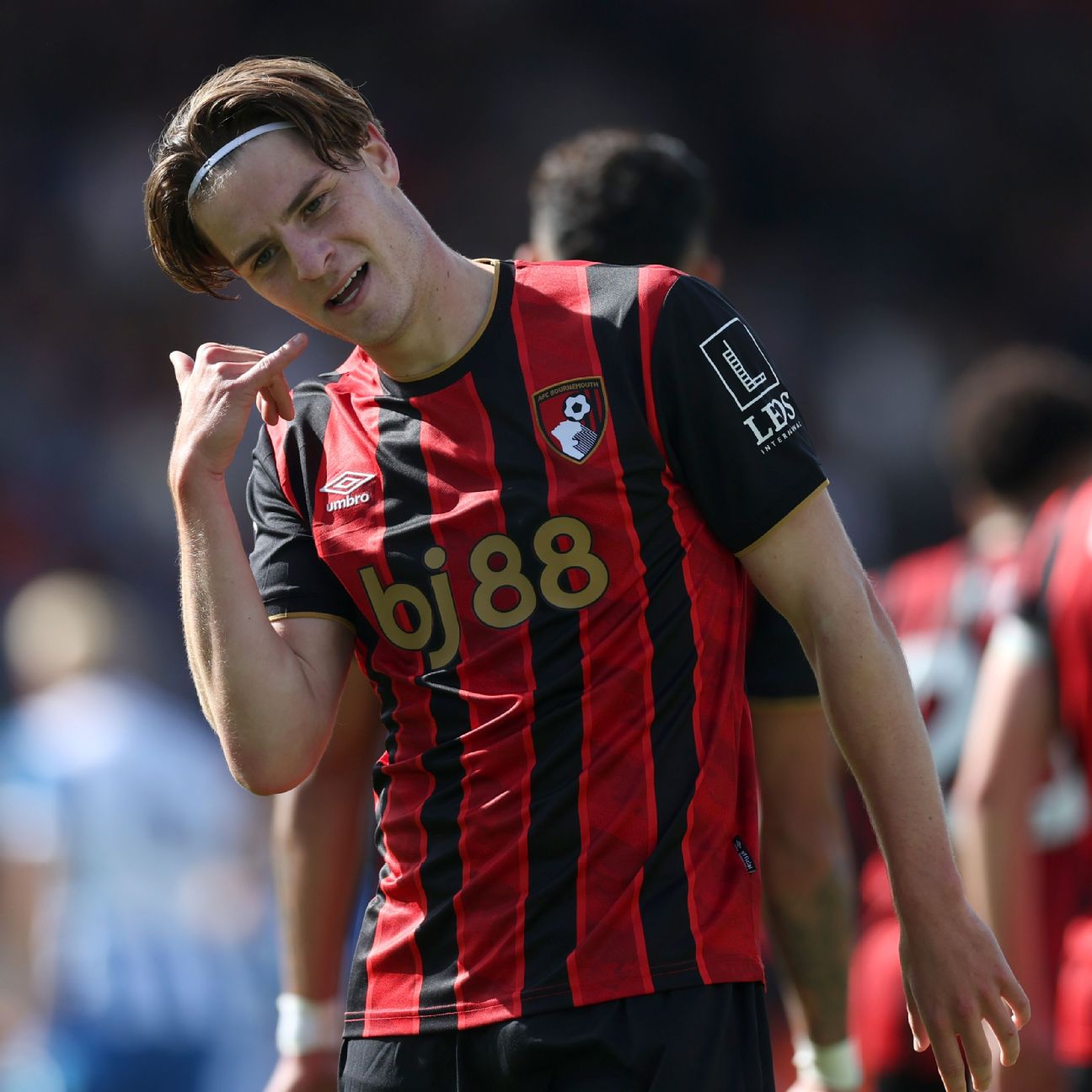
Though Scott is a top prospect in the making, it’s hard to envisage the 22-year-old arriving at Old Trafford to solve every problem in January. However, given his technical qualities, ability to navigate tight spots and glide past opponents, as well as play with a positive mindset, the reported interest does make sense.
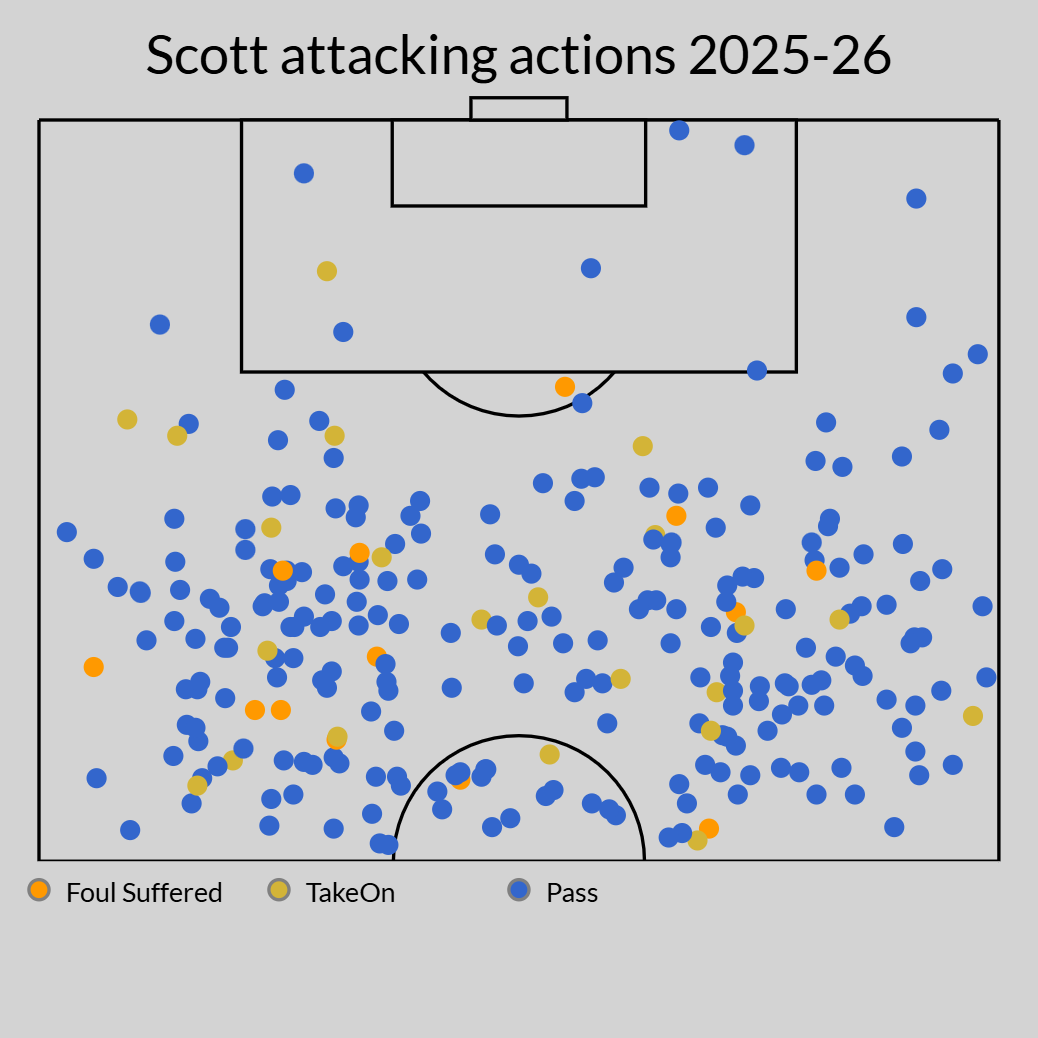
Scott is more of a “receive and connect” kind of midfielder than a pure possession-heavy playmaker; his progressive carrying (1.95 per 90) and successful take-on (0.92 per 90) stats suggest he likes to advance play whatever the setting. But while his on-ball traits are first to catch the eye, there’s also a fair bit of tenacity to Scott’s game. He’s slightly behind the other names above on successful defensive duels (55%), though his defensive work is most certainly heading in the right direction and there’s no questioning his attitude as he’s prepared to take on responsibility, press and wanting the ball for the next action.
Scott’s defensive numbers are solid rather than breathtaking, while his passing is more on the functional side than it is dominating. Big-name clubs are surely set to fight for his signature in the future, but recent rumors of a high-profile move to Old Trafford this month might be premature and Amorim has better options to choose from. His Bournemouth teammate, United States star Tyler Adams, was also linked before he recently suffered a knee ligament injury.
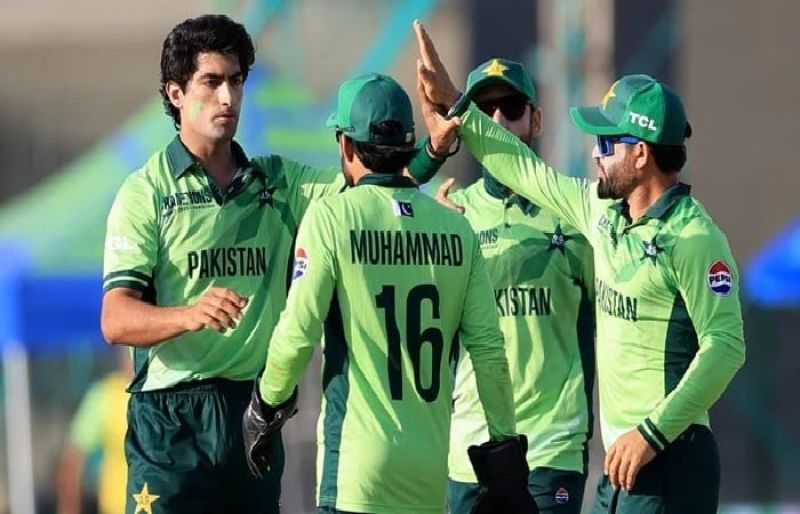
The Pakistan Cricket Board (PCB) has named a 16-member squad for the upcoming three-match ODI series against Australia, scheduled from 30 May to 4 June in Rawalpindi and Lahore.
The national selection committee confirmed that the squad will be led by captain Shaheen Shah Afridi, with Salman Ali Agha serving as vice-captain.
Star batter Babar Azam and pacers Haris Rauf and Naseem Shah have been recalled after missing the previous away series against Bangladesh. Mohammad Rizwan has been left out, with wicketkeeping options now including Muhammad Ghazi Ghori and uncapped Rohail Nazir.
Besides Nazir, the squad includes two more uncapped players, Ahmed Daniyal and Arafat Minhas. Fakhar Zaman and Saim Ayub remain unavailable due to injuries and are undergoing rehabilitation under the PCB medical panel, according to the PCB.
The 16-member squad will assemble in Islamabad later tonight and will train under the coaching staff from Saturday, 23 May. The media advisory regarding the camp will be shared in due course.
Australia men’s team will arrive in Islamabad on 23 May. They will also take part in training sessions at the Rawalpindi Cricket Stadium, details of which will be announced in due course.
The ODI series opener will be played on 30 May at Rawalpindi Cricket Stadium, followed by matches on 2 and 4 June at Gaddafi Stadium, Lahore.
Squad
Shaheen Shah Afridi (captain), Salman Ali Agha (vice-captain), Abdul Samad, Abrar Ahmed, Ahmed Daniyal, Arafat Minhas, Babar Azam, Haris Rauf, Maaz Sadaqat, Muhammad Ghazi Ghori (wk), Naseem Shah, Rohail Nazir (wk), Sahibzada Farhan, Shadab Khan, Shamyl Hussain, Sufyan Moqim.
Team management:
Naveed Akram Cheema (manager), Mike Hesson (head coach), Ashley Noffke (bowling coach), Hanif Malik (batting coach), Shane McDermott (fielding coach), and support staff including medical, fitness, analysis, and security units.
NEWYou can now listen to Fox News articles!
NASCAR driver Casey Mears reflected on the death of Kyle Busch on Friday, saying his impact on the sports of professional racing “immeasurable.”
Busch died at the age of 41, hours after it was announced he was going to forgo any racing activities at Charlotte Motor Speedway this weekend due to a “severe illness resulting in hospitalization.”
Mears appeared on Fox News Channel’s “Fox & Friends First” as he mourned Busch’s death.
CLICK HERE FOR MORE SPORTS COVERAGE ON FOXNEWS.COM
Casey Mears, driver of the No. 13 GEICO Chevrolet, leads Kyle Busch, driver of the No. 18 M&M’s Toyota, during practice for the NASCAR Sprint Cup Series Quaker State 400 at Kentucky Speedway in Sparta, Ky., on June 27, 2014. (Christian Petersen/Getty Images)
“I would say, really, it’s immeasurable. What he’s accomplished in the sport is done by nobody else. Kyle’s won so many races,” he said of Busch’s impact on the sport. “I mean, there was a stretch there for a handful of years where if Kyle didn’t win a Busch race, a Cup race or one of the truck races throughout the weekend, something was wrong because he was constantly winning races.
“I think that the end of the day he was just a tremendous competitor you absolutely knew he was going to leave 110% on the table at all times. Just one of the best that’s ever been in a racecar. The biggest thing is that he’d just become such an amazing dad, father, husband, brother. I’m just thinking about everybody in the family. Tom and Gaye, his mom, and brother, obviously Samantha and the kids. He was a true champion at home as a family man as well.”
NASCAR, the Busch family and Richard Childress Racing announced the death Thursday evening, but did not offer a cause of death.
“On behalf of the Busch family, everyone at Richard Childress Racing and all of NASCAR, we are devastated to announce the sudden and tragic passing of Kyle Busch,” the statement said. “Our entire NASCAR family is heartbroken by the loss of Kyle Busch. A future Hall of Famer, Kyle was a rare talent, one who comes along once in a generation. He was fierce, he was passionate, he was immensely skilled and he cared deeply about the sport and fans.
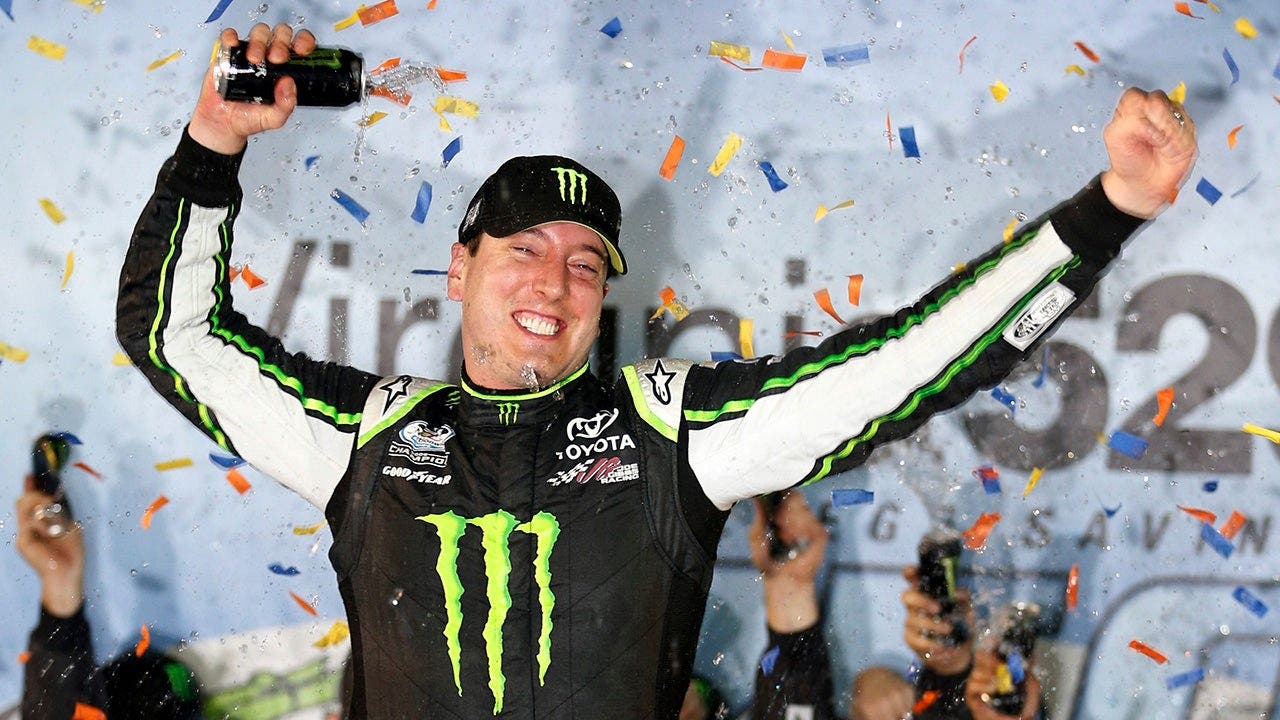
Kyle Busch celebrates his win in the NASCAR Nationwide Series race in Victory Lane at Richmond International Raceway in Richmond, Va., on Sept. 5, 2014. (Steve Helber/AP)
KYLE BUSCH ON ‘HANG OUT WITH SEAN HANNITY’
“Throughout a career that spanned more than two decades, Kyle set records in national series wins, won championships at NASCAR’s highest level and fostered the next generation of drivers as an owner in the Truck Series. His sharp wit and competitive spirit sparked a deep emotional connection with race fans of every age, creating the proud and loyal ‘Rowdy Nation.’
“Our thoughts are with Samantha, Brexton and Lennix, Kyle and Samantha’s parents, Kurt and all of Kyle’s family, Richard and Judy Childress, everyone at Richard Childress Racing, his teammates, friends and fans. NASCAR lost a giant of the sport today, far too soon.
“During this incredibly difficult time, we ask everyone to respect the family’s privacy and continue to keep them in your thoughts and prayers. Further updates will be shared as appropriate.”
Busch was a two-time NASCAR Cup Series champion and had been on the series since 2004, He made 762 career starts with 63 wins. Busch won the championship in 2015 and 2019, and had 234 victories across all three NASCAR national series.
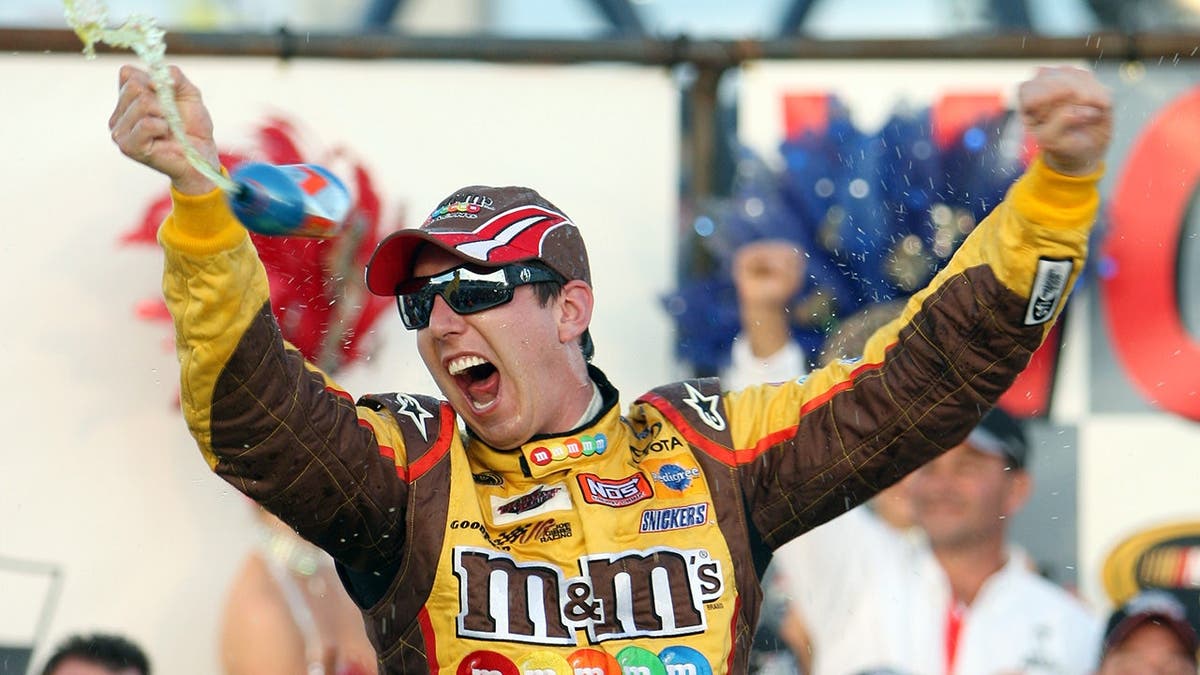
Kyle Busch celebrates his victory in the NASCAR Shelby 427 race at Las Vegas Motor Speedway in Las Vegas on March 1, 2009. (Isaac Brekken/AP)
CLICK HERE TO DOWNLOAD THE FOX NEWS APP
Busch is the all-time record-holder for wins in both the NASCAR O’Reilly Auto Parts Series (102) and NASCAR Craftsman Truck Series (69). His most recent win came last weekend at Dover, when he led 147 laps in a dominating Truck Series victory.
Fox News’ Zach Dean contributed to this report.
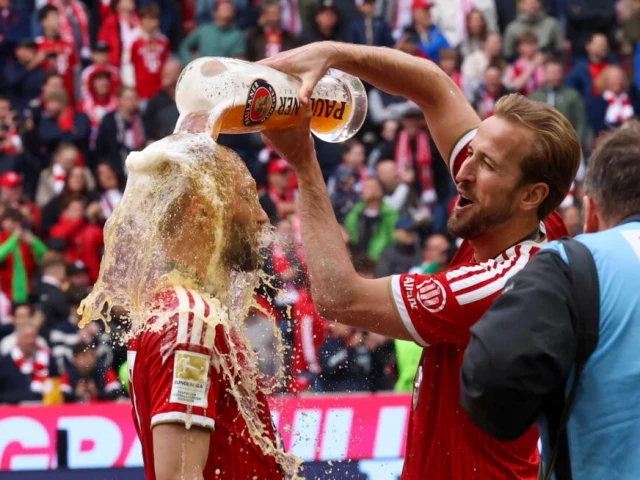
Bayern Munich striker Harry Kane has won back-to-back Bundesliga titles. Photo:AFP
LONDON:
Bayern Munich face holders Stuttgart in the German Cup final on Saturday knowing defeat will sour what had been one of their most promising seasons in recent memory.
Just weeks ago, Bayern were flying high and hopeful of a treble after beating Real Madrid for the first time in over a decade, in the Champions League quarter-finals.
But despite challenging defending champions Paris Saint-Germain over two semi-final legs in a breathless display, Bayern finished a goal behind in the tie on aggregate and were eliminated.
Bayern have beaten Stuttgart three times already this season by a collective 11 goals to three. However a defeat on Saturday will sting a club with their ambitions — and their resources.
With just three defeats in all competitions, Bayern have been incredible this season.
Finishing the Bundesliga 16 points ahead of second-placed Borussia Dortmund, Bayern scored 122 goals in 34 matches to shatter the previous single season goalscoring record of 101, becoming the first side in league history to average over three goals a game.
But the Bavarian giants’ financial muscle has meant the league title has become par for the course in recent years, with 13 wins in the past 14 seasons.
A victory on Saturday would not just crown an excellent season, it would break what is becoming a surprisingly long drought in the competition.
The Bavarians have won the German Cup a record 20 times — 14 more than the next best side, Werder Bremen — but they have not lifted the trophy for six years dating back to 2020, the biggest gap between cup wins this century.
Bayern twice crashed out to lower league opposition in that run and only made it to the quarter-final stage once.
– ‘Painful’ –
In 2021-22, Bayern lost 5-0 to Borussia Moenchengladbach in the second round — their biggest defeat in any competition since the mid-1970s.
“We really want to win that again because it’s painful for us that we haven’t won the cup for six years,” Bayern CEO Jan-Christian Dreesen said on Sunday.
Harry Kane finally broke through for a first team trophy when Bayern won the Bundesliga last season but admitted failing to win Saturday’s showpiece would put a different spin on the campaign.
“If we don’t win, it will leave a bitter taste in our mouths,” Kane said of the clash with Stuttgart at Bayern’s Bundesliga title celebrations in Munich on Sunday.
By lifting the cup on Saturday, Bayern would win the double for a remarkable 14th time. No other team in German history has done so more than once.
A Bayern-Stuttgart clash opened the season in the newly renamed Franz Beckenbauer Supercup, which features the league and cup holders.
That the domestic season should close with the same two teams duking it out shows how far Stuttgart have come under coach Sebastian Hoeness.
The coach, a nephew of Bayern powerbroker Uli, took over with Stuttgart in relegation danger in 2023 but guided them to two Champions League qualifications and their first silverware in 28 yeras.
Stuttgart may be the defending champions but striker Deniz Undav said the pressure is all on the Bavarian giants, with his side happy to play the role of spoilers.
“It’s a bonus game. We’ve got nothing to lose — we’re the complete underdog,” the Germany striker said, adding “there’s one clear favourite and that’s Bayern”.


Future King’s visit to Isles of Scilly leaves locals inspired

Why Matt Damon and Tom Holland got jealous of Zendaya during ‘The Odyssey’

ICE cotton drops sharply as overbought market triggers sell-off

-

 Entertainment6 days ago
Where Pete Davidson, Elsie Hewitt stand after breakup: Details revealed
-

 Entertainment1 week ago
Emilia Clarke recalls near-death incident while filming ‘Game of Thrones’
-
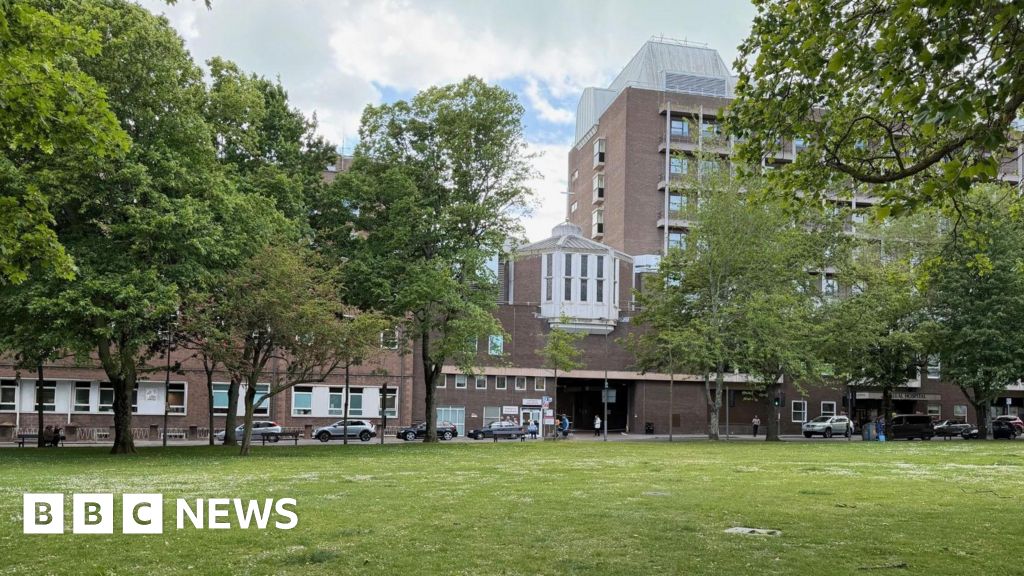 Business1 week ago
Jersey Election 2026: Cost of living concern in St Helier Central
-

 Politics6 days ago
Rising diesel costs from Iran war strain US school budgets
-

 Tech1 week ago
Greg Brockman Officially Takes Control of OpenAI’s Products in Latest Shakeup
-

 Politics1 week ago
UK’s Starmer faces survival battle as potential rivals circle
-

 Entertainment1 week ago
Drake drops highly anticipated "Iceman" album, plus two surprise albums
-
 Business1 week ago
Oil price gains and Westminster worry sink stocks