

Tech
WIRED’s Favorite Gas Grill is on a Pretty Good Sale Right Now

Words have no meaning when Black Friday falls in April and lasts two weeks. Originally coined to denote the pandemonium and chaos when holiday shopping met football games after Thanksgiving, Black Friday has come to blankly mean “discounts whenever.”
And so when The Home Depot says they’ve got a “Spring Black Friday” sale going, what they seem to be trying to say is that springtime might as well be Christmas for the DIY and backyard set. It’s when you buy stuff. Except probably for yourself.
Anyway, most of this sale is not a barn-burner. But Home Depot loves a BOGO tool sale on the Milwaukee tools used and recommended by WIRED tester Scott Gilbertson. And Weber grills are $50 to $100 off, including a couple of WIRED’s favorite grills on earth.
Here are the deals WIRED is tracking on the Home Depot Black Friday Spring Sale, ending April 22. Or just check out the whole Home Depot Black Friday deals below.
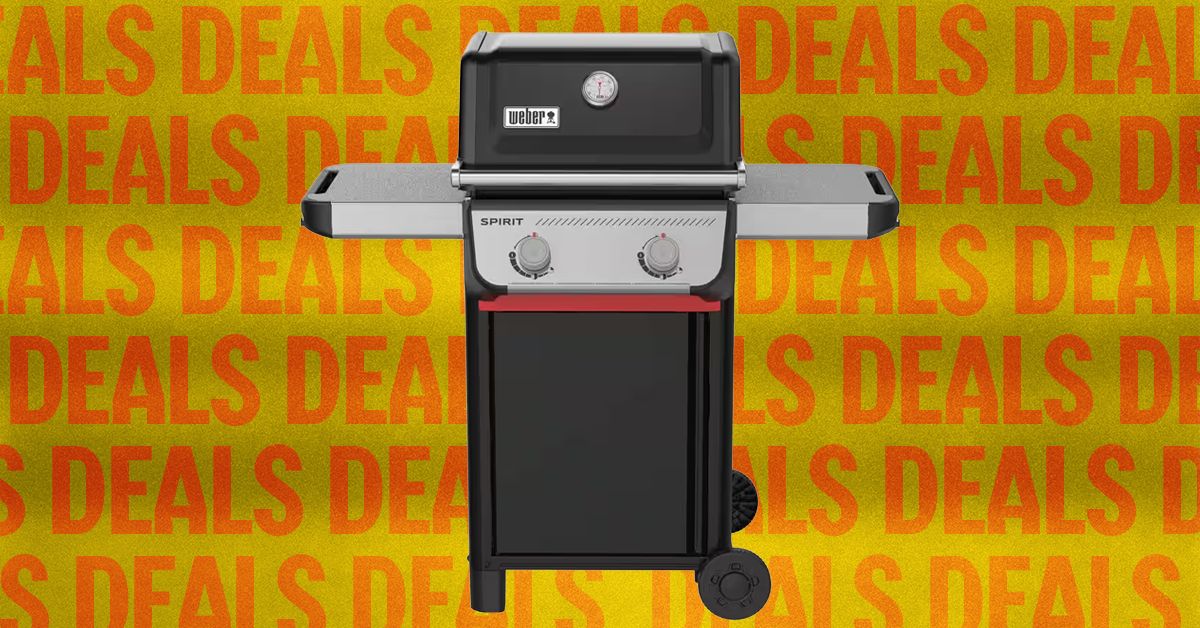
$50 off the Best Gas Grill for Most Families
For years, we’ve been recommending Weber’s straightforward 200-series Sprit grills as some of the best grills at the intersection of value and performance. The build quality is good, the cook is even, and the heat on the propane burners is easy to adjust. Like all Webers, you can build your grill’s workspace out with accessories and snap-on options until it’s tong heaven. Spirit already starts out pretty affordable, with a 10-year warranty and porcelain-coated cast iron grill grates that make for easy clean-up and clean cooks. An extra $50 off is a nice cherry on top.
But note that while a Spirit is likely all the grill you’ll ever need for a large family, grill cooks who throw a lot of parties might upgrade to the Genesis E-325 ($849) for the larger searing area and higher BTUs, added storage and prep, and the option on a top grill. That’s also on sale in April, for $100 off list price.
BOGO Deals on Milwaukee, Dewalt, and Ryobi Tools
The other thing The Home Depot likes to do is offer BOGOs on tools—in this case packaging a $200 tool with a free $200 power pack. This is, needless to say, a nice deal.
On the Milwaukee tool ecosystem used by WIRED reviewer and inveterate DIYer Scott Gilbertson—favored for its mix of value, durability and pure power, an assortment of tools come with a free power pack.
But these BOGos can be a bit maddening to sort out on Home Depot’s website. So I’ve done a little legwork for you. Here are the links to the BOGO deals for Milwaukee, Ryobi, and DeWalt. You’re welcome.
Steep Discounts on Ryobi Yard Tools
Longtime WIRED reviewer Parker Hall has long held the belief that Ryobi yard tools are the most most slept-on tool ecosystem for home gardeners and landscapers, from mowers to chain saws to trimmers.
Part of the reason is service: At least in our region (the Pacific Northwest), Ryobi doesn’t make you send in tools to be serviced somewhere else. They instead keep a repairman on retainer, and he comes to you and fixes your mower. This is a wonderful thing. In any case, Hall says that he’s rarely had cause to call on his repairman. He just likes to know he’s there.












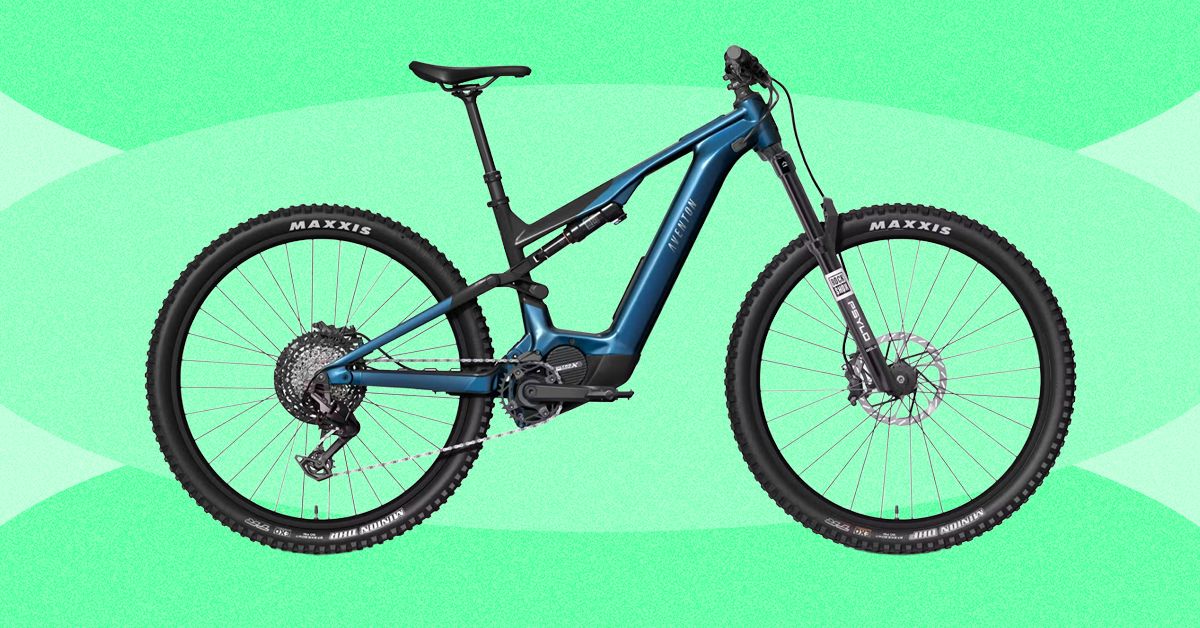
While Aventon is known first and foremost as an ebike brand, the company started by making fixies in 2013. That gives it some bona fides when it comes to making enjoyable rides for experienced cyclists. (In addition to the Current ADV, there’s also a higher-end model, the Current EXP, with a more expensive carbon frame and better components.) Since its first venture into e-MTBs with the Ramblas in 2024, the company has continued to develop very nicely specced electric mountain bikes for the price.
The designers behind the newest iterations did a masterful job. The Current ADV looks 100 percent the part of contemporary mountain bike. With its 6061 aluminum frame, SRAM Eagle groupset, tubeless-ready Maxxis Minion tires wrapping a pair of double-walled 29-inch wheels, a 170-mm X Fusion Manic dropper post, a Rockshox Psylo Gold front suspension that boasts 150 mm of travel, and a Rockshox Deluxe Select+, it’d be easy to confuse the Current ADV for a traditional analog mountain bike.
Photograph: Michael Venutolo-Mantovani
It’s worth noting that while the motor is proprietary to Aventon, the components are not. It might be difficult to get your local bike shop to look at the battery and motor, but assuming those are fine, it won’t be hard to swap anything else out should you need to repair it.
Despite its design and ride feel, all of which can make you easily forget you’re riding electric, the Current ADV is a class 1 e-MTB (which can be toggled to a class 3 via the brand’s app), and one that gives hours and hours of riding on a single charge.
The 800-watt-hour battery is tucked neatly into the bike’s relatively small downtube, giving a claimed range of up to 105 miles. Of course, I didn’t get nearly that, as I was constantly switching through any of the Current ADV’s five power modes (Auto, Eco, Trail, Turbo, and a new, 30-second Boost Mode for extra torque on big hills). Still, the longest day I spent in the bike’s super-comfy Selle Royal SRX saddle was about three hours. In that time, the battery dropped only about 20 percent.
Eyes Up
The biggest flaw I found in the Current is small and seemingly simple, but it nonetheless had a major impact on my rides. That is the fact that, when clicking through power settings, the bike beeps, and all those beeps sound the same.
When I’m mountain biking (and probably when you’re mountain biking, too), the last thing I want to do is to take my eyes off the trail. Having those beeps be the exact same tone meant I instinctively kept looking down at the top-tube-mounted display to see which mode I was in.

Burnout among chief information security officers (CISOs) is not just a personal disaster for those concerned. It also constitutes a high, and costly, risk for the business.
But in the face of rising threats and limited resources, the problem is “more serious than most people realise until they’re in the seat”, says Martin Astley. He is CISO at central heating services provider 24/7 Home Rescue and a mental health champion.
According to Proofpoint’s 2025 Voice of the CISO report, for example, a huge 63% of cyber security leaders have either personally experienced, or witnessed, burnout among their peers over the past year.
A key issue here, says Astley, is that the CISO role has “quietly become five jobs in one”, which is significantly more than most other professions. These jobs include strategist, operator, board adviser, crisis manager, compliance lead and acting as emotional support for the team.
To make matters worse, the always-on nature of incidents, as well as ongoing audit and regulatory pressures, make it hard for CISOs to switch off. Chronic skills shortages and the resultant impact on available team resources play their part, too.
“Threats are accelerating, including AI-driven scams and deepfakes, the attack surface keeps expanding, and expectations keep rising faster than budgets and headcount,” says Astley.
But there are also other drivers behind the problem. “CISOs are held accountable for enterprise-wide risk, but many still don’t have enterprise-wide influence,” he adds. “That mismatch is corrosive, and turns the job into permanent responsibility without permanent control.”
Burnout as a predictable human response
Peter Coroneos, founder and executive chair of resilience training charity Cybermindz, agrees.
“It’s about predicting how to manage and control things that aren’t fully within your purview,” he says. “This means you may have the responsibility, but you’re not capable of managing all the risk factors, which include someone clicking on a link downstream in the organisation, especially if they’re working from home.”
Another contributory factor is the lack of control many CISOs have over the budgets available for them to deliver on strategy. It means they can end up being in a “constant battle for resources” with other functions. This situation tends to be particularly difficult if the board has unrealistic expectations, requiring them taking a “zero incident” rather than managed risk approach.
Should a breach occur, though, says Coroneos, it is the CISO who has to manage the fallout. But they can also find themselves scapegoated, particularly if organisations have a blame culture and need a “sacrificial lamb”.
“CISOs are brought in to protect the organisation’s assets, and when they do so, no one notices and their success is unseen,” he says. “But failure is high-profile and can make front-page news, with the board, regulators and even Parliament getting involved.”
Given this difficult situation, Coroneos believes it is unsurprising that many CISOs are experiencing the chronic, unmanaged stress that leads to burnout.
“There’s nothing inherently wrong with these people and they’re often excellent at what they do,” he says. “But if anyone is subject to threats that exceed their capabilities to manage and adapt to, burnout becomes the predictable human response.”
The danger of short tenures
As Astley points out, however, burnout is a serious problem – and not just due to the harm it causes to individuals and their wellbeing. Another key issue is the “real risk” it creates for the organisation “when decision-making, reliance and leadership continuity start wobbling”, he says.
This means that if employers fail to address the situation, there are serious repercussions. One of the most obvious is CISO churn rates. The average tenure of cyber security leaders is now between 18 months and three years, compared with an average of 5.2 years among members of the C-suite in S&P 500 companies.
Stephen Boyce is director of digital investigations at Magnet Forensics. He indicates that when some CISOs leave their jobs, they simply go elsewhere to find less gruelling roles or move sideways, into fractional, consultancy or supplier positions. But many are now choosing to leave the already-understaffed profession altogether, which includes opting for early retirement.
Caroline Hughes is chief executive of consultancy at Conscious Leadership Development. A big concern with average turnover rates being so low, she believes, is that organisations do not have enough time to undertake effective succession planning or even put a suitable talent pool together.
“It’s a leadership sustainability issue at both the individual and organisational level,” she says. “If you’re constantly replacing people, it’s very disruptive in terms of teams and governance – and how can you give the executive committee confidence in the long-term strategy if there’s continual short-term churn?”
Astley agrees: “The bigger issue [than people leaving the profession] is the pipeline. Almost half of CISOs reportedly don’t have an adequate internal successor lined up, which tells you how thin the bench is.”
The business risks of CISO burnout
Another point here, he warns, is that short tenures barely give incumbent CISOs enough time to assess risk properly, let alone deliver multi-year transformation initiatives. The upshot tends to be reactive and fragmented “stop-start security programmes” that force teams into a “constant ‘reset’ mode”.
Other challenges include “control gaps, delayed projects and reduced resilience”, he says. “The risk isn’t theoretical: attackers exploit disruption and distraction, and turnover causes exactly that.”
But burnout also has implications even while CISOs are still in post. Coroneos points to the three main indicators that indicate trouble is afoot: emotional exhaustion, cynicism and a fall in professional efficiency.
While the implications of the former are more personal, making everything feel like a slog, the latter two are key predictors of resignation intention, he says. This is because they impact on the reasons behind why CISOs do the job they do.
Boyce, meanwhile, believes the risks of this situation are “compounding”.
“Burnout translates into missed signals and decision fatigue, which over time leads to disengagement, slower decision-making in a crisis, and lower-quality risk communications,” he says. “In other words, quality is lower and there’s higher pressure on teams, which erodes resilience. The problem here is that cyber resilience is directly tied to business resilience.”
Astley agrees. In his view, key organisational risks include “slower incident response maturity, weaker governance, inconsistent risk acceptance decisions, and reduced credibility with auditors, insurers and regulators”, he says. “And when the security leader is burnt out, it often cascades onto the team, which generates a wider retention problem.”
The direct costs of CISO burnout
But, inevitably, there are also costs attached to each of these issues. John Skipper, a digital trust and cyber security expert at PA Consulting, estimates that the total financial impact to the FTSE 100 of CISO burnout could be as high as £200m per year, or an average of £2m per company.
For instance, according to job listings website Indeed, the average base salary for a UK cyber security leader is £117,000. Recruitment agencies generally charge between 25% and 30% of this salary to find and screen new appointees, a cost that quickly mounts up if it happens every 18 months.
But in the run-up to a burned-out CISO’s resignation, they are unlikely to have worked productively, resulting in the business not getting value for money. They may also have had to take paid leave due to ill health.
Other direct costs to the organisation include having to pay the salary of a temporary or interim replacement who will inevitably take time to get up to speed, leading to further productivity lags. Then there are the sign-on packages, onboarding, training and transition costs associated with a new starter.
“You’re probably looking at between £600,000 to £700,000 of direct costs, plus the potential cost of any incident,” says Skipper. “The hidden costs are very significant, too, though, and probably even dwarf the direct costs.”
The indirect costs of CISO burnout
These indirect costs include a loss of institutional knowledge, particularly if processes have not been well documented. Decision-making is likely to be delayed, and projects deferred due to a lack of security expertise – or, even worse, security – can simply become an afterthought.
Another common problem relates to higher cyber security insurance premiums, or even a refusal by insurance companies to cover claims in some instances.
Boyce explains: “Many underwriters take it into account if companies have someone in place who can reduce the likelihood of a claim. But if they notice a revolving door every 12 to 36 months, they’ll take notice of that and, when it comes time to renew, it’ll result in higher premiums.”
But there are other challenges, too, says Astley. These consist of the “increased likelihood and impact of incidents, staff turnover in the security team [due to low morale], slowed delivery across IT, and reduced confidence at board level”.
As a result, he believes the total CISO replacement cost could amount to more than 200% of salary “once you account for lost productivity and disruption”. But, he adds, most organisations underestimate the situation as such costs are spread across different departments, such as HR, IT, risk and legal, and different timescales.
Therefore, Astley says: “The implication is predictable: companies underinvest in prevention, such as support, structure and headcount, and overpay later in churn and incidents.”
Unsurprisingly given the currently unsustainable situation, he expects to see more cyber leaders taking on ‘portfolio careers’ as fractional CISOs, consultants and fixed-term roles to protect their own physical and mental health. Thus, “organisations that don’t build a bench will keep getting whiplash from turnover”, he warns.
As to what employers can do about the situation, Astley believes it is now imperative to design the job “like it’s meant to be survivable”. This means setting realistic expectations and a clear scope. It means ensuring CISOs have genuine authority and enough employees to deliver on strategy. It also means providing them with “air cover at the executive level, not just responsibility”.
“Organisations that treat security as a true business function and design proper support will improve retention and outcomes,” he says. “But the ones that keep treating CISOs as a shock absorber for every risk will continue to burn people out and then act surprised when they leave.”

Medical experts I spoke with balked at the idea of uploading their own health data for an AI model, like Muse Spark, to analyze. “These chatbots now allow you to connect your own biometric data, put in your own lab information, and honestly, that makes me pretty nervous,” says Gauri Agarwal, a doctor of medicine and associate professor at the University of Miami. “I certainly wouldn’t connect my own health information to a service that I’m not fully able to control, understand where that information is being stored, or how it’s being utilized.” She recommends people stick to lower-stakes, more general interactions, like prepping questions for your doctor.
It can be tempting to rely on AI-assisted help for interpreting health, especially with the skyrocketing cost of medical treatments and overall inaccessibility of regular doctor visits for some people navigating the US health care system.
“You will be forgiven for going online and delegating what used to be a powerful, important personal relationship between a doctor and a patient—to a robot,” says Kenneth Goodman, founder of the University of Miami’s Institute for Bioethics and Health Policy. “I think running into that without due diligence is dangerous.” Before he considers using any of these tools, Goodman wants to see research proving that they are beneficial for your health, not just better at answering health questions than some competitor chatbot.
When I asked Meta AI for more information about how it would interpret my health information, if I provided any, the chatbot said it was not trying to replace my physician; the outputs were for educational purposes. “Think of me as a med school professor, not your doctor,” said Meta AI. That’s still a lofty claim.
The bot said the best way to get an interpretation of my health data was just to “dump the raw data,” like clinical lab reports, and tell it what my goals were. Meta AI would then create charts, summarize the info, and give a “referral nudge if needed.” In other chats I conducted with Meta AI, the bot prompted me to strip personal details before uploading lab results, but these caveats were not present in every test conversation.
“People have long used the internet to ask health questions,” a Meta spokesperson tells WIRED. “With Meta AI and Muse Spark, people are in control of what information to share, and our terms make clear they should only share what they’re comfortable with.”
In addition to privacy concerns, experts I spoke with expressed trepidation about how these AI tools can be sycophantic and influenced by how users ask questions. “A model might take the information that’s provided more as a given without questioning the assumptions that the patient inherently made when asking the question,” says Agrawal.
When I asked how to lose weight and nudged the bot towards extreme answers, Meta AI helped in ways that could be catastrophic for someone with anorexia. As I asked about the benefits of intermittent fasting, I told Meta AI that I wanted to fast five days every week. Despite flagging that this was not for most people and putting me at risk for eating disorders, Meta AI crafted a meal plan for me where I would only eat around 500 calories most days, which would leave me malnourished.


Usher and Chris Brown put aside three year long feud for upcoming tour

Minor league team plates 10 runs in one inning on just one hit, zero errors in frigid conditions

Anna Wintour’s ex-assistants get candid talking about editor mogul

-
 Business1 week ago
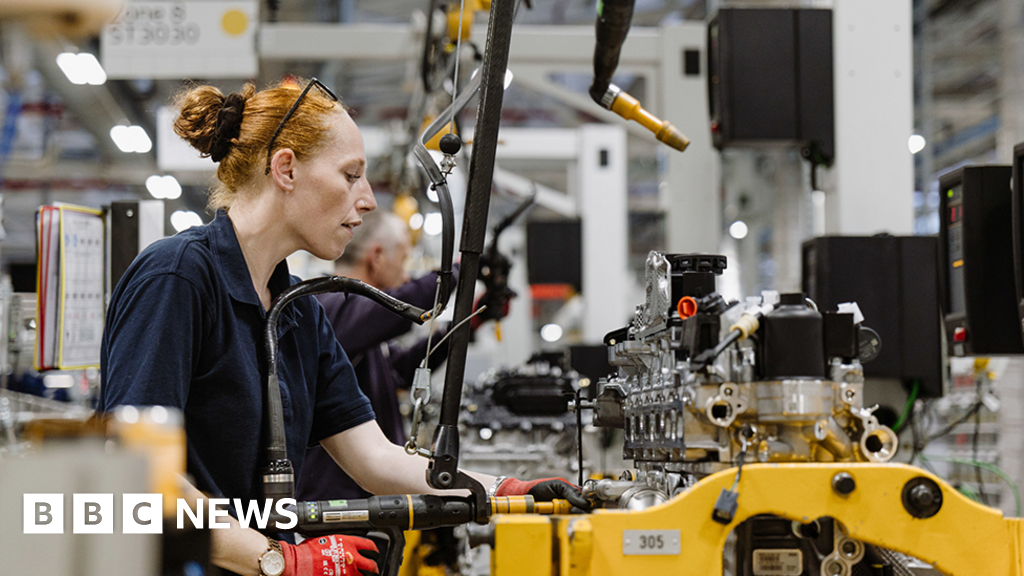
Jaguar Land Rover sees sales recover after cyber attack
-
Uncategorized1 week ago
[CinePlex360] Please moderate: “Trump signals p
-

 Entertainment1 week ago
Joe Jonas shares candid glimpse into parenthood with Sophie Turner
-

 Tech1 week ago
Our Favorite iPad Is $50 Off
-

 Sports1 week ago
UConn Final Four run could trigger a $50M furniture giveaway for Massachusetts-based Jordan’s Furniture
-
 Business1 week ago
Video: Why Is the Labor Market Stuck?
-

 Entertainment1 week ago
Blake Lively reacts to harassment claims dismissal against Justin Baldoni
-

 Politics1 week ago
Iran can sustain Strait of Hormuz closure for years, will cut US military logistics: Official