

Fashion
Zara bolsters global collaboration strategy, unveils collection alongside Ludovic de Saint Sernin

Published
November 11, 2025
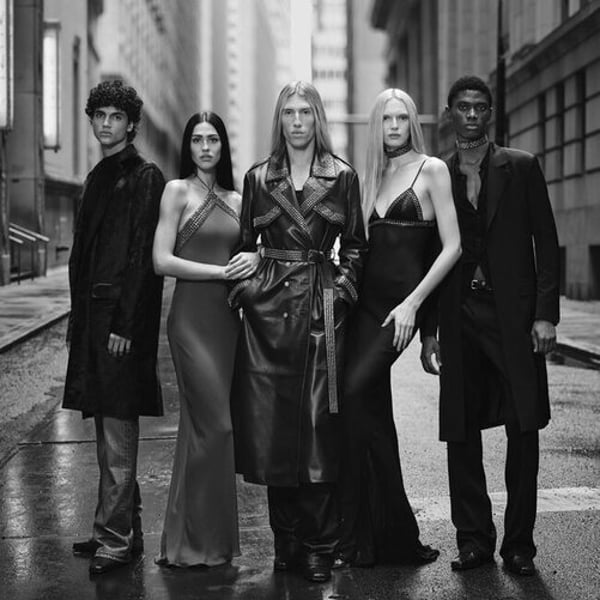
Inditex‘s flagship brand Zara reaffirms its commitment to international collaborations. The label has joined forces with Belgian designer Ludovic de Saint Sernin to create a capsule collection that marries contemporary sensuality with timeless elegance. Under the name “Ludovic de Saint Sernin x Zara,” the collection, which includes ready-to-wear pieces, footwear and accessories, will be available from November 17 on the brand’s e-commerce platform and in selected stores worldwide.
“What we’ve created together is my idea of the perfect wardrobe: garments of exceptional quality that I want to wear, that I want my friends to wear- that I want everyone to wear!” said the designer, adding that “the most incredible thing about working on this collection was knowing that it would have a truly universal reach.”
Inspired by the cinematic energy of New York, the collection pays homage to the 1980s and 1990s, reinterpreting this aesthetic through a modern lens with materials such as satin-finished wool, silk satin, and supple leather, featured in pieces like a jet-black short coat and waxed jeans. The capsule also includes some of the designer’s most recognisable codes, such as metal eyelets, reimagined as polished chrome studs that embellish trench coats, dresses, and accessories.
Starring models including Alex Consani and Amelia Gray and directed by Gordon von Steiner, the campaign for the new collection transports the shared universe of the Belgian designer and the Spanish brand to a dreamlike landscape, frozen in time in the heart of Manhattan. The video shows the models wearing a series of pieces from the capsule, striking a balance between the real and the imaginary.
Through this partnership, Zara takes another step forward in its strategy of high-profile international collaborations, having previously joined forces with names such as British stylist Harry Lambert, with whom it has collaborated on several occasions, and Ghanaian painter Otis Kwame Kye Quaicoe, with whom it presented a menswear capsule last July.
Ludovic de Saint Sernin is himself no stranger to partnerships with Spanish firms. In February 2024, the designer made his debut at New York Fashion Week, where he presented his autumn/winter 2024 collection, accompanied by jewellery created by the Catalan brand Tous, designed especially for the occasion by the designer himself.
Founded in 1975, the Galician brand, which is celebrating its 50th anniversary this year, had a commercial network of 1,759 points of sale as at the end of 2024, including company-operated stores and franchises. In financial terms, Zara and Zara Home recorded a combined turnover of 27,778 million euros in their last financial year, 6.6% more than the previous year.
The brand is part of the Inditex conglomerate, chaired by Marta Ortega, whose portfolio also includes Massimo Dutti, Bershka, Stradivarius, Pull&Bear, Oysho, and Lefties. The group, for its part, achieved a turnover of 38,632 million euros in the same period, with year-on-year growth of 7.5%.
This article is an automatic translation.
Click here to read the original article.
Copyright © 2025 FashionNetwork.com All rights reserved.











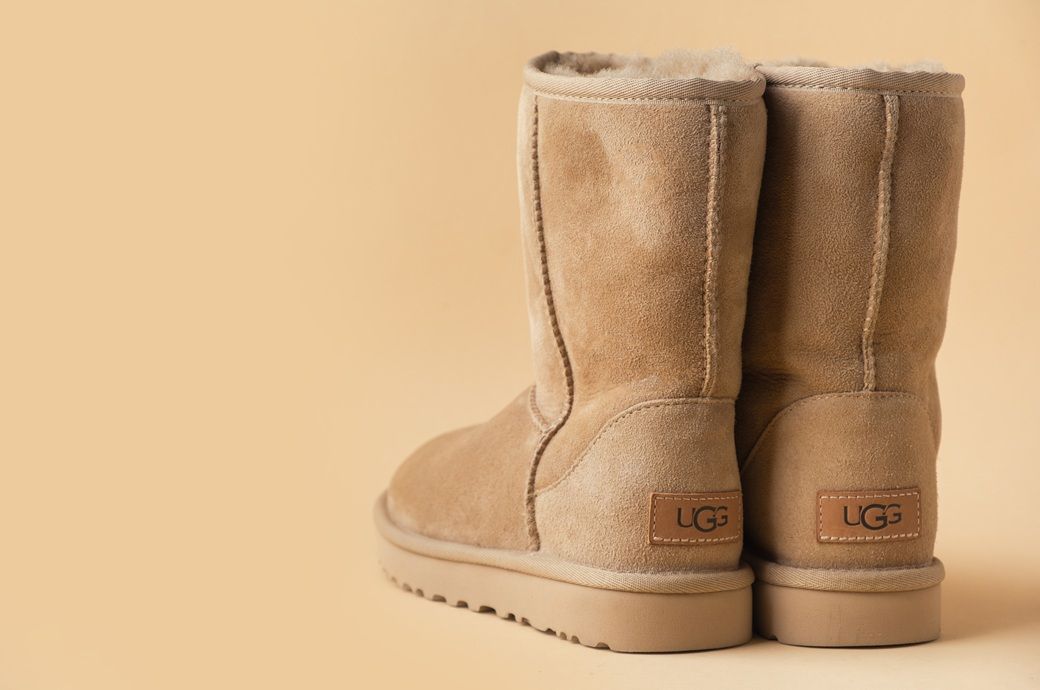
Kenneth Straka, Senior Product Development Manager at Deckers Outdoor Corporation, said that Deckers places strong emphasis on sustainability, noting that founder John Luke often reminded the team that the French word for sustainability is durability. This idea aligned with discussions at the Global Fashion Summit, where the theme centred on “Building Resilient Futures” in the sustainable and circular economy.
Durability has helped UGG become one of the most sought-after boot brands and a key sales driver for Deckers, alongside its sportswear brand Hoka. “One of the things we think about in terms of circularity is making products that last a long time and remain with consumers throughout their lives. We want products that consumers can wear for ** or ** years,” Straka said in an interview with Fibre*Fashion on the sidelines of the Global Fashion Summit in Copenhagen.
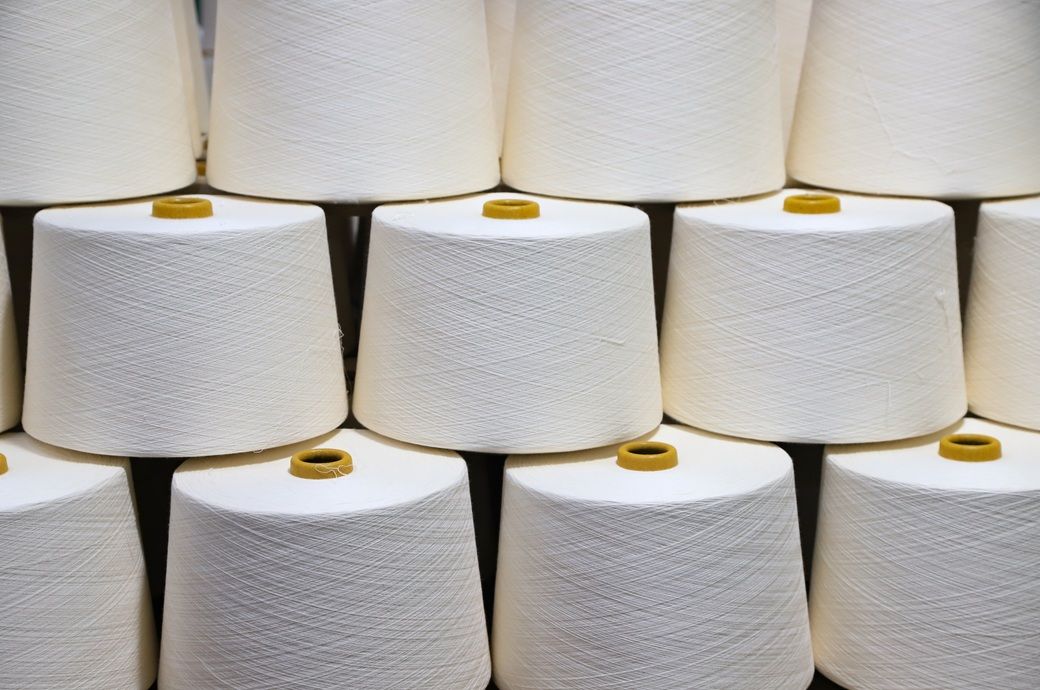
In the Tiruppur market, cotton yarn prices increased by ****;*–* per kg in this week despite sluggish local demand. Prices were quoted higher because of limited supply from spinning mills. A trader from the Tiruppur market told Fibre*Fashion, “Domestic demand remained limited, but spinning mills are not relying solely on the domestic market for cotton yarn sales. They are focusing more on exports, where demand and prices remain attractive. Mills have raised yarn prices following higher ICE cotton prices and the CCI’s increase in auction base prices, although ICE cotton has witnessed a sharp decline over the past two days.”
In Tiruppur, knitting cotton yarn prices were noted as: ** count combed cotton yarn at ****;***–*** (~$*.**–*.**) per kg (excluding GST), ** count combed cotton yarn at ****;***–*** (~$*.**–*.**) per kg, ** count combed cotton yarn at ****;***–*** (~$*.**–*.**) per kg, ** count carded cotton yarn at ****;***–*** (~$*.**–*.**) per kg, ** count carded cotton yarn at ****;***–*** (~$*.**–*.**) per kg, and ** count carded cotton yarn at ****;***–*** (~$*.**–*.**) per kg.
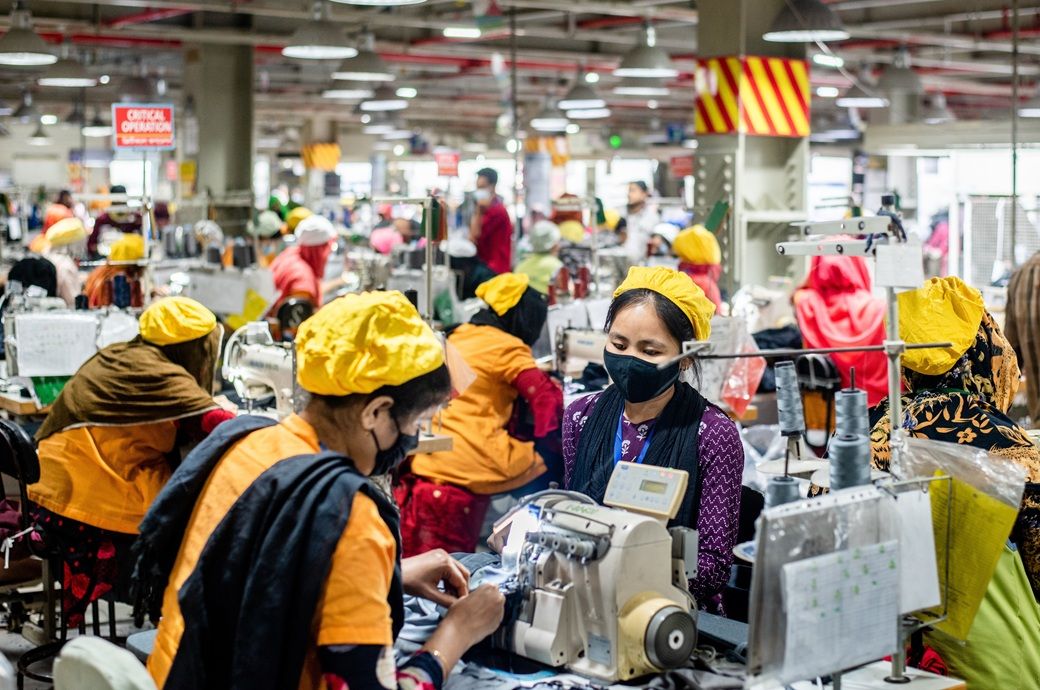
BGMEA president Mahmud Hasan Khan said they discussed export diversification within the garment sector, reopening of closed factories and many factories’ struggle for survival.
Representatives of two top Bangladesh garment trade bodies recently met PM Tarique Rahman and urged him to ensure uninterrupted power and energy supply, quick release of export receipts from banks, reopening of closed factories and easing of customs regulations.
BKMEA raised concerns about misuse of the bond facility and urged action against violators of bond licences.
104 factories have informed the BGMEA about their closure till now, Khan said. BGMEA will scrutinise these cases to identify the genuine reasons for the closures.
Following the scrutiny, the association will send recommendations for reopening these factories, as the government is working to open a Tk 200-billion fund to assist their revival.
BKMEA president Mohammad Hatem said some 400 factories closed in the last three years—nearly 300 of them due to non-cooperation from banks. He said banks release export receipts to exporters’ lien accounts, but delays in payment often force loans into default, leaving exporters unable to pay suppliers on time.
He also demanded uninterrupted supply of power and gas to industrial units as recent shortages of fuel oil have severely affected productivity, according to domestic media ooutlets.
Hatem raised concerns about misuse of the bond facility and urged action against violators of bond licences.
He also called for easing the rules of the National Board of Revenue, particularly customs procedures, to smoothen export and import processes and reduce lead times.
Fibre2Fashion News Desk (DS)


“Call Her Daddy” podcast host Alex Cooper announces pregnancy with 1st child

Shania Twain wants to sing at Harry Styles, Zoe Kravitz wedding
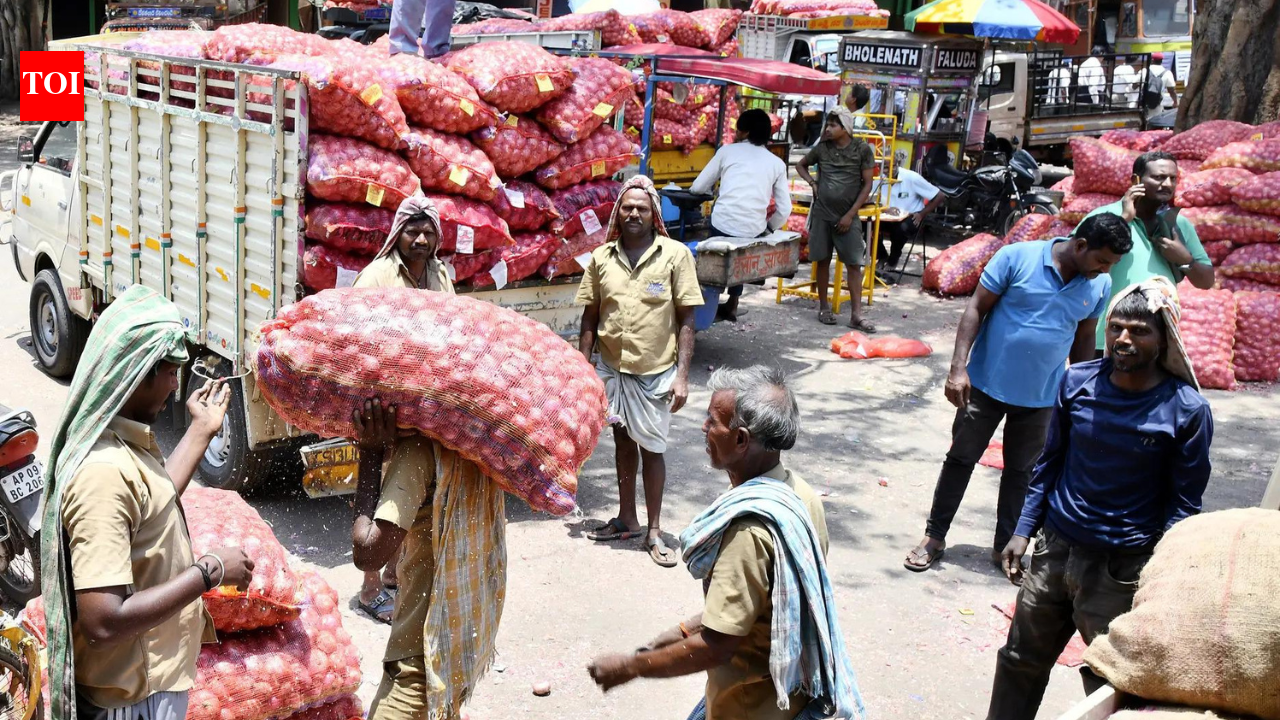
Weather & then war lead to tears in India’s onion basket

-

 Entertainment5 days ago
Conan O’Brien hat tricks as Oscar host
-

 Tech1 week ago
Could Contact-Tracing Apps Help With the Hantavirus? Not Really
-

 Tech1 week ago
I Tried the Best Captioning Smart Glasses, and Only One Leads the Pack
-

 Fashion4 days ago
Italy’s Zegna Group’s Q1 growth boosted by strong organic performance
-

 Sports1 week ago
Bobby Cox, legendary Atlanta Braves manager who led 1995 World Series champions, dead at 84
-

 Entertainment1 week ago
Martin Short: Facing tragedy with joy
-

 Entertainment7 days ago
Tom Brady gets back at Kevin Hart during Netflix roast
-

 Entertainment1 week ago
Martha Stewart: How to make an omelet