

Tech
The Best Tech Gear for Work Trips

For business travelers who treat the world like their office, the right travel tech isn’t just convenient, it’s non-negotiable. Work trips often mean meetings happen mid-transit, and deadlines don’t wait for time zones. Today’s professionals require gear that’s as agile and refined as they are. For your next trip—especially on business—every item in your travel arsenal should serve a purpose: keeping you connected, organized, and one step ahead.
Among the business travel essentials? A reliable staple: The Apple MacBook Air: powerful, lightweight, and designed for productivity anywhere. Not to mention, with the right universal converter or portable charger, you can plug it in to charge just about everywhere. Add a portable Wi-Fi hotspot or travel router, and your workspace expands to airport lounges, hotel lobbies, or high-speed trains. For presentation, compact travel steamers ensure you arrive looking polished, while smart luggage and digital tags streamline the journey from check-in to customs. Whether you’re a digital nomad taking a client call on the road or reviewing contracts over espresso in Milan, we’ve compiled the best tech for work trips built for motion. When business takes you everywhere, your gear should work like you do: seamlessly, stylishly, and without pause.
Updated October 2025: We’ve added the Sony WH-1000XM6, OnePlus Pad 3, and Netgear Nighthawk M6 Pro.

Photograph: Ryan Waniata
Stylish and feature-packed, with excellent touch controls, the Sony WH-1000XM6 headphones are the best noise-canceling headphones you can buy. Enjoy podcasts, music, or the sweet sound of silence when you fly, with unbeatable active noise cancellation. These cans also boast top-notch sound quality, with a multiband EQ to make the most of any audio source. The new folding design also makes it easier than ever to stow them away for travel.

Courtesy of Apple
Powerful and portable, the svelte Apple MacBook Air (M4, 2025) is the best of the best laptops, and perfect for business travelers looking to get some work done in the office or on the move. You can expect slick performance, long battery life, and a lovely bright display. Apple’s M4 chipset supports two 4K external monitors and on-device AI processing. There’s also a crystal clear 12-megapixel webcam that’s ideal for video conferencing.
-
Photograph: Simon Hill
-
Courtesy of Netgear


Staying connected while you travel can be a challenge, but the Netgear Nighthawk M6 Pro is a powerful 5G mobile hotspot that will keep you online wherever you go. Pop in a 5G SIM to enjoy a tri-band Wi-Fi 6E router (2.4-, 5-, and 6-GHz). The design is durable, the 2.8-inch touchscreen is useful, there’s a 2.5-gigabit Ethernet port, and the battery will last you all day (I got 11 hours before having to charge). You can connect up to 32 devices and expect a range of around 1,000 square feet.

Courtesy of Amazon
Need to make a stellar first impression on that presentation you crossed an ocean to give? Keep those pearly whites gleaming with the Oral-B Pro 1000. Top of WIRED’s best electric toothbrushes guide, this is a reliable and effective way to clean your teeth. The Pro 1000 sports a circular oscillating brush head that can get in everywhere, and it buzzes every 30 seconds to prompt you to clean each quadrant of your mouth. You can also expect 10 days of battery life when fully charged.

Courtesy of Amazon
Asus
RT-AX57 Go Travel Router
Connect all your gadgets to the Asus RT-AX57 Go travel router before you leave for a trip and you only have to worry about connecting one device at your destination. This dual-band Wi-Fi 6 router has gigabit WAN and LAN Ethernet ports to plug into a modem, port in your hotel, or any other internet source. It can connect to public Wi-Fi, and you can even connect your phone to the USB 3.2 port and use the RT-AX57 Go as a hotspot to magnify your cell connection. The Asus RT-AX57 Go also comes with security software and VPN support, making it one of the best Wi-Fi routers around.

Courtesy of Ceptics
Ceptics
GaN 70W Universal Travel Adapter
The best travel adapters enable globetrotters to plug in all their gadgets. The Ceptics GaN 70W Universal Travel Adapter is first in our bag for every trip because it covers more than 200 countries and has a secure locking slider design that pushes out EU, UK, and US plugs (you can rotate the pins for sockets in Australia and China). We love the retractable 25-inch USB-C cable that goes up to 70 watts, but you also get an additional USB-C port and two USB-A ports, making this the only charger you need to pack.
-
Photograph: Julian Chokkattu
-
Photograph: Julian Chokkattu
-
Photograph: Julian Chokkattu


If you’re an Apple person, you probably have an iPad, but for everyone else, Android-powered slates have really improved in recent years, and this is the best Android tablet right now. OnePlus elevates the experience with software tweaks like Open Canvas, enabling you to multitask with three apps. When you’re done with work, the sharp and smooth 13.2-inch screen is perfect for kicking back with a movie. The Snapdragon 8 Elite inside ensures performance is fantastic for work or play.

Courtesy of Amazon
Travel Inspira
Luggage Scale
No more surprise baggage fees—this compact scale slips neatly into your luggage and gives you peace of mind before check-in. Picked by Condé Nast Traveler as one of the best luggage scales, its user-friendly strap and clear display take the stress out of weigh-ins, so you’re never left guessing. Built tough for globetrotting, it withstands knocks and rough handling. For business travelers, it’ll help keep your bag within weight limits and keep your trip on-budget.

Courtesy of Hatch
Hatch
Rest Go Portable Sound Machine
This palm-sized sound machine delivers 10 soothing tracks—from ocean waves to white noise—without apps or Wi‑Fi, making it perfect for travel. With around 12 to 15 hours of battery life, it’ll last through long flights or busy days. Its simple button layout and clip-on ring allow quick setup anywhere, from airport lounges to hotel rooms. Funnily enough, the gadget is actually designed for babies, but can be used by travelers of all ages—and a must-have for Traveler editors. It’s affordable, tough, and sleek enough to blend into any travel toolkit.

Courtesy of Nesugar
Nesugar
Portable Handheld Steamer
A travel staple for sharp professionals, this handheld steamer tackles wrinkles in minutes—no ironing board needed. Just plug it in and press and glide to freshen suits, dresses, and linens. Lightweight enough for a carry-on bag yet effective enough to smooth creases effortlessly, it’s the secret weapon to looking polished on arrival. Ideal for impromptu meetings or last-minute evening events, it ensures you always step out wrinkle-free.

Courtesy of Apple
Slip an AirTag into your luggage or attach it to your bag and you can track it effortlessly via your iPhone—no more anxiety about lost bags or gear. The new U1 chip enables precision-finding, showing you the exact direction and distance to your missing item. It’s water- and dust-resistant, runs for about a year on a standard battery, and transmits location via the vast Find My network. Privacy protections like rotating IDs mean no unwanted tracking and solely, smart security.

Courtesy of Amazon
iWalk
Small Portable Charger
Tiny yet mighty, the iWalk charger fits in any pocket and delivers a fast juice boost thanks to its 4,800 mAh capacity and 20W output. It’s ideal for those in-between moments—waiting at the gate or lounging before boarding. LED indicators keep you informed, and USB‑C recharge is quick and convenient. Stylish and available in multiple colors, it’s a sleek companion for busy days abroad—and not to mention, a Traveler favorite.

Courtesy of Calpak
Calpak
Portable Charger Luggage Tag
Doubling as a luggage tag and power bank, this Calpak device blends functionality and finesse with its faux-leather exterior. It quietly powers up your phone mid-journey through USB‑C (or Lightning) connections when you need it most. Slim and lightweight, it slips neatly onto your bag and travels with ease. Backed by a one-year warranty, it’s a reliable (and chic) lifesaver for unexpected low-battery situations on the go.
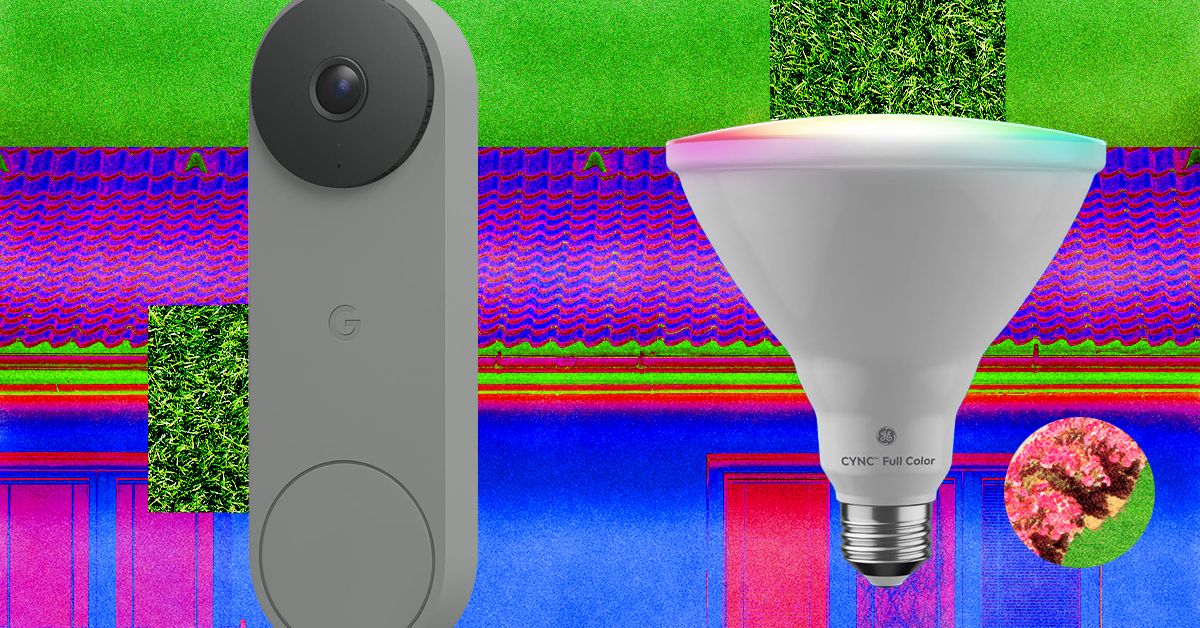
I tried the battery version, which does require you recharge it every couple of weeks, but the wired-in version is the top recommendation on our guide to the Best Video Doorbells.
A Better Birdhouse
I had a new-to-me problem this spring: bird invasion. A little bird made a nest in my front-door wreath without us noticing. One evening, my sister opened the door, and the bird flew out of the nest and straight into our house. After a 30-minute battle to get it outside again (and keep my cat from eating it), it wasn’t until we saw the bird fly off the door again the next day that we realized it was calling our home its home, too.
If this is a common problem at your house, our resident bird-gear tester Kat Merck has a solution: a smart nesting box. Birdfy makes a few different smart bird feeders we like for bird-watching, and the Nest Duo is a birdhouse that lets you watch the birds while they nest inside of it. It’s a slim, attractive box that will add to your front yard’s style while also packing two solar-powered cameras (one facing the entrance, one focused inside) so you can bird-watch from multiple angles. It comes with different hole sizes to appeal to different species, metal predator guards to prevent chewing around the hole, and a remote control to reset or recharge the camera without disturbing your feathered neighbors.
Stylish Smart Lights

Govee
Outdoor Clear Bulb String Lights
I’ve liked Govee’s smart outdoor string lights before, usually for my holiday decor, and have previously recommended something similar with a bistro-light-like look that happened to be smart. These clear bulb string lights are part of Govee’s current lineup and have a contemporary twist with a triangle in the center instead of the wire filament. These are a fun option for outdoor lights you can enjoy on warm nights, and they can do every color and shade of white without looking as bulky as permanent outdoor lights. (Added bonus, these lights are also Matter compatible!)
Fresh Bulbs

Cync
Smart LED Light Bulb, PAR38
If you have light fixtures you want to remote-control, add an outdoor smart bulb. There are tons to choose from, and you can usually find one from any brand you already have at home. The only downside is that outdoor-rated smart bulbs are usually 4.75-inch-diameter PAR38-style bulbs, so they’re best for downward-facing floodlights on your porch or balcony. They’ll likely be too big to fit in a wall fixture as a replacement for a normal-sized bulb. Don’t just grab any smart bulb—not all are outdoor-rated. Check for mentions of outdoor use and waterproof ratings to make sure they’re safe to use. I’m a big fan of Cync bulbs, and the brand has an outdoor version of the Cync Full Color bulbs I like to use indoors. You’ll be able to add fun colors as well as shades of white, so you can turn the porch a spooky orange or red for Halloween, pink for Valentine’s Day, or the colors of your favorite sports team on game day.
Remote-Controlled Garage
If your garage is the centerpiece of your home’s curb appeal, you can control it as easily as a smart door by adding a smart controller. You can do two different styles: I have the Chamberlain MyQ professionally installed smart garage opener, which means the device that controls my garage has these smarts built into it (plus a camera, but I find it doesn’t work great with how far the device is from my Wi-Fi router), or you can get a smart garage controller that can add smart features onto an existing garage door. Both let you check whether the garage is open or closed and operate it remotely, and you can add a video keypad that doubles as a video doorbell and can let you open or close the garage without your phone.
Smart Shades
The front of my home faces west, so it’s absolutely baking at the end of the day. What I need to add are some of our favorite smart shades to automate closing the shades on that side of the house at the right time of day. These also give your home a nice, cohesive look and immediate, controllable privacy from the outside world. WIRED reviewer Simon Hill recommends the SmartWings shades as his top picks, and Lutron’s Caseta shades if you’re looking for a more upgraded look.
Invisible Swaps
Looking to add some smarts without touching your existing setup? These switch-ups can make your front door and yard smart without being visible.
Power up with unlimited access to WIRED. Get best-in-class reporting and exclusive subscriber content that’s too important to ignore. Subscribe Today.

April might be springtime in the northern hemisphere, but some of the best streaming services seem to think it’s the perfect time for a dry run of spooky season. How else to explain the arrival of some exquisitely dark slices of horror, like 28 Days Later: The Bone Temple arriving on Netflix, Weapons coming to Prime Video, or Shelby Oaks landing on Hulu? If you prefer your off-season Halloween viewing to be in the vein of campy B movies rather than serious scares though, horror specialist Shudder has you covered with Deathstalker, a gloriously cheesy reboot of a near-forgotten ’80s series.
Reality is often scarier than fiction though, as shown by Louis Theroux’s Inside the Manosphere—his first documentary film with Netflix, exploring the dark side of social media and the world of toxic male influencers. (Be sure to read our interview with the filmmaker.) And if the thought of that leaves you wanting something a bit more wholesome to watch, thankfully Zootopia 2 has popped up on Disney+—and there’s even a rabbit in that, for some appropriately springtime imagery.
Here are WIRED’s picks of the best movies to watch right now.
28 Years Later: The Bone Temple
The fourth film in the long-running postapocalyptic horror series switches focus from rampaging rage zombies to a more dangerous threat: humans. OK, OK, “people are the real monsters” isn’t a hot take for the genre, but The Bone Temple offers a unique twist, with 28 Years Later survivor Spike (Alfie Williams) trapped in the company of a murderous gang led by deranged satanist “Sir Lord” Jimmy Crystal (Sinners’ Jack O’Connell). The villain is modeled on disgraced British TV presenter Jimmy Savile, whose sexual abuse crimes hadn’t been revealed by the time of the initial outbreak in 28 Days Later, adding a dash of real-world terror.
As the group stalks what remains of the English countryside, Spike’s only hope might be Dr. Ian Kelson (Ralph Fiennes), whose experiments on curing alpha zombie Samson (Chi Lewis-Parry) might hold humanity’s last hope. Although best watched back to back with its predecessor for the full, horrifying picture, director Nia DaCosta’s chapter stands on its own—and earns bonus points for one of the best uses of Iron Maiden’s “Number of the Beast” in film history.
Louis Theroux: Inside the Manosphere
It’s the silence that does the trick; British documentarian Louis Theroux always knows when not to speak and instead let his subject expose themselves for the world to see. It’s a masterful technique whether Theroux is investigating the Westboro Baptist Church or UFO conspiracy theorists, but it is rarely put to better use than in his latest outing: exploring the online “manosphere” subculture of self-appointed “alphas” offering toxic advice on how to be a “real man.” Speaking with key figures in the loosely defined movement, Theroux’s mild-mannered approach often leaves them to do most of the talking, exposing shockingly misogynistic and extremist views. Even more distressing? The quiet revelation that for many of them their performative masculinity is all just one big grift, and how they rationalize the harm they cause in pursuit of a payout. Depressing but compelling viewing—not all men, but definitely all of these men.
Crime 101
Jewel thief Mike (Chris Hemsworth) is the best in the business, a meticulous planner who pulls off his heists without leaving a shred of evidence—much to the consternation of LAPD detective Lou Lubesnick (Mark Ruffalo), who doesn’t even know exactly who he’s hunting for a string of thefts. Elsewhere in the City of Angels, Sharon (Halle Berry) is an underappreciated VP at an insurance firm, frustrated at being passed over for promotion for years. She’s the perfect insider to help Mike orchestrate an elaborate $11 million diamond heist. But as Lou uncovers evidence connecting to Mike’s past, and the chaotic, violent biker Ormon (Barry Keoghan) aims to take the score for himself, even the most masterful planning can’t prevent everything spiraling dangerously out of control.
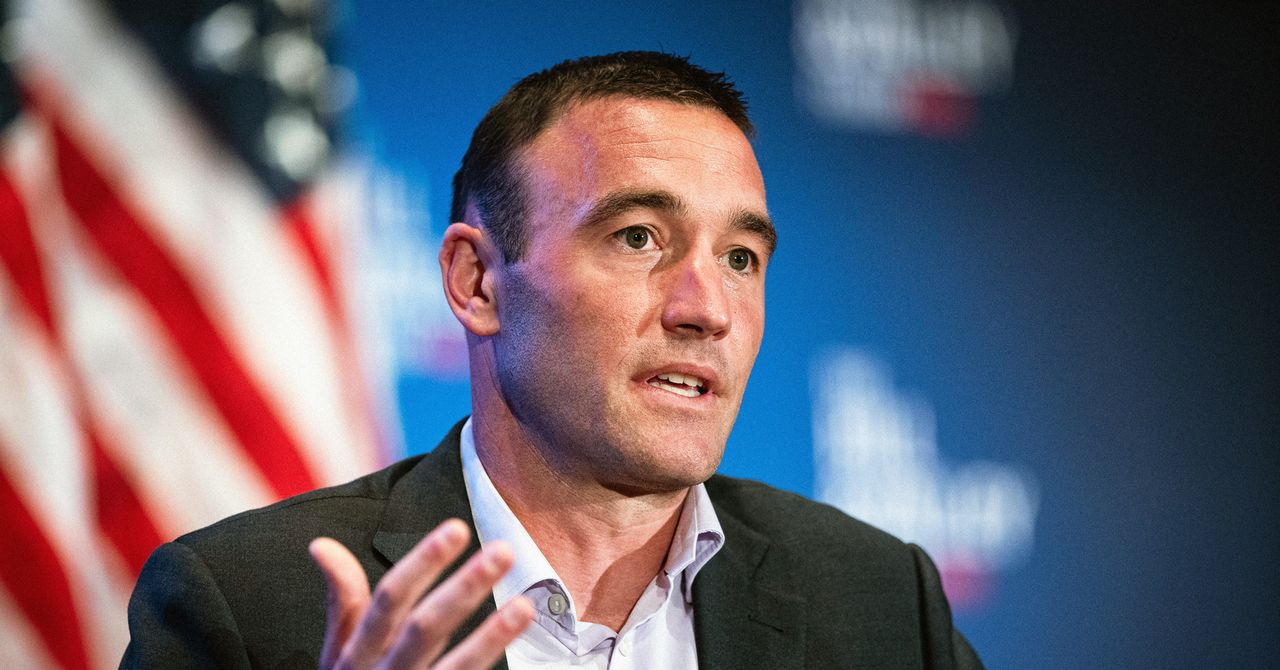
Kevin Weil, OpenAI’s former chief product officer who was recently tapped to build a new AI workspace for scientists, Prism, is leaving the company, WIRED has confirmed. Weil was previously an early executive leading product at Instagram.
OpenAI is also sunsetting Prism, which the company launched as a web app in January this year to give scientists a better way to work with AI. The company is folding the roughly 10-person team behind it into Thibault Sottiaux’s Codex team. An OpenAI spokesperson confirmed the changes, and tells WIRED this is part of the company’s effort to unify its business and product strategy. OpenAI has broader ambitions to turn Codex, its AI coding application, into an “everything app.”
Weil, who joined OpenAI in June 2024, announced last September that he would be starting a new initiative inside of the company called “OpenAI for Science.” Now, OpenAI is dispersing those employees throughout the company’s product, research, and infrastructure teams. An OpenAI spokesperson reiterated the company’s commitment to accelerating scientific discovery, and says it’s one of the clearest ways AI can benefit humanity.
OpenAI is currently trying to refocus the company around a few key areas, such as enterprise offerings and coding. Last month, OpenAI’s CEO of AGI deployment Fidji Simo told staff that the company needs to simplify its product offerings. The push to divert resources to more consequential efforts resulted in OpenAI discontinuing its Sora video-generation app.
This is a developing story. Please check back for updates.


Jacob Elordi spotted calling someone special amid Kendall Jenner rumours

King Charles shatters Prince Harry’s hope of face-to-face meeting

Iran navy ready to inflict ‘new bitter defeats’ on enemies: Mojtaba Khamenei

-

 Politics1 week ago
Indian airlines hit hardest after Dubai limits foreign flights until May 31
-

 Entertainment6 days ago
Palace left in shock as Prince William cancels grand ceremony
-

 Politics1 week ago
Chinese, Taiwanese will unite, Xi tells Taiwan opposition leader
-

 Sports5 days ago
The case for Man United’s Fernandes as Premier League’s best
-
 Business5 days ago
UK could adopt EU single market rules under new legislation
-

 Entertainment1 week ago
Dua Lipa hits major career high ahead of wedding with Callum Turner
-
 Business1 week ago
The FAA wants gamers to apply for air traffic control jobs
-

 Sports1 week ago
Lamar Jackson hits back at critics with faithful message on social media