

Business
Stocks fall as selling pressure persists | The Express Tribune

KARACHI:
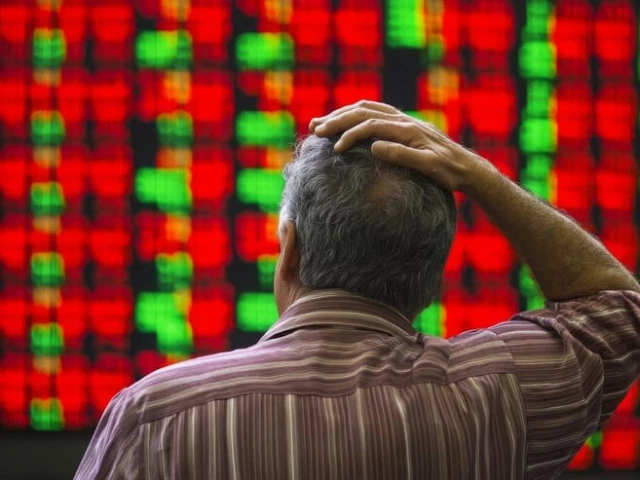
The Pakistan Stock Exchange (PSX) endured another volatile session on Tuesday, where the benchmark KSE-100 index shed 1,579 points, or 0.94%. After opening on a positive note, the index touched the intra-day high of 168,519, but selling pressure emerged immediately, dragging the market down.
The index hit the intra-day low of 165,997 towards the end of trading. Tuesday’s decline marked the second consecutive session of losses, following a 0.73% drop on Monday. Despite early optimism, investors remained cautious, leading to profit-taking in key sectors. The index appears to be in a consolidation phase, hovering around key support zones.
Arif Habib Limited (AHL) remarked that selling pressure persisted for the second session, when the KSE-100 traded down to Monday’s low of 166k. Some 26 shares rose while 73 fell with HBL (+3.56%), Engro Fertilisers (+1.54%) and Askari Bank (+3.85%) contributing the most to index gains. On the flip side, Hub Power (-3.75%), Engro Holdings (-2.7%) and Lucky Cement (-3.09%) were the biggest drags, it said.
Among economic news, AHL mentioned, the State Bank of Pakistan (SBP) governor sees inflation holding steady, although further interest rate cuts will depend on the impact of recent floods and the outcome of ongoing International Monetary Fund (IMF) review. For the index, 166k is emerging as a key level and it will need to immediately regain 167.2k to target the 170k mark, AHL added.
KTrade Securities, in its market wrap, noted that the PSX concluded another volatile session in negative territory as the benchmark KSE-100 index lost 1,579 points (-0.94%) to close at 166,174. The decline was driven by rising geopolitical tensions with India and ongoing economic concerns, particularly in the context of IMF review and fiscal scrutiny.
Heavyweight stocks from sectors such as power, energy, cement, fertiliser and oil & gas exploration were among the major contributors to the downside. Despite the market-wide sell-off, investor sentiment remained cautiously optimistic, with many participants staying engaged in anticipation of clarity on macroeconomic developments, KTrade said.
Topline Securities commented that following Monday’s downbeat momentum, bears kept their firm control in Tuesday’s session as well. The KSE-100 index opened on a positive note, with bulls charging ahead to push the market up by 766 points. However, the optimism was short-lived as selling pressure intensified midway through the day.
The index nosedived to the intra-day low of 1,755 points before eventually settling at 166,174, down 1,579 points. It attributed the negative close mainly to heavy profit-taking by local institutions, which overshadowed early gains and dragged the market into the red.
The decline was driven by losses in Hub Power, Engro Holdings, Lucky Cement, Mari Energies and UBL, which pulled the index down by 986 points. Partial support came from HBL, Engro Fertilisers, Askari Bank and Allied Bank, which contributed 380 points, Topline stated. JS Global analyst Mohammed Waqar Iqbal said that the benchmark index remained under pressure and faced volatility as profit-taking continued to impact the market.
Overall trading volumes slightly decreased to 1.266 billion shares from Monday’s tally of 1.274 billion. The value of shares traded stood at Rs54.2 billion. The PSX announced on X that on Tuesday, 54% of the total traded value was in Shariah-compliant stocks.
Shares of 487 companies were traded. Of these, 183 closed higher, 267 fell and 37 remained unchanged.
PTCL was the volume leader with trading in 180.6 million shares, falling Rs0.27 to close at Rs31.14. It was followed by The Bank of Punjab with 134.7 million shares, rising Rs0.62 to close at Rs35.08 and Cnergyico PK with 90.7 million shares, edging down Rs0.03 to close at Rs8.76. Foreign investors sold shares worth Rs614 million, the National Clearing Company reported.


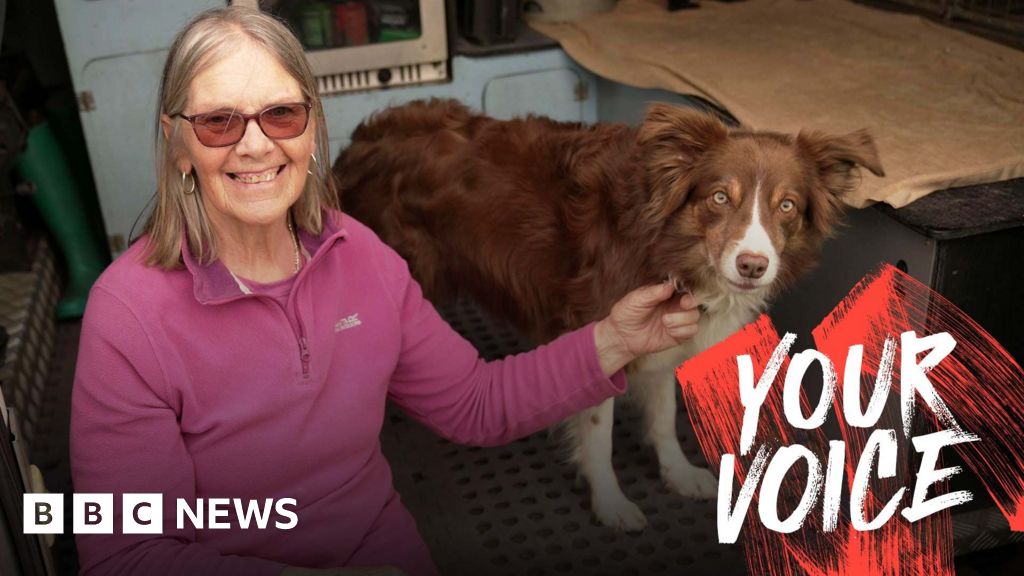
Tesco Pet Insurance, who provided the cover, says “the cost of claims is one of a number of factors that can affect the price of a policy at renewal” and also noted Tilly’s age had been reflected in the quote. It says the couple had a more comprehensive policy, which typically costs more than basic levels of cover, and that alternative options were presented to Fawcett and Neild.
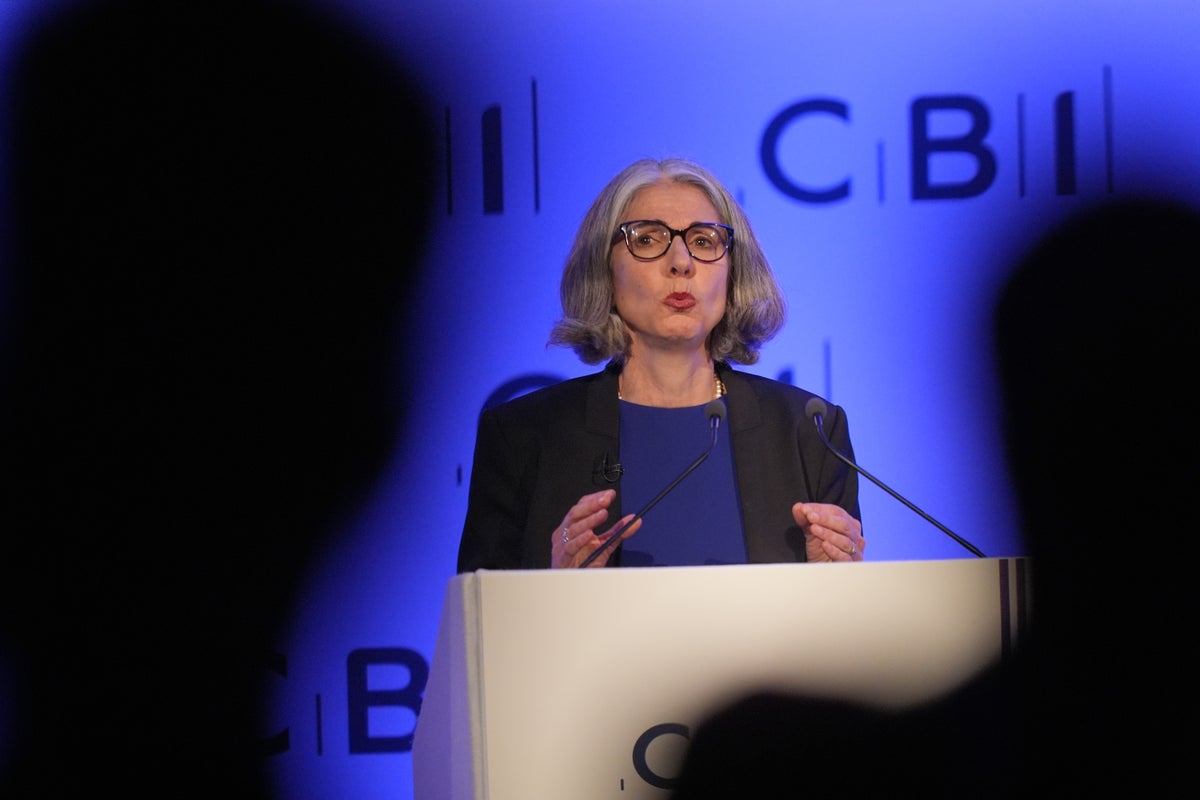
The UK must not “cut ourselves off” from trade opportunities in China despite security and business risks, the head of the Confederation for British Industry has warned.
CBI chief Rain Newton-Smith highlighted that British businesses see increased trade with Chinese firms as an opportunity to drive growth.
Her remarks came as business leaders were questioned by MPs on Parliament’s Business and Trade Select Committee regarding the UK’s economic relationship with China.
Last December, Prime Minister Sir Keir Starmer admitted China poses security threats to the UK but urged for greater business ties.
Ms Newton-Smith, chief executive of one of the UK’s largest business groups, was positive about the Government’s engagement with China.
“You can’t have a growth strategy without a strategy for China,” she said.
“China has the biggest contribution to global growth, is the third largest trading partner, and the world’s largest consumer market.
“The UK is second largest exporter of trade and services.
“We are mindful as all businesses are of security risks but it is really important that we have a strategy towards China.
“This Government has increased the economic engagement with China and including business within this does help us as a country.”
She added: “If we think about the future economy, there is a huge market in China and I think we mustn’t cut ourselves off from some of the opportunities there, even if in some areas there are difficult conversations and negotiations that need to be had.”
Peter Burnett, chief executive of the China-Britain Business Council, told the committee: “There are risks associated with technology advancement, AI, industrial development that they need to assess.
“Increasingly you will find them saying that they need to engage more in China to understand those risks and to develop some of the technologies along some of those risks themselves.”
Business
Trump says he’d be disappointed if Fed pick doesn’t cut rates; Warsh vows to be ‘independent actor’ – The Times of India
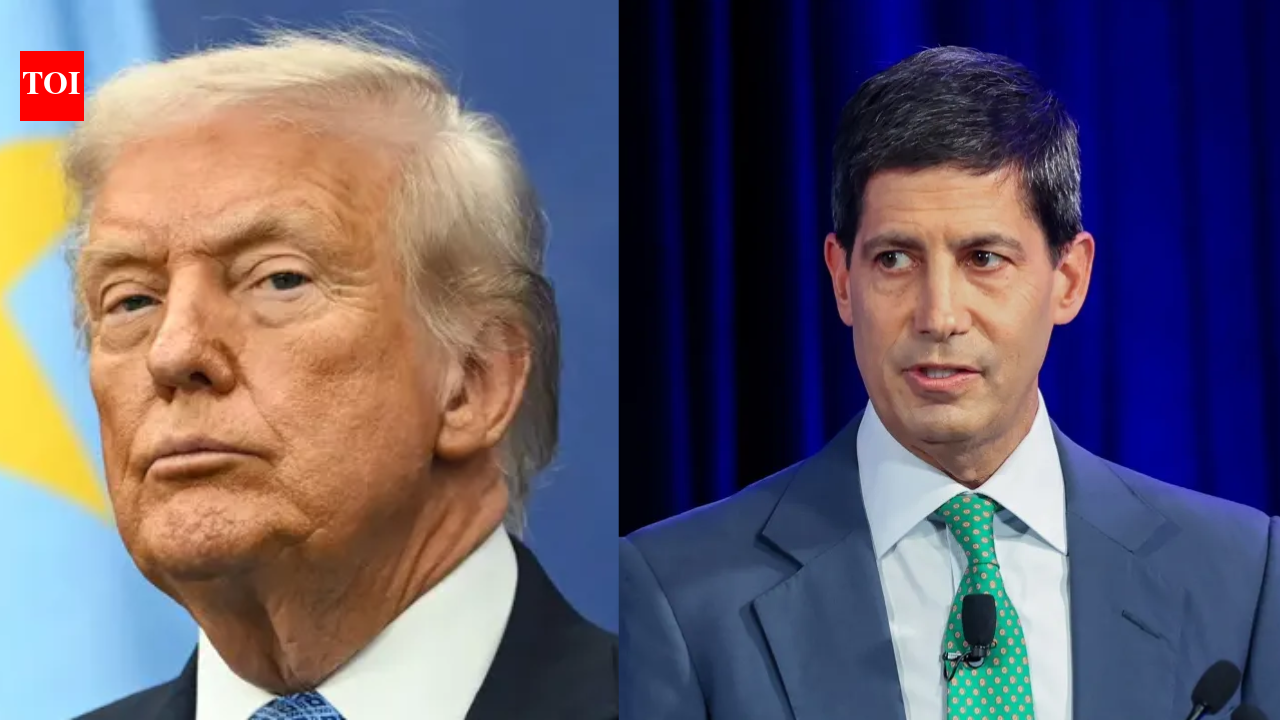
US President Donald Trump on Tuesday said he would be disappointed if his nominee for Federal Reserve chair, Kevin Warsh, does not cut interest rates right away after taking office if confirmed by the Senate. Trump, during an interview with CNBC’s “Squawk Box,” also said “we have to find out” about the construction costs of the new Federal Reserve building.Warsh, a former Federal Reserve official and financier, is currently facing Senate confirmation hearings where he has stressed his independence from political pressure.“The president never once asked me to commit to any particular interest rate decision, and nor would I agree to it if he had,” Kevin Warsh said under questioning by the Senate Banking Committee, as quoted by LA Times. “I will be an independent actor if confirmed as chair of the Federal Reserve.”Warsh told lawmakers that fighting inflation would be one of his main priorities if confirmed.“Congress tasked the Fed with the mission to ensure price stability, without excuse or equivocation, argument or anguish,” Warsh said. “Inflation is a choice, and the Fed must take responsibility for it.”The comments come as investors closely watch his confirmation hearing, with inflation remaining at 3.3% annually and global tensions, including the war in Iran pushing up gas prices, adding pressure on the economy. Higher inflation typically leads the Federal Reserve to keep interest rates steady or raise them rather than cut them, as rate changes affect mortgages, auto loans, and business borrowing.Democrats on the Senate Banking Committee accused Warsh of shifting his stance on interest rates over time, supporting higher rates under Democratic presidents and lower rates during Trump’s presidency.Warsh, if confirmed, would take over at a time when inflation pressures make it difficult for the Federal Reserve to cut rates, even as Trump continues to push for lower borrowing costs. Trump has repeatedly urged rate cuts and has long clashed with current Fed chair Jerome Powell over monetary policy. Powell has also been the subject of a Department of Justice criminal probe after refusing Trump’s requests for faster rate cuts. Trump told CNBC that he does not plan to pressure the Justice Department to end that probe.


Trump repeats call for Congress to rein in college sports
I was left with an £8,000 vet bill when my insurer cancelled my pet policy

Reese Witherspoon breaks silence after AI support controversy

-

 Fashion6 days ago
France’s LVMH Q1 revenue falls 6%, shows resilience amid Iran war
-

 Sports1 week ago
The case for Man United’s Fernandes as Premier League’s best
-

 Entertainment1 week ago
Palace left in shock as Prince William cancels grand ceremony
-
 Business1 week ago
UK could adopt EU single market rules under new legislation
-

 Entertainment6 days ago
Is Claude down? Here’s why users are seeing errors
-

 Fashion1 week ago
Energy emerges as biggest cost driver in textile margins
-
 Business1 week ago
Delta Air Lines unveils first new Delta One suite in premium cabin arms race
-
 Fashion1 week ago
Asia claims largest share of markets on Kearney FDI Confidence Index