

Fashion
India’s manmade yarn trade slows ahead of Diwali; PC yarn slips


In Ludhiana, polyester-cotton carded yarn eased by ****;* per kg as the loom sector slowed fabric production, while other PC and polyester yarn varieties traded steadily. A Ludhiana trader told Fibre*Fashion, “Demand for PC and polyester yarn slowed ahead of the festival, causing a ****;* per kg loss in PC carded yarn. Falling polyester and cotton fibre prices also prompted mills to reduce rates.” However, recycled polyester fibre rose by ****;* per kg as manufacturers passed on higher production costs, with dearer PET bottles driving up fibre prices.
In Ludhiana, ** count PC combed yarn (**/**) traded at ****;***–*** (~$*.**–*.**) per kg (GST inclusive); ** count PC carded yarn (**/**) at ****;***–*** (~$*.**–*.**) per kg (GST inclusive); ** recycled polyester yarn at ****;***–*** (~$*.**–*.**) per kg (GST extra); ** count virgin polyester spun at ****;***–*** (~$*.**–*.**) per kg (GST inclusive); recycled polyester fibre (PET bottle fibre) at ****;**–** (~$*.**–*.**) per kg and virgin polyester fibre at ****;**.** (~$*.**) per kg, according to market sources.









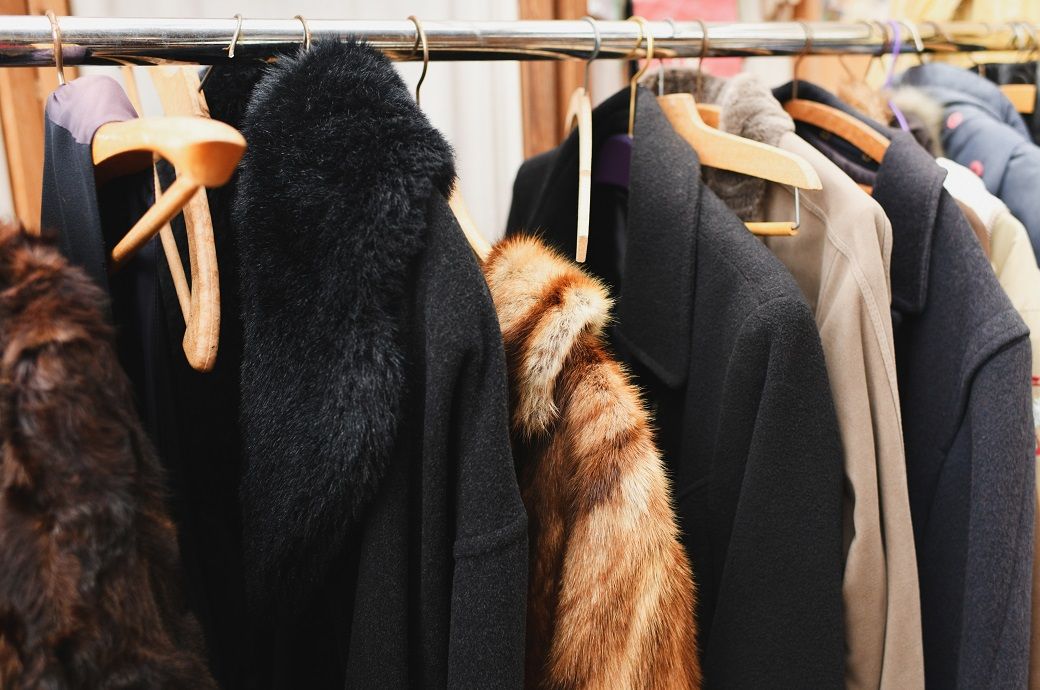
Italy’s apparel exports declined **.** per cent year on year to $*,***.** million in January ****, down from $*,***.** million in January ****. Imports also fell **.** per cent to $***.** million, compared to $*,***.** million a year earlier, indicating a broad-based slowdown in trade flows at the start of the year, according to *fashion.com/market-intelligence/texpro-textile-and-apparel/” target=”_blank”>sourcing intelligence tool TexPro.
The January contraction comes amid a broader environment of cautious retail demand and tighter inventory management across Europe. Nevertheless, the strong full-year **** figures indicate that Italy’s apparel sector continues to maintain stable trade fundamentals, supported by diversified export markets and a balanced sourcing network.
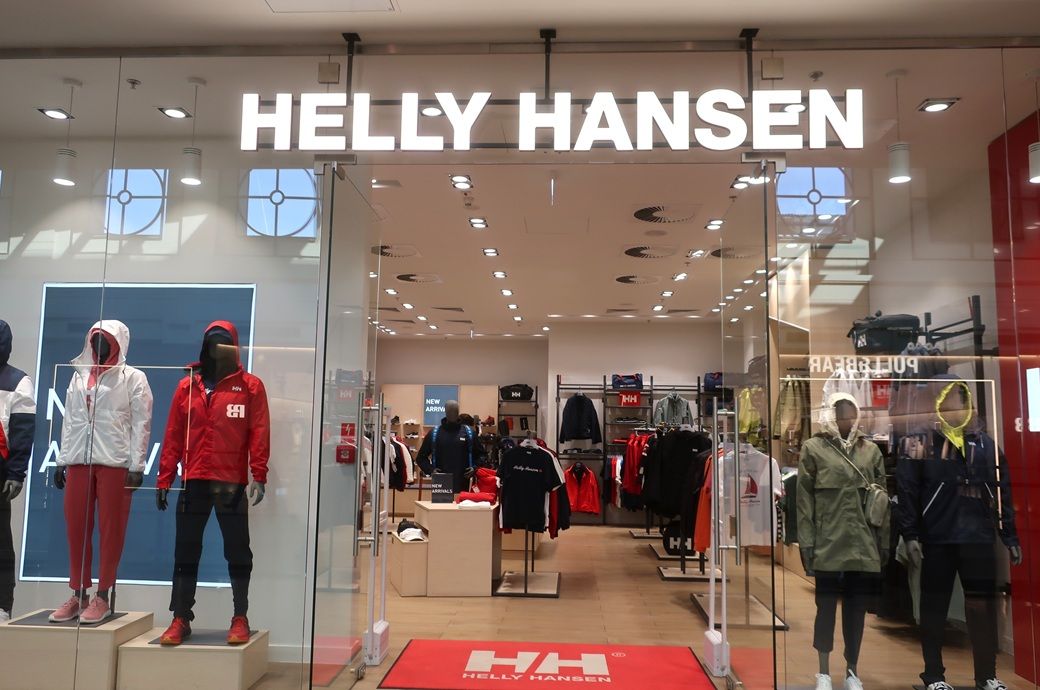
“We are thrilled to welcome Erinn Murphy to Kontoor Brands,” said executive vice president, chief financial officer & global head of operations, Joe Alkire. “Having led investor relations and corporate strategy from within a high-growth consumer brand and nearly twenty years of experience covering global lifestyle brands as a respected senior equity analyst, she understands what drives long-term value creation from every angle. Her perspective will expand the operational and strategic depth of the Helly Hansen leadership team as we focus on accelerating growth and expanding the brand’s global reach, while also strengthening how Kontoor engages with the investment community.”
Kontoor Brands has named Erinn Murphy VP, global head of finance & operations for Helly Hansen and Corporate Investor Relations, starting May in Oslo.
She joins from Crocs, Inc., bringing nearly two decades of experience across investor relations, strategy and equity research.
Michael Karapetian will expand his role and return in Q3 2026 to support transition and investor engagement.
Murphy joins Kontoor from Crocs, Inc., a global leader in innovative casual footwear, where she served as Senior Vice President, Investor Relations and Corporate Strategy. Prior to that, she served as Managing Director of Consumer Equity Capital Markets for leading investment bank, Piper Sandler. She was recently appointed as a member of the board of directors for Revolve Group, Inc. (NYSE: RVLV).
Murphy’s appointment coincides with an expanded role for Michael Karapetian, who will serve as Vice President, Global Brand & Operations Finance and Corporate Investor Relations, with responsibility for all aspects of global brand and supply chain finance and corporate investor relations. Karapetian will return from his international assignment at Helly Hansen in the third quarter of 2026 to allow for a transition period.
Note: The headline, insights, and image of this press release may have been refined by the Fibre2Fashion staff; the rest of the content remains unchanged.
Fibre2Fashion News Desk (RM)
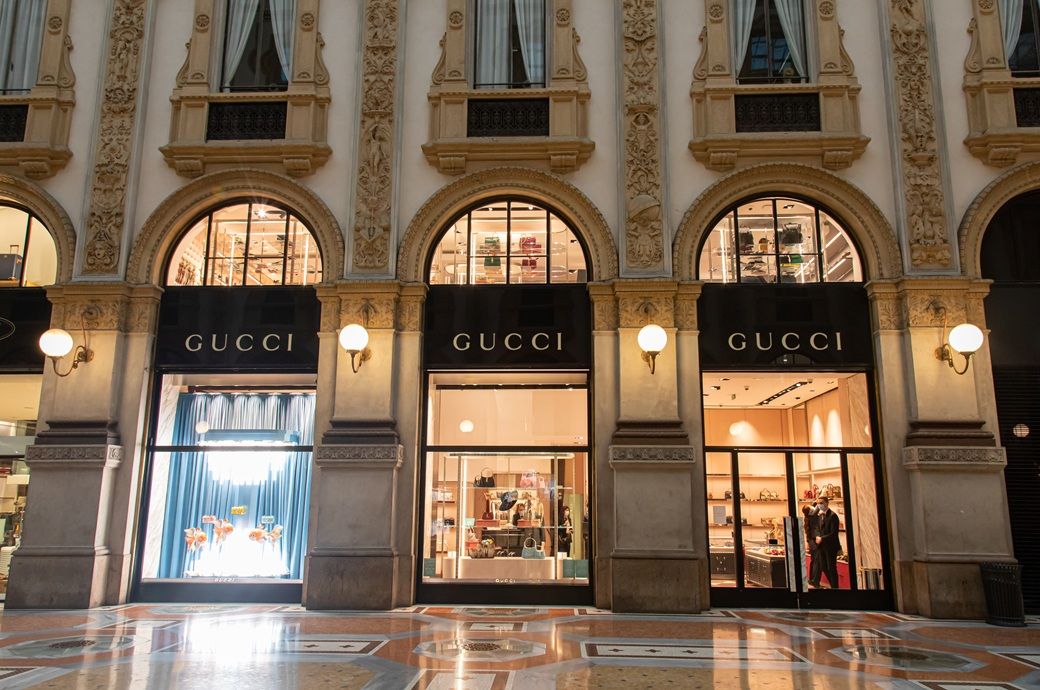
The group reported first-quarter (Q1) 2026 revenue of €3,568 million (~$4,210.24 million), down 6 per cent year-over-year (YoY) on a reported basis but stable on a comparable basis, signalling early signs of recovery despite geopolitical pressures.
Kering’s Q1 2026 revenue reached €3,568 million (~$4,210.24 million), down 6 per cent YoY but stable comparably, signalling early recovery.
Retail fell 2 per cent, while wholesale rose 6 per cent.
Fashion & Leather Goods sales went down 9 per cent.
Gucci declined 14 per cent to €1,347 million (~$1,589.46 million).
Middle East retail dropped 11 per cent, contributing 5 per cent of sales.
“In the first quarter of 2026, group revenue stabilised, marking an important first step in our recovery and a further sequential improvement. This performance reflects the first tangible effects of our actions, despite a challenging geopolitical environment,” said Luca de Meo, CEO of Kering.
Retail sales, including e-commerce, declined 2 per cent on a comparable basis, reflecting uneven regional demand. Wholesale revenue rose 6 per cent, Kering said in a press release.
Kering’s Fashion & Leather Goods posted a revenue of €2,852 million, down 9 per cent reported and 3 per cent comparable. Direct retail sales fell 4 per cent. Growth was driven by Saint Laurent, Bottega Veneta, Balenciaga and Brioni, particularly in North America.
Saint Laurent saw strong traction in shoes and ready-to-wear, while Bottega Veneta performed well in Asia-Pacific. Balenciaga continued to benefit from leather goods demand, and Brioni maintained positive momentum. Wholesale revenue for the segment increased 2 per cent.
Gucci posted €1,347 million (~$1,589.46 million) in revenue, down 14 per cent reported and 8 per cent comparable. Retail sales declined 9 per cent. North America grew 8 per cent, but this was offset by declines in Asia-Pacific and Western Europe.
“Gucci remains our top priority. A comprehensive turnaround is underway, with decisive actions across client, distribution and, above all, the offer,” added de Meo. “We have reset the product architecture and strengthened category focus, with new collections rolling out progressively in stores throughout the year.”
Regionally, the Middle East remains a key area of focus, contributing around 5 per cent of retail revenue. The Group operates 79 stores and employs approximately 1,100 people in the region. Retail revenue there declined 11 per cent in Q1 following earlier growth, amid geopolitical tensions. However, all stores are currently operational.
Kering continued to strengthen its operational structure and growth platforms during the quarter.
“The first quarter of 2026 marked continued progress, as we executed with pace and focus. We have launched a Group platform designed to support the growth of our Houses and enhance efficiency,” said de Meo.
Kering remains focused on restoring growth and improving margins in 2026 through disciplined execution and strategic repositioning.
Fibre2Fashion News Desk (SG)


Italy’s apparel export-import plunge after positive trend in 2025
Finance ministers and top bankers raise serious concerns about Mythos AI model
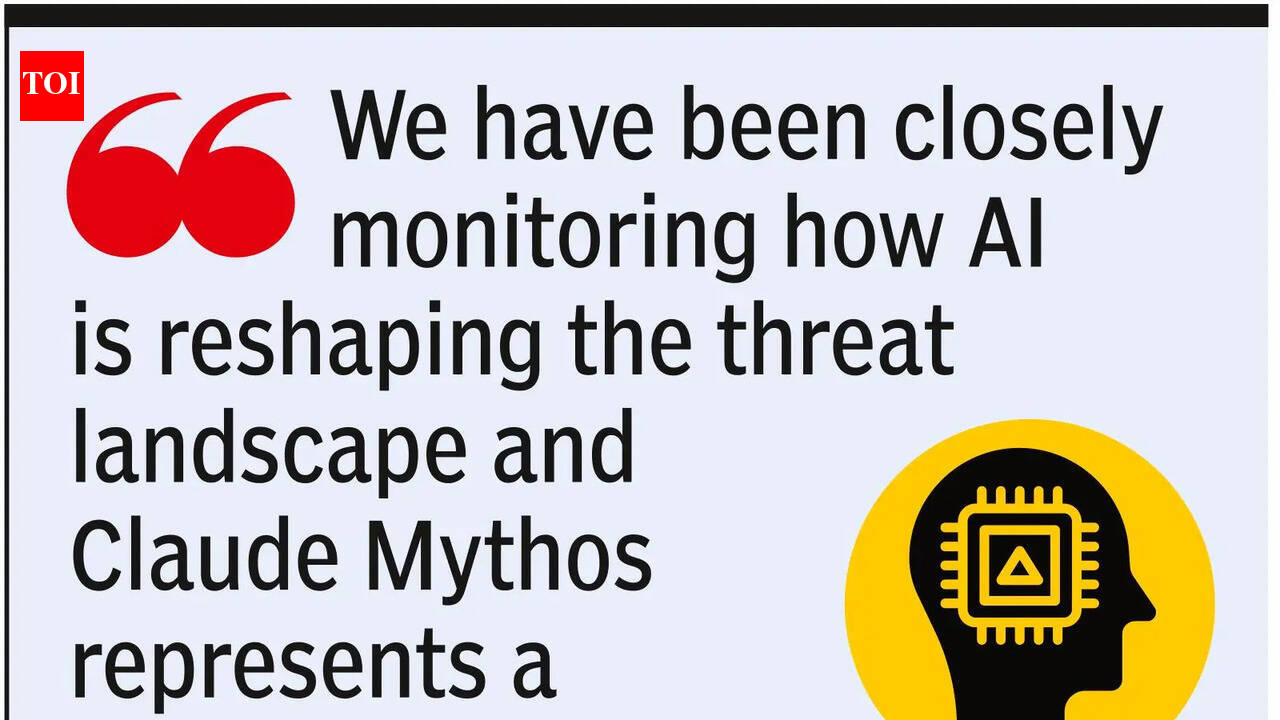
Anthropic’s new AI model exposes fresh risks, flaws for cybersecurity, IT services – The Times of India

-

 Entertainment1 week ago
Queen Elizabeth II emotional message for Archie, Lilibet sparks speculation
-

 Tech1 week ago
Azure customers up in arms over ‘full’ UK South region | Computer Weekly
-

 Tech1 week ago
As the Strait of Hormuz Reopens, Global Shipping Will Take Months to Recover
-

 Fashion1 week ago
CII submits 20-pt agenda to Indian govt to back firms hit by Iran war
-

 Tech1 week ago
This AI Button Wearable From Ex-Apple Engineers Looks Like an iPod Shuffle
-

 Politics7 days ago
Indian airlines hit hardest after Dubai limits foreign flights until May 31
-

 Entertainment4 days ago
Palace left in shock as Prince William cancels grand ceremony
-
Uncategorized1 week ago
[CinePlex360] Please moderate: “Trump considers