

Business
Donald Trump tariffs: US 40% trans-shipment levy intended for China could end up hitting Asean supply chains including India; Moody’s flags risks – The Times of India

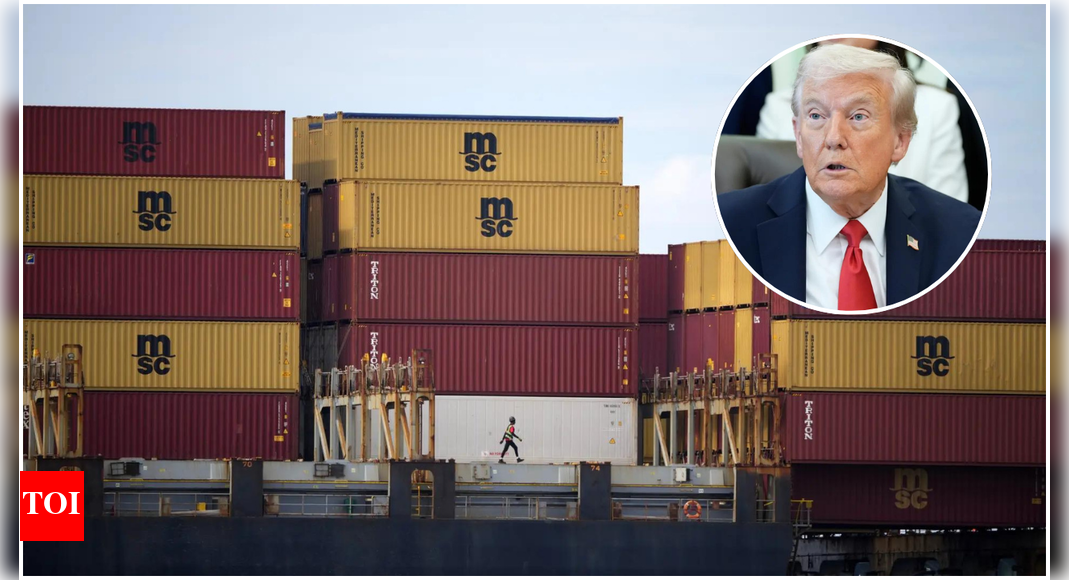
The 40 per cent trans-shipment tariff recently announced by the United States is expected to create significant compliance challenges for companies in India and the ASEAN region, particularly in sectors such as machinery, electrical equipment and semiconductors, Moody’s Ratings said on Tuesday.In July, US President Donald Trump imposed the tariff on goods deemed to have been transshipped, adding to broader country-level tariffs. Moody’s noted that the administration has yet to clarify the precise definition of trans-shipment, though the measures appear aimed at products originating in China and routed through third countries with lower duties, as per news agency PTI.“The lack of clarity around the trans-shipment tariff poses risks to ASEAN economies. If the US maintains a narrow interpretation—targeting only minimally processed Chinese goods re-exported to the US—the impact may be limited. However, a broader approach, covering goods with any significant Chinese input, could damage the Asia-Pacific supply chain,” the report said.Moody’s highlighted that private sector exporters will likely face heightened due diligence and certification requirements, needing to prove “substantial transformation” of goods to avoid penalties. The sectors most exposed include machinery, electrical equipment, semiconductors, and consumer optical products, with trans-shipped goods concentrated in intermediate inputs rather than final consumer items.Trans-shipment, a legal practice involving the transfer of goods through hubs such as ports and rail terminals, supports logistical efficiency and supply chain flexibility. However, it can also be used to obscure product origin to evade tariffs—a concern the US seeks to address with this new measure.While Moody’s indicated that Asean’s manufacturing competitiveness will largely remain intact, noting lower labour costs and ongoing “China+1” diversification strategies, the rating agency warned that the tariff could disrupt regional supply chains and increase operational costs for companies heavily reliant on Chinese inputs.Countries most exposed include Vietnam, Malaysia, and Thailand, given their deep integration with Chinese supply chains, with key sectors facing potential credit pressures spanning electronics, solar energy, automotive, machinery, and semiconductors.India could face similar compliance and operational challenges in sectors such as machinery, electrical equipment and consumer optical products, including semiconductors.The move signals the US administration’s increased scrutiny of global trade flows, especially concerning tariff evasion, and may compel companies to reassess sourcing, certification, and logistical arrangements across Asia-Pacific markets.





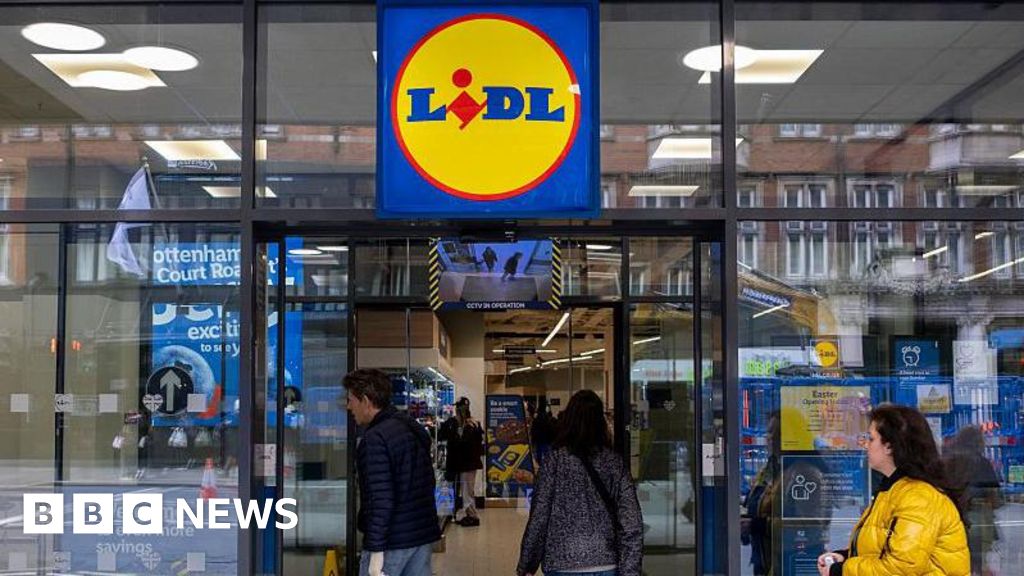
Under the changed system customers collect points rather than reward coupons, with £1 spent equalling one point.
Source link
Business
Sugarcane price hike: Govt raises FRP to Rs 365/quintal for 2026-27, farmers to benefit from higher returns – The Times of India
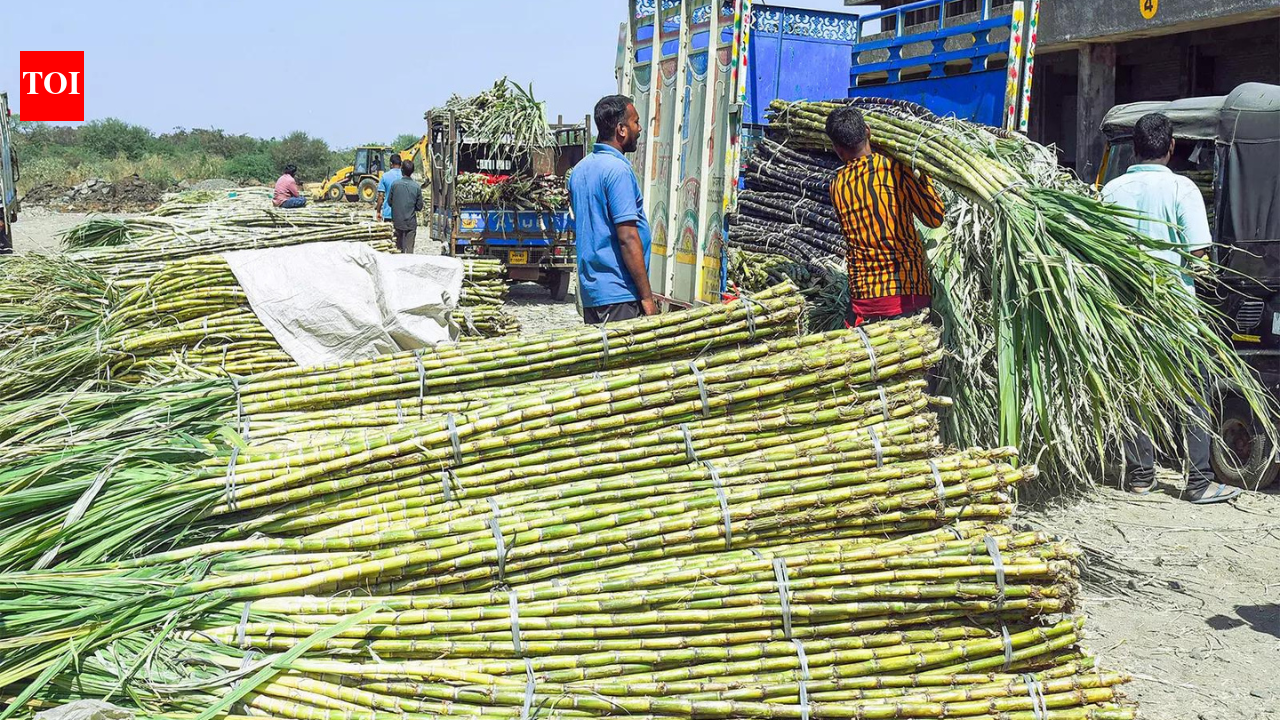
The government has increased the fair and remunerative price (FRP) of sugarcane by Rs 10 to Rs 365 per quintal for the 2026-27 season beginning October, PTI reported.The decision was approved by the Cabinet Committee on Economic Affairs (CCEA), chaired by Prime Minister Narendra Modi.“The FRP will be Rs 365/quintal for a basic recovery rate of 10.25 per cent,” Union Minister Ashwini Vaishnaw said after the meeting.The revised FRP is 2.81 per cent higher than the current rate of Rs 355 per quintal for the 2025-26 season.For every 0.1 per cent increase in sugar recovery above 10.25 per cent, the FRP will rise by Rs 3.56 per quintal, providing an incentive to mills for higher efficiency.To safeguard farmers supplying to mills with lower recovery rates, the government has decided that there will be no deduction in FRP for recovery below 9.5 per cent. In such cases, farmers will receive Rs 338.3 per quintal in the 2026-27 season.The production cost of sugarcane for 2026-27 has been estimated at Rs 182 per quintal, making the FRP 100.5 per cent higher than the cost.“Farmers are expected to get more than Rs 1 lakh crore,” Vaishnaw said.The move is expected to benefit nearly one crore sugarcane farmers, along with farm labourers and workers engaged in sugar mills.The FRP has been fixed based on recommendations of the Commission for Agricultural Costs and Prices (CACP) and consultations with state governments and stakeholders.The sugar sector supports the livelihoods of around five crore farmers and their families, and about five lakh workers directly employed in sugar mills, besides those involved in related activities such as transportation.Sugar mills are required to purchase sugarcane from farmers at the FRP or higher.Vaishnaw said the FRP has been increased every year over the past decade, and the latest revision will also support ethanol production from surplus sugarcane.On cane dues, he said that in the 2024-25 season, about Rs 1,02,209 crore, or nearly 99.5 per cent, of the total payable dues of Rs 1,02,687 crore had been cleared as of April 20, 2026.For the ongoing 2025-26 season, Rs 99,961 crore, or 88.6 per cent, has been paid out of total dues of Rs 1,12,740 crore.
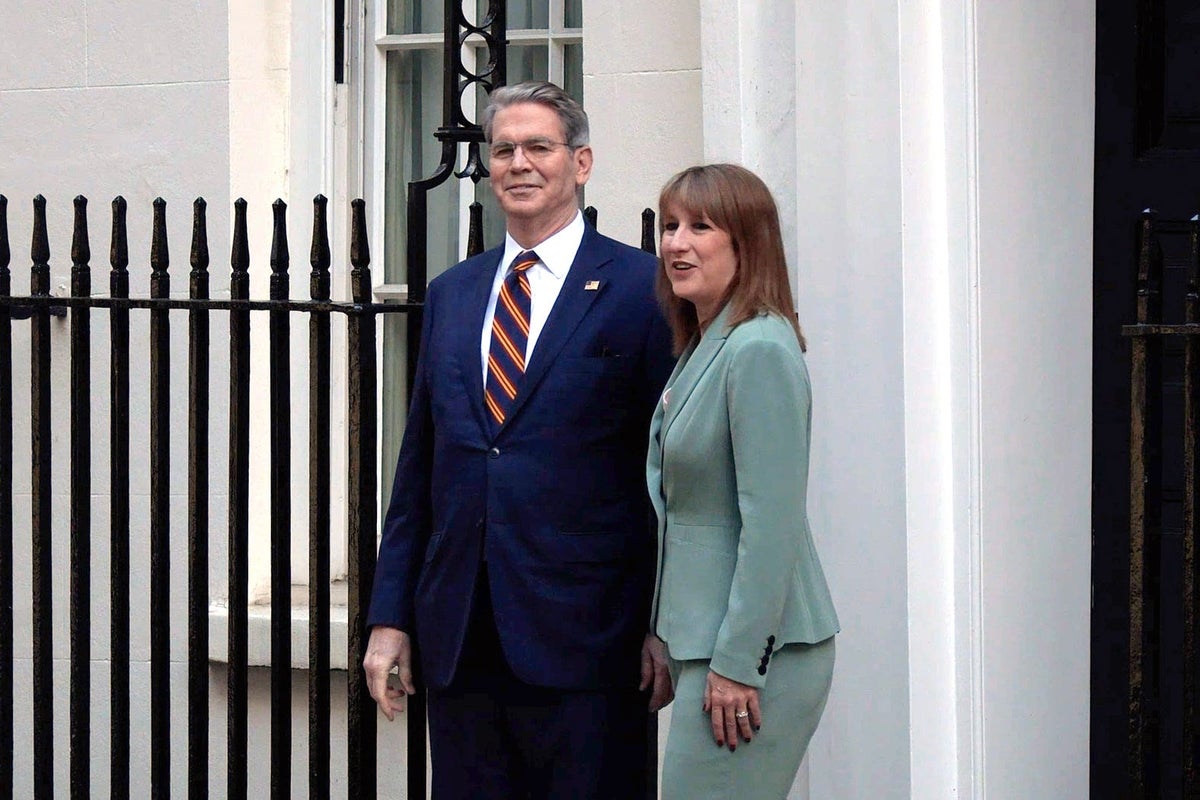
Downing Street would not deny reports that Chancellor Rachel Reeves rowed with her US counterpart during a visit to Washington DC earlier this year.
Ms Reeves had an argument with Scott Bessent when she visited the US capital for the International Monetary Fund’s spring meetings, according to the Financial Times.
The Chancellor publicly criticised the US-led war against Iran before travelling across the Atlantic, prompting Mr Bessent to berate her on the sidelines of the gathering, the newspaper reported.
Ms Reeves reportedly hit back that she did not work for the US treasury secretary, and disliked how he had spoken to her, before reiterating her argument that America lacked clear goals going into the conflict and was not making the world safer.
On Tuesday, the Prime Minister’s official spokesman was asked if he would steer away from the reports, and appeared not to.
He did however insist Ms Reeves and her US counterpart have had “constructive” engagements since the Washington DC visit.
The spokesman said: “We would not get into private conversations. The Chancellor and the US treasury secretary have a good relationship.
“They have had constructive conversations together since the Chancellor’s visits to Washington.
“I think there is a readout from the US Department of Treasury, which made clear the productive nature of their relationship.”
The Chancellor emerged as one of the most outspoken UK Government critics of the US decision to go to war in Iran before travelling to the IMF meetings in April.
At the time, she described the war as a “folly” and said: “This is a war that we did not start. It was a war that we did not want.
“I feel very frustrated and angry that the US went into this war without a clear exit plan, without a clear idea of what they were trying to achieve.”


Oprah’s Book Club: Author Douglas Stuart reads “John of John” excerpt
Lidl’s loyalty card becomes less generous, shoppers say

Pakistan ‘hopeful’ efforts will lead to early resolution of US-Iran conflict: DPM Dar

-

 Tech1 week ago
A Brain Implant for Depression Is About to Be Tested in Humans
-

 Tech1 week ago
Almost 90% of women leave tech industry within 10 years | Computer Weekly
-

 Sports1 week ago
Pro wrestling star Steph De Lander reveals how colleague’s advice helped lead her to title triumph at ACW
-
 Business1 week ago
‘I had £20,000 stolen and had to fight a 13-month fraud reporting rule to get it back’
-

 Entertainment1 week ago
Norway joins Type 26 Frigate Programme to boost NATO naval power
-

 Entertainment1 week ago
Melania Trump says ABC should ‘take a stand’ on late-night host Kimmel
-
 Business6 days ago
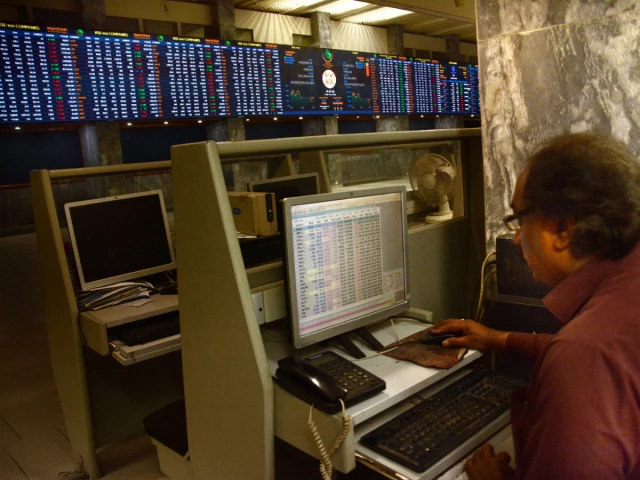
PSX plunges over 4,800 points | The Express Tribune
-

 Tech1 week ago
This Ambitious Laptop Doesn’t Leave Much Room for Your Hands