

Business
Metal Stocks Shine: NALCO, Hindalco Jump Up To 4.5% As Nifty Metal Index Surges 2%

Last Updated:
Shares of metal companies rallied sharply on October 24, defying the broader market downturn

Metal Stocks
Metal Shares Gain: Shares of metal companies rallied sharply on October 24, defying the broader market downturn. The surge pushed the Nifty Metal index up more than 2% to 10,457.40 in early trade before paring some gains to trade 1% higher at 10,359 around noon.
Here are the key factors driving the rally in metal shares:
1. Trump–Xi Meeting Hopes Ease Trade Concerns
Global metal prices surged after the White House confirmed that U.S. President Donald Trump will meet Chinese President Xi Jinping in South Korea on October 30, as part of Trump’s Asia visit.
The announcement came amid renewed trade tensions following Trump’s plan to raise tariffs on Chinese imports to 155%. Investors are now hopeful that the meeting could ease trade hostilities, improving the global demand outlook for metals.
White House Press Secretary Karoline Leavitt said Trump’s itinerary includes stops in Malaysia, Japan, and South Korea, following his address at the APEC CEO Summit.
2. Metal Prices Rise on Tight Supply and Global Stimulus Hopes
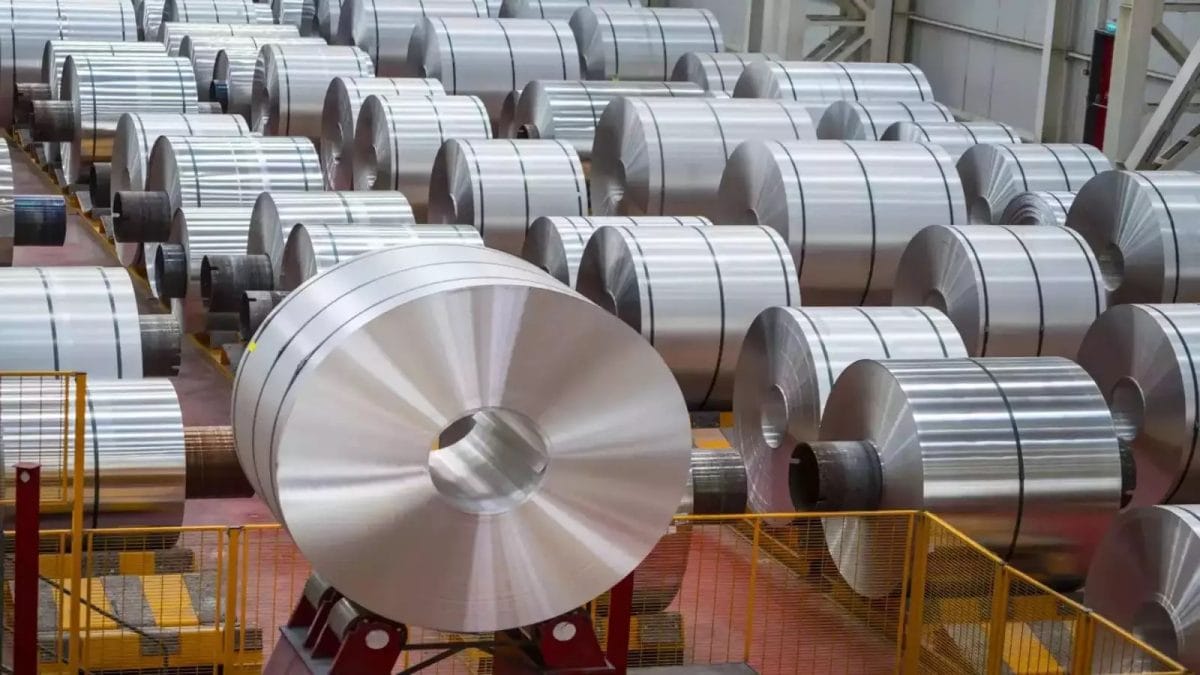
Aluminium prices on the London Metal Exchange (LME) climbed past $2,850 per tonne, supported by strong demand and tightening supply. The rally was further fueled by expectations of monetary easing from major central banks.
Adding to the supply crunch, a smelter in Iceland temporarily shut operations due to equipment failure, likely affecting 100 kt of production. Copper prices also advanced about 2% on the LME.
3. US Fed Rate Cut Expectations Lift Sentiment
Optimism around further rate cuts by the U.S. Federal Reserve added to the positive momentum. According to a Reuters poll, the Fed is expected to cut interest rates by 25 basis points to 3.75–4% on October 29, with another potential cut in December.
Lower rates generally boost non-yielding assets like commodities, supporting investor appetite for metals.
4. Top Metal Gainers
National Aluminium Company (NALCO) shares have gained more than 4 percent, while Hindalco Industries and Hindustan Copper shares have gained more than 3 percent each. Vedanta shares were up nearly 3 percent.
Earlier during the day, Hindalco shares hit a 52-week high of Rs 826.50 apiece. This comes after its subsidiary Novelis said that its fire-damaged plant in Oswego will restart by the end of December, earlier than expected.
Hindustan Zinc shares gained around 2 percent, while NMDC, Jindal Stainless Steel, Steel Authority of India (SAIL) and Jindal Steel and Power shares were up around 1 percent each.
Heavyweights Tata Steel and JSW Steel shares were trading in the green with marginal gains.
Bucking the trend, APL Apollo Tubes, Welspun Corp and Adani Enterprises shares were trading in the red.
Disclaimer: The views and investment tips by experts in this News18.com report are their own and not those of the website or its management. Users are advised to check with certified experts before taking any investment decisions.

Aparna Deb is a Subeditor and writes for the business vertical of News18.com. She has a nose for news that matters. She is inquisitive and curious about things. Among other things, financial markets, economy, a…Read More
Aparna Deb is a Subeditor and writes for the business vertical of News18.com. She has a nose for news that matters. She is inquisitive and curious about things. Among other things, financial markets, economy, a… Read More
October 24, 2025, 13:33 IST
Read More



Heineken has announced a substantial investment exceeding £44 million into hundreds of its pubs across the UK, a move expected to create approximately 850 jobs.
The Dutch brewing giant’s Star Pubs operation, which manages 2,350 sites nationwide, is undertaking this significant financial commitment despite a challenging period for the pub sector.
The industry has faced considerable pressure over the past year, grappling with escalating labour costs and increases in national insurance contributions.
Concurrently, consumer spending has been constrained by concerns over inflation and rising unemployment, further impacting pub revenues. However, pubs did receive additional business rates support from the government last month, aimed at alleviating some of these financial burdens.
Lawson Mountstevens, managing director of Star Pubs, indicated that the investment strategy is partly designed to bolster revenues and help the group navigate the recent “sustained increases in running costs”.
This year, £44.5 million will be allocated to upgrades for 647 pubs. A notable 108 of these venues are earmarked for particularly significant cash injections, with each transformation costing at least £145,000.
Heineken clarified that while the majority of its pubs are group-owned, they are independently operated by local licensees. A key focus for this investment, particularly in the lead-up to the 2026 football World Cup, will be on sports-focused venues.
The pub firm and brewer has a history of significant investment in British pubs, having pumped £328 million into the sector since 2018. Work has already commenced at 52 locations, including eight projects dedicated to reopening boarded-up pubs that have endured lengthy closures.
Mr Mountstevens also urged the government to reduce the tax burden on pubs, arguing it would ease cost pressures and foster further job creation within the industry.
He stated: “We can only do so much; the root-and-branch reform of business rates that the industry has been calling for over many years is urgently required, as well as a lowering of the burden of taxation on pubs, including VAT and beer duty.”
He concluded with a direct appeal: “We are calling on the Government to support us in bringing out the best in the Great British pub.”
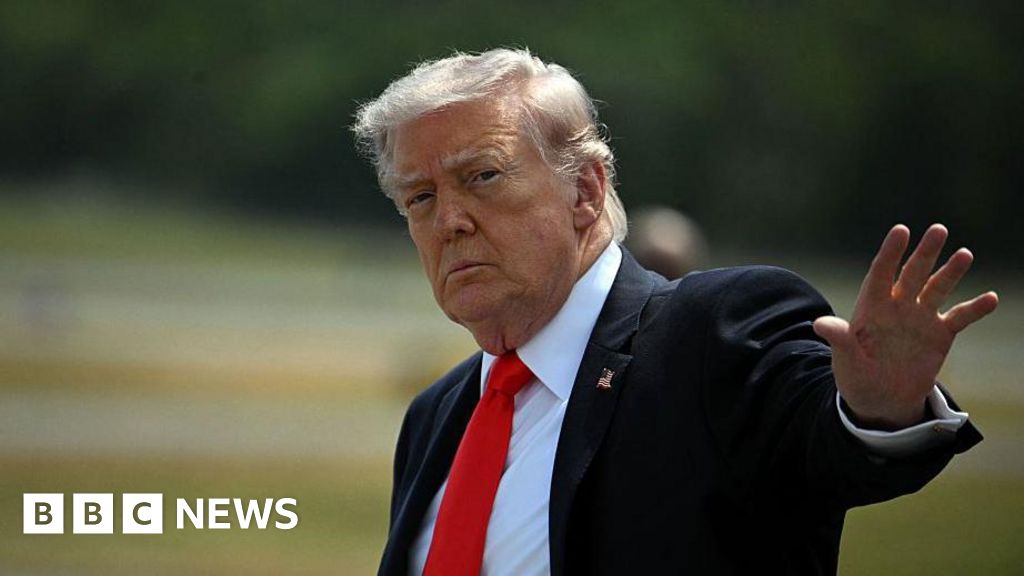
It comes as the US said on Monday it will begin to help “guide” vessels out of the Strait of Hormuz.
Source link
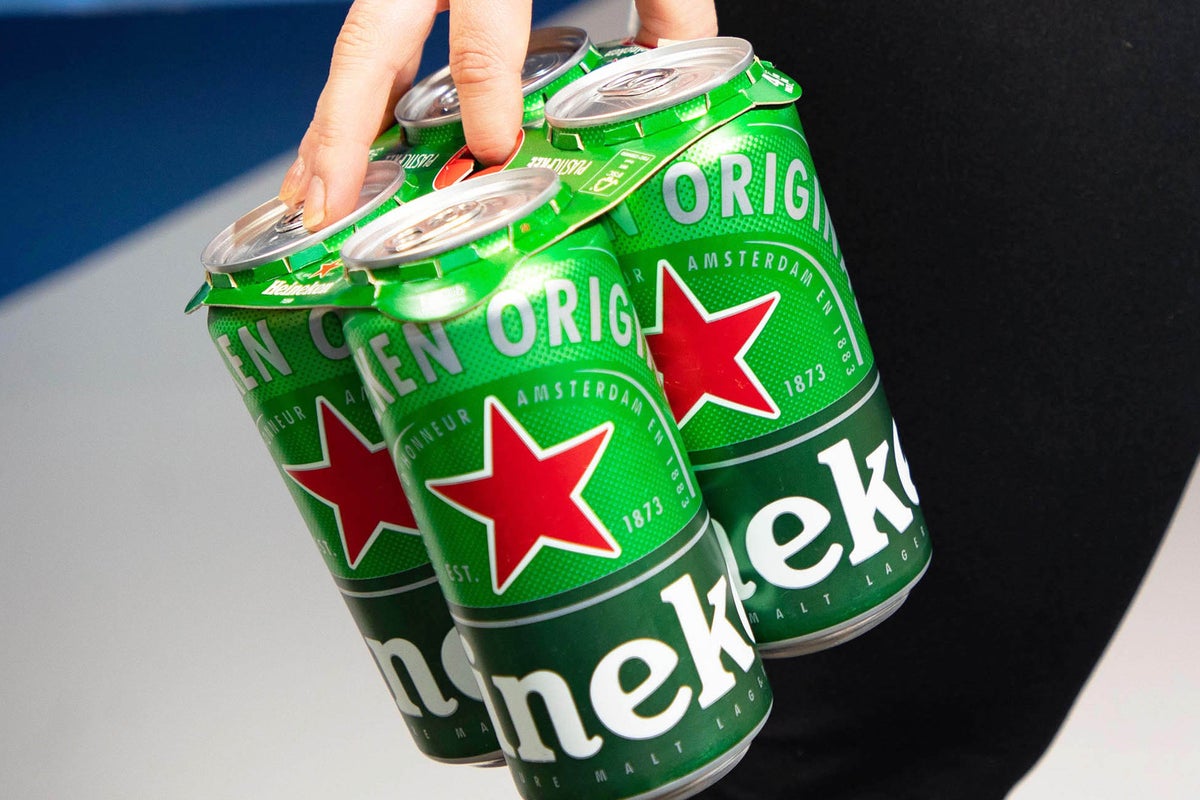
Heineken has revealed plans to invest more than £44 million into improvements for hundreds of its UK pubs.
The Dutch brewing giant said the cash injection into its Star Pubs operation, which runs 2,350 sites across the UK, will create around 850 jobs.
The major investment plan comes despite a challenging backdrop for the pub sector.
Pubs have come under pressure from rising labour costs and increases to national insurance contributions over the past year, while consumer spending has also come under pressure with concerns over inflation and rising unemployment.
However, pubs received additional business rates support from the Government from last month to help ease their cost pressures.
Lawson Mountstevens, Star Pubs’ managing director, said the company’s investment plan is partly aimed at boosting revenues to help the group cope with the recent “sustained increases in running costs”.
The plans will see the business invest £44.5 million this year into upgrades for 647 of its pubs.
It said 108 of its venues will see particularly significant cash injections, with these all set for transformations costing at least £145,000.
Heineken said the majority of pubs are owned by the group but independently operated by locals, with sports-focused venues an emphasis for investment in the run-up to the 2026 football World Cup.
The pub firm and brewer said it has pumped £328 million into British pubs since 2018.
It has already started work in 52 locations, including eight projects where it is reopening boarded-up pubs which have suffered from lengthy closures.
Mr Mountstevens urged the Government to reduce the tax burden on pubs to help ease the cost burden and support more job creation in the industry.
He said: “We can only do so much; the root-and-branch reform of business rates that the industry has been calling for over many years is urgently required, as well as a lowering of the burden of taxation on pubs, including VAT and beer duty.
“We are calling on the Government to support us in bringing out the best in the Great British pub.”

Heineken to boost British pubs with £44 million investment before World Cup

India aligns RoDTEP schedules with amended customs tariff

Lizzo opens up about new music amid yearslong legal battle: “The truth will come out”

-

 Tech7 days ago
A Brain Implant for Depression Is About to Be Tested in Humans
-

 Tech1 week ago
Almost 90% of women leave tech industry within 10 years | Computer Weekly
-
 Business1 week ago
Pakistan’s oil market is fuelling the crisis | The Express Tribune
-
 Business7 days ago
‘I had £20,000 stolen and had to fight a 13-month fraud reporting rule to get it back’
-

 Sports6 days ago
Pro wrestling star Steph De Lander reveals how colleague’s advice helped lead her to title triumph at ACW
-

 Entertainment7 days ago
Norway joins Type 26 Frigate Programme to boost NATO naval power
-

 Entertainment7 days ago
Melania Trump says ABC should ‘take a stand’ on late-night host Kimmel
-
 Tech6 days ago
This Ambitious Laptop Doesn’t Leave Much Room for Your Hands