

Fashion
China channels $70.56 bn through new policy-based financial instrument

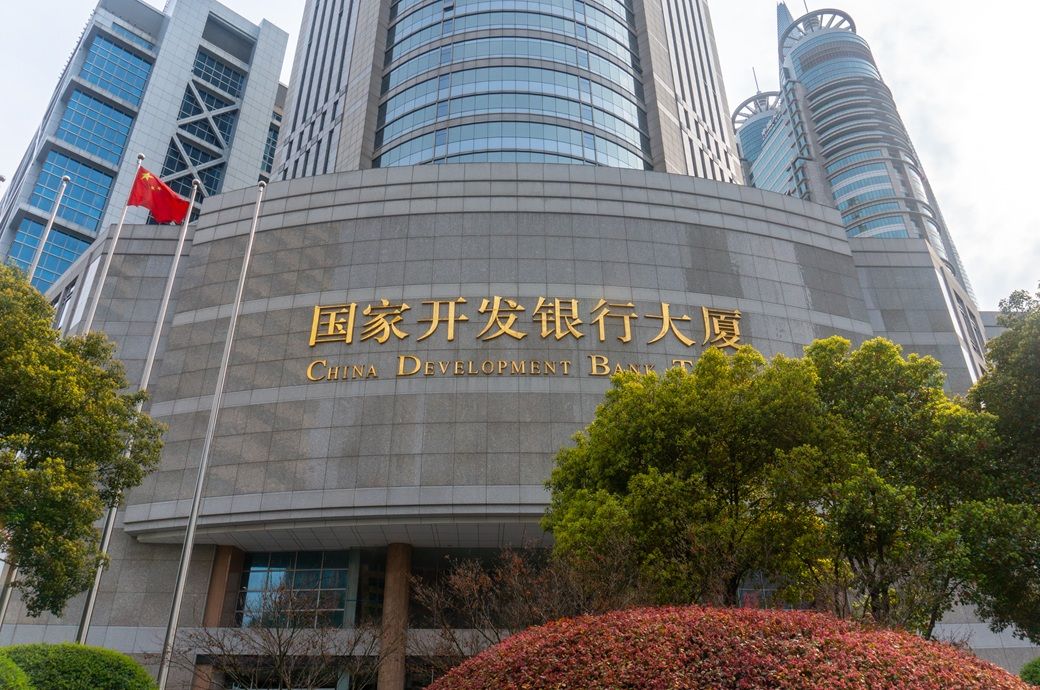
The China Development Bank, the Export-Import Bank of China and the Agricultural Development Bank of China allocated 250 billion yuan, 100 billion yuan and 150 billion yuan respectively to support construction of projects in key areas and weak links.
China has allocated $70.56 billion through a new policy-based financial instrument.
The China Development Bank, the Export-Import Bank of China and the Agricultural Development Bank of China were the three allocators.
The aim is to back construction of projects and weak links.
A fund was also set up for China’s centrally-administered state-owned enterprises to develop strategic emerging industries.
The move is expected to stimulate over 7 trillion yuan in investment, according to statistics from the policy banks.
The financial instrument prioritises projects in technological innovation, consumption expansion and foreign trade stabilisation, while also supporting initiatives in major economic provinces and private investment projects, according to a state-controlled news agency.
The country also established a fund for its centrally-administered state-owned enterprises (SOEs) to develop strategic emerging industries, raising 51 billion yuan (~$7.2 billion) in its first phase.
The fund was initiated by the State-owned Assets Supervision and Administration Commission (SASAC) of the State Council and is managed by China Reform Holdings Corporation Ltd.
Over 10 centrally-administered SOEs have contributed to the fund, including China Mobile, Sinopec and the China National Offshore Oil Corporation.
The fund will invest in fields like new-generation information technology, artificial intelligence, new energy, new materials, high-end equipment, biomedicine and quantum technology.
Fibre2Fashion News Desk (DS)







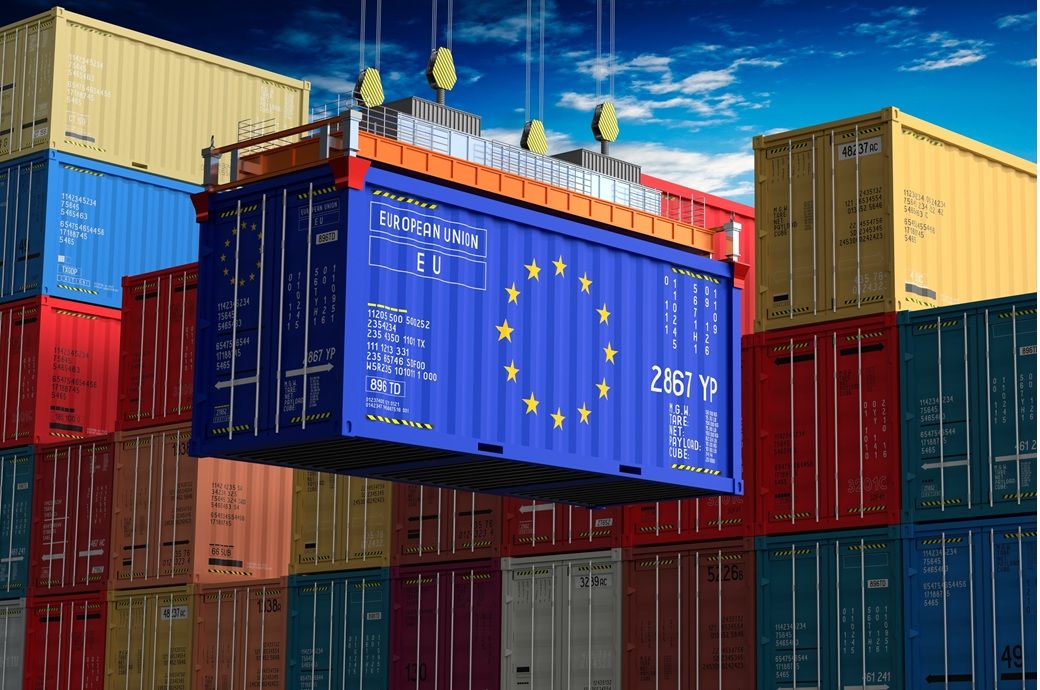
This was driven by an 8.36-per cent YoY decline in import volume and a 7.76-per cent YoY decrease in average unit prices.
The EU’s apparel imports fell by 15.48 per cent YoY in January to €7.03 billion, according to Eurostat.
Bangladesh’s apparel exports to the EU fell to €1.43 billion in January—a 25.25-per cent drop in value.
China remained the top exporter of apparel to the EU (€2.22 billion), but still saw a 6.9-per cent decline YoY in value.
India, Pakistan, Vietnam and Cambodia also remained in negative territory.
Bangladesh’s apparel exports to the bloc fell to €1.43 billion in January—a sharp 25.25-per cent drop in value. It saw a 17.49-per cent YoY decrease in the quantity of goods shipped, coupled with a 9.41 per cent drop in the unit price per kilogram.
China remained the top exporter of apparel to the EU (€2.22 billion), but still saw a 6.9-per cent decline YoY in value. Its unit prices dropped by 8.01 per cent YoY, while its export volume grew a bit by 1.21 per cent YoY.
Turkey faced a severe hit with a 29.12-per cent YoY decrease in apparel export value to the EU in the month, totaling €619.98 million.
Other countries like India, Pakistan, Vietnam and Cambodia remained in negative territory, reflecting a broad-based slowdown in the European fashion retail market.
Fibre2Fashion News Desk (DS)
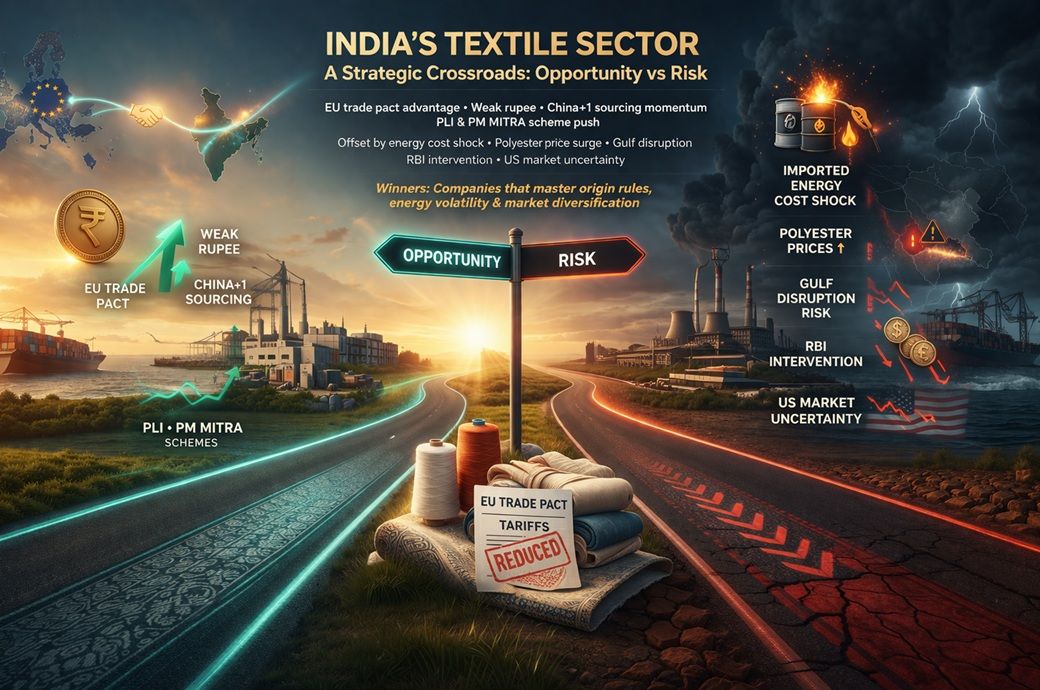
India’s textile outlook is turning structurally complex.
The EU pact targets ~99.5 per cent trade coverage with phased duty relief, while rupee weakness supports exports.
However, crude volatility, >80 per cent import energy dependence, polyester cost inflation and US market softness (≈28 per cent share) are fragmenting performance, reinforcing a shift towards cotton-led, EU-focused exporters.
Source link
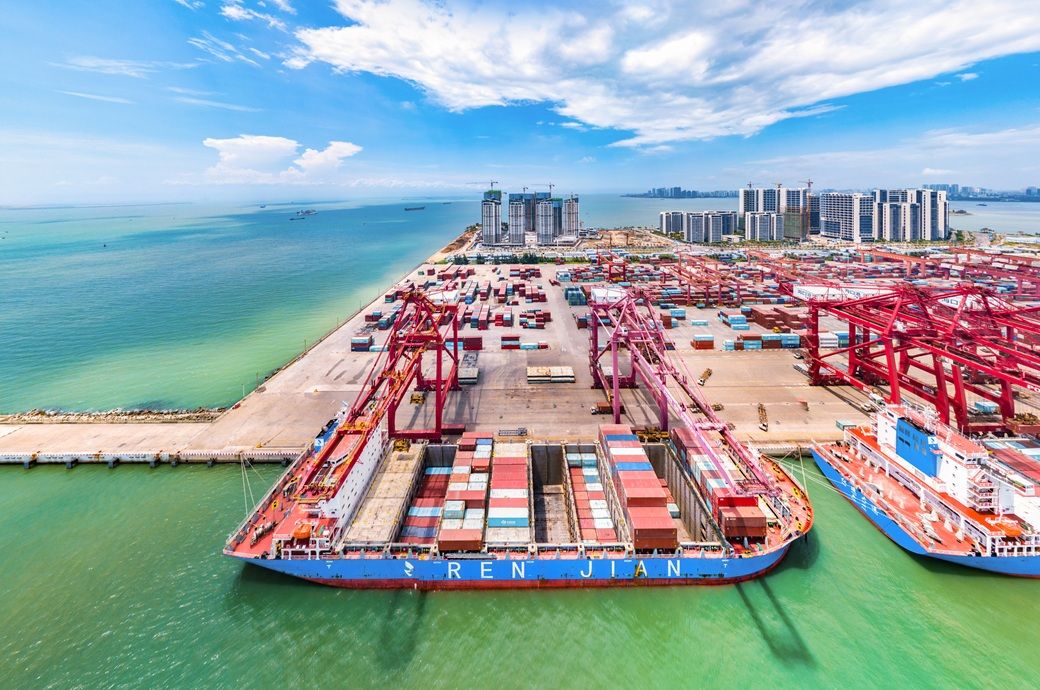
Official data showed that 186 transactions were completed under the zero-tariff policy, covering goods worth nearly ¥1.7 billion (~$236 million), reflecting a 1.46-fold rise compared to the previous year. The policy also resulted in duty exemptions totalling ¥271 million (~$37.6 million).
The figures were released at a press conference held ahead of the 100-day milestone of the policy’s implementation.
Hainan Free Trade Port recorded trade exceeding ¥80 billion (~$11.6 billion) in its first 100 days of special customs operations, up 32.9 per cent YoY.
A total of 186 zero-tariff transactions were completed, covering goods worth ¥1.7 billion (~$236 million), while duties worth ¥271 million (~$37.6 million) were exempted, reflecting strong early momentum.
Launched on December 18, the island-wide special customs operations aim to facilitate smoother entry of overseas goods, expand the scope of zero-tariff items, and create a more business-friendly trade environment.
Positioned as the world’s largest free trade port by area, Hainan FTP is expected to play a strategic role in advancing China’s trade liberalisation and economic openness.
Fibre2Fashion News Desk (JP)


Which key Iranian figures have been assassinated in US-Israeli strikes?

EU apparel imports slump 15.48% YoY in Jan; Bangladesh hardest hit

Save Up to 40% With These Acer Promo Codes and Discounts

-
 Business1 week ago
Flipkart group CFO to leave co amid IPO plans – The Times of India
-
 Business1 week ago
Video: The Effects of High Oil Prices
-

 Fashion7 days ago
China’s textile & apparel exports surge 17% to $50 bn in Jan-Feb 2026
-

 Sports1 week ago
Rating Adidas’ 2026 World Cup away shirts: Argentina, Spain, Mexico and more
-
 Fashion1 week ago
The hidden $1.62 war tax now embedded in every garment you source
-

 Sports1 week ago
American Conference Commissioner Tim Pernetti thanks Trump for Army-Navy game executive order
-
Tech1 week ago
The Corsair 4000D RS PC Case Keeps Your System Cool
-

 Tech1 week ago
‘Uncanny Valley’: Nvidia’s ‘Super Bowl of AI,’ Tesla Disappoints, and Meta’s VR Metaverse ‘Shutdown’