

Business
Economy in ‘good spot,’ claims FinMin Aurangzeb amid global support | The Express Tribune

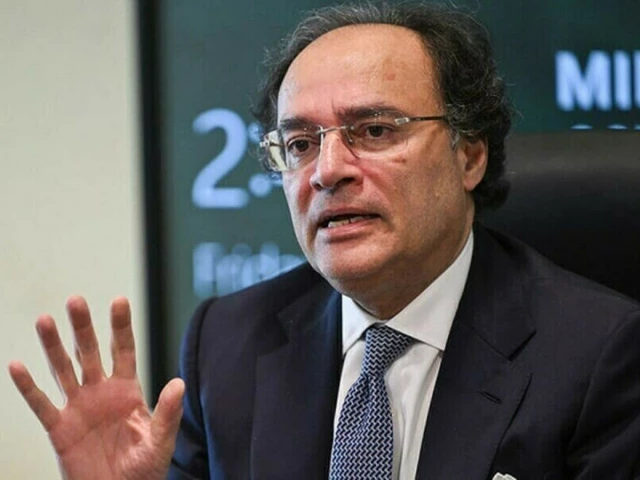
Says macro-economic stability, ‘geopolitical tailwinds’ leave Pakistan poised for growth, investment
In a virtual address at the second edition of the Pakistan International Maritime Expo and Conference in Karachi, Federal Minister for Finance Muhammad Aurangzeb said on Tuesday that Pakistan is enjoying a moment of convergence between internal economic stability and favourable international dynamics.
“Where we are as a country, we find ourselves in a good spot at this point and time because there is a confluence of factors,” he said.
وفاقی وزیر خزانہ سینیٹر محمد اورنگزیب کا کہنا ہے کہ پاکستانی معیشت درست سمت کی جانب گامزن ہے اور بلیو اکانومی ملکی معیشت کےلیے گیم چینجر ثابت ہوگی۔پاکستان انٹرنیشنل میری ٹائم ایکسپو 2025 سے ورچوئل خطاب کرتے ہوئے وزیر خزانہ محمد اورنگزیب کا کہنا تھا معاشی استحکام کے لیے ڈھائی سال… pic.twitter.com/j62Q3Vtbm7
— Times of Karachi (@TOKCityOfLights) November 4, 2025
He pointed to what he described as “macroeconomic stability combined with geopolitical tailwinds” as the main drivers of this improved position.
Aurangzeb underlined that the country’s long-standing relationships with its partners can now be transformed from mere government-to-government engagements into tangible trade and investment flows. “Our traditional partners, who have helped us through thick and thin … we find ourselves in a spot that we can now… move from government-to-government (G2G) discussions to trade and investment flows into the country,” he told the conference.
On the subject of global confidence in Pakistan’s economic management, Aurangzeb said that after a gap of two to three years, three major global rating agencies are now aligned in their view, reporting upgrades this year and offering stable outlooks. “After a hiatus of two to three years, we have three global rating agencies which are fully aligned … in terms of the upgrades we have seen over the course of this year, but also their outlook, which is stable for Pakistan’s economy,” he said.
He stated that the country is currently a part of an International Monetary Fund (IMF) programme, and that the recently announced staff-level agreement was evidence of international confidence in Pakistani authorities.
Blue Economy
Turning to sectoral strategy, Aurangzeb described the “blue economy” as a potential game-changer for Pakistan. He said the sector currently accounts for roughly $1 billion (0.4-0.5% of Gross Domestic Product [GDP]) and aims to scale significantly. “We are hovering at about 0.4 to 0.5 per cent of the national gross domestic product, which equates to roughly $1 billion,” he said, adding that Pakistan’s “real potential” was as high as $3 trillion.
The minister also emphasised that policy consistency would be central to achieving these goals. “As the finance minister, I would like to assure you … that we are going to ensure that there is policy consistency. Whatever we say, we see it through the cycle. So I think that is going to be a very important part of how we are going to take this discussion forward,” he said.
He outlined plans for seafood exports, currently sitting at approximately $500 million, to reach $2 billion over the next three to four years. “Getting that to $2 billion over the next three to four years was a very achievable milestone,” he said.
Further strategic pillars identified included modernising ports and logistics, digitisation, renewable energy and innovative financing such as blue bonds and blended finance.
The remarks signal Pakistan’s intent to harness a window of favourable external conditions and internal reform momentum to accelerate growth. However, ambitious targets and promises of sustained policy consistency will demand careful execution, strengthened institutional frameworks and deeper market confidence.


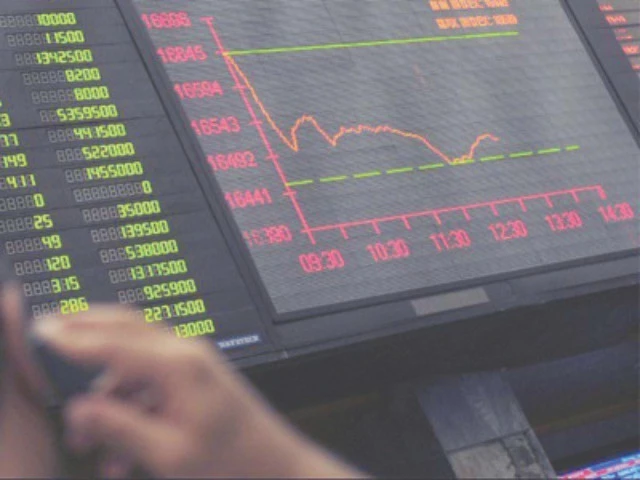


Butter, chocolate, coffee and milk have all seen prices rocket. Tracing back through the story of one particular supermarket staple begins to explain why
Source link
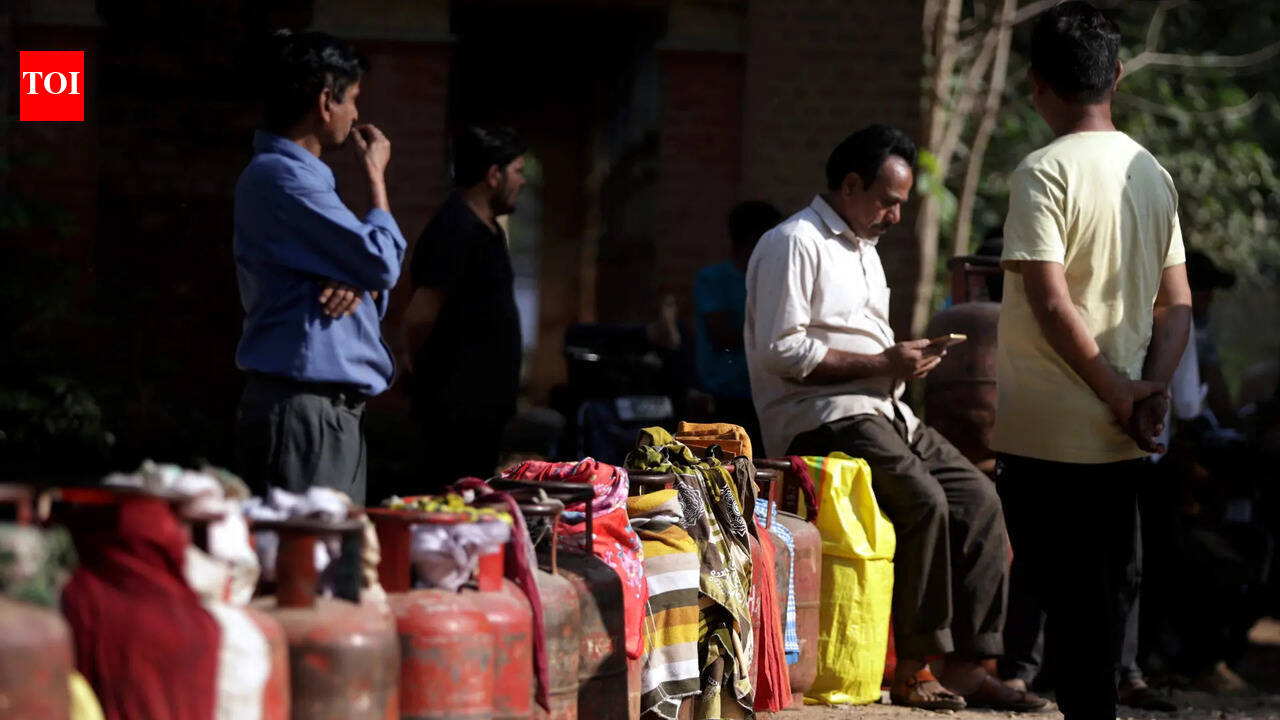
MUMBAI/BENGALURU: The restaurant industry is struggling to run regular operations due to the meagre supplies of LPG cylinders . With the govt’s move to hike commercial LPG allocation to up to 70%, it will take some time before the measure actually translates into sustained supply, executives said. “Supply is still hugely limited and erratic. A feeling of uncertainty looms large,” said Anurag Katriar, founder at Indigo Hospitality. The key question is how quickly this revised allocation will translate into on-ground availability, said Pradeep Shetty, vice-president at Federation of Hotel & Restaurant Associations of India (FHRAI).A walk along Indiranagar’s 12th Main, known for its cluster of independent restaurants, reflects the strain. “It is all hand-to-mouth at this point,” said Nikhil Gupta, who runs brands including The Pizza Bakery and Paris Panini . The move doesn’t directly help the restaurant sector which is still getting 20%-30% of LPG supplies, said Sagar Daryani, co-founder & CEO at Wow! Momo Foods and president at National Restaurant Association of India (NRAI). State-wise, the supply situation varies with some such as Maharashtra, Karnataka, Rajasthan restricting allocation for restaurants, hurting the sector , Daryani said.
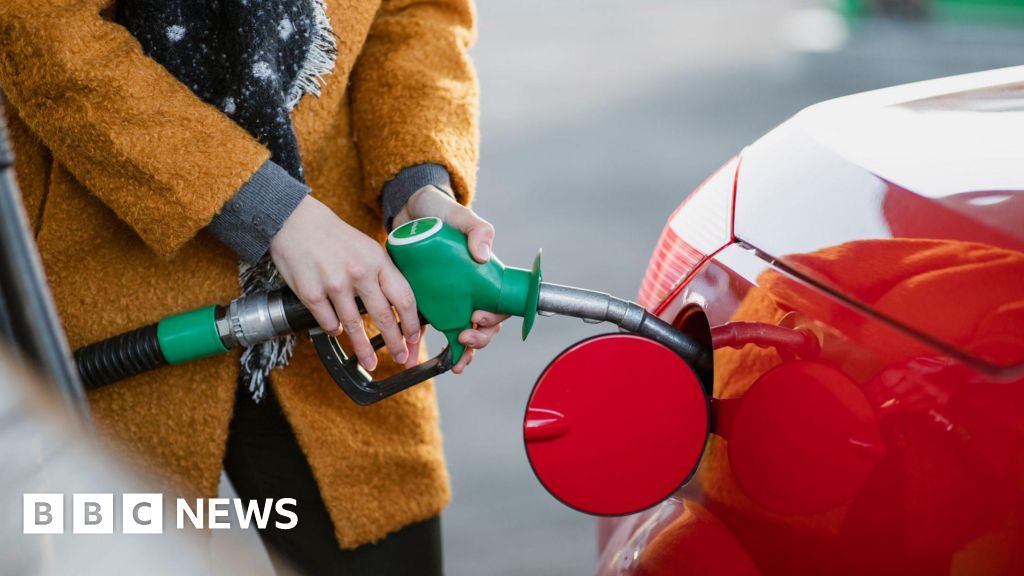
Motorists are facing higher fuel prices ahead of Easter break due to the conflict in the Middle East, the RAC says.
Source link


EU Parliament, Council reach deal on major reform of Customs Code
Why supermarket prices really became sky high in the UK

Which key Iranian figures have been assassinated in US-Israeli strikes?

-
 Business1 week ago
Flipkart group CFO to leave co amid IPO plans – The Times of India
-
 Business1 week ago
Video: The Effects of High Oil Prices
-

 Fashion1 week ago
China’s textile & apparel exports surge 17% to $50 bn in Jan-Feb 2026
-

 Sports1 week ago
Rating Adidas’ 2026 World Cup away shirts: Argentina, Spain, Mexico and more
-
 Fashion1 week ago
The hidden $1.62 war tax now embedded in every garment you source
-

 Sports1 week ago
American Conference Commissioner Tim Pernetti thanks Trump for Army-Navy game executive order
-
Tech1 week ago
The Corsair 4000D RS PC Case Keeps Your System Cool
-

 Tech1 week ago
‘Uncanny Valley’: Nvidia’s ‘Super Bowl of AI,’ Tesla Disappoints, and Meta’s VR Metaverse ‘Shutdown’