

Business
Trump Tariffs Slam India: Exports Crash In 15 Out Of 20 Top Markets, See Where The Big Blow Hit

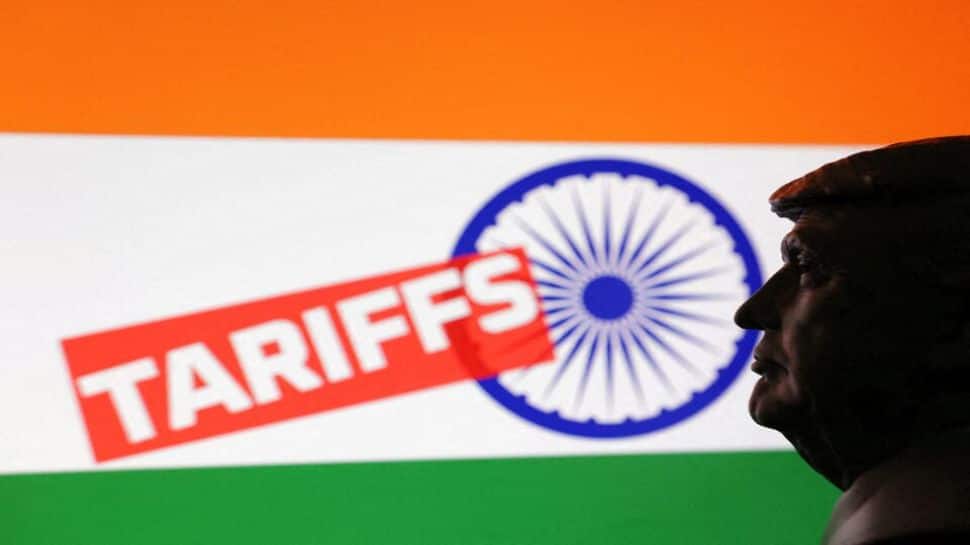
New Delhi: India’s exports plunged into troubled waters in October as tariffs and geopolitical tensions slowed shipments to most major markets. According to the latest data from trade think tank Global Trade Research Institute (GTRI), out of India’s top 20 export destinations, only five saw growth. The remaining 15 markets reported declines, exposing vulnerabilities in India’s export trade amid global demand fluctuations and policy barriers.
GTRI founder Ajay Srivastava highlighted that October revealed contrasts in performance across India’s export markets. Key destinations including Singapore, Australia, Italy and the United Kingdom, witnessed double-digit declines. The data highlights how external shocks and regulatory hurdles are challenging India’s trade resilience.
Exports Surge In Five Countries
Overall shipments fell 11.8% in October. Growth was confined to just five markets. Exports to Spain jumped 43.43% and China saw a 42.35% rise, primarily due to higher shipments of petroleum products.
Hong Kong recorded a modest increase of 6%, Brazil grew by 3.54% and Belgium by 2.22%, according to Economic Times.
Exports Slump Across 15 Major Markets
The other 15 countries recorded declines, revealing the depth of India’s external trade challenges. Shipments to the United States fell 8.58%, while exports to the UAE dropped 10.17%. Singapore saw the steepest fall at 54.85%, followed by Australia at 52.42%, Italy at 27.66%, the UK at 27.16% and the Netherlands at 22.75%.
Other affected markets included Malaysia (-22.68%), South Korea (-16.43%), Germany (-15.14%), France (-14.28%), Bangladesh (-14.10%), Nepal (-12.64%), South Africa (-7.54%) and Saudi Arabia (-1.12%).
MSMEs Feel The Brunt
Micro, small and medium enterprises (MSMEs) are the hardest hit, as they contribute nearly 40% of India’s total exports. Many companies are grappling with order cancellations, shrinking margins and working capital pressures.
Rajat Mehra, co-coordinator of the CII UP MSME panel and director of Rajat Chemicals, stated that tightening global conditions naturally increase stress on MSME exporters.
Textile Sector Hit Hard
Sanjay K. Jain, chairman of the ICC National Textiles Committee and managing director of TT Textiles, said U.S. tariffs have already taken a toll on shipments.
He highlighted that a 10-12% decline in textile exports is not surprising and warned that the drop could exceed 15% in the coming months as current stockpiles run out.
India’s export slowdown paints a challenging picture for the economy. Businesses across sectors now brace for months of uncertainty, with tariffs, geopolitical tensions and global demand shifts all adding to the pressure on Indian exporters.

One petrol retailer says he is experiencing about five drive-offs a week at each forecourt, costing him thousands.
Source link
Business
Billions to be paid! US starts refund process for Trump tariffs: Can Indian exporters claim? – The Times of India
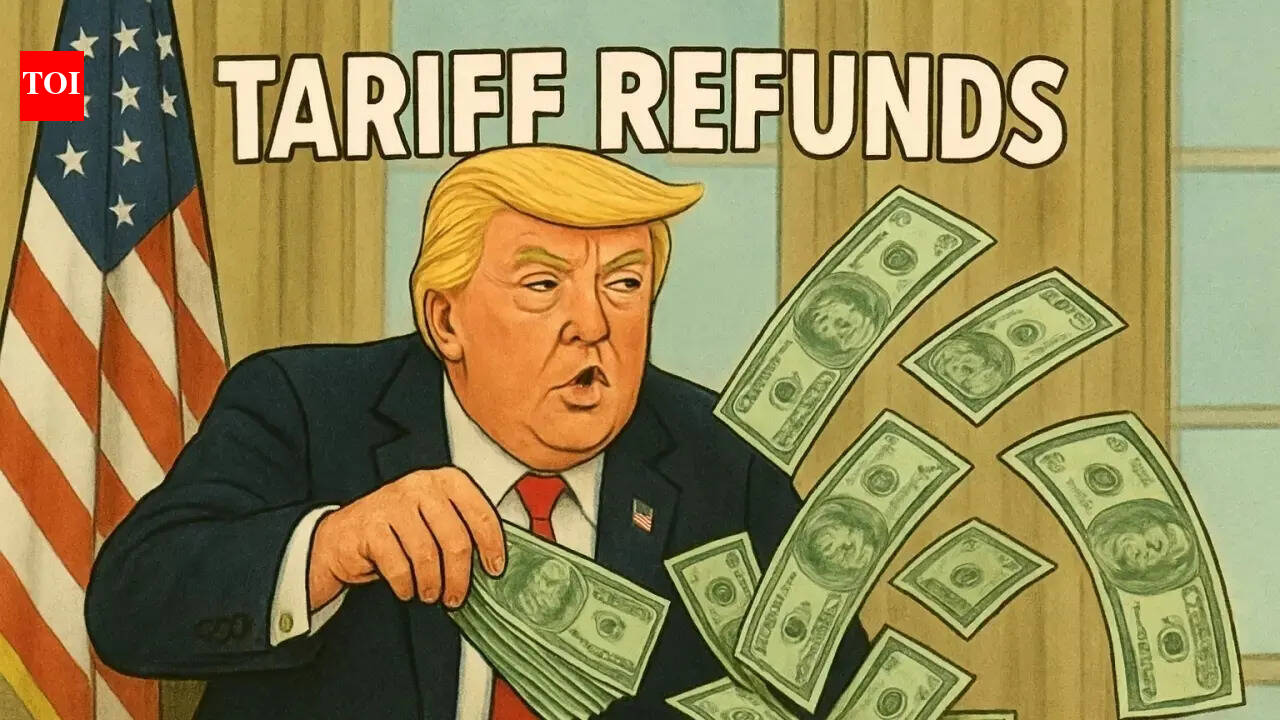
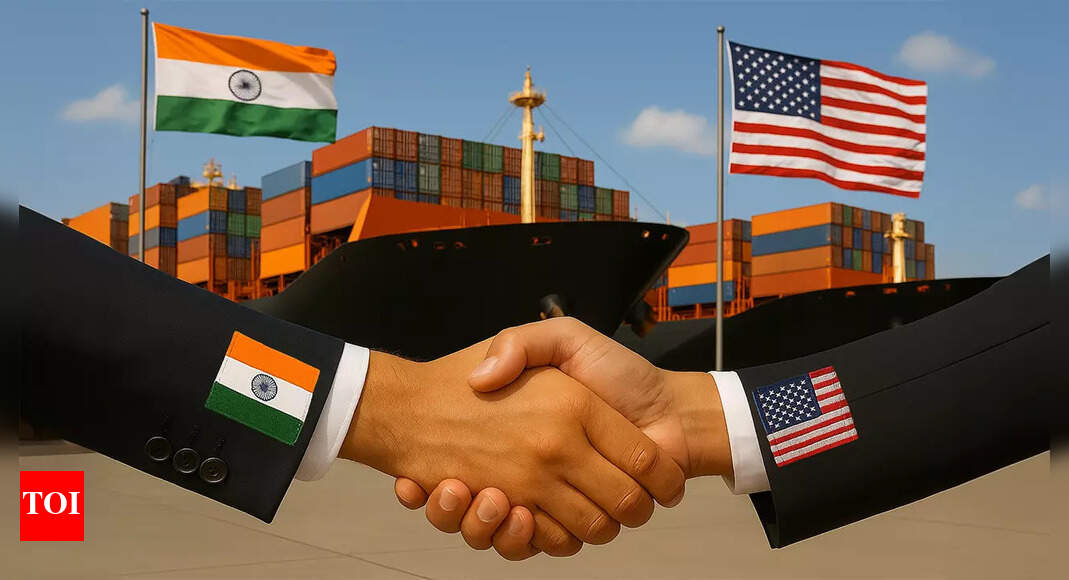
The US government has rolled out a system to facilitate refunds of over $166 billion from tariffs introduced by Donald Trump and later invalidated by the US Supreme Court. In February, the court struck down a broad set of reciprocal tariffs, delivering a significant setback to a central pillar of Trump’s economic agenda and paving the way for repayments.On Monday, US Customs and Border Protection announced that the first phase of its refund-processing platform is now operational, allowing importers and customs brokers to begin filing claims to recover the duties they had paid.The agency had earlier estimated in March that more than 330,000 importers may qualify for reimbursements on duties or deposits linked to over 53 million shipments. In its initial rollout, the platform covers about $127 billion in duty payments eligible for electronic refunds.
Tariff refunds What US Customs and Border Protection has said
The process to return reciprocal tariff payments starts on April 20 through a newly launched online platform, CAPE (Consolidated Administration and Processing of Entries), operated by US Customs and Border Protection.This move follows a February 20, 2026 judgment by the US Supreme Court, which ruled that tariffs introduced by Donald Trump were unlawful. The court found that these duties had been imposed under the International Emergency Economic Powers Act without adequate legal backing.Also Read | Iran has closed Strait of Hormuz completely: What does this mean for India’s crude oil, LPG, LNG supplies?The tariffs impacted a wide range of exports from countries including India. To receive repayments, importers in the US are required to submit claims which include shipment details, applicable tariff classifications and proof of payment. Once approved, these refunds along with interest are expected to be processed within 60 to 90 days. Eligibility is limited to those who originally paid the tariffs, primarily US importers and businesses.The total amount to be refunded is estimated at around $166 billion, with nearly $12 billion tied to Indian goods.The tariff structure began at 10% on April 2, 2025, before escalating quickly. Duties on Indian goods increased to 25% by August 7, 2025, and further to 50% by August 28, remaining at that level until early February 2026. On February 6, 2026, rates were lowered to 18% following negotiations. However, the Supreme Court’s ruling later that month nullified the entire regime, effectively rendering the tariffs void and paving the way for refunds.
What it means for India
Exporters and end consumers are not permitted to file claims directly, although some companies, such as FedEx, may opt to pass on the refunded amounts at their discretion.According to Global Trade Research Initiative (GTRI), around 53% of India’s shipments to the US, which largely comprises textiles and apparel, were subject to higher tariffs. This makes them the largest contributors to the refund pool. Of the nearly $12 billion tied to Indian exports, textiles and apparel are estimated to account for around $4 billion, followed by engineering goods with a similar share and chemicals contributing about $2 billion, while other sectors make up the remainder.However, what is important to understand is that these refunds will not flow directly to Indian exporters. The payments are meant only for US importers who bore the tariff burden.Also Read | Explained: On way to 4th largest, how India slipped to 6th rank & what it means for 3rd largest economy dream“Payments go only to US importers, and exporters have no legal right to claim them. Indian exporters, therefore, have no direct legal route to claim refunds,” explains Ajay Srivastava, founder of GTRI.Hence, any potential recovery of these refunds will depend on commercial discussions. Exporters will need to actively engage with their US counterparts to negotiate a share of the refunded duties, particularly in cases where earlier pricing factored in tariff costs. GTRI explains that this can be done by reopening contracts, adding rebate-sharing clauses, asking for price revisions or credit notes, and using invoices and tariff data to show how costs were absorbed. “Exporters with stronger bargaining power, especially in textiles and engineering goods, may secure better terms in future orders,” the think tank says.Industry bodies such as the Apparel Export Promotion Council, Engineering Export Promotion Council of India and Chemexcil can also assist exporters with guidance on contract renegotiation and sector-specific approaches, it adds.

John Ternus will take over running the technology giant as Cook steps up to become executive chairman.
Source link


Global energy growth slows to 1.3% in 2025: Report

UK’s Starmer seeks to deflect blame over Mandelson appointment

PSL 11: Lahore Qalandars win toss, opt to bat first against Quetta Gladiators

-

 Fashion5 days ago
France’s LVMH Q1 revenue falls 6%, shows resilience amid Iran war
-

 Sports1 week ago
The case for Man United’s Fernandes as Premier League’s best
-

 Entertainment1 week ago
Palace left in shock as Prince William cancels grand ceremony
-
 Business1 week ago
UK could adopt EU single market rules under new legislation
-

 Entertainment6 days ago
Is Claude down? Here’s why users are seeing errors
-

 Fashion1 week ago
Energy emerges as biggest cost driver in textile margins
-
 Business1 week ago
Delta Air Lines unveils first new Delta One suite in premium cabin arms race
-

 Tech1 week ago
A Lot of Shops Won’t Fix Electric Bikes. Here’s Why