

Business
India Set To Make History: Country’s Economy Nears $4 Trillion Milestone, Even Trump’s Tariff Failed To Stop It

New Delhi: India’s economy stands at the threshold of history, poised to surpass the $4 trillion mark this fiscal year, according to Chief Economic Advisor (CEA) V. Anantha Nageshwaran. He emphasised that India, which is presently the world’s fifth-largest economy with a GDP of $3.9 trillion, is on track to achieve unprecedented growth despite a turbulent global landscape.
He pointed out that geopolitical changes are occurring at a rapid pace and stressed that sustained economic expansion is critical to maintain India’s influence and standing on the global stage.
Overcoming Global Hurdles
This achievement comes even as India navigated international challenges, including tariffs imposed by the United States under President Donald Trump. Indian goods faced tariffs as high as 50%, including 25% on certain imports, because of importing sanctioned Russian oil.
India’s strategic policies and trade maneuvering have largely neutralised the impact of these tariffs, opening new markets and opportunities in the process.
Nageshwaran highlighted that these measures surprised even Washington, which now recognises that its calculations regarding New Delhi had been underestimated.
Good News For The Current Fiscal Year
Speaking at the IVCA Green Returns Summit 2025, Nageshwaran said, “During this fiscal year, India will grow from a $3.9 trillion to a $4 trillion economy.”
“To make the economy robust, address energy transitions, environmental challenges, climate change and climate instability, we must align every effort with our short- and medium-term priorities,” he said.
The CEA also highlighted India’s commitment to combating climate change. “We are fully aware of the potential consequences of global warming and climate change. That is why, as a nation, we are committed to achieving net-zero emissions by 2070,” he said.
He explained that net-zero means balancing greenhouse gas emissions with measures to remove an equivalent amount from the atmosphere.
A Vision For The Next Decade And Beyond
Earlier this year, Arvind Panagariya, chair of the 16th Finance Commission, projected that India could achieve developed nation status by 2047, based on decades of stable economic performance.
He stated that if present growth trends continue, the country could become a $10 trillion economy within the next decade.
Central to this vision is the ‘Developed India’ outlook, which aims for a substantial increase in per capita income.
Currently around $2,570, he estimates that per capita income could rise to $14,000 by 2047, representing an annual growth rate of approximately 7.3%.
This figure reflects the income that the average citizen would receive, highlighting the broader impact of economic growth on the population.
India’s economic journey, according to experts, is not only about numbers, it is about building global credibility, creating resilience against international pressures and securing a prosperous future for its citizens.
Despite external hurdles and geopolitical uncertainties, the country’s path toward historical milestones remains steadfast.
Business
Top stocks to buy today: Stock recommendations for April 24, 2026 – check list – The Times of India

Stock market recommendations: Bharat Electronics, and Colgate-Palmolive (India) have been recommended as the top stocks to buy today (April 24, 2026) by Bajaj Broking Research. Take a look at the target prices and expected returns:Bharat ElectronicsBuy in the range of ₹ 440.00-450.00
The stock is in structural up trend forming higher high and higher low in all time frame signaling strength and continuation of the uptrend. The entire up move of the last 8 months is in a rising channel as can be seen in the chart highlighting sustained demand at an elevated level.On the smaller time frame, the stock is at the cusp of generating a breakout above the bullish Flag like formation as post a sharp up move in the first 3 weeks of April the stock went into a consolidation phase in the last four sessions. It is seen resuming up move and is at the cusp of generating a breakout above the bullish Flag formation highlighting continuation of the up move and offers fresh entry opportunity.We expect the stock to extend the up move and head towards 495 levels in the coming months being the confluence of the 123.6% external retracement of the previous decline 473 – 400 and the upper band of the rising channel of the last 8 months.Colgate-Palmolive (India)Buy in the range of 2120-2160
The share price of Colgate-Palmolive has generated a breakout above bullish Flag pattern signaling continuation of the up move and offers fresh entry opportunity.We expect the stock to head higher towards 2330 levels in the coming months being the measuring implication of the bullish flag breakout.The daily 14 periods RSI is in buy mode thus supports the positive bias in the stock.(Disclaimer: Recommendations and views on the stock market, other asset classes or personal finance management tips given by experts are their own. These opinions do not represent the views of The Times of India)

A memo from Michael Kratsios says firms, mainly in China, are wrongfully distilling US AI models.
Source link
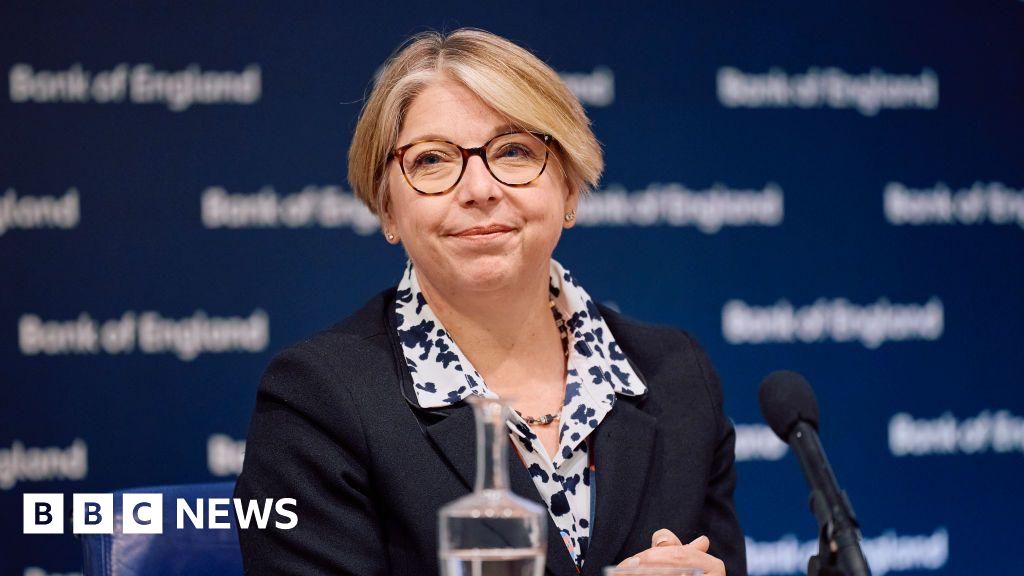
It is unusual for a senior figure at the Bank to be so forthright on market movements.
Source link


Vietnam-India seminar boosts textile, leather ties

22 India-backed terrorists killed in Khyber intelligence-based operation, says ISPR

Former Giants co-owner Steve Tisch seen in team’s draft room

-

 Fashion1 week ago
France’s LVMH Q1 revenue falls 6%, shows resilience amid Iran war
-

 Entertainment1 week ago
Is Claude down? Here’s why users are seeing errors
-

 Sports1 week ago
PSL 11: Peshawar Zalmi win toss, opt to field first against Quetta Gladiators
-

 Tech1 week ago
The Deepfake Nudes Crisis in Schools Is Much Worse Than You Thought
-
 Business1 week ago
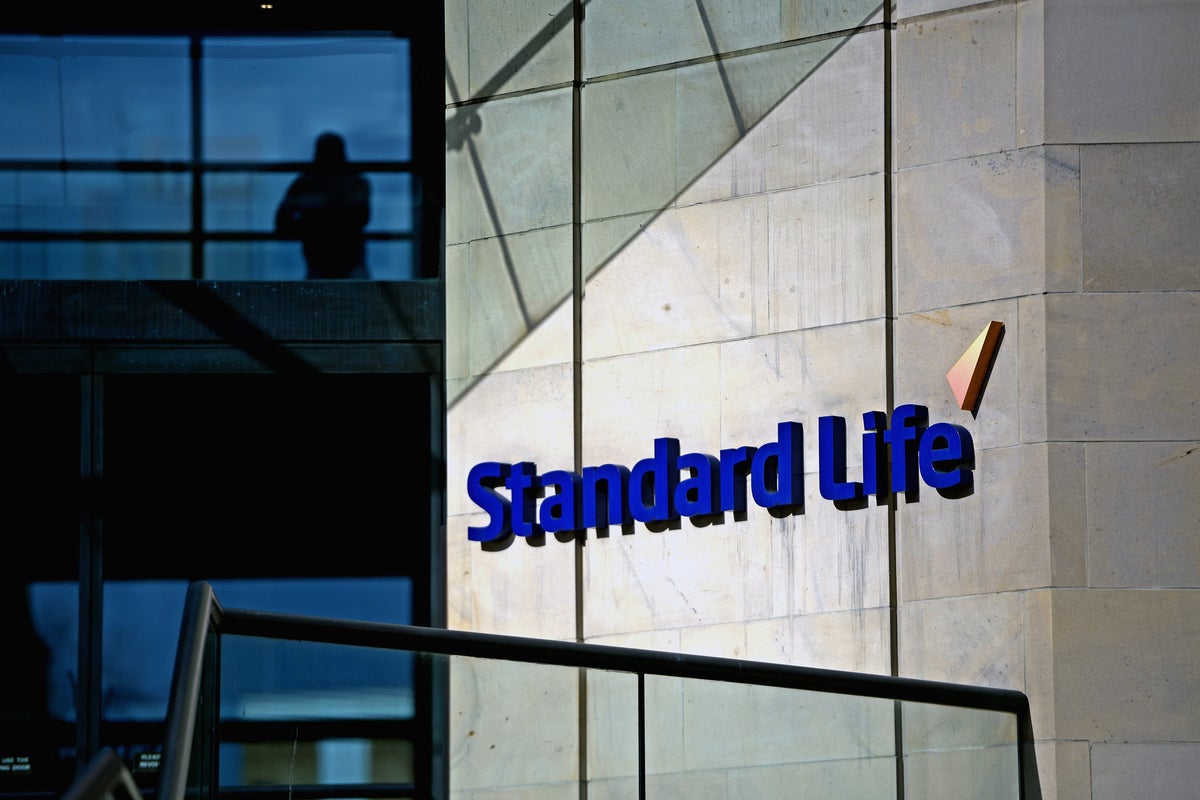
Standard Life buys rival in £2b deal to create savings giant
-

 Tech1 week ago
CYBERUK ’26: UK lagging on legal protections for cyber pros | Computer Weekly
-

 Fashion1 week ago
Raymond unveils luxury Chairman’s Collection Store in Mumbai
-

 Sports4 days ago
NCAA men’s gymnastics championship: All-time winners list