

Business
Tax, spending and investment: Where the Budget ranks in history

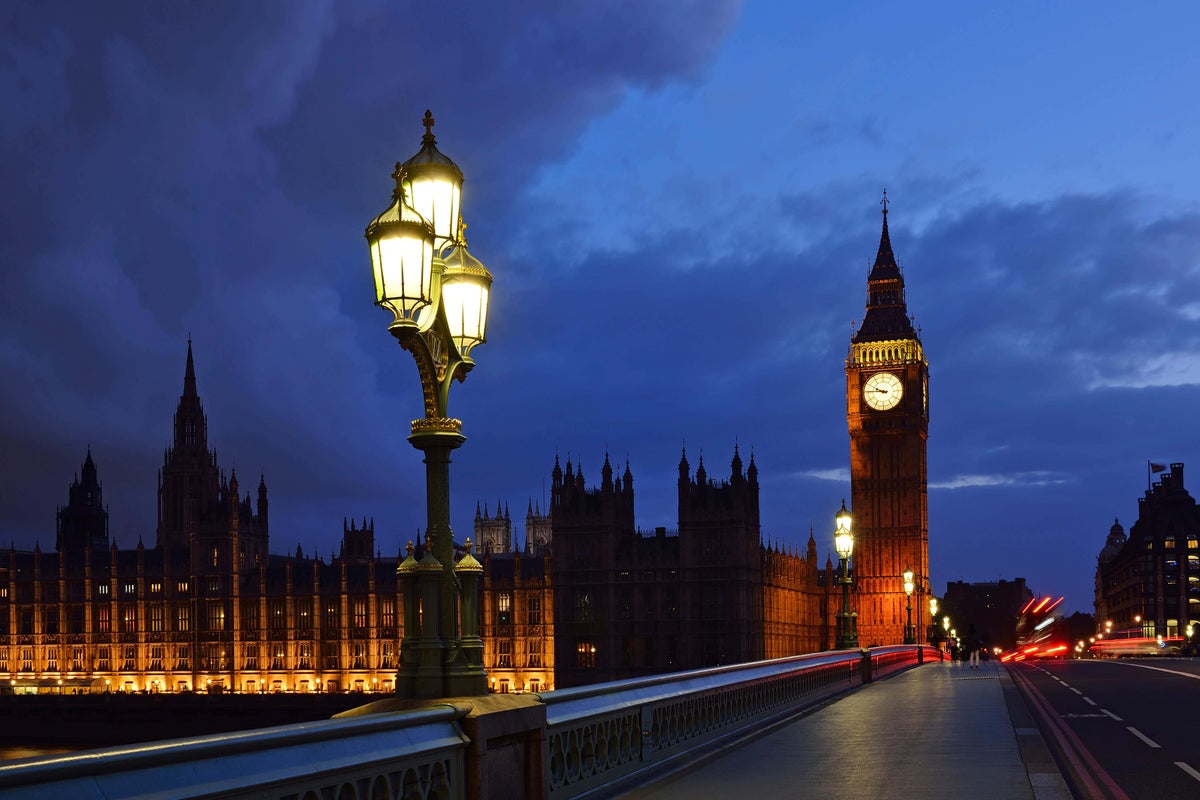
Rachel Reeves’s second Budget as Chancellor has set the UK on a path towards levels of tax, spending and investment not seen for many years, according to the latest economic forecasts.
Here the PA news agency looks at what those forecasts suggest about the likely future of the country’s finances – and how they compare with decades gone by.
– Tax burden to reach new all-time high
The UK’s tax burden was already set to hit record levels in the years ahead, but new data shows the figure peaking even higher than previously thought.
The tax burden, or tax take, is a measure of how much the Government collects in taxation, expressed as a proportion of the total value of the economy.
When Rachel Reeves delivered her spring financial statement in March 2025, the Office for Budget Responsibility forecast the tax burden to reach the equivalent of 37.7% of GDP by 2027/28: the highest level since current records began in 1948.
The OBR is now forecasting it to reach 37.6% by 2027/28 but then go on climbing to an even higher record of 38.3% in 2030/31.
This is more than five percentage points above the pre-pandemic level of 32.9% in 2019/20.
The main drivers of the increase are personal taxes, such as the extension of the threshold freeze at which people start paying higher rates of income tax, plus the increase in employer national insurance contributions, the OBR said.
– Spending on health and disability benefits passes £100 billion for first time
Government spending on welfare is also forecast to continue at record levels.
Spending on health and disability benefits per year is likely to pass £100 billion for the first time, rising from £83.1 billion in 2025/26 to £103.6 billion in 2029/30.
This is up from the previous forecasts of £81.2 billion in 2025/26 and £97.7 billion in 2029/30.
The OBR acknowledges there is “uncertainty” around the future costs of welfare spending, because of “the growth of disability and health caseloads, which have increased very sharply since the pandemic”.
The latest forecasts have been calculated on the assumption that the number of people requiring these benefits will continue to rise, but at a slower pace than recently.
However, if growth continues at rates seen since the pandemic, this could increase spending in 2029/30 by around £11 billion, the OBR added.
Total government spending on welfare per year is forecast to rise from £333.0 billion in 2025/26 to a new all-time high of £389.4 billion in 2029/30.
This is higher than the previous forecasts of £326.1 billion in 2025/26 and £373.4 billion in 2029/30.
The revised forecasts reflect the reversal of cuts to winter fuel payments and health-related benefits, along with the removal of the two-child limit within Universal Credit.
– Longest sustained period of high government spending since Second World War
Total government public spending is forecast to remain at the equivalent of between 44% and 45% of GDP for nearly the entire decade.
This is almost five percentage points higher than before the Covid-19 pandemic.
It also represents the longest sustained period of spending at this level since the Second World War.
The forecast suggests spending will not fall below the equivalent of 44% of GDP for nine financial years in a row, from 2022/23 to 2030/31.
This easily surpasses the two other post-war periods when spending was 44% of GDP or above, in the three years from 1974/75 to 1976/77 and the three years from 2009/10 to 2011/12.
Spending at the end of the last century, in the financial year 1999/2000, stood at 34.6% of GDP.
– Debt as percentage of GDP remains at levels last seen in early 1960s
The headline measure of public sector net debt in the UK, which includes the Bank of England, is forecast to remain between 95% and 97% for the rest of the decade.
This level of debt was last seen at the end of the financial year 1962/63, when debt stood at 98.2% of GDP: a time when Harold Macmillan was Conservative prime minister, there were only two television channels in the country, and The Beatles had just released their debut album Please Please Me.
Debt at the end of the last century, in 1999/2000, stood at 32.4% of GDP.
– Highest sustained level of government investment since 1970s
Government investment is forecast to remain above the equivalent of 2% of GDP in every year for the rest of the decade: the highest sustained level since the 1970s.
Public sector net investment stood at the equivalent of 2.4% of GDP in 2023/24 and is forecast to climb to 2.9% in 2027/28, before falling back to 2.5% by 2030/31.
This would represent eight consecutive years with investment above 2%: a trend not seen in the UK for more than 40 years.
Government investment as a proportion of GDP was above 2% in every year from 1948/49, when current records began, to 1980/81.
It then remained below 2% in almost every year until the late 2010s, save for 1983/84, 2004/05 and 2008/09-2010/11.
Spending rose above 2% in the two years from 2017/18 to 2018/19, then again from 2020/21 to 2021/22, but in each case it fell back below 2% the following year.
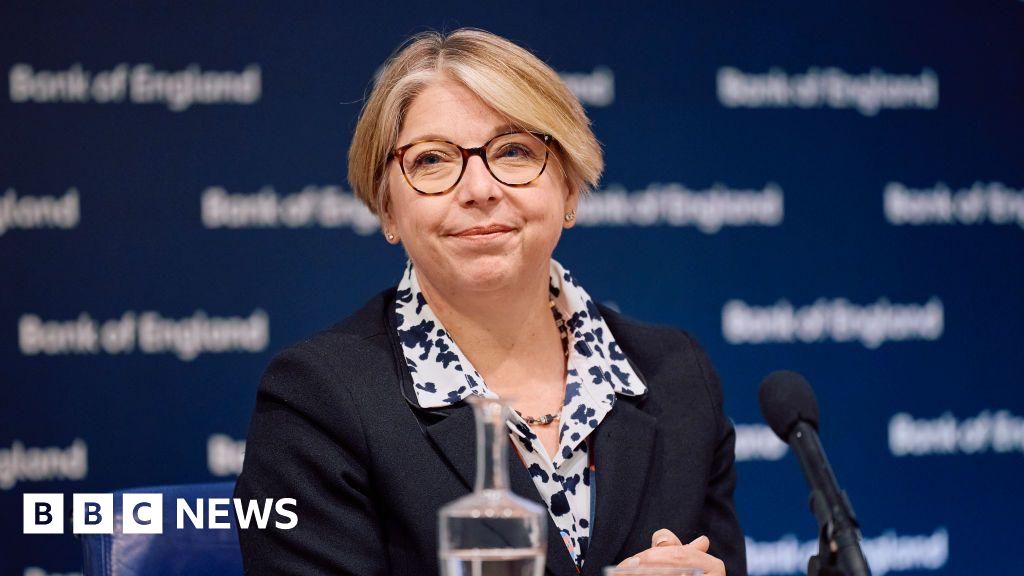
It is unusual for a senior figure at the Bank to be so forthright on market movements.
Source link
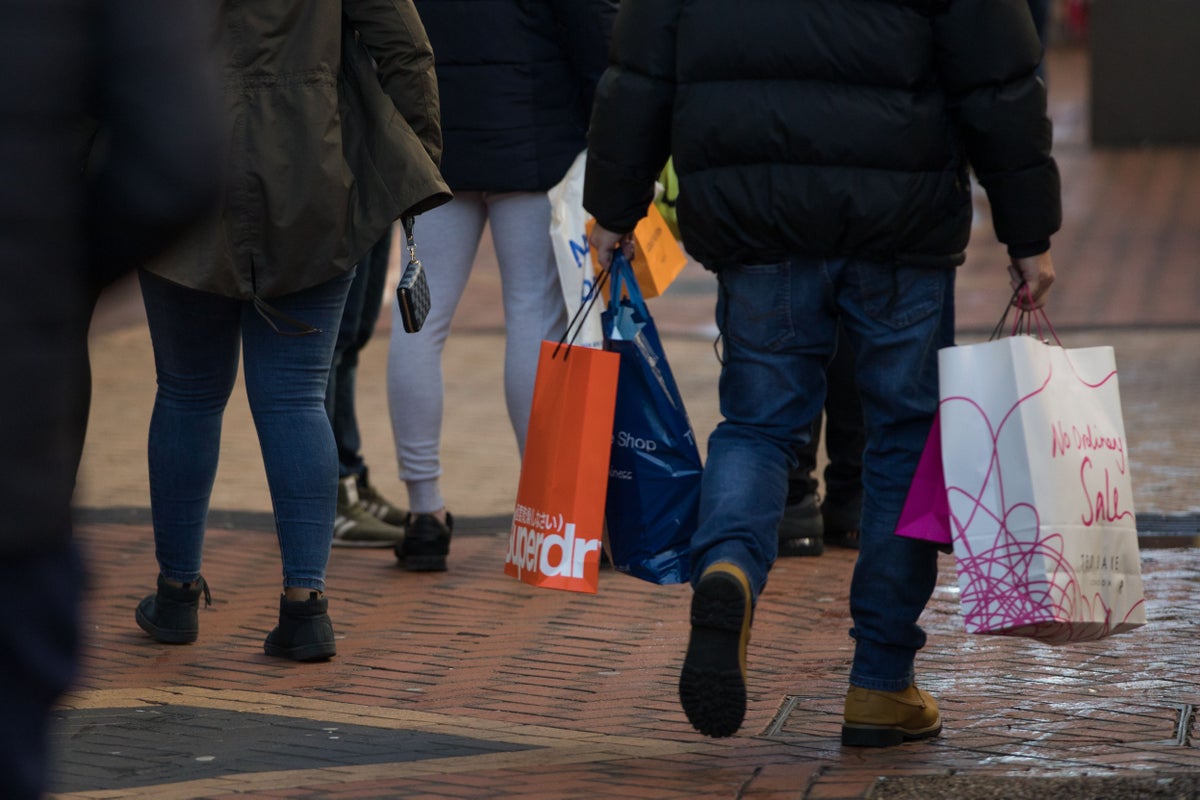
Consumer confidence has fallen for the third consecutive month amid household “jitters” over rapid price rises, figures show.
GfK’s long-running consumer confidence index fell four points to minus 25 in April, following falls of two points and three points in March and February respectively.
The deepening concern was driven by perceptions of the UK economy, with a six-point slide in confidence for the next 12 months to minus 43, its lowest level since February 2023.
Confidence in personal finances over the coming year fell five points to minus four – one point lower than this time last year.
The major purchase index – an indicator of confidence in buying big ticket items – held steady, albeit at minus 18 but one point better than last April.
The only measure to improve was the savings index – often an indication that households are concerned about their finances and looking to build contingency funds – which is up five points to 32.
Neil Bellamy, consumer insights director at GfK, said: “Consumers really do have the jitters now.
“It is a year since we last saw a monthly drop of this size, and we have to go back to October 2023 to find the last time consumer confidence was lower.
“Everyone is grappling with rapid price rises, especially at the fuel pumps, which are taking a dent out of household budgets, and people know further price hikes are coming.
“Consumer confidence is deteriorating sharply, with fuel prices and threats of more energy price increases acting as constant reminders of inflation.
“While the Gulf crisis is intensifying pressures, much of the current strain reflects earlier domestic cost increases.
“How long can all this disruption and pain continue?”

People walk past a Nike store in New York City, on April 2, 2025.
Kylie Cooper | Reuters
Nike announced a new round of layoffs Thursday affecting approximately 1,400 employees across the organization, mostly concentrated in its technology department.
In a note from COO Venkatesh Alagirisamy, the company said the layoffs were part of Nike’s broader “Win Now” turnaround strategy aiming to reshape its technology team, modernize its Air manufacturing, move some of its Converse Footwear operations and integrate its materials supply chain work into its footwear and apparel supply chain teams.
“Collectively, these changes will result in a reduction of approximately 1,400 roles in global operations, with the majority in technology,” Alagirisamy wrote. “These reductions are very hard for the teammates directly affected and for the teams around them, too.”
A Nike spokesperson said the layoffs are about better positioning the organization for the current pace of sports and accelerating its growth. The layoffs affect employees across North America, Asia and Europe and represent less than 2% of the company’s total global head count.
“This is not a new direction,” Alagirisamy wrote. “It is the next phase of the work already underway.”
Affected employees will be notified beginning Thursday, Nike added.
CEO Elliott Hill has been working to turn Nike around after years of slumping sales. While Hill has made some initial progress, it’s come with some bumps in the road.
Nike announced 775 job cuts in January, primarily at its U.S.-based distribution centers, due to the company’s work in accelerating its use of automation. At the time, the company said the cuts are part of Nike’s goal to return to “long-term, profitable growth.”
Those layoffs came on top of a round of cuts last summer that affected less than 1% of Nike’s corporate staff as part of the company’s efforts to realign the business.
In its third fiscal quarter earnings report last month, the retailer warned that sales will continue to fall for the rest of the year, primarily led by an anticipated 20% decline in China during the current quarter.
— CNBC’s Jessica Golden contributed to this report.


UK’s clothing exports down 7.6% to $293 mn in Jan-Feb

Rams make surprise first-round move, take Alabama QB Ty Simpson

Luke Grimes shares what disappoints ‘Yellowstone’ fans the most

-

 Fashion1 week ago
France’s LVMH Q1 revenue falls 6%, shows resilience amid Iran war
-

 Entertainment1 week ago
Is Claude down? Here’s why users are seeing errors
-

 Sports1 week ago
PSL 11: Peshawar Zalmi win toss, opt to field first against Quetta Gladiators
-

 Tech1 week ago
The Deepfake Nudes Crisis in Schools Is Much Worse Than You Thought
-
 Business1 week ago
Standard Life buys rival in £2b deal to create savings giant
-

 Tech1 week ago
CYBERUK ’26: UK lagging on legal protections for cyber pros | Computer Weekly
-

 Fashion1 week ago
Raymond unveils luxury Chairman’s Collection Store in Mumbai
-
 Business1 week ago
PepsiCo earnings beat estimates as North American food business improves