

Business
Fallout of rupee breaching 90 mark: Get ready to pay higher for consumer goods; here’s what may become costlier – The Times of India

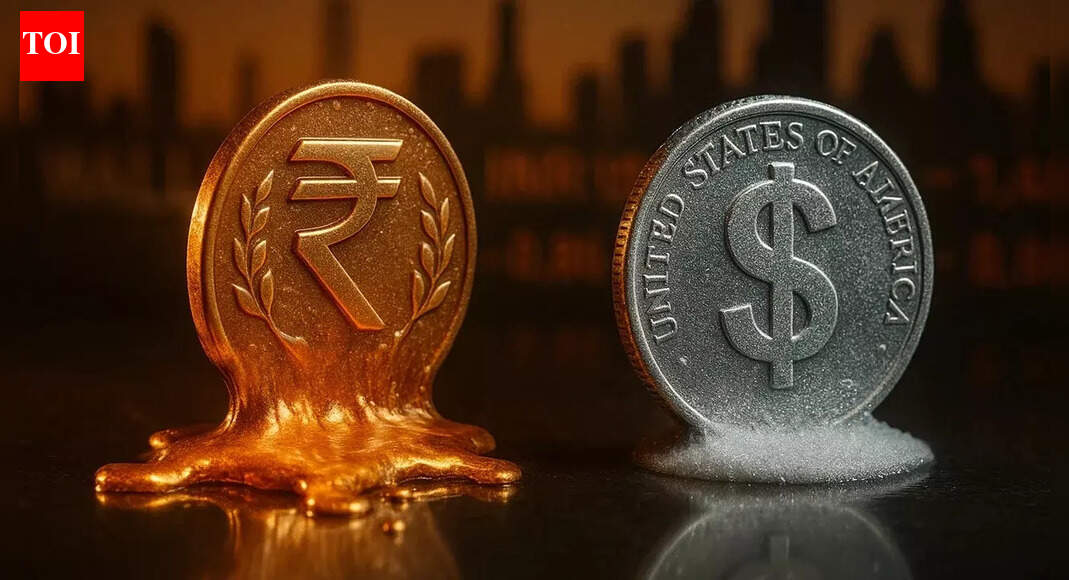
Consumers may soon have to brace for higher prices! The depreciation of the rupee beyond Rs 90 against the US dollar could force various sectors including consumer electronics, beauty products, and automobile manufacturers to increase their prices. This increase may end up eating into the benefits after the recent GST rate cuts. This potential price rise might neutralise the positive sales momentum these sectors saw after recent tax reductions.Companies dependent on imported components or complete imported products are seeing concerns. Several companies had postponed their price increase plans, despite escalating raw material costs, due to potential government oversight following the GST reductions effective September 22.
Rupee hits new low: Will prices rise?
Manufacturers of smartphones, laptops, televisions and major appliances have indicated plans to hike prices by around 3-7% starting December-January, according to an ET report.The price hikes aim to compensate for increased costs of memory chips, copper and additional components resulting from rupee depreciation. The imported materials constitute between 30-70% of manufacturing expenses across these product categories.“The advantages of reduced GST rates will be nullified by currency devaluation and increasing component costs,” said Avneet Singh Marwah, chief executive at Super Plastronics, which manufactures Kodak, Thomson and Blaupunkt TVs.

Currency push
“Memory chip prices have increased more than six times in the past four months. We anticipate demand might decline again after the brief recovery from the GST reduction,” said Marwah according to the ET report.Also Read | Rs 90 to a dollar: What’s driving the fall and why it matters to you – explainedIndustry leaders noted they had calculated costs expecting the rupee to remain at 85-86 against the dollar, but its sharp fall to Rs 90 necessitates new calculations. Several firms had postponed regular price adjustments since October despite rising material costs, wary of being accused of profiteering after GST implementation.Presently, firms have begun notifying retailers about forthcoming price increases. Havells has indicated a 3% increase in LED TV prices, whilst Super Plastronics plans 7-10% higher prices, and Godrej Appliances will raise prices by 5-7% for air-conditioners and refrigerators from January.They indicated that a single-level change in energy efficiency ratings from January will create additional challenges. “The stricter energy rating requirements and weakening rupee necessitate price adjustments from January. Should the rupee weaken further, additional increases may be needed in the March quarter,” said Kamal Nandi, business head at Godrej Appliances. “The GST reduction benefits will be completely negated, but we have no alternative.“Consumer goods manufacturers have privately informed government officials that they cannot continue to absorb rising costs.The rapidly expanding beauty market in India, with international brands like Shiseido, MAC, Bobbi Brown, Clinique and The Body Shop, faces potential challenges due to rising import costs. Furthermore, the GST on cosmetics remains at 18%, with no provisions to offset currency-related cost increases.Also Read | ‘Not losing sleep’: CEA Nageswaran on rupee touching 90 mark versus US dollar; ‘falling rupee is not affecting…’“A weaker rupee does increase our landed cost since a significant share of beauty products across fragrances, cosmetics and skincare are imported and dollar-denominated,” said Biju Kassim, chief executive at Shoppers Stop Beauty. “For distributors like Global SS Beauty, this creates margin pressure that becomes hard to sustain long-term unless partially offset. We work closely with our global brand partners to optimise costs and hedge currency exposure, but some price correction on high-end imported portfolios may eventually be unavoidable.“The declining value of the rupee poses risks to the recent positive trend in vehicle sales, following price reductions implemented by companies on two-wheelers and cars after GST reduction benefits.Mercedes-Benz India’s managing director Santosh Iyer stated, “We estimate the positive effect of the price drop on demand for luxury vehicles to gradually wean away in the mid- to long-term, as prices of luxury cars will rise from current levels owing to deteriorating forex movement. We are mulling a price correction from January 26.”The competitor Audi India is currently evaluating its position in the market.Audi India’s head Balbir Singh Dhillon commented, “The rupee depreciation impacts the company directly and fully, but as of now, the company has not decided on the price increase or its quantum.”The government’s decision to reduce GST on compact automobiles and two-wheelers from 28-31% to 18% resulted in actual price reductions of 8.5-9.9%. This led to increased sales of 17% and 19% in October and November respectively, following a sluggish first half of the financial year. However, the current currency fluctuations might neutralise this surge in demand.





Business
Sky‑high losses: Iran war drives airlines to biggest crash since Covid – $50bn gone – The Times of India
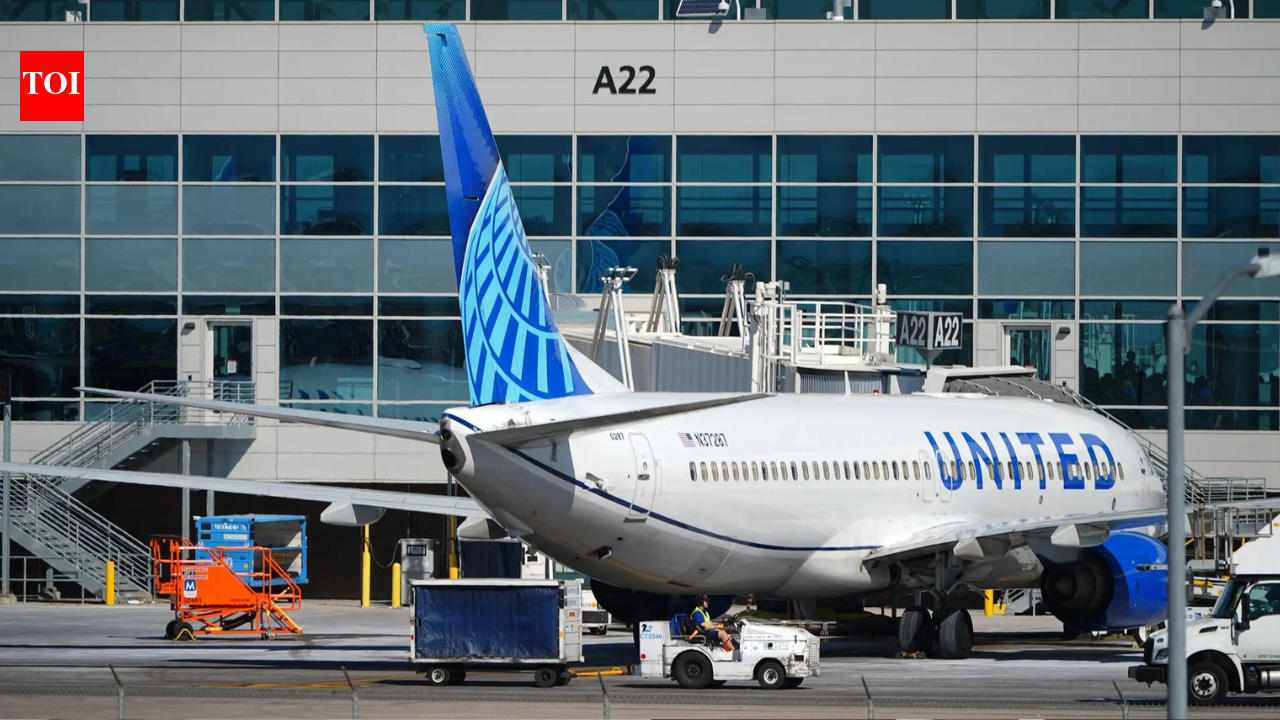
Global airlines have suffered their worst financial shock since the COVID‑19 pandemic as the ongoing war involving US Israel and Iran has disrupted industry operations, wiping more than $50 billion off the market value of the world’s largest carriers amid rising fears of fuel shortages.The conflict, now entering its fourth week, has grounded flights, disrupted key Gulf hub airports and driven jet fuel prices sharply higher, compounding pressure on an industry that was rebounding strongly following pandemic‑related losses.According to Financial Times calculations, the 20 largest publicly listed airlines have collectively lost about $53 billion in market capitalisation since the war began. In response, airline executives have warned of a potential rise in ticket prices as carriers seek to protect shrinking profit margins.Jet fuel, which accounts for roughly a third of operating costs for airlines, has doubled in price since the United States and Israel launched attacks on Iran at the end of February. Many carriers had hedged against fuel price swings, but the rapid rise is expected to force airlines to pass on costs to passengers.“Fuel spiked quite heavily after the Ukraine invasion in 2022 as well, but this has gone further north,” easyJet chief executive Kenton Jarvis told FT, describing the current crisis as the most significant upheaval since the pandemic closed global skies in 2020.Executives also point to broader structural challenges, including the risk that sustained high fares may dampen demand. Carsten Spohr, CEO of Lufthansa, said higher ticket prices were unavoidable but expressed concern that they could weaken long‑term demand. “Our average profit is about €10 per passenger, there’s no way you can absorb the additional cost,” he said.In addition to passenger traffic pressures, airlines are preparing contingency plans for possible jet fuel shortages. Air France‑KLM CEO Ben Smith said the carrier is drawing up measures to cope with potential supply squeezes, including scaling back services on some Asian routes.The crisis has hit Middle Eastern carriers particularly hard. Carriers such as Emirates, Etihad and Qatar Airways have had to sharply reduce schedules due to airspace closures and a collapse in regional tourism, industry officials say. Despite the severity of the current disruption, Willie Walsh, head of the International Air Transport Association (IATA), noted that it still falls short of the pandemic’s impact but is reminiscent of the downturn in transatlantic demand after the 9/11 attacks, according to FT.
Poll
What should airlines prioritize during the current crisis?
The conflict’s ripple effects are also visible in cargo operations, as freight traffic shifts from disrupted shipping routes to air cargo, straining airport facilities. At Geneva airport, for example, freight re‑routing has led to overflow onto services bound for Paris.Industry observers remain hopeful that airline valuations and demand will rebound once the conflict abates. “The share price has moved against all airlines since the start of the conflict,” Jarvis said, adding that short sellers would likely close positions quickly if a ceasefire is announced.
Business
Watch: Cargo ship Pyxis Pioneer, carrying LPG from US, arrives at Mangalore Port – The Times of India
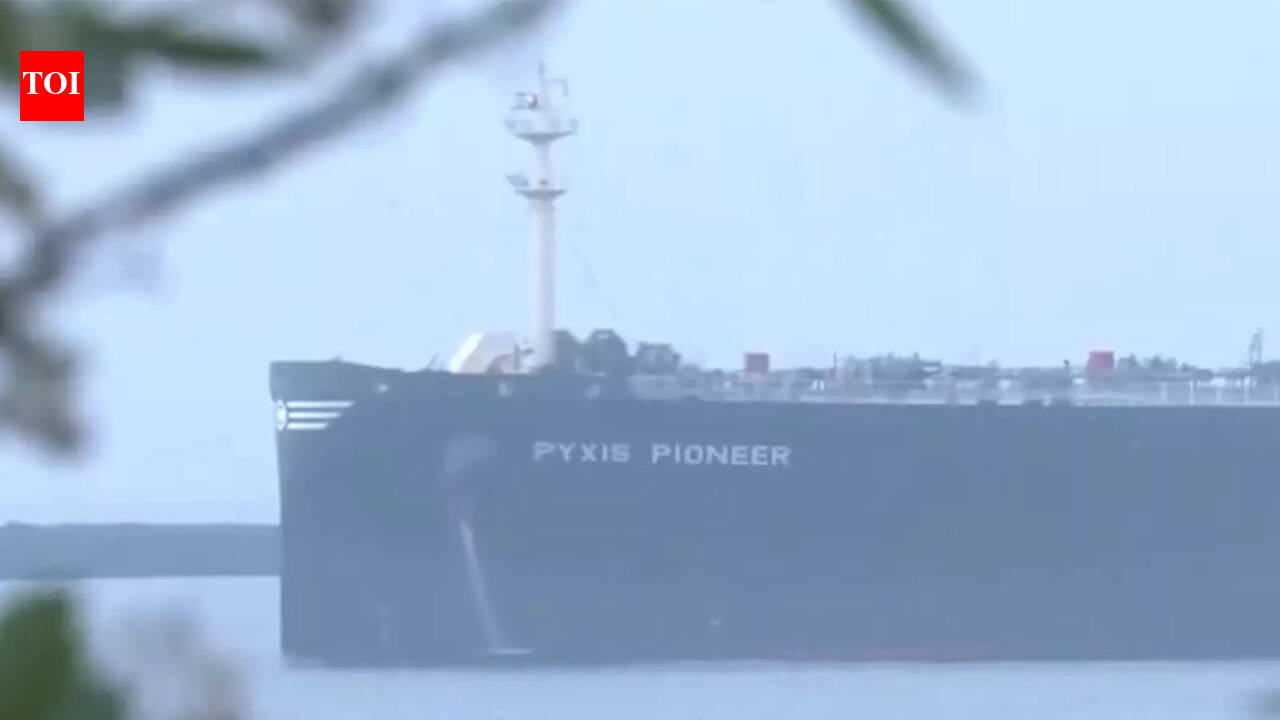
NEW DELHI: The Pyxis Pioneer, a Singapore-flagged cargo vessel carrying liquefied petroleum gas (LPG) from Texas in the United States, docked at New Mangalore Port in Karnataka’s Mangaluru on Sunday.Click here for live updates on Middle East crisis The tanker, built in 2019, arrived a day after the Aqua Titan, which is transporting 1.1 lakh tonnes of Urals crude, reached the port. The Aqua Titan had initially set sail from Primorsk in Russia for Rizhao Port in China before diverting to India.On Friday, the Shipping Ministry said that New Mangalore Port has waived cargo-related charges for crude oil and LPG between March 14 and 31 amid the ongoing Middle East conflict.Also Read | Watch: Missile strike rocks Israel’s ‘Little India’ as Iran attack injures over 40; videos show chaos Earlier this week, three Indian-flagged vessels — Shivalik, Nanda Devi, and Jag Laadki — docked at Gujarat’s Mundra Port carrying LPG. While Shivalik arrived on Monday, Nanda Devi and Jag Laadki reached on Tuesday and Wednesday, respectively.On February 28, the United States and Israel launched coordinated strikes on Iran, triggering the current conflict. In response, Iran has carried out retaliatory attacks on Israeli territory and on Gulf states hosting U.S. military bases. Tehran has also effectively disrupted traffic through the Strait of Hormuz — a critical global chokepoint through which around 20% of the world’s oil supply passes — raising concerns over energy security and global markets.Also Read | Under the sea: How Iran’s invisible fleet of ‘midget submarines’ is turning Strait of Hormuz into danger zone‘All Indian ships and sailors safe’ At Friday’s interministerial briefing on Friday, shipping ministry special secretary Rajesh Kumar Sinha said all 22 Indian ships and 611 sailors in the Persian Gulf are safe amid the ongoing conflict.“There has been no report of any maritime incident in the last 24 hours. All our 22 ships and 611 Indian sailors in the Persian Gulf region are safe, and we are continuously monitoring them… There is no congestion in any port… New Mangalore Port has issued a circular for waiver of all cargo-related charges for crude and LPG from March 14 to 31,” Sinha told reporters.Also Read | Iran invasion next? Pentagon plans for deployment of US troops on ground – reportMeanwhile, the petroleum ministry noted panic booking of LPG cylinders has eased significantly, with 55 lakh bookings reported on Thursday.“There is no panic booking now. Only 55 lakh LPG bookings were reported yesterday. There is adequate stock available, and no outlets are running dry,” joint secretary Sujata Sharma said at the briefing.However, she acknowledged that concerns persist.

Young people are driving a gym boom as more fitness spaces are transformed into vibrant hangouts.
Source link


Journalist points out major flaws in new scathing Prince Harry, Meghan book

Muslims celebrate Eid ul Fitr with joy, togetherness across the globe

Three weeks in, Iran war escalates beyond Trump’s control

Chinese firm to invest $15.34 million in garment factory at BEPZA

Tips and Advice for Buying Used or Refurbished Electronics

UAE savings strategies 2026 explained: Best apps, tools, budget rules and smart money hacks to beat rising cost of living in emirates – The Times of India

-
 Fashion1 week ago
Chinese firm to invest $15.34 million in garment factory at BEPZA
-
 Tech1 week ago
Tips and Advice for Buying Used or Refurbished Electronics
-
Business1 week ago
UAE savings strategies 2026 explained: Best apps, tools, budget rules and smart money hacks to beat rising cost of living in emirates – The Times of India
-
 Politics1 week ago
Iran threatens US-linked oil facilities after Kharg Island bombed
-
 Entertainment7 days ago
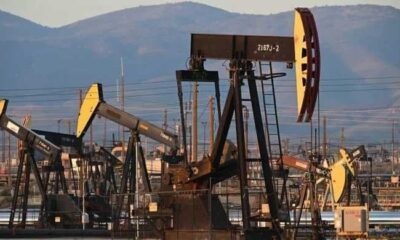
Strategic oil stocks to be released ‘immediately’ in Asia and Oceania: IEA
-

 Sports1 week ago
College Basketball Invitational abruptly cancels 2026 tournament
-

 Sports7 days ago
Transfer rumors, news: Real Madrid open to Camavinga exit, as Premier League clubs circle
-

 Entertainment1 week ago
Meet one of the last true paparazzi