

Politics
Bangladesh’s political crossroads: An election guide

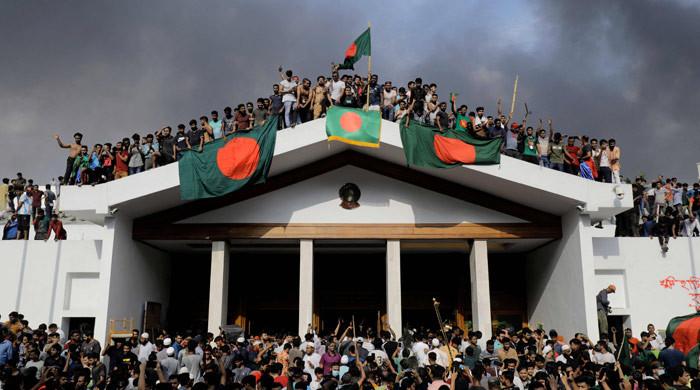
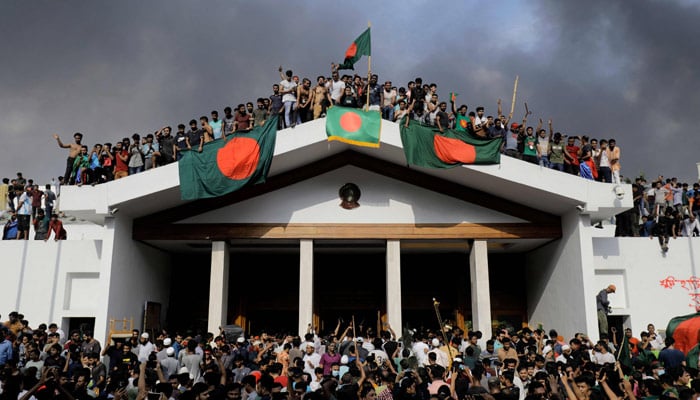
Bangladesh has been in political turmoil since a student-led revolt overthrew former prime minister Sheikh Hasina in August 2024, ending her 15-year autocratic rule.
The Muslim-majority nation of 170 million people will hold its first elections since the uprising on February 12.
Here are the key players in a vote that European Union election observers say will be the “biggest democratic process of 2026, anywhere”.
Interim government
Nobel Peace Prize winner Muhammad Yunus, 85, returned from exile in August 2024 at the behest of protesters to lead a caretaker government as “chief advisor”. He will step down after the polls.
Yunus said he inherited a “completely broken” political system, and championed a reform charter he argues is vital to prevent a return to authoritarian rule.
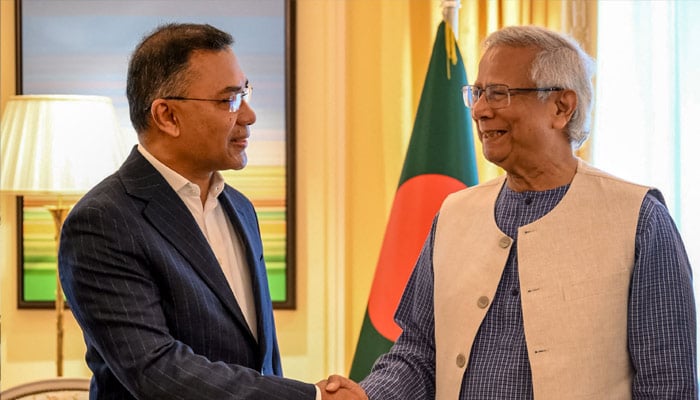
A referendum on the proposed changes will be held on the same day. He says the reforms will strengthen checks and balances between the executive, judicial and legislative branches.
Bangladesh Nationalist Party (BNP)
The BNP, led by Tarique Rahman, 60, is widely tipped to win the election, after he returned from 17 years of self-imposed exile in December 2025.
His mother, the BNP´s veteran leader and former prime minister Khaleda Zia, died aged 80, days after his return.
A BNP-led alliance includes both leftist and centrist parties, as well as small Islamist groups.
Islamist-led alliance
Jamaat-e-Islami, the country’s largest and best-organised Islamist party, ideologically aligned with the Muslim Brotherhood, is seeking a return to formal politics after years of bans and crackdowns under Hasina’s 15-year rule.
Jamaat is leading an alliance of more than 10 smaller parties, including the National Citizen Party (NCP), formed by student leaders who spearheaded the uprising.
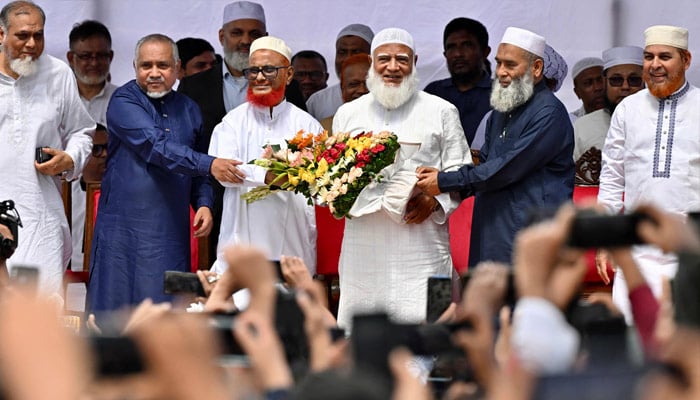
It also includes the small Liberal Democratic Party, as well as fringe Islamist parties, most of which held only a handful of seats in previous parliaments.
Bangladesh — one of the world’s most populous Muslim-majority countries after Indonesia and Pakistan — is home to diverse strands of Islamic practice, including a significant Sufi community often condemned by hardline Islamists.
Around 10% of Bangladeshis are not Muslim — the majority of those are Hindu and the country is also home to a small number of Christians.
Awami League
Hasina, 78, a fugitive in India, was sentenced to death in absentia for crimes against humanity in November.
Her former ruling Awami League, once the country´s most popular party, has been outlawed.
Loyalists may run as independent candidates, but it is unclear who the party’s once sizable membership will back.
Human Rights Watch condemned the ban as “draconian”, while Hasina has warned that holding elections without her party would be “sowing the seeds” of further division.
Army
In a country with a long history of military coups, the army remains a pivotal force.
It played a decisive factor in Hasina’s downfall, choosing not to intervene against the protests.
The military continues to patrol the streets, maintaining a visible presence alongside the police.
International players
Regional powers have taken a keen interest.
Bangladesh’s relations with India — once Hasina´s strongest ally — have cooled.
Yunus’ first state visit was to China, signalling a strategic shift, while Dhaka has also deepened engagement with Pakistan, India’s arch-rival.
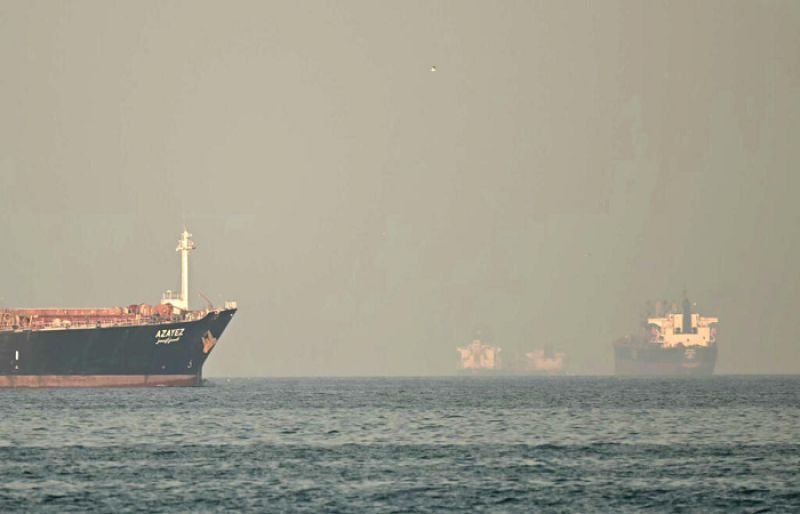
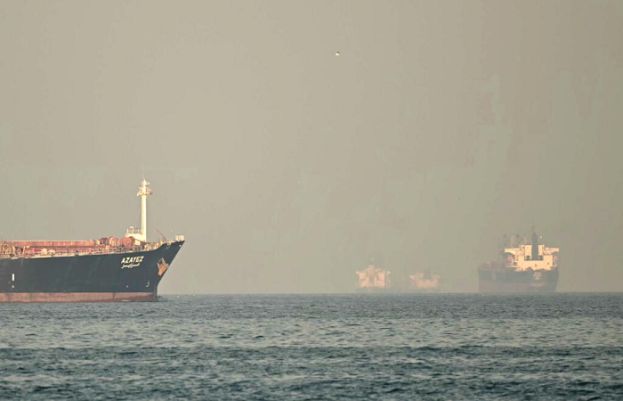
TEHRAN: Tensions in the Middle East escalated further after around 10 commercial vessels were attacked in or near the Strait of Hormuz, while Mojtaba Khamenei was selected as Iran’s new Supreme Leader following the death of his father Ali Khamenei.
The appointment was confirmed by Iran’s Assembly of Experts, which chose the 56-year-old cleric to lead the country.
Shipping Attacks in Strait of Hormuz
According to maritime monitoring agencies, attacks on vessels have nearly halted traffic through the Strait of Hormuz, a corridor through which about 20% of the world’s oil and liquefied natural gas normally passes.
The International Maritime Organization reported nine confirmed attacks within one week, leaving at least seven people dead.
Data from shipping analytics platforms indicates tanker traffic in the region has dropped by about 90% since the conflict intensified.
Iran and Israel Exchange Attacks
Following Mojtaba Khamenei’s appointment, Iran launched a new wave of missile strikes toward Israel, according to Iranian state media.
Israel responded by carrying out additional airstrikes targeting Iranian government and military infrastructure.
Gulf Region Hit by New Attacks
Several Gulf countries also reported new attacks and security incidents:
Bahrain: A drone strike in Sitra injured 32 civilians, including several children.
Qatar: Explosions were heard in the capital Doha, with authorities confirming a missile interception.
Saudi Arabia: Civil defence reported two deaths and 12 injuries from a projectile attack.
UAE: Air defence systems responded to missile threats overnight.
Hezbollah Claims Helicopter Downing
In Lebanon, the Iran-backed group Hezbollah claimed it shot down an Israeli helicopter during fighting near the Syrian border. Israel has not confirmed the claim.
US Casualties Rise
The United States Armed Forces confirmed the death of its seventh service member since the war began. The soldier died from injuries sustained during an earlier attack in Saudi Arabia.
Global Concern and Diplomatic Efforts
Amid escalating violence, Emmanuel Macron spoke with Iranian President Masoud Pezeshkian, urging Tehran to halt strikes across the region.
The conversation marked the first known contact between a Western leader and Iran’s president since the conflict began.
Analysts warn that continued attacks on shipping routes and energy infrastructure could severely disrupt global oil supplies and international trade.
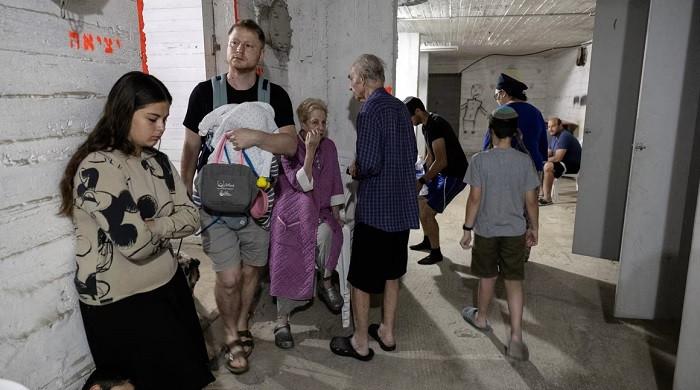
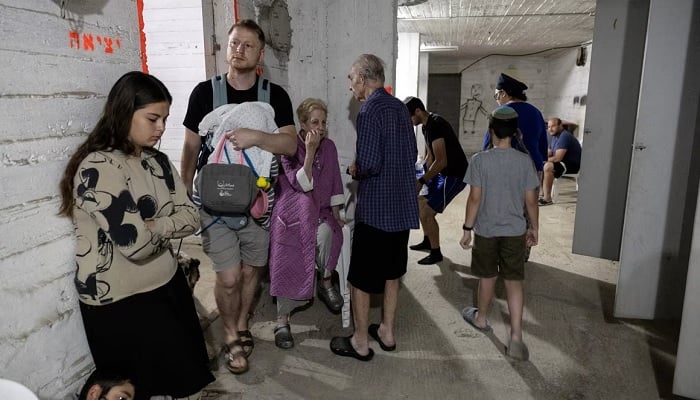
What is Israel’s best bomb shelter? And when is the best time of day to shower without interruption from a missile alert?
The Middle East war that began with US and Israeli strikes on Iran has provoked waves of retaliatory Iranian fire as well as some tricky questions for Jews and Arabs from Tel Aviv to Jerusalem.
A new app, which went viral in the country within hours of launching, uses statistical analysis of recent air raid alerts in specific areas to guide users on the optimal time of day to bathe, while limiting the chances of having to run for cover mid-wash.
“Can’t even take a shower. I’m naked in the dining room. Is that normal?” quipped an Israeli on a Telegram account with 60,000 followers, as an alert warning of incoming Iranian missiles ordered residents to head for shelter.
Time Out, a publication known for directing people towards trendy restaurants and cocktail bars, is also trying to help the public navigate the war.
It has published a list of desirable Tel Aviv beach spots based on their proximity to a shelter.
“We searched and found beaches that are near compliant protected areas (shelters) you can reach in just a few minutes’ walk if necessary. Don’t panic!”
Journalist Ofek Tzach has offered a ranking of Tel Aviv’s public shelters.
Among the low performers are one that he derides as packed with tourists, another “with barking dogs,” and a third he says is “quiet but with no one to talk to.”
Married in bomb shelter
There have also been endearing moments that have captured the public’s attention.
The wedding venue booked by Lior and Michael was no longer available, due to security restrictions, so the couple got married in a shelter — four levels below ground in a shopping centre parking lot.
“It was a wonderful moment,” even if 70% of the people there were strangers, Michael told Israel’s Channel 13.
There has also been a surge of online advice on how to make time in shelters more bearable.
Books, music and cushions are popular recommendations, standing in contrast to the more austere guidance from Israeli authorities, which includes having a radio, batteries, a phone charger and ID papers.
For Palestinians living in Israeli-annexed East Jerusalem, responses to the relentless air raid sirens have tilted towards dark humour.
There are a few public shelters in the eastern part of the city, and private shelters are almost non-existent.
“At the moment, Palestinians are taking a plate of qatayef and going up to the roof” to watch the missiles, said a Facebook post by pastry chef Mohammad Alayan, referring to the dessert traditionally eaten during the Muslim holy month of Ramadan.
Palestinians in East Jerusalem regularly film rockets streaking through the sky from their rooftops.
Palestinians also took playful aim at a Facebook post by Jerusalem Mayor Moshe Lion detailing the proper conduct when an air raid siren sounds.
One comment on the post, apparently from a resident of the east Jerusalem refugee camp Shuafat, asked: “What is someone in Shuafat refugee camp supposed to do? Jump out the window?”
- Prosecutors link plot to Iranian authorities.
- Merchant says he acted to protect family.
- Plot tied to Soleimani killing, says prosecutors.
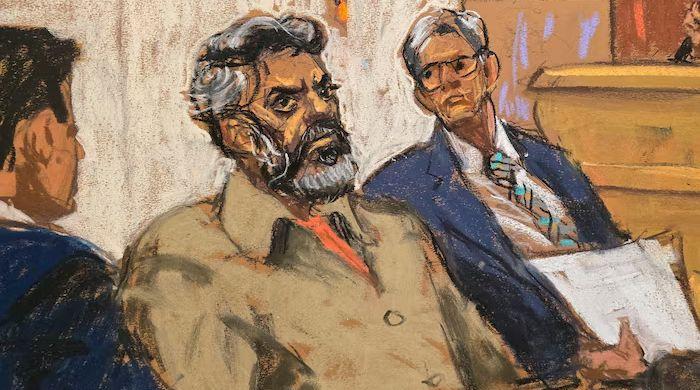
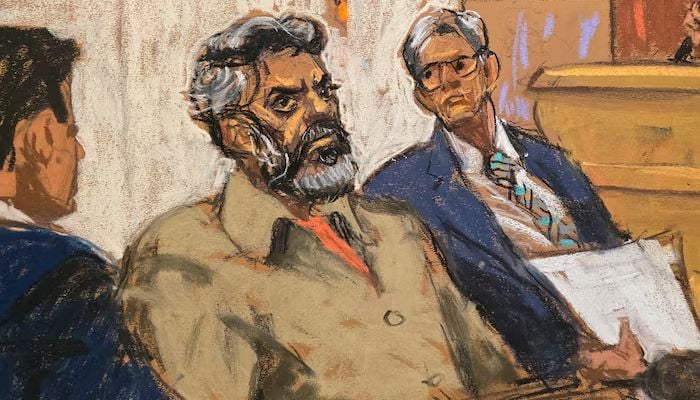
WASHINGTON: Pakistani national Asif Merchant was convicted on Friday in the United States over a plot to kill President Donald Trump and other prominent American politicians allegedly directed by Iran, according to the US Department of Justice.
Merchant admitted during the trial that he joined the plot with Iran’s Islamic Revolutionary Guard Corps, but told the court he had acted unwillingly and only to protect his family in Tehran.
Merchant was accused of trying to recruit people in the US in a plan targeting Trump and others in retaliation for Washington’s killing of Iranian military commander Qassem Soleimani in 2020, when Trump was in his first term.
Targets in the 2024 plot also included then-President Joe Biden and Nikki Haley, who ran against Trump that year for the Republican presidential nomination, federal prosecutors said.
Merchant was convicted of “murder for hire and attempting to commit an act of terrorism transcending national boundaries,” directed by the Iranian authorities, the DOJ said in a statement.
The trial in the New York City borough of Brooklyn started last week, days before Trump ordered an assault on Iran, carried out with Israel, that has expanded into the region’s biggest war in years.
Merchant said he was never ordered to kill a specific person but that his Iranian handler named three people in the course of conversations in the Iranian capital.
Law enforcement thwarted the plan before any attack occurred. A person Merchant contacted in April 2024 to help with the plot reported his activities and became a confidential informant, the DOJ said.
Merchant was arrested and pleaded not guilty that year. Tehran has denied accusations that it targeted Trump or other US officials.


India–Canada CEPA: Closing Canada’s preference gap before compliance

Crude oil surpasses $100: WTI up 30%, brent crude reaches $118; what it means? – The Times of India

10 Ships Attacked in Strait of Hormuz as Mojtaba Khamenei Named Iran’s Supreme Leader

-

 Politics2 days ago
India let Iran warship dock the day US sank another off Sri Lanka, say officials
-
 Politics1 week ago
Iran launches retaliation against Israel, launches ballistic missiles
-

 Entertainment1 week ago
Al Jazeera broadcast interrupted by emergency missile alert in Qatar
-

 Sports1 week ago
Transfer rumors, news: Man City, Man United in for Anderson
-

 Sports2 days ago
Pakistan set for FIH Pro League debut | The Express Tribune
-

 Sports1 week ago
College basketball star suspended by team for spitting toward opposing fan
-

 Fashion1 week ago
India’s real GDP estimated to grow 7.6% in FY26 under new base FY23
-

 Tech1 week ago
This Laptop Cooling Pad Knocked 20 Degrees Off My Laptop’s CPU Temperature