

Politics
Inside view from Tehran: Protests, inflation and Mossad

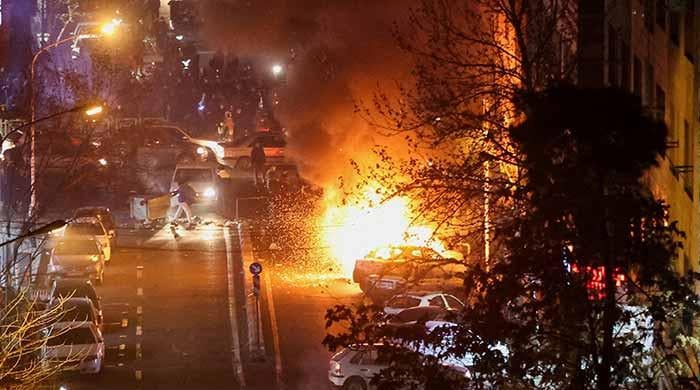
Iran has been grappling with its major demonstrations since 2022, driven by economic grievances, with its currency losing half its value against the US dollar last year and inflation topping 40% in December.
The protests pose the biggest internal challenge in at least three years to Iran’s rulers, who look more vulnerable than during past bouts of unrest after last year’s war with Israel and the United States.
Adding to the distress, US President Donald Trump has repeatedly threatened military action over Tehran’s what he says “severe crackdown” on the protests. Furthermore, Trump announced that any country doing business with Iran will face a new tariff of 25% on its exports to the US.
However, the country’s Foreign Minister Abbas Araqchi dismissed the threats, saying Iran is “ready for war but also for dialogue”.
In a sign of the severity of the crisis, the Iranian authorities have imposed an internet blackout lasting more than three-and-a-half days. Moreover, they also sought to regain control of the streets with mass nationwide rallies.
Muhammad Hussain Baqeri, an international affairs expert, appeared on Geo News programme ‘Aaj Shahzeb Khanzada Kay Sath’ on Monday, and provided an inside view of the ongoing situation in Iran.
‘Regime change operation’
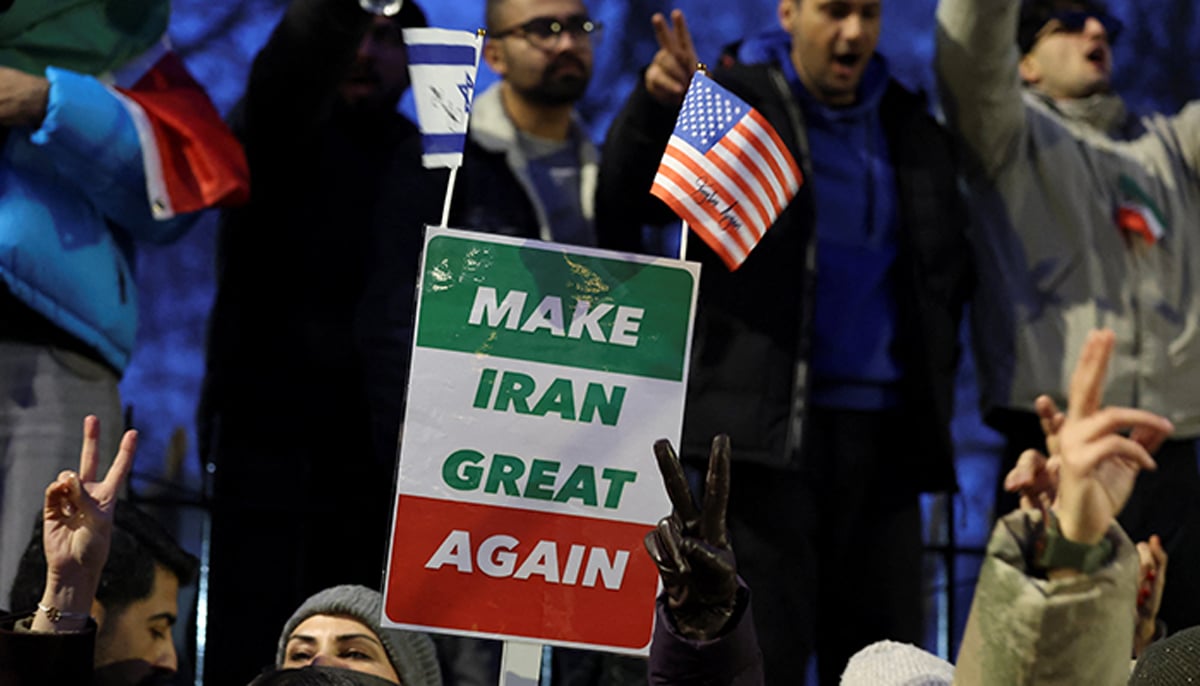
When asked about the ground situation, Baqeri said that Reza Pahlavi, the son of the former Shah of Iran — who resides in Washington — announced a protest call on January 8 and 9. “However, the main objective of protests wasn’t about inflation; they were aiming for regime change in Iran,” he added.
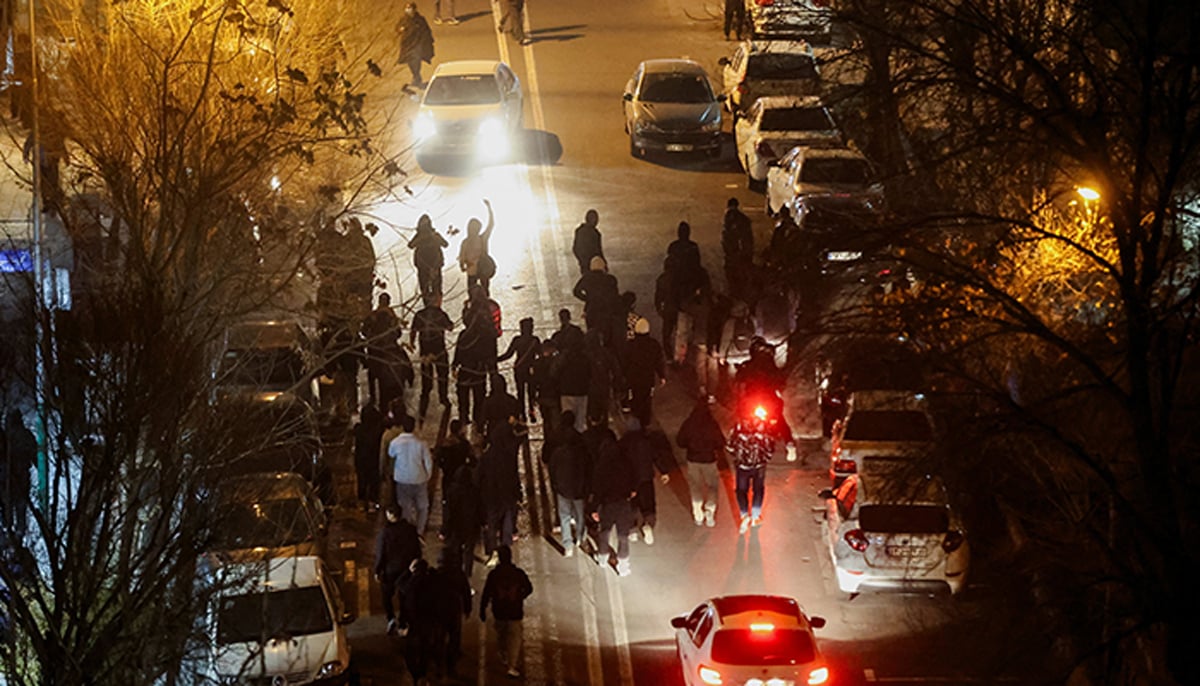
Referring to the protests on Thursday and Friday, he estimated that the crowds were in the thousands — more than 10,000 but fewer than 15,000. “During the 8pm to 10pm window, many people joined, and it was a very peaceful protest,” he said.
“However, after 10pm, I saw individuals from terrorist organisations emerging from within the crowds. They had military-grade weapons and started shooting. They then started setting fire to banks, mosques, and police stations,” he said.
Baqeri acknowledged the anger among Iranian people over the rising cost of living, saying that on January 3, the dollar rate increased by 35% in a single day, reaching 140,000 Iranian Rial.
“The government is acknowledging their right to protest, but there is a big difference between a protest and a riot,” he added.
However, the expert claimed that common Iranians do not own guns. “If someone has a gun in Iran, it’s either because they are a member of a high-level security organisation or they belong to a terrorist group.”
Speaking about the destruction caused during the protests, Baqeri said that at least 150 ambulances, 50 mosques and seven fire engines were torched across Iran. Moreover, he added, at least 40 banks, police stations and Red Crescent centres were attacked.
“The Iranian people do not burn mosques. No matter how angry they are with the regime or the government, they are Muslims and do not burn mosques.”
‘Mossad agent arrested’
Baqeri further said that a terrorist linked to the Israeli spy agency, Mossad, was captured in Iran, who during an interview alleged that they were trained to “shoot for the head”, whether the targets were security forces or civilians.
“They wanted ‘dead bodies’ to show Trump and Netanyahu so they could claim the government is massacring its people and demand intervention. This happened on Thursday and Friday,” he added.
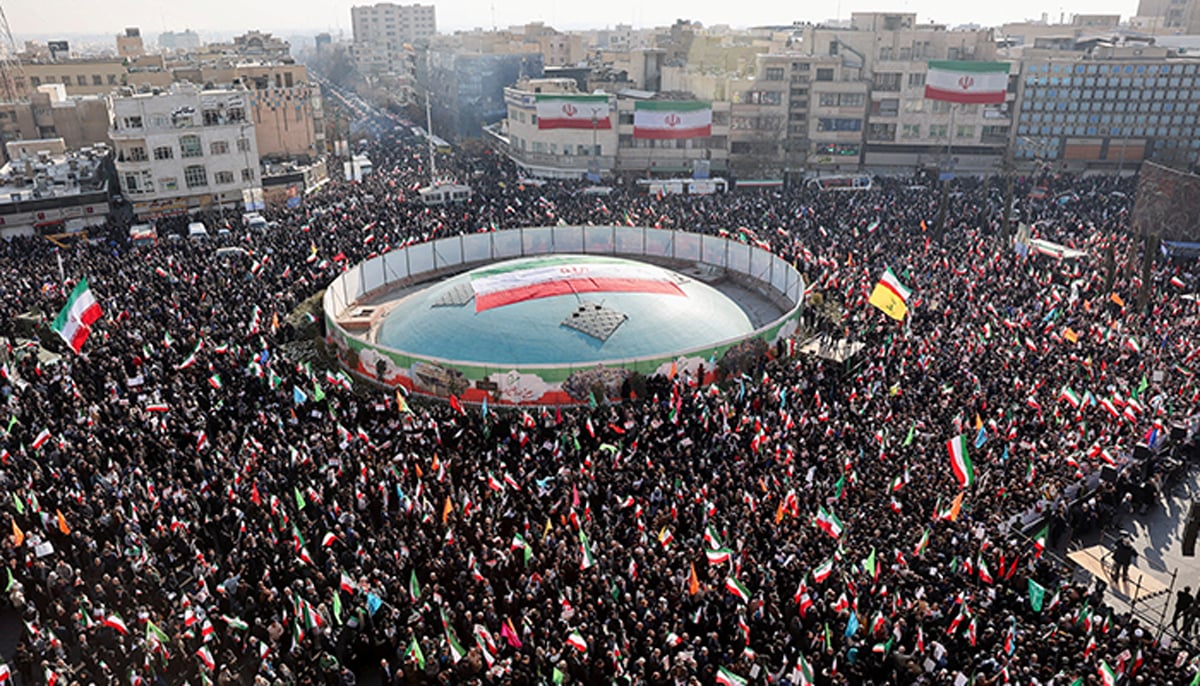
“But on Monday, the government called for a counter-rally. I went to Inqalab Square and Azadi Square; people were there with Qurans in their hands. There were likely more than 300,000 to 400,000 people. It’s hard to count, but the footage shows a sea of people,” Baqeri added.
Trump threats
Responding to a question about Trump’s threat of strikes and a “Venezuela-style” operation, the expert said that the United States has two options if it wants to attack Iran.
“One is air strikes, which they already attempted last June. They used state-of-the-art B-52 and B-5 bombers, and Israeli F-16s hit various locations,” he said, questioning whether these strikes resulted in regime change.
He expressed doubt over another airstrike attempt in Iran, saying that if the US and Israel want regime change, they need “boots on the ground”.
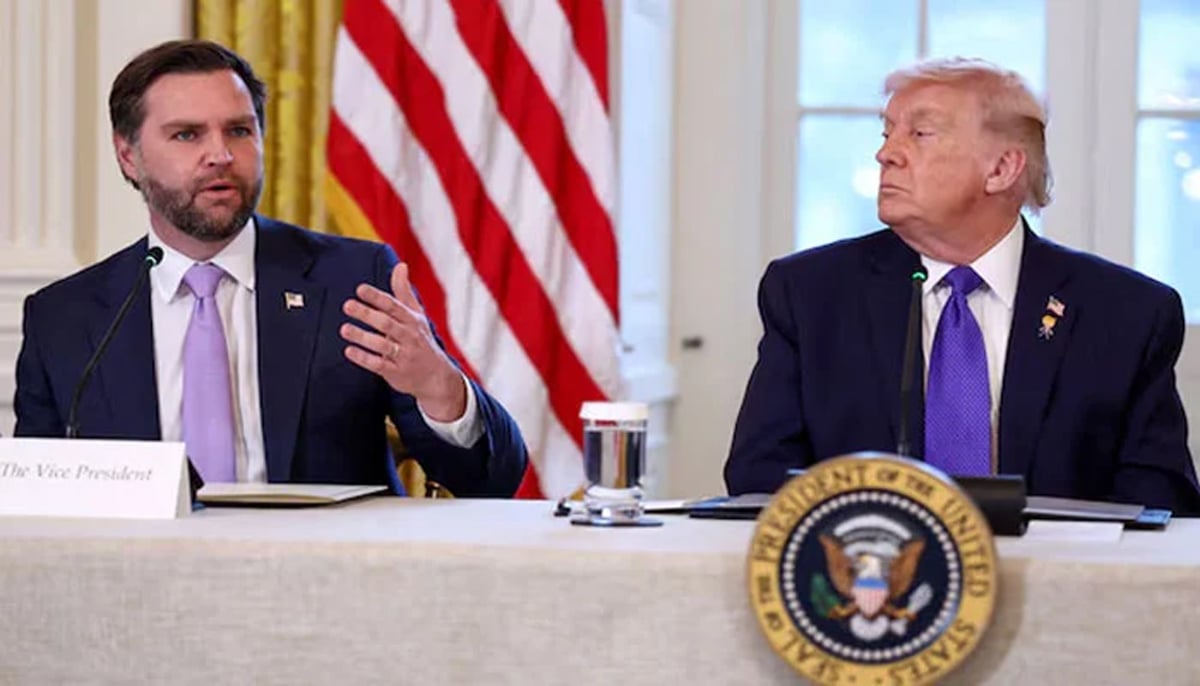
However, he said, Iran is 1.7 million square kilometres of land with a population of 90 million. Out of that, about 15 to 20 million are part of Iran’s Revolutionary Guard.
“If they couldn’t wipe out Hamas in Gaza — which is a much smaller organisation — how will they manage boots on the ground in Iran? I don’t think President Trump would want to see a graveyard for American soldiers in Iran.”
Iran’s response to threats
Furthermore, Baqeri said Iran has warned that it will respond forcefully — including through possible preemptive action — if it becomes certain that a military attack is imminent, with Israel and US interests across the region likely to be targeted.
He said Tehran has made its position clear that any assault would trigger a wider regional conflict, adding that Iran would strike Israel with ballistic missiles and target American military and strategic interests, including US naval assets, which he claimed were within missile range.
Baqeri warned that any decision by Trump to launch an attack would have serious consequences and could plunge the entire region into a large-scale war. However, he said he did not believe Washington would move towards a direct military strike at this stage, though he alleged that attempts to create internal unrest in Iran through covert operations could continue.
According to the expert, the regime change in Iran remained a distant possibility.
‘Major surgery’
Addressing Iran’s internal situation, Baqeri said public frustration was growing due to soaring inflation, a weakening currency and rising unemployment. He noted that for the first time in two decades, Iran’s parliament had rejected the government’s budget, reflecting the severity of economic pressures.
The assembly, he said, had asked the Iranian president to revise the budget and align salary increases with inflation, adding that a new budget is expected within weeks, likely including a 40% to 45%.
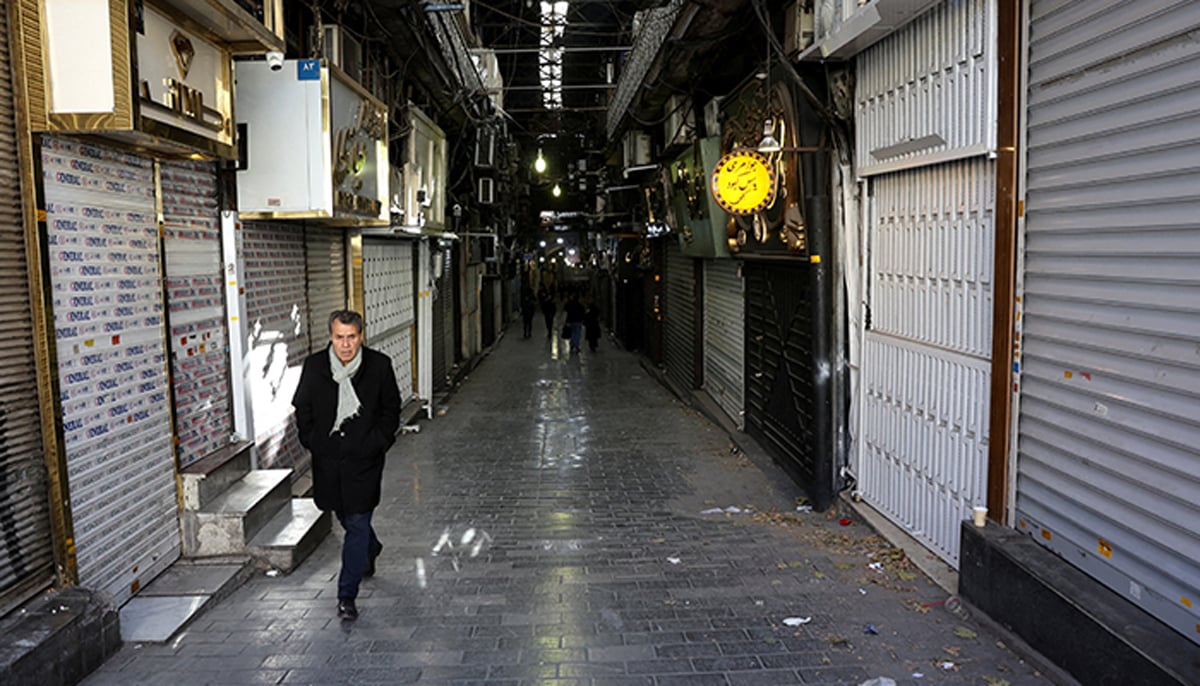
He further said the Iranian government is preparing what he described as “major surgery” on the economy, particularly by reforming the currency system.
Baqeri pointed out that multiple exchange rates for the dollar — used separately for food, imports and exports — had fuelled widespread corruption. He said the government is now attempting to narrow the gap between the subsidised and open market exchange rates, which could help reduce corruption and provide some economic relief.
However, he cautioned that Iran was currently facing serious economic challenges and that managing the situation would not be easy.
— With additional input from AFP and Reuters

WASHINGTON: The United States Senate has rejected a resolution aimed at limiting President Donald Trump’s authority to continue military strikes against Iran.
The bipartisan measure, introduced by Tim Kaine and Rand Paul, sought to require the withdrawal of US forces from hostilities with Iran unless Congress formally authorized the campaign.
However, the resolution failed in a 53–47 vote, reflecting strong support from Republican lawmakers for the president’s military actions.
Debate Over War Powers
Democratic lawmakers argued that the president had bypassed Congress by ordering airstrikes on Iran without prior authorization.
Senator Tim Kaine said that classified briefings provided to lawmakers did not present evidence of an imminent threat from Iran to the United States.
Republicans, meanwhile, defended the military action, saying Iran had long posed a threat to US forces and interests in the region.
Growing Conflict in the Middle East
The vote comes amid an escalating conflict following US-Israeli strikes on Iran, which triggered retaliatory missile and drone attacks across the Gulf region.
The conflict has already resulted in the deaths of senior Iranian officials, including Ali Khamenei, and casualties among US troops stationed in the Middle East.
War Powers Act
The resolution invoked the War Powers Resolution, a law passed after the Vietnam War to limit the president’s ability to conduct military operations without congressional approval.
Even if the measure had passed both the Senate and the House of Representatives, President Trump could have vetoed it, requiring a two-thirds majority.
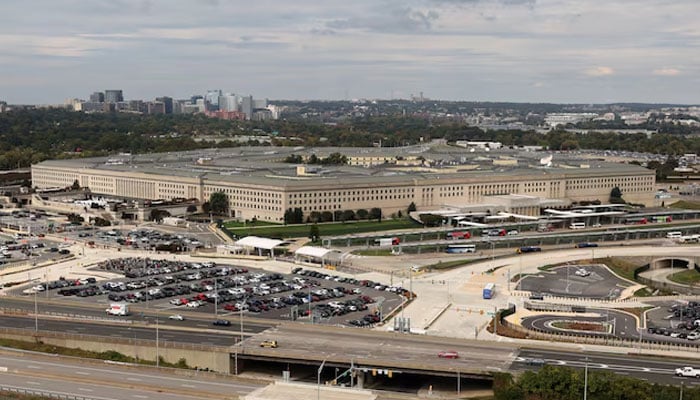
The US military asked mining companies last Friday to help boost domestic supplies of 13 critical minerals used to make semiconductors, weapons and other products, a document reviewed by Reuters showed.
The request, the day before the US and Israel launched strikes on Iran, is the latest example of Washington’s push for more access to the materials used widely in warfare.
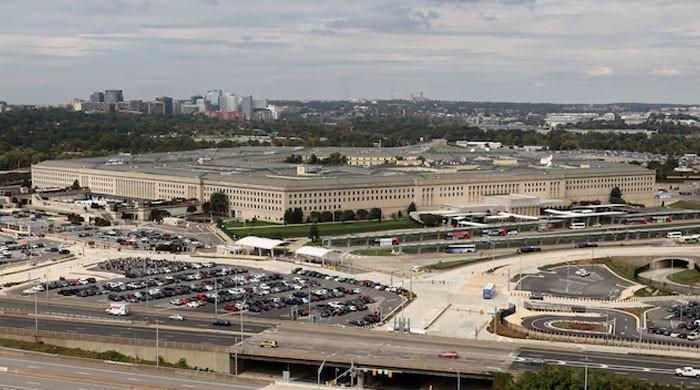
The Pentagon asked members of the Defence Industrial Base Consortium (DIBC), a group of more than 1,500 companies, universities and others that supply the military, for proposals to be submitted by March 20 for projects that could mine, process or recycle select minerals, the document showed.
While the DIBC has worked on minerals-related issues for some time, there was no immediate indication as to whether the timing was intentionally coordinated to coincide with the start of the strikes on Iran.
The list of 13 minerals sought includes arsenic, bismuth, gadolinium, germanium, graphite, hafnium, nickel, samarium, tungsten, vanadium, ytterbium, yttrium and zirconium.
The US is reliant on imports for most of the 13. China is a dominant global producer of all of them.
DIBC member Guardian Metal Resources plans to apply for funding for its two tungsten projects in Nevada, said J.T. Starzecki, the company’s executive chairman. Tungsten is used to harden steel and China is the world’s largest producer.
“This is the opportunity we’ve been waiting for,” Starzecki told Reuters. “Our plan is to look for an application that would give us a funding package to allow us to get to full production at both sites.”
American Tungsten, which is developing an Idaho mine for that metal, plans to apply for funding next week that would complement a loan it has applied for from the US Export-Import Bank, said CEO Ali Haji.
The Pentagon asked for detailed information on the costs, including labour and material, needed to build a mine or processing facility. Projects could be awarded development funds ranging from $100 million to over $500 million, according to the request.
The document did not specify why only those 13 minerals were chosen. Some — including germanium, graphite and yttrium — have been subject to export restrictions by China, the top global producer.
Yttrium shortages, especially, have set off alarm bells throughout the aerospace industry. One of the 17 rare earths, yttrium is used in coatings that keep engines and turbines from melting at high temperatures. Without regular application of these coatings, engines cannot be used.
Colorado-based Energy, also a DIBC member, said it is developing facilities to process gadolinium and samarium by 2027, and is considering processing yttrium.
“The domestic supply of critical minerals remains essential to safeguarding both national security and economic stability,” said Mark Chalmers, the Energy Fuels CEO.
Nickel is a widely traded metal and Indonesia is the top global producer. Yet Jakarta has been throttling exports of the metal used widely in stainless steel and battery production.
The White House, DIBC and Pentagon did not immediately respond to requests for comment.
Latest request
DIBC’s request is just the latest attempt by the Trump administration to increase US supply of key critical minerals. China has been using its market control as diplomatic leverage in ongoing trade disputes with Washington.
Last month, Trump officials launched a $12 billion minerals stockpile backed by the US Export-Import Bank and proposed a preferential minerals trading bloc with more than 50 allies.
That trading bloc would aim to use reference prices for minerals derived in part by a Pentagon-created artificial intelligence programme, Reuters reported last week.
The administration has also taken equity stakes in rare earths miner MP Materials, Lithium Americas, and copper-and-cobalt developer Trilogy Metals.
Separately on Wednesday, the Defence Logistics Agency, which buys a range of goods for the US military, asked for information from miners on potentially acquiring lithium, chromium and tellurium for military stockpiles.
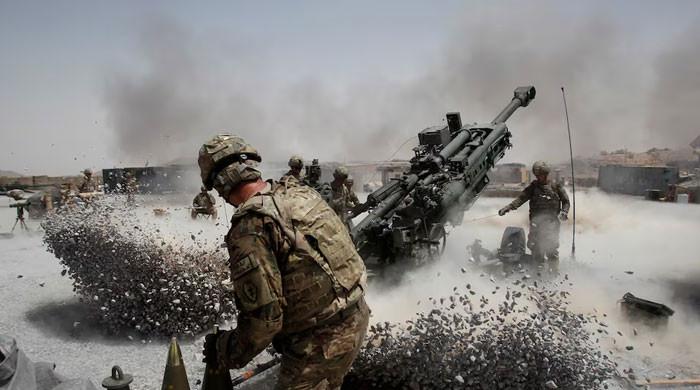
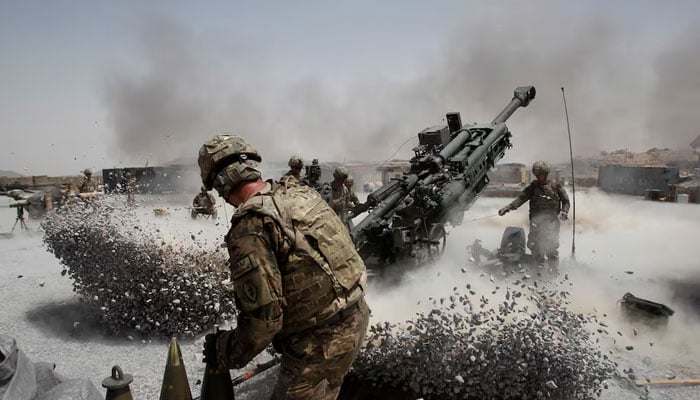
Despite promising to end United States’ involvement in costly and destructive foreign wars, President Donald Trump, together with Israel, has launched a massive military assault on Iran, targeting its leadership as well as its nuclear and missile infrastructure.
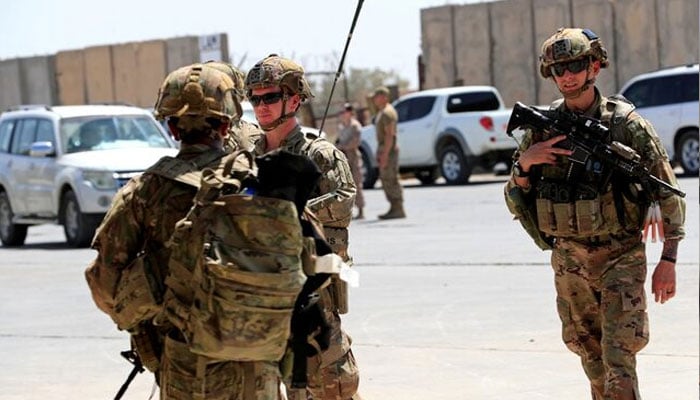
Since the September 11, 2001, attacks on New York and Washington DC, the United States has engaged in three full-scale wars and conducted bombing operations in at least 10 countries. These operations have ranged from large-scale invasions to targeted air strikes and drone campaigns, often carried out over multiple years.
In the immediate aftermath of 9/11, then-President George W Bush declared a “war on terror”, launching a global military campaign that reshaped US foreign policy.
The wars in Afghanistan and Iraq were followed by military operations in Pakistan, Syria, Yemen and other regions, as successive administrations expanded or sustained counterterrorism efforts.
Two decades of war and its costs
Research by Brown University’s Watson Institute for International and Public Affairs estimates that US-led wars since 2001 have directly caused approximately 940,000 deaths across Afghanistan, Pakistan, Iraq, Syria, Yemen and other conflict zones, according to Al Jazeera report.
The figure excludes indirect deaths resulting from displacement, destruction of infrastructure, limited access to healthcare and food shortages, the report said.
According to the report, the United States has spent an estimated $5.8 trillion on post-9/11 wars. This includes $2.1 trillion allocated by the Department of Defence, $1.1 trillion by the Department of Homeland Security, $884 billion added to the Pentagon’s base budget, $465 billion for veterans’ medical care and roughly $1 trillion in interest payments on war-related borrowing.
In addition, the US is projected to spend at least another $2.2 trillion on veterans’ care over the next three decades, bringing the total estimated cost of its post-2001 wars to approximately $8 trillion.


Canada’s Gildan posts $3.6 bn 2025 sales, growth supported by Hanes

Steve Kerr, Doc Rivers join ‘political interference’ letter

US Senate Rejects Resolution to Limit Trump’s Iran War Powers

India Us Trade Deal: Fresh look at India-US trade deal? May be ‘rebalanced’ if circumstances change, says Piyush Goyal – The Times of India

What are Iran’s ballistic missile capabilities?

US arrests ex-Air Force pilot for ‘training’ Chinese military

-
Business6 days ago
India Us Trade Deal: Fresh look at India-US trade deal? May be ‘rebalanced’ if circumstances change, says Piyush Goyal – The Times of India
-
 Politics7 days ago
What are Iran’s ballistic missile capabilities?
-
 Business1 week ago
Households set for lower energy bills amid price cap shake-up
-
 Politics7 days ago
US arrests ex-Air Force pilot for ‘training’ Chinese military
-
 Fashion1 week ago
OECD GDP growth slows to 0.3% in Q4 amid mixed trends
-

 Fashion6 days ago
Policy easing drives Argentina’s garment import surge in 2025
-
 Business6 days ago
Attock Cement’s acquisition approved | The Express Tribune
-

 Fashion6 days ago
Texwin Spinning showcasing premium cotton yarn range at VIATT 2026