

Business
Think 10-Minute Delivery Is An Indian Idea? This Country Started It In 2015


Ten-minute home delivery, once marketed as the future of urban convenience, is now at the centre of a policy pushback in India, with the government ordering a ban on the ultra-fast model amid safety and labour concerns. Quick commerce refers to the ultra-fast delivery of groceries and daily essentials, typically within 10 to 15 minutes. The model relies on a dense network of small warehouses, often called dark stores, located close to residential neighbourhoods, and a large fleet of delivery riders. While the concept gained mass visibility in India in recent years, its roots stretch back over a decade in other markets. (News18 Hindi)

Getir: Turkey-based Getir is widely credited with launching the world’s first 10-minute grocery delivery service in 2015. Riding early success, the company expanded aggressively across Europe and into the United States. However, mounting costs and slowing demand forced Getir to scale back, shutting operations in several countries. Today, it remains active primarily in Turkey and select European markets. (News18 Hindi)
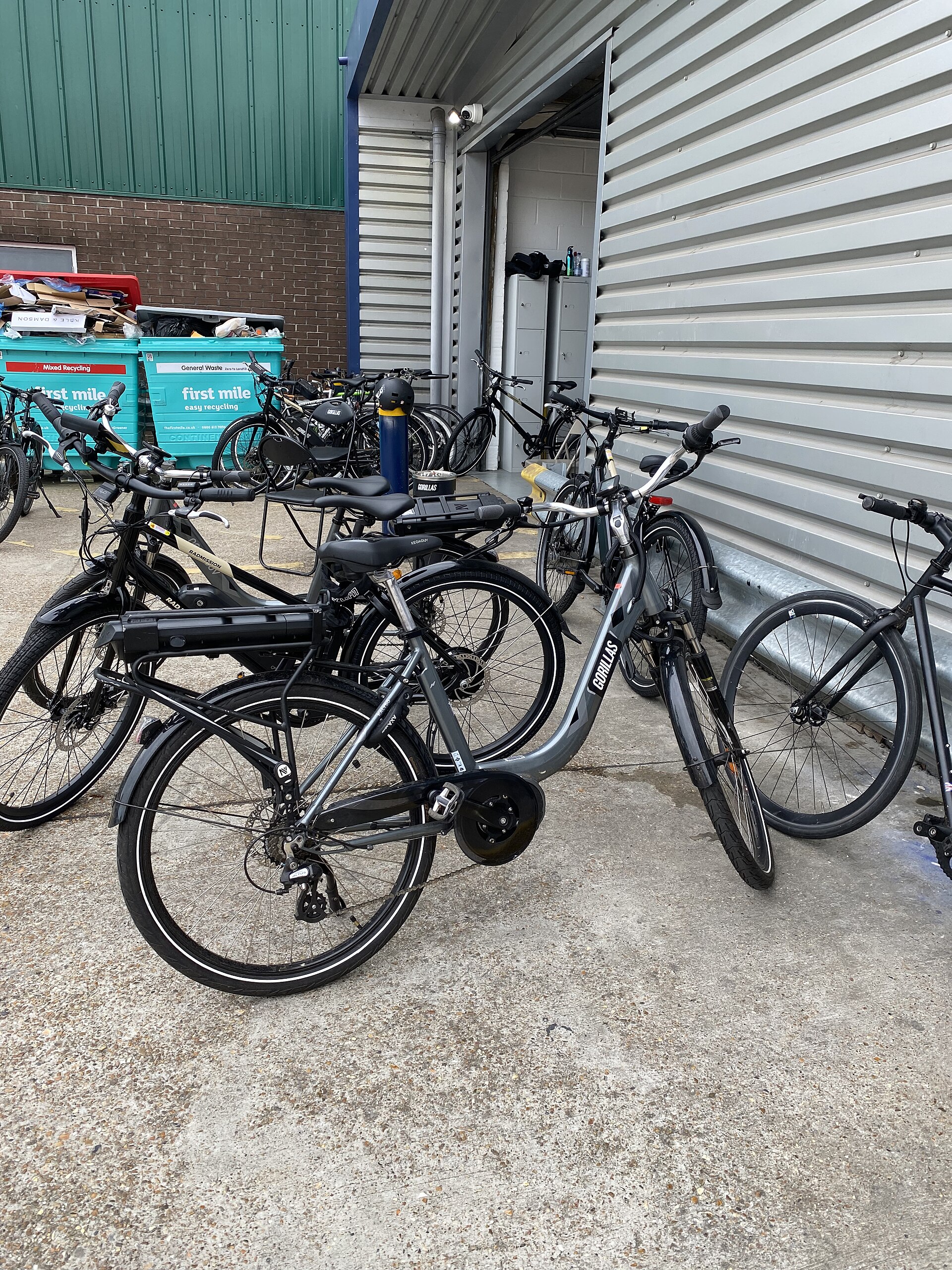
Gorillas: Germany’s Gorillas became a poster child for quick commerce in Europe, expanding at breakneck speed across major cities. Despite strong brand recognition, the economics proved challenging. Gorillas was eventually acquired by Getir, after which its standalone services were wound down in many markets. (News18 Hindi)

Flink: Flink tested a slightly slower ten- to fifteen-minute delivery promise in countries such as Germany and France. Unlike some rivals, it avoided unchecked expansion and continues to operate in select European cities, though on a more measured scale. (News18 Hindi)
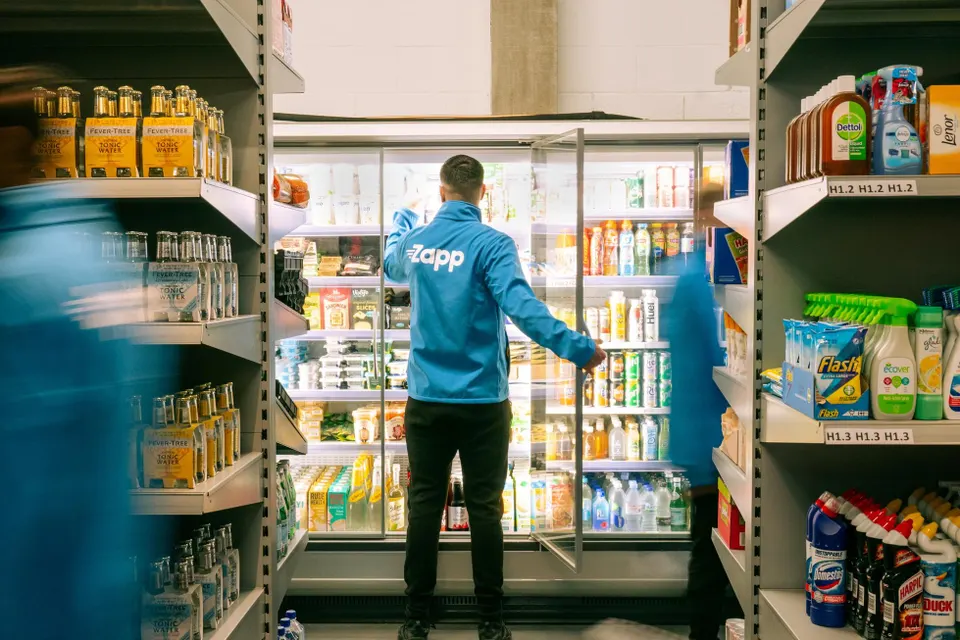
Zapp: UK-based Zapp focused on rapid delivery of snacks, beverages and convenience items rather than full grocery baskets. While the sector shrank around it, Zapp continues to operate in limited geographies, including parts of London. (News18 Hindi)

Rappi Turbo: Rappi Turbo, an offshoot of Latin American super-app Rappi, successfully implemented ten-minute delivery in markets like Mexico and Brazil. Industry watchers often describe it as the strongest quick commerce model outside India, benefiting from urban density and an existing logistics ecosystem. (News18 Hindi)

Gopuff: In the United States, Gopuff pursued faster delivery but deliberately avoided the ten-minute promise, settling instead for a fifteen- to thirty-minute window. The company continues to operate in several US cities, reflecting a more sustainable, if less sensational, approach. (News18 Hindi)
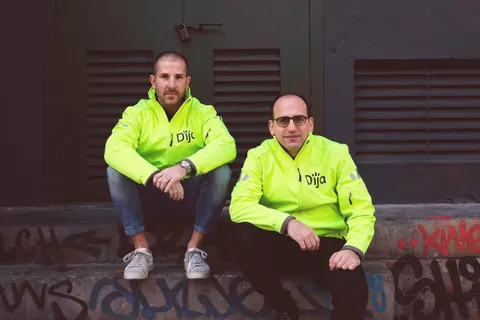
Dija: UK-based Dija entered the race with a ten-minute delivery model but struggled to make the economics work. High operational costs and weak profitability ultimately led to the company shutting down. (News18 Hindi)

India stands out as the rare market where ten-minute delivery not only survived but flourished. Analysts attribute this to a combination of dense urban populations, relatively low labour costs, a vast gig-worker base and the rapid scaling of dark stores. Fierce competition among players such as Blinkit, Zepto and Swiggy Instamart further accelerated adoption. As a result, India emerged as a global leader in quick commerce, even as other countries pulled back. (News18 Hindi)
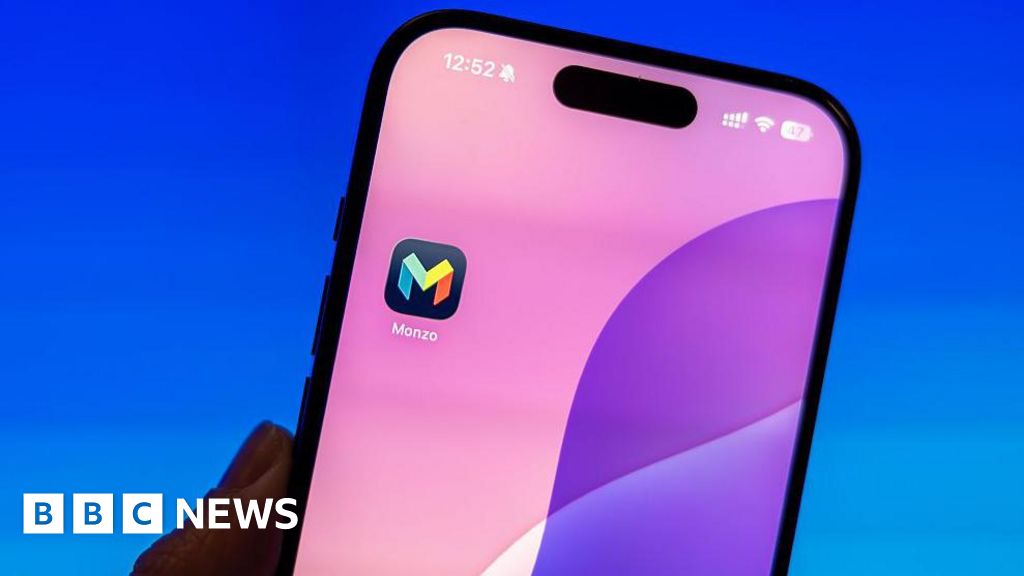
Monzo says it has resolved an issue affecting its mobile banking app on Tuesday afternoon after thousands of customers reported difficulties accessing it.
Platform outage monitor Downdetector saw more than 4,000 reports from users complaining of problems shortly after 15:00 GMT.
The company earlier acknowledged an issue affecting its app – telling customers who tried to use it that it would “not be fully functional” while it investigated.
A Monzo spokesperson said “customers can now use the app as normal.”
“For a short period today, we activated Monzo Stand-in – our fully independent backup bank – while we investigated an issue,” they told the BBC.
“Customers were always able to make payments with their card, withdraw cash, freeze their card and send and receive bank transfers.”
Many attempting to open the app after 15:00 GMT on Tuesday were met with a notice telling them “we’re experiencing issues”.
This said the app would not function as normal but other services, such as viewing account details and moving money between accounts, would be available.
However, some users attempting to access the app took to social media to complain to Monzo that they could not view funds, recent payments or make bank transfers.
In posts seen by the BBC, some X users also told Monzo they had been unable to use their card or withdraw money.
The BBC has asked Monzo for comment about these complaints.
The company has more than 14 million personal and business customers across the UK.
It has previously highlighted its back-up banking infrastructure as a way it avoids large-scale outages and issues for customers – many of which were seen across other UK banks during a spate of online outages last year.
About 1.2m people in the UK were affected by banking outages occurring on what was pay day for many in early 2025.
Business
JPMorgan Chase says banks could fight Trump credit card rate cap: ‘Everything’s on the table’

JPMorgan Chase CFO Jeremy Barnum hinted Tuesday the industry could fight President Donald Trump’s demand for credit card price controls, saying “everything’s on the table.”
“If you wind up with weakly supported directives to radically change our business that aren’t justified, you have to assume that everything’s on the table,” Barnum said on a call with reporters following JPMorgan’s fourth-quarter earnings report. “We owe that to shareholders.”
Barnum was responding to a question about whether banks would choose to litigate to block Trump’s demand, made late Friday, that card companies cap interest rates at 10% for a year. Last year, the industry successfully fought efforts by the Consumer Financial Protection Bureau to cap card late fees.
Banks and industry insiders say that an interest rate limit would result in fewer credit card accounts for Americans and a dip in spending for the U.S. economy, as companies would simply pull accounts rather than offer them at an unprofitable level.
The average credit card rate nationally is 19.7% as of this month, according to a weekly survey from Bankrate.com, while rates for subprime borrowers and store-specific cards are typically higher.
“Our belief is that actions like this will have the exact opposite consequence to what the administration wants for consumers,” Barnum said. “Instead of lowering the price of credit, we’ll simply reduce the supply of credit, and that will be bad for everyone: consumers, the wider economy, and yes, at the margin, for us.”
The CFO declined to directly answer a question on whether JPMorgan would comply with Trump’s demand, which has a proposed Jan. 20 start date. Banks that don’t follow the directive are “in violation of the law,” Trump told reporters Sunday.
Still, it’s unclear how Trump’s mandate would be enforced. There is no U.S. law capping card rates, though a bill was introduced last year from Sen. Josh Hawley of Missouri and Sen. Bernie Sanders of Vermont that would limit card APRs at 10% for five years. That bill is stalled in Congress.
Other voices in the corporate and political realms began addressing the possible impact of Trump’s rate cap on Tuesday.
Beyond banks, airlines and retailers rely on revenue from card partnerships to bolster profit. For instance, Delta Air Lines said Tuesday that its American Express partnership produced $8.2 billion in revenue last year.
Delta CEO Ed Bastian said on an earnings call that the cap would “upend the whole credit card industry … I don’t see any way we could even begin to contemplate how that would be implemented.”
House Speaker Mike Johnson struck a note of caution when asked about the issue at a news conference.
“We have a lot of work to go [on] consensus around it, but you got to be very careful as we go forward in that in our zeal to bring down costs — you don’t want to have negative secondary effects,” Johnson said.
— CNBC’s Emily Wilkins and Leslie Josephs contributed to this report.
Business
EPFO, India Post Launch FREE Doorstep Digital Life Certificate For EPS Pensioners — How To Book Home Visit
 "EPFO, India Post Launch FREE Doorstep Digital Life Certificate For EPS Pensioners — How To Book Home Visit")
New Delhi: In a major relief for pensioners, the Employees’ Provident Fund Organisation (EPFO) has partnered with India Post Payments Bank (IPPB) to launch a free doorstep Digital Life Certificate (DLC) service for pensioners covered under the Employees’ Pension Scheme (EPS).
The new initiative is aimed at helping elderly pensioners, particularly those with mobility issues, avoid repeated visits to banks, post offices, or EPFO service centres to submit their annual life certificate. Submission of a valid Digital Life Certificate is mandatory every year to ensure uninterrupted pension payments.
What Is the Doorstep DLC Service?
Under the doorstep facility, trained postal staff—such as postmen or Gramin Dak Sevaks—will visit pensioners at their homes and assist in generating the Digital Life Certificate using Aadhaar-based biometric authentication. The certificate is generated digitally and uploaded directly to the EPFO system, ensuring real-time verification.
Importantly, the entire service is free of cost for pensioners, as EPFO bears the service charges payable to IPPB.
The Digital Life Certificate, commonly known as Jeevan Pramaan, confirms that the pensioner is alive and eligible to continue receiving monthly pension benefits. Earlier, pensioners had to physically visit designated centres, which often caused inconvenience, especially for senior citizens and those living in remote areas.
Who Can Avail the Service?
The facility is available for EPS pensioners whose life certificate is:
Due for submission, or
Likely to expire within the next 30 days
This proactive approach is expected to significantly reduce delays and pension disruptions.
How to Book a Doorstep Visit
Pensioners or their family members can book a home visit by calling the IPPB helpline number 033-2202-9000. Once the request is registered, a postal representative equipped with biometric devices will be assigned to complete the process at the pensioner’s residence.
EPFO’s Instructions to Field Offices
EPFO has directed its zonal and regional offices to widely publicise the doorstep service and assist pensioners in choosing the most convenient mode of life certificate submission. Pensioners are also encouraged to explore alternatives such as self-submission using mobile phones through face authentication.
The initiative reflects EPFO’s broader push towards digital inclusion, ease of living, and pensioner-centric governance, ensuring that age or physical limitations do not become barriers to accessing rightful pension benefits.


Scott Adams, Dilbert comic strip creator, dies at age 68 after battle with prostate cancer

Everything Is Content for the ‘Clicktatorship’

What’s next for Vestiaire Collective after its change in leadership?

-

 Entertainment1 week ago
Minnesota Governor Tim Walz to drop out of 2026 race, official confirmation expected soon
-

 Sports1 week ago
VAR review: Why was Wirtz onside in Premier League, offside in Europe?
-

 Politics6 days ago
UK says provided assistance in US-led tanker seizure
-

 Entertainment6 days ago
Does new US food pyramid put too much steak on your plate?
-
 Business1 week ago
8th Pay Commission: From Policy Review, Cabinet Approval To Implementation –Key Stages Explained
-

 Entertainment6 days ago
Why did Nick Reiner’s lawyer Alan Jackson withdraw from case?
-
 Business6 days ago
Trump moves to ban home purchases by institutional investors
-

 Sports1 week ago
FACI invites applications for 2026 chess development project | The Express Tribune