

Politics
Modi calls Trump tariffs ‘unjustified’, unveils tax cut incentives

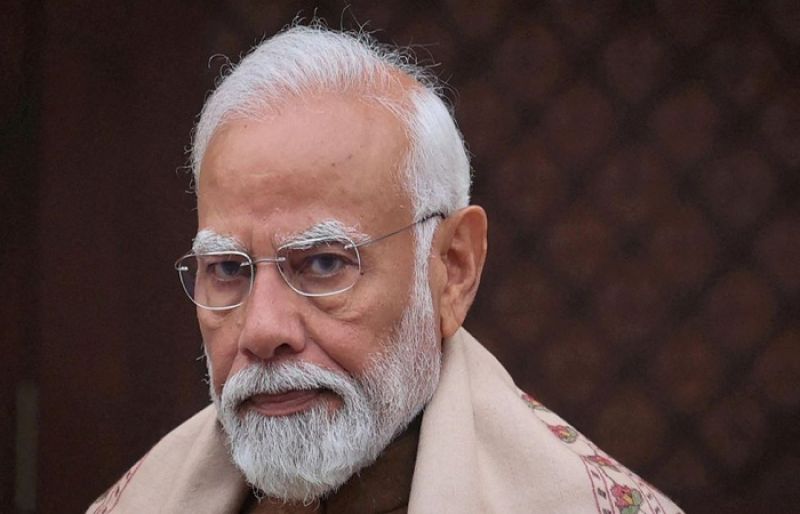

Indian Prime Minister Narendra Modi’s plan to reduce consumption taxes on everyday goods could provide billions of dollars in annual relief and stimulate demand in an economy preparing for potential US tariffs, experts say.
US President Donald Trump has warned he may double import duties on India from 25% to 50% in response to New Delhi’s purchase of Russian oil, arguing such transactions help Moscow finance its war in Ukraine.
The threat has cast uncertainty over the outlook for the world’s fifth-largest economy, with Indian exporters cautioning about declining orders and significant job losses.
Calling Washington’s move “unfair, unjustified and unreasonable,” New Delhi is working to cushion the impact.
Modi, during his recent Independence Day address, pledged to “reduce the tax burden on the common man.”
The proposed cuts to the goods and services tax (GST) would make items ranging from small cars to air conditioners more affordable for consumers, according to economists.
Currently, the GST functions under a four-tier structure, with rates spanning from five to 28%. Under Modi’s plan, most goods would be simplified into just two categories, taxed at either five or 18%.
The Indian leader has called the change a “Diwali gift”, a reference to the annual Hindu festival of lights when consumers splurge on everything from gold and clothes to consumer electronics.
‘Sizeable savings’
Trump’s tariffs — and their impact on ordinary Indians will hinge on how much progress is made towards a Russia-Ukraine peace deal, and whether New Delhi can secure alternative oil suppliers before the US president’s August 27 deadline.
But experts say Modi’s tax reform could help shore up demand by reducing tax collections by between $13 billion and $17 billion.
Analysts at Emkay Global Financial Services called the policy a “welcome reform towards boosting domestic consumption”.
They estimated that about the vast majority of items currently subject to the top 28% rate would be taxed at 18%, while “nearly all” in the 12% tier would move into the 5% bracket.
Analysts at Motilal Oswal, an Indian financial services firm, said the changes would bring benefits to a wide range of sectors and “sizeable savings” to households.
The fate of the proposal ultimately rests with the GST Council, which includes representatives from state governments and has struggled to achieve broad consensus in the past.
If approved, the cuts would strain public finances, according to experts.
However, they said, they could also help to offset tariff risks and burnish Modi’s credentials among the middle class.
The proposal comes ahead of expected elections later this year in Bihar, a large, Hindu-majority state of 130 million people that is a key political battleground for Modi.
“The popular economic narrative right now is that of Trump’s 50% tariffs and how the US-India relationship is seeing setbacks,” Deepanshu Mohan, economist at OP Jindal Global University, told AFP.
“The GST readjustment is a strong response from Modi in that context. It’s Modi telling the middle class: ‘We are trying to make sure you have enough at your end,'” Mohan said.
But, he added, it was also an acknowledgement that India’s economy had not worked for its “low middle-income class for some time”.
US-India Trade Tensions
Although economists have long urged an overhaul of the GST framework, Modi’s unexpected announcement comes at a time when US-India relations have sunk to a multi-decade low.
Experts warn that without a trade agreement, Trump’s proposed tariffs could push India’s GDP growth below 6% this fiscal year lower than the Reserve Bank of India’s projection of 6.5%.
India’s position on Russian oil imports will become clearer by late September, as most of this month’s shipments were contracted before Trump’s threats, according to trade intelligence firm Kpler.
Kpler analyst Sumit Ritolia told AFP that while Indian refiners are showing “growing interest” in US, West African, and Latin American crude, this reflects “greater flexibility, not a deliberate pivot.”
“Unless there is a clear policy shift or a sustained change in trade economics, Russian supplies will remain a central part of India’s crude basket,” Ritolia added.
Meanwhile, the outlook for US-India trade talks remains uncertain as the tariff deadline draws closer.
New Delhi insists it is committed to reaching a deal, but Indian media reports suggest Washington has postponed a planned late-August negotiating visit to New Delhi.
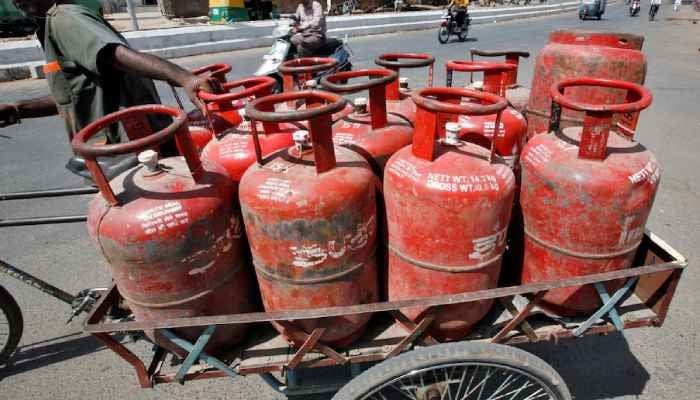
Indian police this week seized 414 cooking‑gas canisters hidden in a graveyard in Hyderabad city and arrested those involved in trying to sell them on the black market amid shortages due to the Iran war, a government official said on Thursday.
Authorities have stepped up raids to curb hoarding of liquefied petroleum gas canisters after the US-Israeli war against Iran disrupted shipping, causing supply shortages. India, the world’s No 2 LPG importer, meets about 60% of its demand through overseas purchases, mostly from the Middle East.
“Just yesterday, around 2,600 raids were carried out and about 700 cylinders were seized,” Sujata Sharma, a senior official in the Ministry of Petroleum and Natural Gas, told a regular briefing on the Middle East crisis.
“In addition, around 400 cylinders were recently found at one location inside a graveyard in Hyderabad. Ten people have been detained there, and the distributor involved has been suspended,” she said.
Police said the accused had been selling both commercial and domestic canisters from the graveyard at nearly three times the current market price. A commercial canister that costs about 2,100 Indian rupees ($22) had been sold for as much as 6,000 rupees.
The total value of the seized canisters and some vehicles used by the accused was nearly 2.2 million rupees, police said. Reuters could not immediately contact the accused or their representatives.
“The supply of natural gas to domestic consumers is 100% assured,” Sharma said. “With regard to LPG supply, prices have remained stable despite international volatility, and there has been no increase in the price of domestic LPG cylinders.”
To ease the pressure on LPG supplies, India has been promoting the use of alternatives such as kerosene, coal and biogas, while accelerating the rollout of piped natural gas for households.
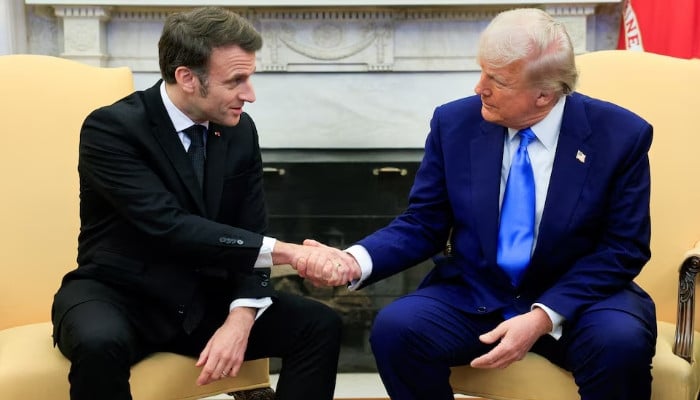
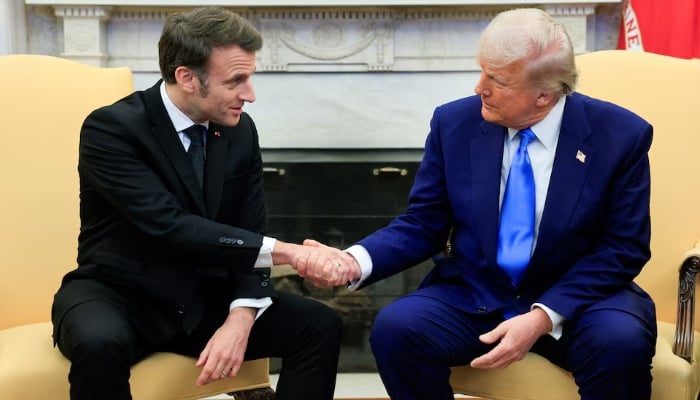
WASHINGTON: US President Donald Trump made fun of the French president and his wife during a private lunch Wednesday, as he lambasted Nato allies for not joining the war against Iran that has roiled the Middle East.
“We didn’t need them, but I asked anyway,” Trump told a private lunch in a video posted briefly on the White House YouTube channel before access was blocked.
“I call up France, Macron — whose wife treats him extremely badly. Still recovering from the right to the jaw,” Trump said.
He was referring to a May 2025 news video that appeared to show Brigitte Macron shoving the French president’s face on a trip to Vietnam, which Macron later rejected as part of a disinformation campaign.
“And I said, ‘Emmanuel, we’d love to have some help in the Gulf even though we’re setting records on knocking out bad people and knocking out ballistic missiles. We’d love to have some help. If you could, could you please send ships immediately,'” Trump continued.
He then mimics a French accent to give Macron’s alleged answer: “‘No no no, we cannot do that, Donald. We can do that after the war is won,'” he said.
“I said, ‘No no, I don’t need after the war is won Emmanuel,'” Trump said.
“So I learned about Nato — Nato won’t be there if we ever have the big one, you know what I mean by the big one,” Trump said, without elaborating.
He also branded Nato a “paper tiger,” the latest salvo by Trump and his top officials against the transatlantic alliance since he returned to the White House last year.
On Tuesday, Secretary of State Marco Rubio said the United States “is going to have to reexamine” its relationship with Nato once the war against Iran has concluded.
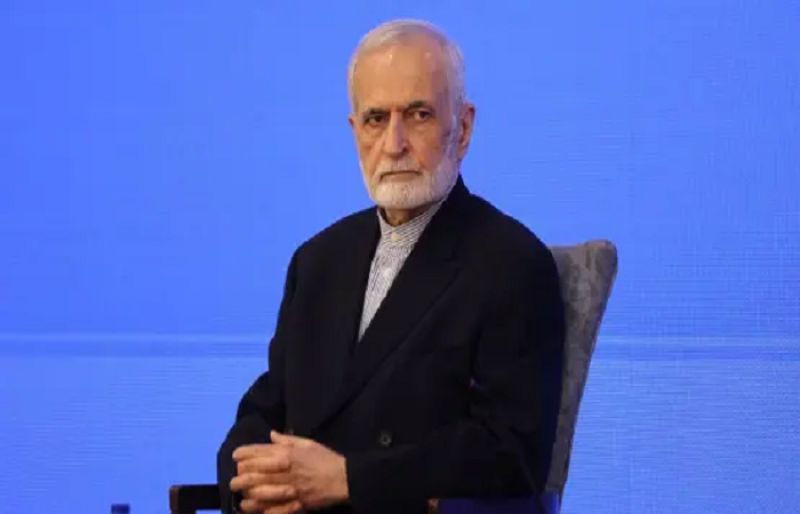
Former Iranian foreign minister Kamal Kharazi was seriously wounded in a strike that also claimed the life of his wife, Iranian media reported.
Still an adviser to the government, Kharazi had given an interview to CNN a few weeks ago.
According to the newspapers Shargh, Etemad and Ham Mihan, his home in Tehran was targeted on Wednesday in a US-Israeli strike.
He was badly injured and hospitalised following the attack, the outlets said.
Kharazi had served as foreign minister from 1997 to 2005 under reformist ex-president Mohammad Khatami.


Dan Hurley credits ‘Jersey boss lady’ wife Andrea for keeping UConn out of trouble in wild finish vs Duke
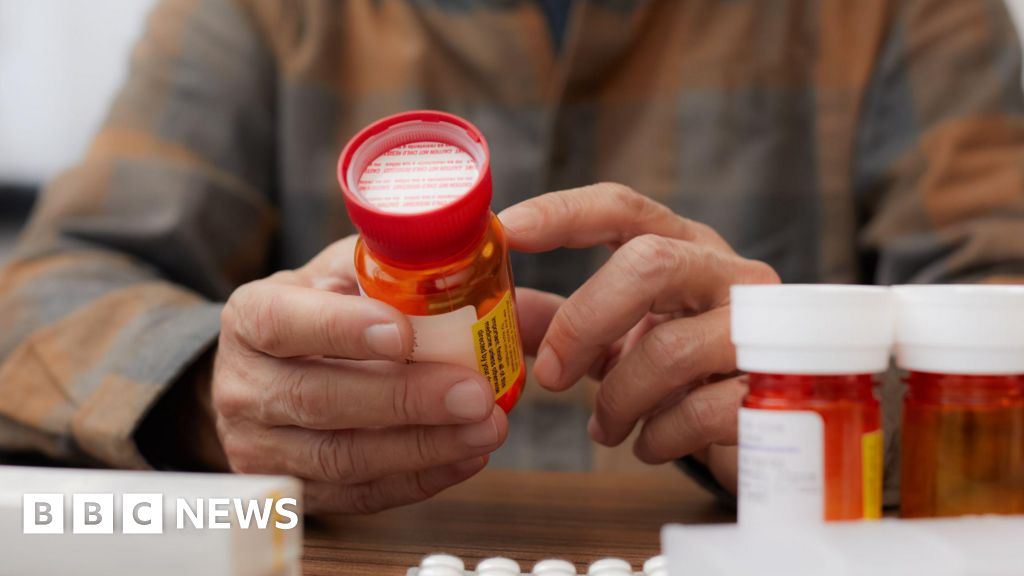
Pharmaceuticals face 100% tariffs in US – unless they have a deal

‘Uncanny Valley’: Iran’s Threats on US Tech, Trump’s Plans for Midterms, and Polymarket’s Pop-up Flop

-

 Fashion1 week ago
Ho Chi Minh City bizs adjust production plans, seek new supply chains
-

 Fashion1 week ago
Japan’s apparel imports rise 22.9% to $2 bn in February 2026
-

 Fashion1 week ago
India’s Gen Z to drive half of fashion market by 2030: Reedseer
-

 Entertainment1 week ago
Andrew holds breath as King Charles plans bombshell move amid probe
-
 Business6 days ago
How do you spot a fake online review?
-
 Business1 week ago
Co-op boss quits after ‘toxic culture’ claims reported by BBC
-

 Entertainment6 days ago
Lee Sang-bo dies at 45: Funeral details revealed
-

 Sports6 days ago
Illinois defense gets tough, ousts Houston to reach Elite Eight