

Business
Defence export boom sparks call for economic reset | The Express Tribune

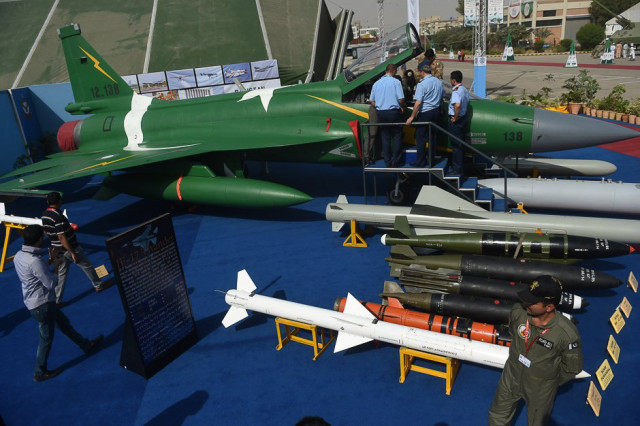
Business leaders say Pakistan must leverage $13bn pipeline to rethink trade ties, build long-term competitiveness
LAHORE:
As Pakistan enters a phase marked by unprecedented defence export opportunities and an equal chance to reposition itself within evolving global economic dynamics, business leaders are calling for a fundamental restructuring of the country’s external economic relationships to achieve sustainable, self-driven growth.
Former president of the South Asian Association for Regional Cooperation (SAARC) Chamber of Commerce and Industry Iftikhar Ali Malik has urged the government and the private sector to prioritise competitiveness, investment and innovation as the cornerstones of Pakistan’s economic revival. He said the country stands at a critical juncture where it can either continue a cycle of crisis management or break free towards genuine economic sovereignty. “For too long, we have been caught in a trap of external assistance that has weakened our structural foundations and discouraged strategic planning,” said Malik. He added that the current global realignment, combined with growing interest in emerging markets and regional connectivity initiatives, presents Pakistan with a rare opportunity to recalibrate its economic priorities and pursue growth on its own terms.
The trade veteran stressed that attracting long-term foreign direct investment should take precedence over short-term capital inflows linked to balance of payments pressures. Such investments, he said, would bring not only capital but also technology transfer, managerial expertise and crucial access to global markets. Equally important is rebuilding confidence among domestic entrepreneurs and diaspora investors, who can provide the foundation for sustained economic expansion, he added.
Another prominent businessman, who requested anonymity, pointed to Pakistan’s growing defence sector as a potential game-changer for the broader economy. Following the Pakistan-India conflict in May 2025, Pakistan’s defence exports have surged to approximately $13 billion, though a majority of this volume remains in the pipeline, opening new avenues for economic diversification.
“The defence export boom is not just about military hardware; it represents a validation of Pakistani manufacturing capabilities and technical expertise,” the businessman said. “These export orders are creating, and will continue to create, ripple effects across the private sector, helping manufacturers identify new international markets and establishing Pakistan as a reliable supplier. Beyond the immediate foreign exchange benefits, which are substantial, this is building institutional capacity and global credibility that can be leveraged across multiple industries.”
He added that the defence sector’s success demonstrates what Pakistani industry can achieve when it focuses on quality, innovation and compliance with international standards, lessons that should be applied across other sectors of the economy.
Malik, however, emphasised that redefining Pakistan’s external economic relations requires a more balanced diplomatic approach, where trade agreements and regional connectivity projects are driven by national competitiveness rather than urgent financing needs. Diversifying export markets and reducing overreliance on traditional partners would strengthen Pakistan’s negotiating position globally, he said. Both business leaders said the future lies in leveraging innovation across sectors, including digitalisation, fintech, agritech and renewable energy. These areas, they noted, offer opportunities to bypass traditional development constraints and integrate directly into global value chains while creating quality employment for Pakistan’s young population.
This transformation, they argued, demands sustained commitment, transparent governance and accountability. “This is not about quick fixes or cosmetic reforms; it requires genuine ownership of the reform process and a long-term vision that prioritises resilience and sustainability over short-term expediency. If we can maintain this focus, Pakistan can emerge as a self-confident and productive economy, integrated into the global system on an equal footing,” Malik added.


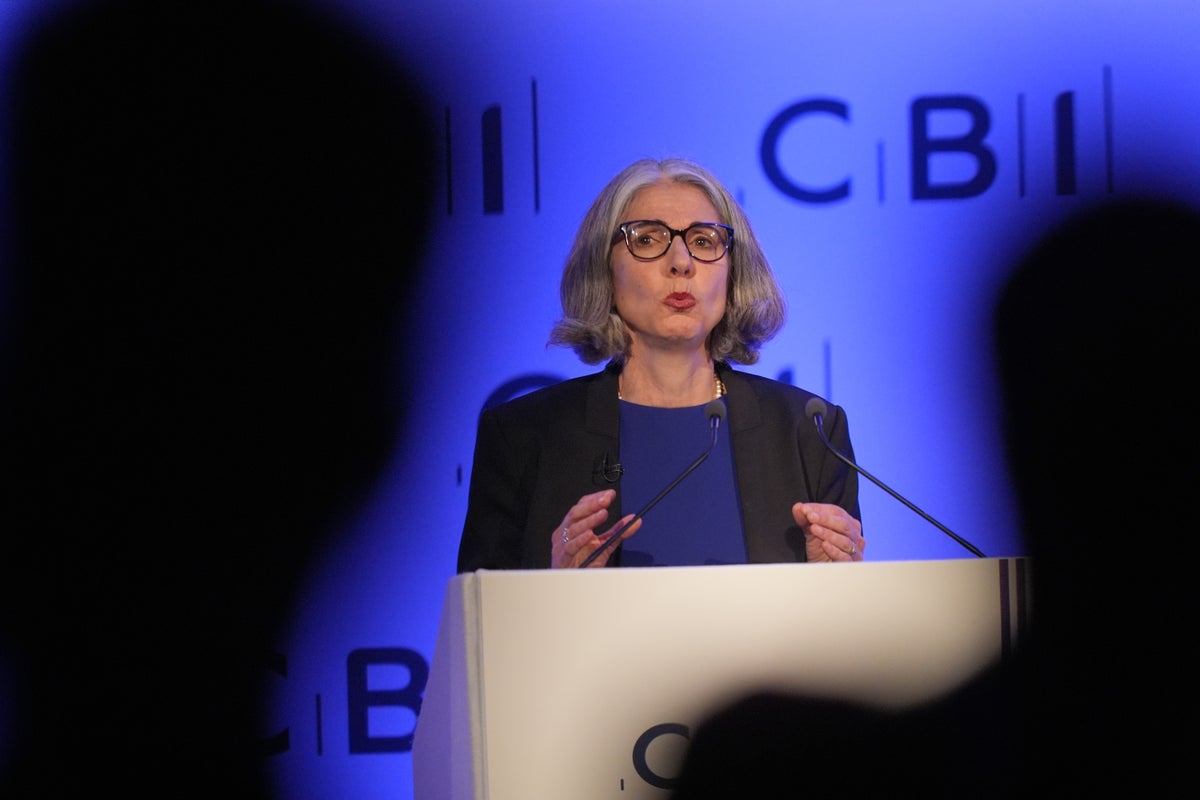
The UK must not “cut ourselves off” from trade opportunities in China despite security and business risks, the head of the Confederation for British Industry has warned.
CBI chief Rain Newton-Smith highlighted that British businesses see increased trade with Chinese firms as an opportunity to drive growth.
Her remarks came as business leaders were questioned by MPs on Parliament’s Business and Trade Select Committee regarding the UK’s economic relationship with China.
Last December, Prime Minister Sir Keir Starmer admitted China poses security threats to the UK but urged for greater business ties.
Ms Newton-Smith, chief executive of one of the UK’s largest business groups, was positive about the Government’s engagement with China.
“You can’t have a growth strategy without a strategy for China,” she said.
“China has the biggest contribution to global growth, is the third largest trading partner, and the world’s largest consumer market.
“The UK is second largest exporter of trade and services.
“We are mindful as all businesses are of security risks but it is really important that we have a strategy towards China.
“This Government has increased the economic engagement with China and including business within this does help us as a country.”
She added: “If we think about the future economy, there is a huge market in China and I think we mustn’t cut ourselves off from some of the opportunities there, even if in some areas there are difficult conversations and negotiations that need to be had.”
Peter Burnett, chief executive of the China-Britain Business Council, told the committee: “There are risks associated with technology advancement, AI, industrial development that they need to assess.
“Increasingly you will find them saying that they need to engage more in China to understand those risks and to develop some of the technologies along some of those risks themselves.”
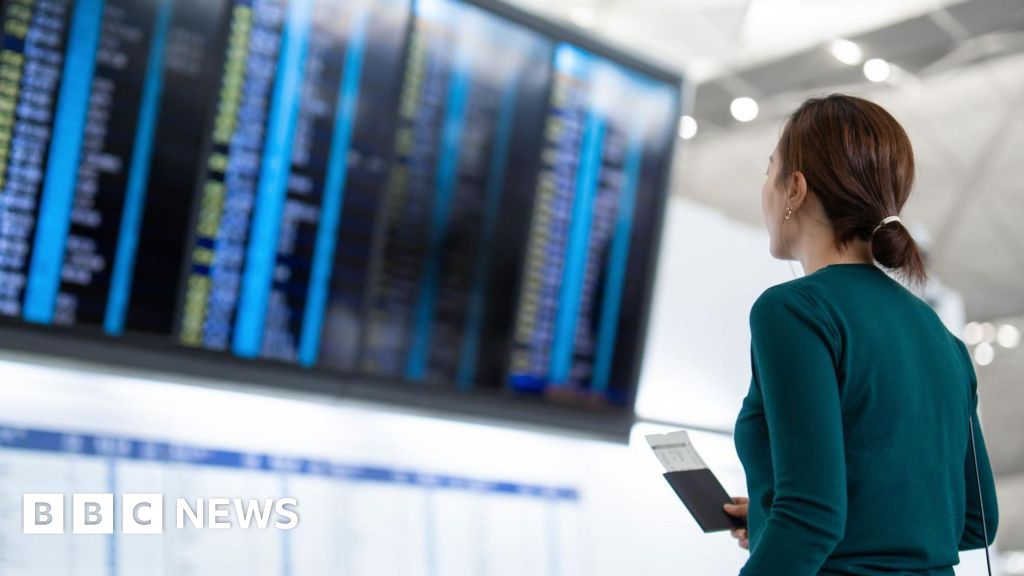
The consultancy Teneo says airspace restrictions caused by the conflict have forced airlines to reroute many flights.
Source link
Business
Us-India Trade Talks: US–India trade deal: Where do talks stand & what to expect – explained – The Times of India
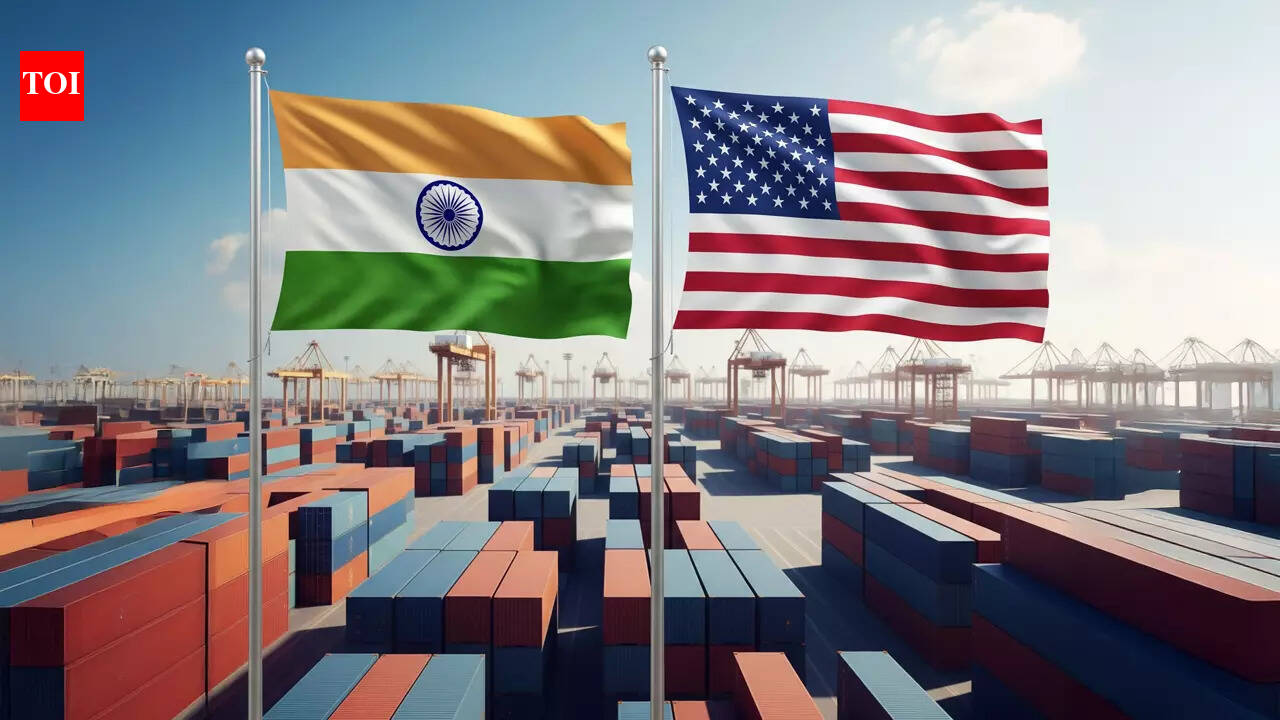
Fresh negotiations between India and the United States are underway in Washington, DC this week, with officials indicating that a long-running effort to seal a bilateral trade agreement is nearing completion.A senior US official, responding to queries on the progress of the talks, said, “The Trump administration and India continue to have positive and productive discussions towards a finalised trade deal.” The negotiations come as Indian representatives visit the American capital for discussions scheduled from April 20 to 22, marking a renewed push to conclude the first phase of the agreement.People familiar with the matter suggested that only a handful of issues remain unresolved. “Most of it is almost done,” one official said on condition of anonymity, adding, “There aren’t many loose ends left.” The current round is expected to concentrate on closing these remaining gaps, with much of the agreement already worked out.The Indian side is being led by Darpan Jain, Additional Secretary in the Department of Commerce, accompanied by officials from the customs department and the ministry of external affairs. On the US side, Brendan Lynch, Assistant US Trade Representative for South and Central Asia, is heading the negotiations under the Office of the US Trade Representative.The timing of the talks follows recent developments in the US tariff structure. After the US Supreme Court struck down reciprocal tariffs imposed under the 1977 International Emergency Economic Powers Act, the US administration introduced a temporary flat 10% tariff on all countries for 150 days starting February 24. These changes had earlier delayed a planned February meeting between the chief negotiators, with discussions now resuming under the revised framework.In addition to tariff-related matters, negotiators are also expected to address two Section 301 investigations initiated by the US Trade Representative. India has contested these probes, seeking their withdrawal and arguing that the notices lack adequate justification.The ongoing discussions build on a framework for an interim agreement announced on February 7, which outlined reciprocal and mutually beneficial trade measures. The framework reaffirmed a commitment to broader bilateral trade agreement (BTA) negotiations launched by US President Donald Trump and Prime Minister Narendra Modi on February 13, 2025, aimed at enhancing market access.US Ambassador to India Sergio Gor described the visit of the Indian delegation as a significant step towards finalising the deal. In a post on X, he said, “The Indian trade delegation will be arriving in Washington this week. A great step to finalise our bilateral trade deal. A win-win for both nations!”Commerce and Industry Minister Piyush Goyal also indicated that the first tranche of the agreement is close to completion. “We have almost finalised our free trade agreement, the first tranche of the bilateral trade agreement with them. We are trying to close the Ts and dots on that and work out what would be the mechanism by which India can get a preferential access, market access in the US market compared to our competitors,” he said at the India-Korea Business Forum in New Delhi.He added, “We have almost finalised the first tranche of bilateral trade agreement with them… We are trying to work out what would be the mechanism on which India would get a preferential access in the US market compared to our competitors. The team will be discussing this while they are in Washington.”With senior officials from both sides now engaged in discussions and most substantive issues already settled, expectations are building that an announcement on the proposed agreement could follow soon.

Britain ‘mustn’t cut ourselves off from China trade opportunities’, CBI chief warns

Iran has new surprises ready for potential resumption of war: Report

Florida top scorer Thomas Haugh to return, pass on NBA draft

-

 Fashion5 days ago
France’s LVMH Q1 revenue falls 6%, shows resilience amid Iran war
-

 Sports1 week ago
The case for Man United’s Fernandes as Premier League’s best
-

 Entertainment1 week ago
Palace left in shock as Prince William cancels grand ceremony
-
 Business1 week ago
UK could adopt EU single market rules under new legislation
-

 Entertainment6 days ago
Is Claude down? Here’s why users are seeing errors
-

 Fashion1 week ago
Energy emerges as biggest cost driver in textile margins
-
 Business1 week ago
Delta Air Lines unveils first new Delta One suite in premium cabin arms race
-

 Fashion1 week ago
Asia claims largest share of markets on Kearney FDI Confidence Index