

Business
Who owns TikTok now and how could it change for US users?

Liv McMahonTechnology reporter
 Getty Images
TikTok has announced a deal allowing it to continue operating in the US.
But with the platform’s future in the country seemingly secured, its 200 million American users are expected to see some changes.
What is the US TikTok deal?
A majority-American board now owns and operates a separate entity controlling TikTok in the US.
Backed by mostly US investors, the newly established TikTok USDS Joint Venture LLC is governed by a board of seven directors.
TikTok chief executive Shou Zi Chew is among them, and its Chinese owner ByteDance will retain a 19.9% stake in the business.
The content recommendation algorithm at the heart of TikTok – determining which videos show up on the app’s For You feed – has been licensed to tech firm Oracle.
Headed by Trump ally Larry Ellison, Oracle already oversees TikTok US user data under a previous arrangement set up over security concerns called Project Texas.
But the company will now secure more of the app, including by retraining and updating its recommendation algorithm based on US user data.
TikTok says both the algorithm and US user data will be protected in “Oracle’s secure US cloud environment”.
The deal may be done, but it is likely to receive continued scrutiny. Some Democrats have already voiced concern that the ties between Trump and TikTok’s new investor group could end up limiting what gets shared on the platform.
“Americans won’t be any better off if a TikTok sale ends up with the company in the hands of Trump cronies backed by foreign funding,” Democrat Senator Ron Wyden said in December ahead of the deal being finalised.
Meanwhile Senator Ed Markey reportedly said on Friday Congress should investigate the agreement, citing a “lack of transparency” and detail.
Will I have to download a new app?
Something TikTok and those behind its new US joint venture will be keen to avoid is too much disruption – so making users download a new app seems unlikely.
The US is believed to be the platform’s largest global market, with 200 million users, according to TikTok.
It faces growing competition from Instagram and its short form video feature Reels – which parent firm Meta has boosted within its apps used by billions.
And experts and analysts have warned changing TikTok too much or requiring users to move to a new app could put users and advertisers off.
“Behind the scenes, TikTok is likely working hard to assure advertisers it will remain business as normal,” says Jasmine Enberg, co-CEO of Scalable, a media company and podcast focused on the creator economy.
“While the need for users to download a new app seems unlikely, brand partners will want to know that their TikTok strategies won’t be disrupted.”
Have TikTok US terms and conditions changed?
TikTok updated its terms of service for US users as the deal closed on Thursday.
It says the contract users agree to is now between themselves and the platform’s new US entity, TikTok USDS Joint Venture.
There are several changes. One new rule says children under the age of 13 cannot use TikTok outside of its specific “Under 13 Experience”.
Another point says the new US entity “does not endorse any content” on the platform, nor does it reflect its views.
US users who continue to use TikTok from 22 January also must agree to the limitations of generative AI – such as its potential to generate inaccurate, misleading, inappropriate or unlawful content.
“By using the platform, including its generative AI-enabled features, you recognise and assume this risk,” it says.
Will the algorithm get worse for US TikTok users?
Exactly what changes US users will see to their TikTok app and feeds, as a result of the deal, remains unclear.
The BBC has asked TikTok what will change in its American experience, and when.
But we know its recommendation algorithm will be retrained on US user data – sparking concern for some over whether highly personalised content it serves could change.
Enberg says algorithm tweaks could affect what people see or even create, potentially “leading to a different look and feel” for US users.
Dr Kokil Jaidka of the National University of Singapore previously said while the app is “unlikely to suddenly feel different” for most, “changes are plausible”.
Differences that do appear to US users are likely to be “subtle and gradual” – such as weaker personalisation.
But locally-controlled, user-facing features such as TikTok’s short videos, influencer culture and livestream shopping may not change, she said.
“There is a big incentive here to keep what works,” social media expert Matt Navarra told the BBC.
He said changes to an algorithm can bring “short-term tuning issues” such as less reach, repetitive content or random recommendations, and TikTok would want to maintain its algorithm as its “crown jewel”.
“What’s important here is you’re still using the same app, the same account and broadly the same recommendation engine,” he said
“I think the goal is continuity not reinvention.”
Will I see less global content on TikTok?
Using a licensed version of TikTok’s algorithm to power its US version could also present “constraints around data access, update frequency, and integration with TikTok’s global systems,” Jaika said.
But she said changes could impact the For You feed – which “learns from massive, cross-regional feedback loops” to surface relevant content – as well as how videos are ranked and moderated.
However she said many unknowns remain, with much depending “on how ByteDance tweaks the weaker links – such as data separation, update frequency, and oversight mechanisms – without degrading performance”.
TikTok meanwhile says the joint venture will be able to make the app compatible with other apps and regions to give US users “a global experience”.
Its press release claims US creators will still be discoverable and businesses will be able to maintain global reach.
“It’s not that the world disappears, more that domestic content could crowd out international content over time,” Navarra said.
“In other words, global content stays – but the balance may suddenly shift.”
What about CapCut and Lemon8?
CapCut and Lemon8 are two other popular apps owned by ByteDance accessed by US users.
Previously, it was slightly unclear what the law requiring TikTok’s sale or ban in the US could mean for its sister apps and their users.
But both “went dark” in the US alongside TikTok when the ban briefly took effect in January 2025.
Their future in the US now appears to be secured, with TikTok saying “safeguards provided by the Joint Venture will also cover CapCut, Lemon8, and a portfolio of other apps and websites in the US”.


President Donald Trump raised hopes of an agreement between the US and Iran after days of escalation.
Source link
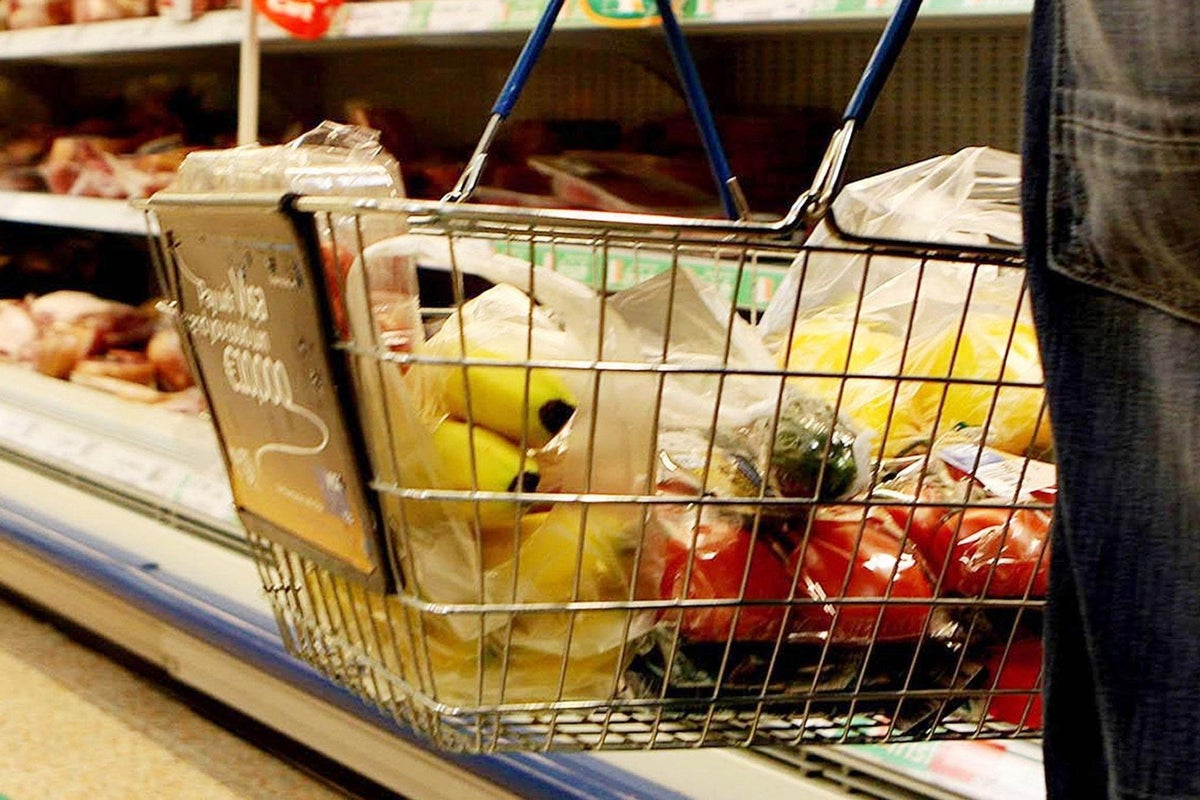
Retailers braced for the effects of the Middle East conflict have urged the Government to cut domestic costs to help them keep prices down for consumers.
The British Retail Consortium (BRC) said four in five people (80%) feared the Middle East conflict would push up food prices, and called on the Government to help by easing pressure on businesses from higher national insurance, packaging levies, new regulations, and business energy charges.
The BRC said retailers were already absorbing “significant” additional costs from the conflict including rising energy and shipping costs, with knock-on effects for fertiliser, manufacturing and logistics.
It warned those costs would inevitably filter through to the till over the coming months.
But it said the Middle East was only part of the picture, and retailers had absorbed £6.5 billion in extra employment costs from rising national insurance contributions and the national living wage, alongside a new packaging tax costing £1.6 billion.
Meanwhile, more regulatory “burdens” were imminent, including guaranteed hours provisions under the Employment Rights Act and the proposed reformulation of thousands of food lines under the new nutrient profiling model.
A survey for the BRC found 73% of people expect the Middle East conflict to raise the price of products other than food, while 81% are worried about rising energy bills, 76% about petrol and diesel, and 68% about tax increases.
Food retailers met Chancellor Rachel Reeves in early April and called for the removal of energy policy levies, network charges and system fees that now make up between 57% and 65% of a typical business electricity bill.
They also asked for the introduction of the updated nutrient profiling model for food and drink to be delayed, and for a review of the triple packaging levy, forecast to cost retailers more than £2 billion a year.
BRC chief executive Helen Dickinson said: “The Middle East conflict is driving up costs across the supply chain and families are right to be concerned.
“But not every pressure bearing down on retailers comes from the Gulf. Higher national insurance, packaging levies, new regulations, and business energy charges are all domestic policy decisions, made in Westminster, and they can be addressed there.
“Such action by government would help retailers to keep prices affordable for households.
“Other governments are already acting. Germany has reduced electricity costs for businesses by moving levies off bills and EU leaders are actively discussing similar responses to this crisis.
“The UK should be moving in the same direction, not treating global instability as cover for inaction on costs of its own making.
“Retailers are working hard to hold prices down, but they cannot do it alone.
“Every cost government chooses not to address is a cost that will find its way into someone’s shopping basket. That is a political choice, and it is one ministers still have time to change – but the window to act is closing.”
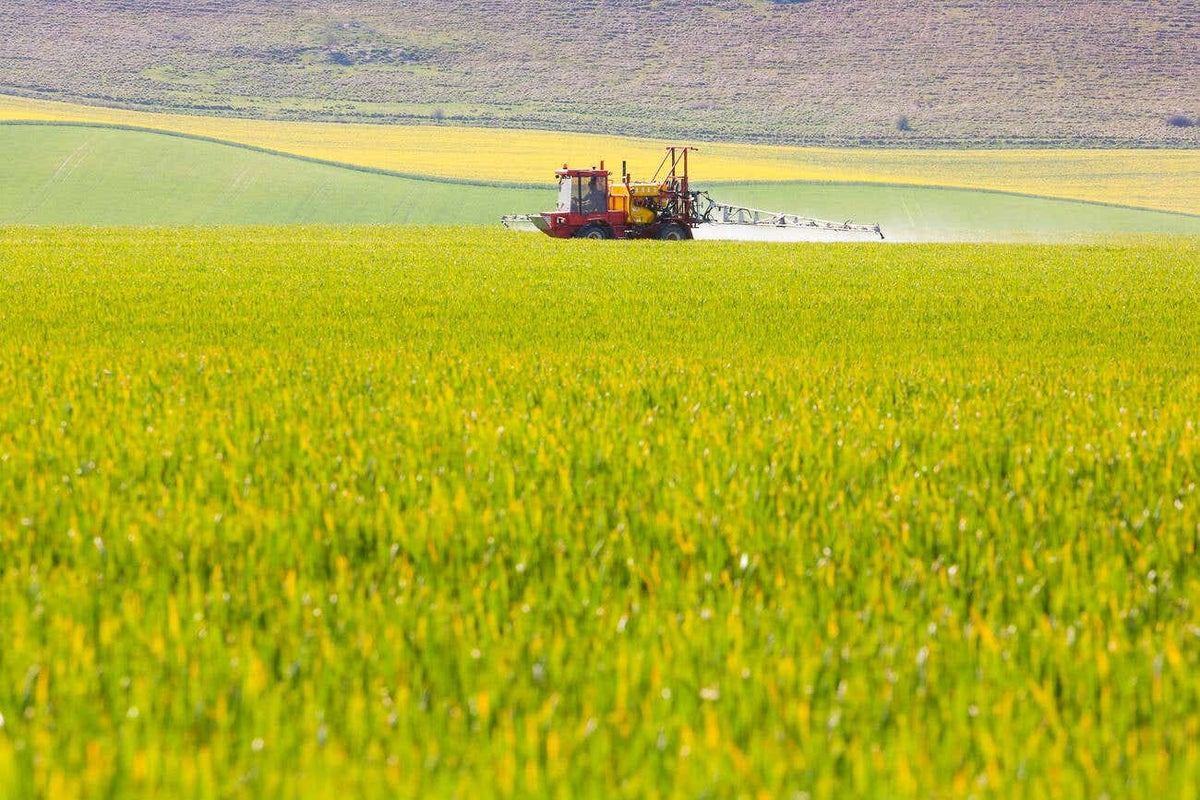
Campaigners are calling for the Government to ban the spraying of glyphosate on UK crops at harvest following studies linking it to cancer and other illnesses.
Glyphosate – commonly known for being the active ingredient in the product Roundup – is used by some farmers to tackle weeds, but it is also often sprayed on crops to dry them out at harvest time.
The Soil Association warned that this left residues in foods such as bread, breakfast cereal, and beer, with nearly half of crop samples tested in the UK across wheat, barley and oats containing the chemical.
Use of glyphosate as a pre-harvest drying agent was banned in the EU in 2023, and campaigners are calling on the UK Government to do the same.
Farmers Weekly reported in December that the renewal of glyphosate’s licence in Great Britain was entering a “critical stage”, with the Health and Safety Executive (HSE) set to launch a major public consultation ahead of a final approval decision later this year.
The consultation will allow farmers, industry, and farming organisations to comment on the extensive scientific dossier submitted by the Glyphosate Renewal Group (GRG), a coalition including Bayer, Syngenta, Nufarm and five other companies seeking renewal of the active ingredient.
Glyphosate remains approved for use in Great Britain until December 15, after ministers extended its authorisation to give regulators time to review new data.
Farmers Weekly said farming organisations were preparing to argue for continued access to glyphosate-based weedkillers – including as a pre-harvest desiccant – or moisture absorber – in cereals and oilseed rape, which they say is essential for food security, climate goals, and farm viability.
Glyphosate was labelled as a probable carcinogen by the World Health Organisation in 2015, and in March this year a group of international scientists gathered to review new science published over the last decade.
The expert statement issued after the Seattle Glyphosate Symposium stated that glyphosate and glyphosate-based herbicides (GBHs) harm human health and can cause cancer.
It added: “The evidence that glyphosate and GBHs harm human health at levels of current use is now so strong that no additional delays in regulation of glyphosate can be justified.”
In an open letter, the Soil Association, Nature Friendly Farming Network, Greenpeace, Riverford, The Wildlife Trusts and other environment and health groups have called for the Government to use the opportunity to end pre-harvest desiccation in the UK.
If implemented, this could prevent glyphosate from being sprayed annually on crops covering up to 780,000 hectares – an area five times the size of London – according to estimations by the Soil Association.
The charity has also launched a petition, and campaigners are calling for urgent support for farmers to ensure their businesses “can continue to thrive” while changing practices, alongside research into alternatives.
Soil Association campaigns co-ordinator Cathy Cliff said: “No-one wants a chemical linked to cancer in their sandwiches or breakfast cereal.
“The UK is already lagging behind Europe, which takes a much tougher stance on pesticides that pose a risk to human health.
“The Government must act to protect public health by stopping this toxic chemical from being sprayed on our food at harvest.
“Many farmers are already reducing their use of harmful pesticides, and the Government must work harder to support their efforts.
“Our Government must do the right thing and remove glyphosate from our foods, while supporting farmers to find alternatives that protect nature and public health.”
Dr May van Schalkwyk, from the Centre for Pesticide Suicide Prevention and Global Health Policy Unit at the University of Edinburgh, said: “There is a mounting body of independent evidence of the harm to people’s health and the environment from glyphosate-based pesticides.
“Government action is long overdue.”
Guy Singh-Watson, founder of organic vegetable box company Riverford, said: “Glyphosate use in our food system is poison in plain sight.
“Spraying crops with a chemical classified as ‘probably carcinogenic’, often just days before harvest, creates a direct route from field to plate that should concern us all.
“This is not only a public health issue, but also a farming one too.
“Many farmers are locked into using these chemicals by a system that leaves them with few commercially viable alternatives.
“The Government has a responsibility to ensure our food is produced without compromising the health of people or the planet.
“Banning glyphosate as a pre-harvest desiccant is a sensible first step, and farmers must be supported to make the transition away from chemical dependence.”
A Government spokesman said: “Like all pesticides, glyphosate is subject to strict regulation in Great Britain and are only approved for use if the evidence shows that they won’t harm human or animal health, and won’t have unacceptable effects on the environment.
“Our UK Pesticides National Action Plan supports moves by farmers, growers and other land managers to minimise the use of pesticides and increase integrated pest management – a holistic and sustainable approach to pest, weed and disease control.”


Italy’s inflation rises to 2.8% in April on energy spike
Oil prices ease as US pauses Project Freedom to seek Iran deal

Kadeem Hardison calls ‘Euphoria’ costar Zendaya ‘a boss’

-

 Tech1 week ago
A Brain Implant for Depression Is About to Be Tested in Humans
-

 Tech1 week ago
Almost 90% of women leave tech industry within 10 years | Computer Weekly
-

 Sports1 week ago
Pro wrestling star Steph De Lander reveals how colleague’s advice helped lead her to title triumph at ACW
-
 Business1 week ago
‘I had £20,000 stolen and had to fight a 13-month fraud reporting rule to get it back’
-

 Entertainment1 week ago
Norway joins Type 26 Frigate Programme to boost NATO naval power
-

 Tech1 week ago
Are tech leaders risking a cyber resourcing crisis? | Computer Weekly
-

 Entertainment1 week ago
Melania Trump says ABC should ‘take a stand’ on late-night host Kimmel
-
 Business6 days ago
PSX plunges over 4,800 points | The Express Tribune