

Politics
Iran, US prepare for Oman talks amid nuclear diplomacy push

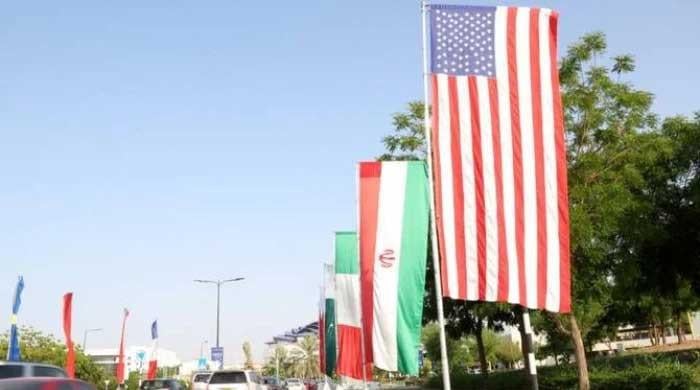
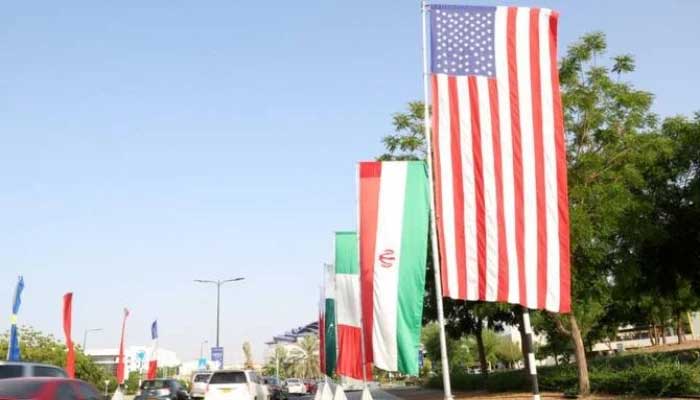
- Steve Witkoff, Abbas Araghchi to lead delegations at talks.
- Talks to focus on nuclear programme, missiles: New York Times.
- US maintains military option while pursuing diplomatic solution.
Iran and the United States were preparing for talks on Friday in Oman, with Washington looking to see if there is any prospect of diplomatic progress on the Iranian nuclear programme and other issues while refusing to rule out military action.
The talks, which were finally confirmed by both sides late Wednesday after hours of doubt over the location, timing and format, will be the first such encounter between the two foes since the US joined Israel’s war against the Islamic republic in June with strikes on nuclear sites.
President Donald Trump’s Middle East envoy Steve Witkoff and Iranian Foreign Minister Abbas Araghchi are due to lead their delegations at the talks in the discreet Gulf sultanate, which has periodically acted as a low-profile mediator between the countries.
The meeting comes just under a month after the peak of a wave of protests nationwide in Iran against the Iranian leadership that has left thousands dead.
“They’re negotiating,” Trump said at the National Prayer Breakfast. “They don’t want us to hit them, we have a big fleet going there,” he added, referring to the aircraft carrier group he has repeatedly called an “armada”.
Trump initially threatened military action against Tehran over its crackdown on protesters and even told demonstrators, “help is on its way”. But his rhetoric in recent days has focused on reining in the Iranian nuclear programme that the West fears is aimed at making a bomb.
“He (Trump) is going to do is he is going to keep his options open, he is going to talk to everybody, he is going to try to accomplish what he can through non-military means and if he feels like the military is the only option then he is ultimately going to choose that option,” US Vice President JD Vance told SiriusXM in an interview broadcast Wednesday.
Vance also expressed frustration with the fact that Trump could not deal directly with Iranian Supreme Leader Ayatollah Ali Khamenei, saying, “it’s a very weird country to conduct diplomacy with when you can’t even talk to the person who’s in charge of the country”.
‘Inflexibility towards US demands’
German Chancellor Friedrich Merz, speaking in the Qatari capital Doha, urged Iran’s leadership to “truly enter talks”, saying there was a “great fear of military escalation in the region”.
Turkish President Recep Tayyip Erdogan was quoted by Turkish newspapers as saying that “so far, I see that the parties want to make room for diplomacy”, adding that conflict was “not the solution”.
There had been tensions in the run up to the talks over whether the meeting should also include regional countries and address Tehran´s support of proxies and ballistic missile programmes, two US concerns that Iran resisted.
Citing unnamed Iranian officials, the New York Times said the United States agreed the talks would exclude regional actors, and while the meeting would focus on the nuclear file it would also discuss missiles, “with the goal of coming up with a framework for a deal”.
“Iran continues to show inflexibility towards addressing US demands, which reduces the likelihood that Iran and the United States will be able to reach a diplomatic solution,” the US-based Institute for the Study of War said.
‘Compromise or war’
With the American threats of military action still looming, the United States has manoeuvred a naval group led by aircraft carrier USS Abraham Lincoln into the region while Iran has repeatedly vowed it will hit back at US bases in the region if attacked.
“We are ready to defend and it is the US president who must choose between compromise or war,” state television on Thursday quoted army spokesman General Mohammad Akraminia as saying, warning that Iran had “easy” access to US bases.
In a sign of the tensions, Iran’s Revolutionary Guards have seized two oil tankers with their foreign crews in Gulf waters for “smuggling fuel”, the Tasnim news agency reported Thursday.
It was not immediately clear what flags the tankers were carrying nor the nationalities of the crew.
“Iran is fully prepared to stand against any foreign threat and enemy,” said former foreign minister Ali Akbar Velayati, who remains an advisor to Khamenei, quoted by the ISNA agency.
- Trump trip to Beijing set for May 14-15, says White House.
- Xi understood reason for delay, says Trump spokesperson.
- Trump looks forward China visit to be ‘a monumental event’.
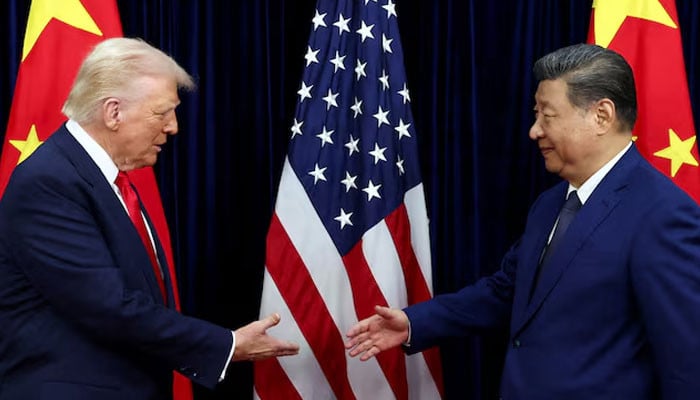
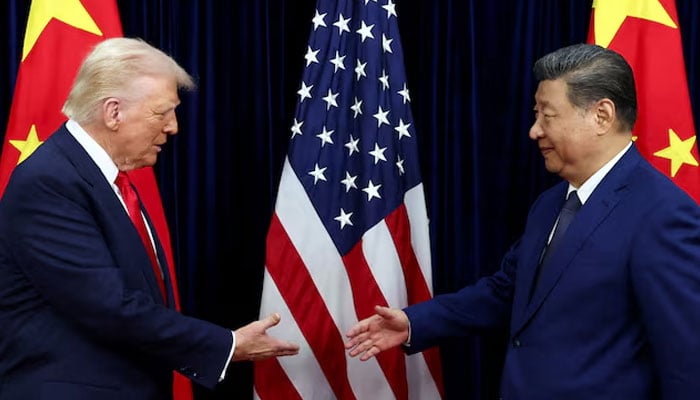
WASHINGTON: US President Donald Trump will meet Chinese President Xi Jinping in May during his first visit to China in eight years, a closely watched trip postponed due to the ongoing Iran war.
Trump’s effort to reschedule the trip reflected the Republican president’s eagerness to project confidence in a challenging Middle East war and simultaneously to manage a tense relationship between the world’s biggest economies.
Initially slated to travel next week, Trump will now visit Beijing on May 14 and 15, he said in a Truth Social post on Wednesday. Trump added that he would host Xi for a reciprocal visit in Washington later this year.
“Our representatives are finalising preparations for these historic visits,” Trump said. “I look very much forward to spending time with President Xi in what will be, I am sure, a monumental event.”
China’s embassy said it had no information to provide on the announcement of the visit. Beijing normally does not detail Xi’s schedule more than a few days in advance.
The long-scheduled trip — and Washington’s broader effort to reset relations in the Asia Pacific region — have been repeatedly overtaken by events.
In February, the Supreme Court curtailed the US president’s power to impose tariffs, a source of leverage for Trump in negotiations with the US’ third-biggest trading partner. Later that month, Trump’s joint military operation with Israel against Iran introduced a new point of tension with Beijing, Tehran’s main oil buyer.
Trump’s last trip to China, in 2017, was the most recent by a US president. Trump’s visit in May will be the leaders’ first in-person talks since an October meeting in South Korea, where they agreed on a trade truce.
White House says Xi understands Trump’s reasons for delay
The two-day trip is set to combine the lavish pomp and circumstance that has become a feature of Trump’s trips abroad with hard-nosed diplomacy.
While the two sides could strike goodwill agreements in Beijing on trade in agriculture and aeroplane parts, they are also expected to discuss areas of deep tension like Taiwan, where little progress is expected.
Trump has dramatically ramped up US arms sales to Taiwan during his second term in office. The moves have angered Beijing, which claims the democratically governed island as its own territory.
It is also not clear whether the war with Iran, which has shaken the global economy, will be settled by the time of the Xi-Trump meeting.
Trump has sought support from the world’s major oil consumers, including China, to help counter Iran’s efforts to close the Strait of Hormuz.
Trump’s request for assistance so far has largely been rebuffed. China, which imported around 12 million barrels of oil daily during the first two months of 2026, the most in the world, has not directly responded to his request.
Asked whether the war could wind down in time for the China trip, White House spokeswoman Karoline Leavitt told reporters on Wednesday that “we’ve always estimated approximately four to six weeks. So you could do the math on that.”
Leavitt also said Trump and Xi spoke about rescheduling the trip and that Xi had understood the reasons for doing so.
“President Xi understood that it’s very important for the president to be here throughout these combat operations right now,” she said.
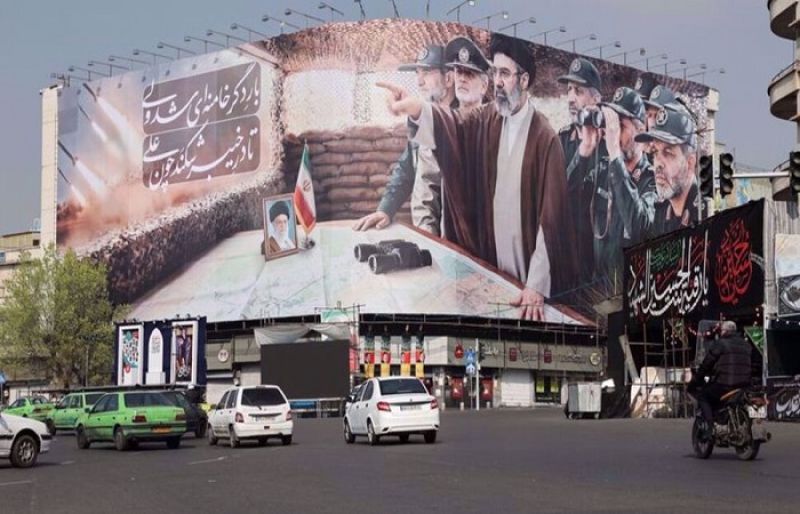
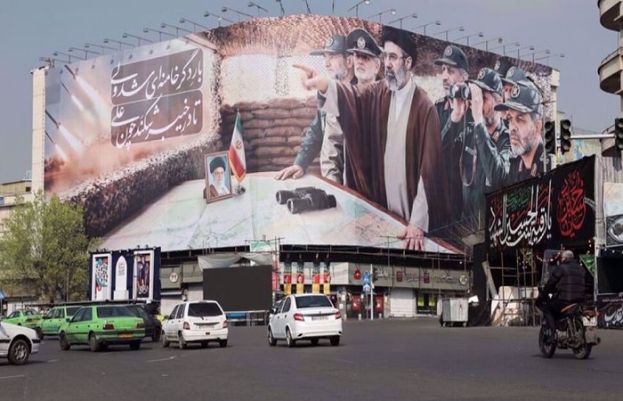
Iran has responded negatively to an American proposal aimed at ending the ongoing imposed war, insisting that it will only occur on Tehran’s own terms and timeline, a senior political-security official said.
The official with knowledge of the details of the proposal said Iran will not allow US President Donald Trump to dictate the timing of the war’s end.
“Iran will end the war when it decides to do so and when its own conditions are met,” the official said, emphasizing Tehran’s resolve to continue its defense and inflict “heavy blows” on the enemy until its demands are fulfilled.
According to the official, Washington has been pursuing negotiations through various diplomatic channels, putting forward proposals that Tehran views as “excessive” and disconnected from the reality of America’s failure on the battlefield.
The official drew parallels with two previous rounds of negotiations held in the spring and winter of 2025, characterising them as deceptive.
In both instances, the official stressed, the United States had no genuine intention to engage in meaningful dialogue and subsequently carried out military aggression against Iran.
Tehran has therefore categorized the latest overture, which was delivered via a friendly regional intermediary, as a ploy to heighten tensions and has responded negatively.
The official outlined five specific conditions under which Iran would agree to end the war. These include:
A complete halt to “aggression and assassinations” by the enemy.
The establishment of concrete mechanisms to ensure that the war is not reimposed on the Islamic Republic.
Guaranteed and clearly defined payment of war damages and reparations.
The conclusion of the war across all fronts and for all resistance groups involved throughout the region
Iran’s exercise of sovereignty over the Strait of Hormuz is and will remain Iran’s natural and legal right, and it constitutes a guarantee for the implementation of the other party’s commitments, and must be recognized.
The official further noted that these stipulations are in addition to demands previously presented by Tehran during the second round of negotiations in Geneva, which took place just days before the US and Israel carried out a fresh round of aggression on February 28.
Iran has communicated to all intermediaries acting in good faith that a ceasefire is contingent upon the acceptance of all of its conditions.
“No negotiations will be held prior to that,” the official stressed, reiterating that the continuation of Iran’s defensive operations will persist until the outlined conditions are met.
“The end of the war will occur when Iran decides it should end, not when Trump envisions its conclusion,” he hastened to add.
The unprovoked and illegal war was launched on February 28 – in the middle of indirect nuclear talks – with the assassination of the Leader of the Islamic Revolution, Ayatollah Seyyed Ali Khamenei, and some top-ranking military commanders and government officials.
In response, Iranian armed forces have so far carried out nearly 80 waves of retaliatory strikes targeting Israeli and American military assets across the region.
In recent days, the American side has courted some regional countries to persuade Iran to cease its retaliatory strikes that have decimated American and Israeli military infrastructure in the region as well as to allow American vessels to pass through the Strait of Hormuz.
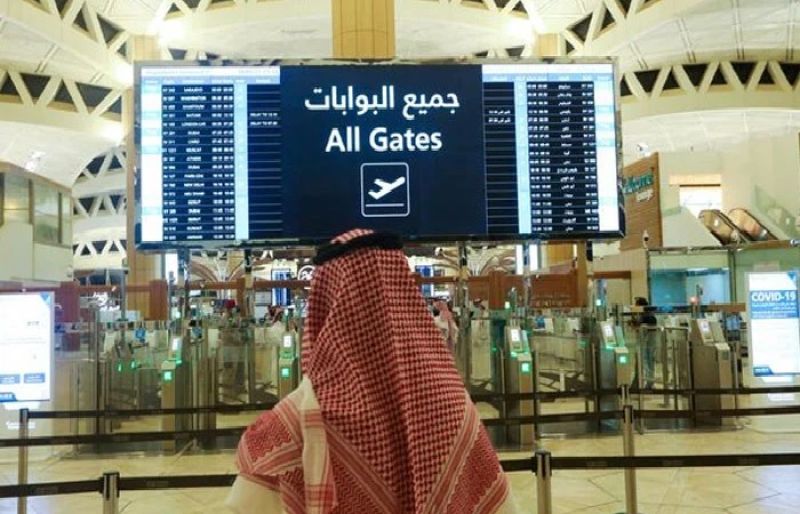
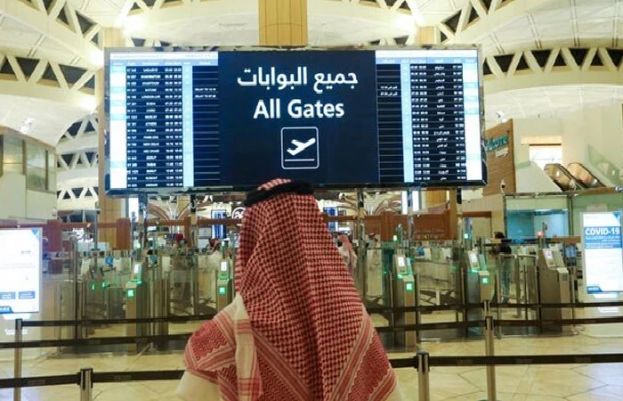
In a bid to facilitate stranded visitors who could not leave due to the current situation in the region, Saudi Arabia on Wednesday extended the validity of all types of visas until April 18, 2026.
In a statement, the Ministry of Interior said that those whose visas — including visit, Umrah, transit and final exit — expired as of February 25, 2026, and who were unable to depart the kingdom due to the current situation, can benefit from this offer.
The ministry asked holders of expired visas to go directly to departure ports, where their exit procedures will be completed smoothly without the need for prior measures.
“This service does not require the payment of any fees for beneficiaries who wish to depart directly,” it added.
A large number of foreigners were unable to depart the Kingdom due to the ongoing war between the United States, Israel and Iran, which disrupted air travel across the region.
Several countries closed their airspace and airlines suspended operations after Tehran launched retaliatory attacks across Gulf nations.


Man United’s big night was disappointing, but not their spirit
Government grant to reopen CO2 plant amid fears of Iran-linked shortages

Trump to visit China in May after Iran war delay

Sales at US apparel, clothing accessories stores up 4% YoY in Jan 2026

Justice Department Says Anthropic Can’t Be Trusted With Warfighting Systems

March Madness 2026 – How to watch in SA, start time, schedule, TV channel for NCAA championship basketball tournament

-
 Fashion1 week ago
Sales at US apparel, clothing accessories stores up 4% YoY in Jan 2026
-
 Tech1 week ago
Justice Department Says Anthropic Can’t Be Trusted With Warfighting Systems
-
 Sports1 week ago
March Madness 2026 – How to watch in SA, start time, schedule, TV channel for NCAA championship basketball tournament
-
 Business1 week ago
Stocks and pound rise as US rate call approaches
-

 Entertainment1 week ago
Val Kilmer revived 1 year after death through AI
-
 Business1 week ago
Brits cashing in jewellery as gold price hits record high
-

 Tech1 week ago
Meta Is Shutting Down Horizon Worlds on Meta Quest
-

 Fashion1 week ago
Spain’s Inditex FY25 sales rise 3.2% to $46.28 bn amid strong demand