

Business
Risk-averse capital drives hybrid deals | The Express Tribune

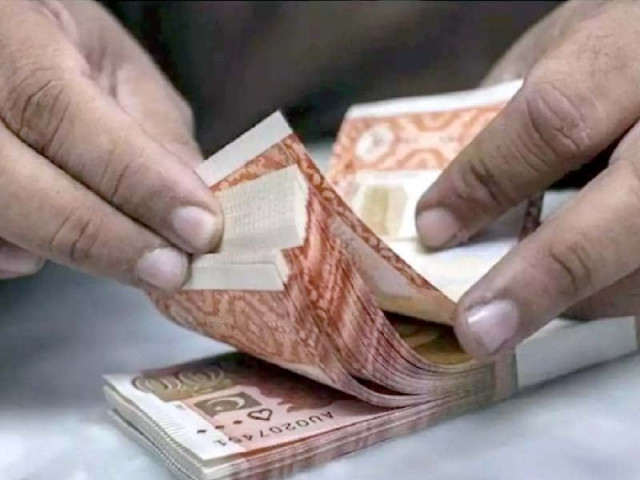
The central bank injected financing at a stable rate of 17.25% compared to previous injections made at 17.04% about a week ago. photo: Afp
KARACHI:
Pakistan’s startup ecosystem, once a headline-grabbing post-Covid-19 success story that attracted aggressive venture capital chasing growth and buzzworthy “disruption,” is now entering a more cautious and structurally different phase.
With investors increasingly prioritising risk-adjusted returns and shifting capital towards safer assets such as gold, the funding landscape is undergoing a transformation marked by a decisive move away from speculative equity rounds towards hybrid financing structures that now dominate capital flows.
The shift was highlighted during Invest2Innovate (i2i)’s “Ecosystem Signals 2026” event, where industry leaders discussed the findings of Pakistan’s Capital Landscape Brief 2024-2025 and outlined emerging investment trends shaping the ecosystem. Aleena Khan, Deputy Director Growth & Strategy at i2i, highlighted that total startup funding doubled to $74 million in 2025 from $34 million in 2024, while deal activity also increased from eight deals to 16 deals. However, the nature of capital changed significantly as hybrid financing, combining equity with debt, surged dramatically and accounted for nearly 89% of all capital raised in 2025, underscoring a structural shift in investor behaviour rather than a broad-based revival in venture capital.
During the period under review, hybrid financing surged from just $1 million in 2024 to $66 million in 2025, representing 89% of total capital. Misbah Naqvi, an early-stage investor, noted that Pakistan’s evolving funding environment reflects broader trends across emerging markets. “Pakistan’s landscape has changed, but many of these changes are not unique to Pakistan,” she said, adding that investors globally are adopting diversified financing mechanisms to manage risk exposure.
Naqvi highlighted that Pakistan already has venture debt criteria and instruments that founders can utilise, providing alternative financing channels beyond traditional equity rounds. However, she cautioned that the ecosystem remains incomplete without successful exits. “A full venture cycle has not yet been completed, as meaningful exits have not been seen within the startup ecosystem,” she said, emphasising that exits are critical for recycling capital and strengthening long-term investor confidence. The report noted that the funding recovery was not driven by a revival in traditional venture capital equity rounds, which remained subdued, but instead reflected founders’ growing reliance on diversified capital structures amid cautious investor sentiment and tighter risk appetite.
Analysts highlighted that hybrid structures offered investors downside protection while enabling startups to secure growth capital without heavy dilution, marking a structural evolution in Pakistan’s startup financing landscape. Despite the rebound, equity funding continued to contract, signalling that investor confidence in high-risk early-stage ventures remains fragile. The briefing suggested that whether equity markets recover or hybrid financing continues to dominate will be a key trend to watch in 2026.
Experts cautioned that while diversified funding channels improved capital access, long-term ecosystem sustainability will depend on restoring balanced capital flows across equity, debt and alternative financing instruments. Panellists also underscored a fundamental shift in venture capital philosophy heading into 2026. Kasra Zunnaiyyer, Co-Founder of logistics platform Trukkr, said investors have moved decisively away from funding speculative ideas and are now demanding capital efficiency, proven business models and measurable performance metrics.
There is a growing focus on service-based startups offering must-have solutions with strong financial sustainability, Zunnaiyyer said, noting that founders must demonstrate profitability pathways and robust unit economics before seeking additional capital. He added that AI-enabled service companies are becoming particularly attractive to investors because they can scale efficiently, automate operations and deliver personalised services with reduced labour intensity.
Omer Bin Ahsan, founder and CEO of fintech firm Haball, emphasised the broader macro-financial context influencing capital flows. He said capital naturally avoids environments perceived as unstable or high-risk, saying “capital is coward,” but pointed out that Pakistan currently has surplus liquidity within the private sector as government borrowing requirements have moderated compared to previous years. “This surplus provides an opportunity for the local banking system to lend to startups,” he said.







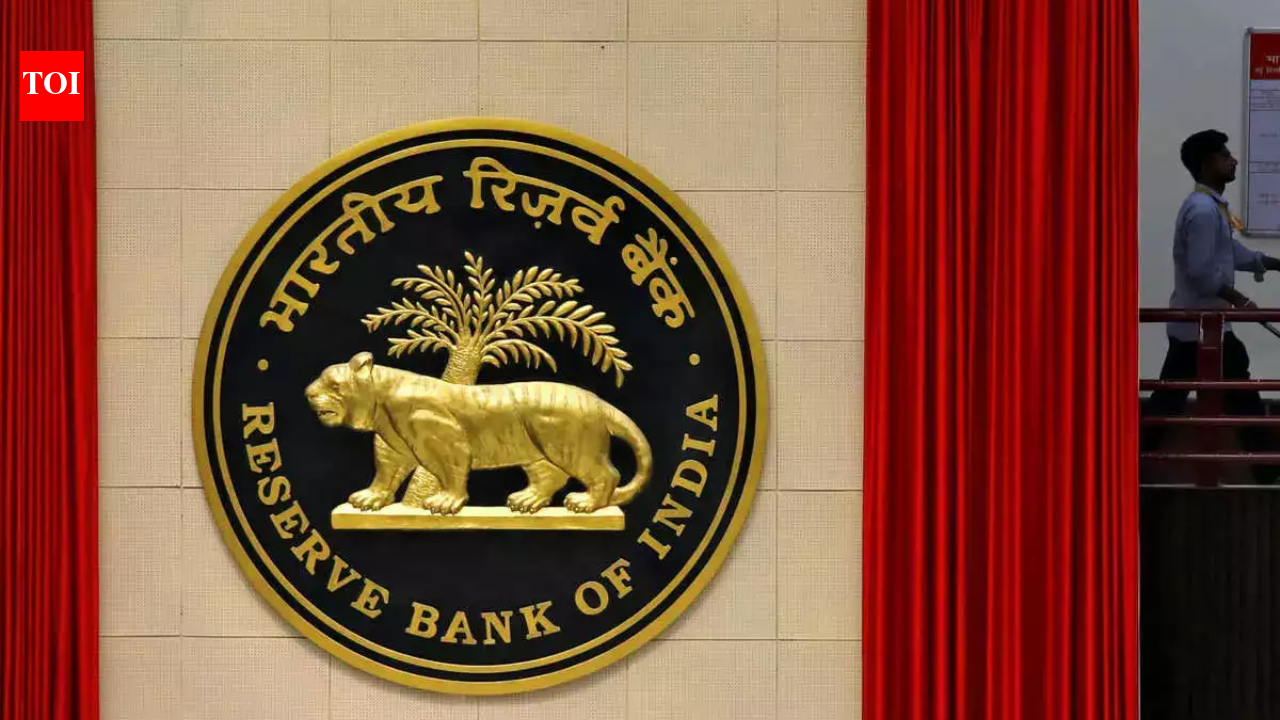
The Reserve Bank of India (RBI) on Monday decided against activating the countercyclical capital buffer (CCyB), indicating that current financial and credit conditions do not warrant an additional capital requirement for banks, PTI reported.The central bank said the decision followed a review and empirical assessment of indicators used under the CCyB framework.“Based on review and empirical analysis of CCyB indicators, it has been decided that it is not necessary to activate CCyB at this point in time,” RBI said in a statement.Under the RBI (Commercial Banks – Prudential Norms on Capital Adequacy) Directions, 2025, the CCyB framework is activated when financial conditions indicate rising systemic risks linked to excessive credit growth.The framework primarily relies on the credit-to-GDP gap as a key indicator, along with supplementary metrics.According to the RBI, the CCyB mechanism is intended to serve two broad objectives.Firstly, it requires a bank to build up a buffer of capital in good times, which may be used to maintain the flow of credit to the real sector in difficult times.Secondly, it achieves the broader macro-prudential goal of restricting the banking sector from indiscriminate lending in the periods of excess credit growth that have often been associated with the building up of system-wide risk.The framework was introduced globally after the 2008 financial crisis as part of measures proposed by the Group of Central Bank Governors and Heads of Supervision (GHOS) under the Basel framework to strengthen financial system resilience.

The company has announced plans to build seven new models in Europe including a small electric hatchback.
Source link

“Today’s policymaking is constrained by a more volatile external environment with more frequent and overlapping shocks, a rising public interest bill, in part reflecting market concerns with countries’ elevated debt, and the long-standing challenge of weak productivity growth,” he said.


Two Americans arrested at Japanese zoo

Turkiye’s current account deficit expected to widen in 2026: Minister

UK’s clothing imports fall 3% in Q1, sharply lower than Q4 2025

-

 Entertainment6 days ago
Conan O’Brien hat tricks as Oscar host
-

 Tech1 week ago
Could Contact-Tracing Apps Help With the Hantavirus? Not Really
-

 Fashion5 days ago
Italy’s Zegna Group’s Q1 growth boosted by strong organic performance
-

 Sports1 week ago
Bobby Cox, legendary Atlanta Braves manager who led 1995 World Series champions, dead at 84
-

 Entertainment1 week ago
Martin Short: Facing tragedy with joy
-

 Entertainment1 week ago
Tom Brady gets back at Kevin Hart during Netflix roast
-

 Sports1 week ago
Jacob Fatu unleashes vicious assault on Roman Reigns after World Heavyweight Championship loss at WWE Backlash
-

 Entertainment1 week ago
Martha Stewart: How to make an omelet